
Review · TOKYO
Tokyo: Kimono Experience inside Shinjuku Gyoen National Garden
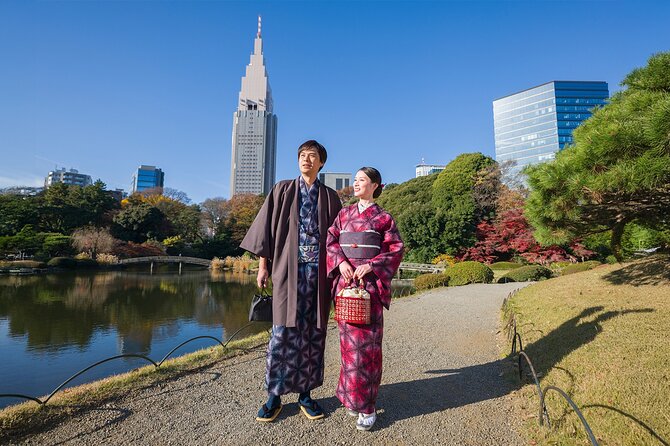
The special appeal here is the setting: Rakuu-tei tea house, inside Shinjuku Gyoen National Garden, is the only place in the park offering this kind of kimono rental. I like the calm garden backdrop and the fact that dressing includes the obi, tabi socks, sandals, handbag, and basic hair styling. The main catch is that you must pay the park’s ¥500 entrance fee separately.
I also like the small-group feel, with no more than five people, and the help of a long-established kimono maker founded 174 years ago. Staff members receive warm praise for making people feel comfortable while they learn about Japanese dress. Just remember that the preparation takes about an hour, so this is not a quick costume change before a packed sightseeing schedule.
Key points to know before booking
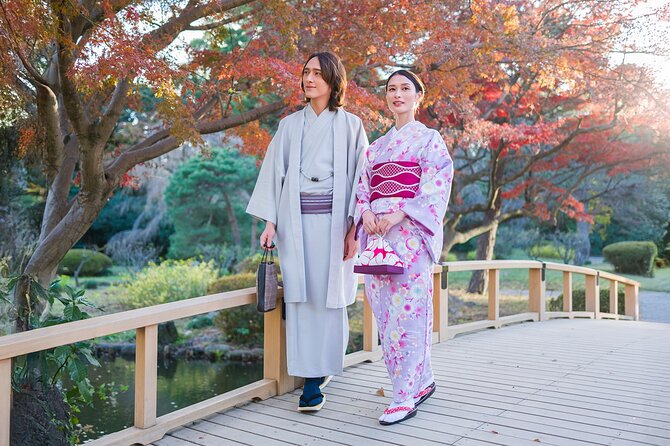
- The rental takes place inside Shinjuku Gyoen: You dress at the historic Rakuu-tei tea house, then step directly into one of Tokyo’s best-known gardens.
- About 60 minutes goes to choosing and dressing: Allow time for the kimono, obi belt, socks, sandals, handbag, and hair styling.
- Your garden time is flexible: Once dressed, you can walk around freely until the 4:00 PM return deadline.
- The package includes useful basics: Women receive basic hair styling, while extra hairstyles, umbrellas, and small accessories cost more.
- The group is limited to five people: That makes the fitting process more personal than a large dressing-room operation.
- Bring photo identification: Every participant must show a passport or government-issued photo ID at check-in.
Why the tea house setting changes the experience
Many kimono rentals take place in a shop near a station, followed by a walk through ordinary city streets. This one starts inside Shinjuku Gyoen, at Rakuu-tei Kouichi Store. You are already in a historic garden before the dressing begins, so the change from modern Tokyo to traditional Japanese dress feels direct and natural.
Rakuu-tei is a tea house, not simply a retail counter. That matters because the surroundings give the activity a quiet sense of place. You select your clothing in a setting connected to Japanese tea culture, then walk out into the garden in the same attire.
The shop is operated by Kouichi Store, a kimono maker with 174 years of history. That does not turn the appointment into a formal lecture, and no guide names are provided. It does mean the business has a long connection to textile traditions, rather than treating the kimono as a generic photo prop.
Shinjuku Gyoen is also a strong choice for this activity because it offers room to stroll. You are not limited to a tiny studio or one prepared backdrop. The garden gives you time to look at the clothing in changing surroundings and take your own photographs as you walk.
You will need to pay ¥500 per person to enter the garden. That fee is separate from the $46.04 activity price, so include both costs when comparing this with other kimono rentals in Tokyo.
A few more garden visits around Tokyo worth a look
- Imperial Palace East Garden and Edo Castle Walking Tour in Tokyo
★ 5.0 · 510 reviews - Tokyo: Imperial Palace East Gardens Walking Tour
★ 4.8 · 353 reviews - Tokyo: Edo Castle & East Garden of the Imperial Palace Tour
★ 4.7 · 112 reviews
Choosing a kimono for the season
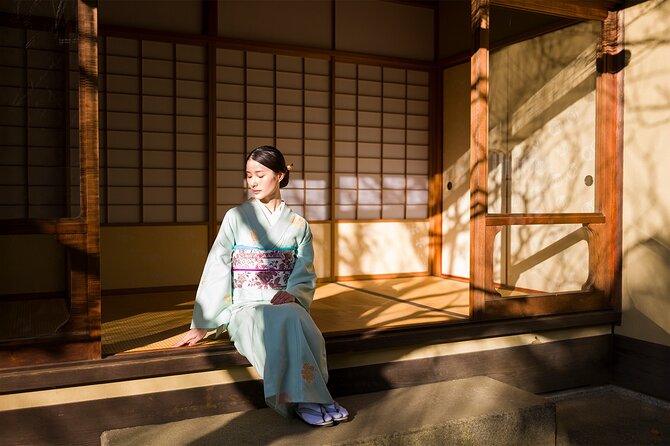
After check-in, staff help you choose from a selection of authentic kimonos. The available clothing is selected with the season in mind, which is useful if you want your outfit to feel connected to the time of year rather than pulled at random from a costume rack.
The information provided does not specify the exact number of designs, colors, sizes, or patterns. You should therefore think of the choice as a guided selection, not a promise of one particular color or style. Staff assist you through the process, which is especially helpful if you are unsure how formal a particular kimono looks or how its patterns work with the obi.
The obi belt is included. This is important because the obi is not just decoration. It helps shape the outfit and gives the kimono its finished appearance. A professional dressing team handles the fitting, so you do not need to know how to wrap or secure it yourself.
A traditional Japanese handbag is also included. That gives you a practical place for a few small items, though you should avoid arriving with bulky belongings that may be awkward under or alongside the kimono.
What happens during the 60-minute dressing period
Plan on about an hour for the selection and dressing process. The time covers more than putting on a robe. Staff help you select the kimono, fit the obi, provide tabi socks, arrange the sandals, and complete the look with a handbag.
Tabi socks have the split-toe design associated with traditional Japanese footwear. They are included with the rental, as are the sandals, so you do not need to arrange those pieces yourself.
Women also receive basic hair styling. This is a useful inclusion because hair can make a traditional outfit look more complete in photographs. The package only covers a basic style, though. If you want a more elaborate arrangement, paid upgrades are available.
The exact extra hairstyles are not specified, so ask about the options and prices when you arrive. The same applies to accessories. Traditional umbrellas and other small items can be added for an extra charge, but they are not part of the standard price.
The staff’s manner is one of the strongest reasons to consider this activity. The available feedback gives particular praise to the customer service, describing a warm, family-like welcome and a feeling of being guided into Japanese culture rather than simply dressed for a picture. That personal attention may matter more than having a very large clothing selection.
Walking through Shinjuku Gyoen in traditional dress
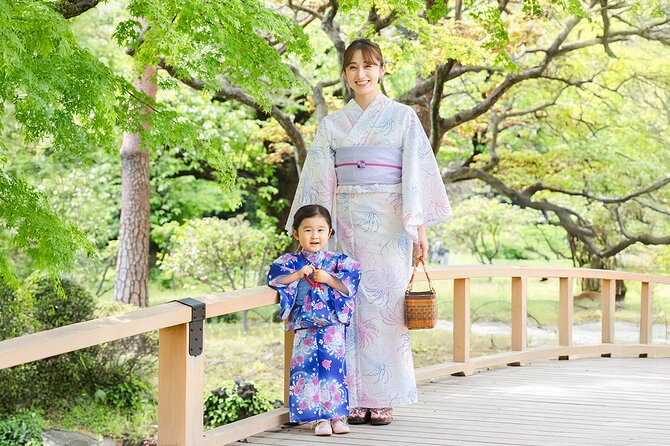
Once you are dressed, you are free to explore Shinjuku Gyoen and the surrounding area until the final return time of 4:00 PM. The schedule gives you room to move at your own pace. You are not tied to a guide leading a fixed route or a photographer directing every pose.
This freedom is the heart of the activity. You can pause where you like, take photographs with your own phone or camera, and enjoy the garden without having to rush through a short studio session.
The garden is particularly useful for anyone who wants photographs that feel connected to Tokyo rather than staged against a plain indoor wall. The tea house provides one type of setting, while the garden offers other views as you walk. The supplied information does not promise specific seasonal highlights or photo spots, so do not book this expecting a guaranteed cherry blossom, autumn color, or professional portrait location.
There is no photography plan currently available. You can take your own pictures, but a professional photographer is not included. If polished portraits are your main goal, that is a real limitation. If you prefer a relaxed walk and informal snapshots, the open schedule may be an advantage.
You can explore the area around the meeting point too, but the kimono must be returned by 4:00 PM. Keep an eye on the time, especially if you stop often for pictures or plan to cover much of the garden.
Same place, a different kind of green day out:
- Mt. Fuji Day Trip from Tokyo with English Speaking Driver Guide
★ 5.0 · 443 reviews - Mt. Fuji, Cherry Blossom & Shiba Sakura Pvt. Day Tour
★ 5.0 · 326 reviews - Tokyo Private Tour! Edo Castle & Imperial Palace East Gardens
★ 5.0 · 105 reviews - Mount Fuji & Lake Kawaguchiko Private Tour: Beyond the Ordinary
★ 5.0 · 78 reviews
Is the $46.04 price good value?
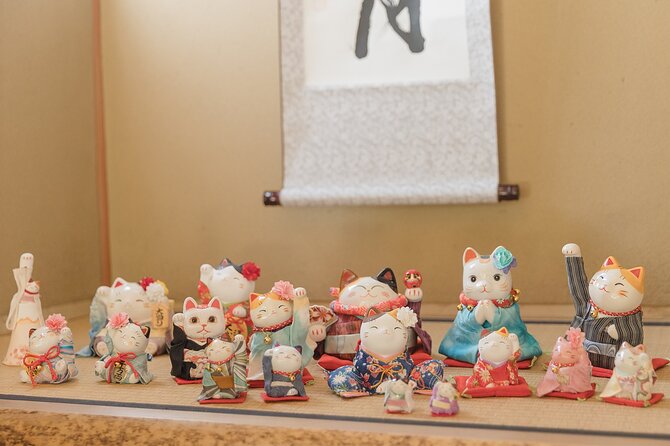
At $46.04 per person, the price is reasonable for a package that includes the main clothing and dressing service. You receive the kimono, obi belt, tabi socks, sandals, Japanese handbag, professional fitting, and basic hair styling for women.
The value improves if you want more than a short fitting-room visit. You get time to walk around Shinjuku Gyoen after dressing, which turns the rental into a two-part activity: preparation at the tea house and independent sightseeing in the garden.
The separate ¥500 entrance charge pushes up the total cost slightly. Optional accessories and upgraded hairstyles can raise it further. Since photography is not included, you should also factor in your own camera or phone plans.
For a visitor who wants a professional portrait session, this may not be the best match because there is no photography option. For someone who wants to wear a kimono, explore a major Tokyo garden, and handle the photos independently, the package covers the essentials without forcing you to pay for services you may not need.
The small maximum of five people adds value as well. It suggests a more manageable fitting process, although the activity is not described as a private tour. You should not assume the whole tea house or garden visit belongs only to your party.
Timing your visit around a busy Tokyo day
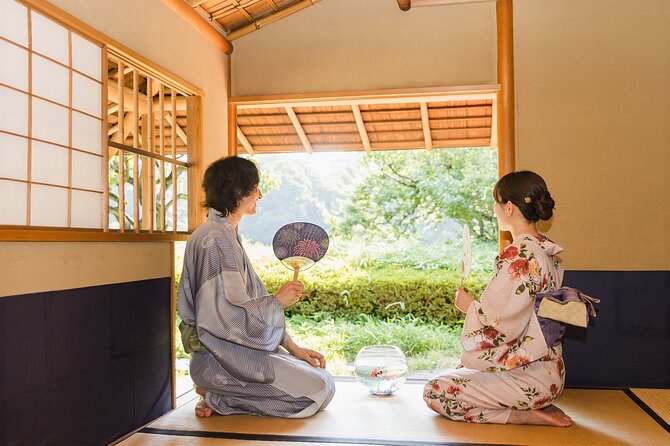
The activity lasts about two hours, but the details suggest that much of your appointment is spent getting dressed and then walking until 4:00 PM. Check the exact start time carefully when booking, since the amount of free garden time depends on when you arrive.
An early appointment gives you more time before the return deadline. A later appointment leaves less room to explore, even if the dressing period remains about an hour. I would avoid placing this immediately before a fixed reservation unless you leave plenty of margin.
The final return time is firm. The park visit may feel open-ended once you are dressed, but the rental is not. Plan your route back to Rakuu-tei rather than assuming you can return the kimono at any point in the afternoon.
The activity is near public transportation, which helps with access, but exact station directions are not provided here. Use the full meeting address in your booking confirmation:
Rakuu-tei Kouichi Store, inside the tea house, left side, Naitōmachi 11, Shinjuku City, Tokyo 160-0014.
Bring a valid passport or government-issued photo ID. This is required for every participant at check-in, not just the person who made the booking. A mobile ticket is accepted, and confirmation arrives at booking.
Who will enjoy this kimono rental most
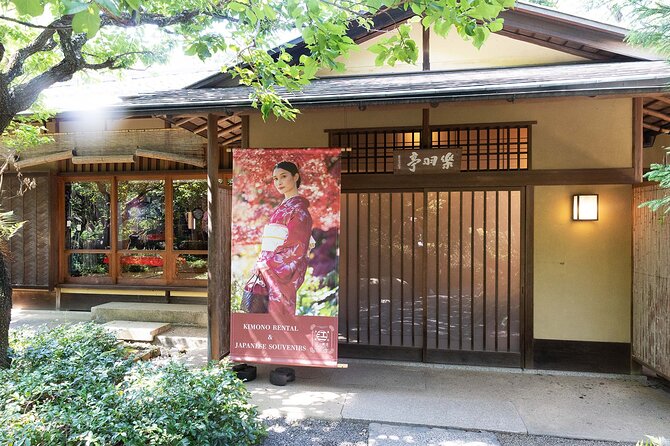
I would recommend this for you if you want a cultural activity with time to wander, rather than a tightly managed sightseeing tour. It works especially well for couples, friends, solo visitors, and small groups who enjoy taking their own photographs and setting their own pace.
It is also a good choice if the setting matters to you. Dressing inside Rakuu-tei, then walking straight into Shinjuku Gyoen, gives the activity a stronger connection to place than a rental shop located on a busy commercial street.
Families may also find the maximum group size useful, although the information does not specify child sizes or age limits. Ask about fit and availability before booking if a child will participate.
You may want to skip it if you have a tight itinerary, dislike spending an hour getting dressed, or need a professional photography package. It is also not ideal if you want to keep the kimono all day, since everything must be returned by 4:00 PM.
Service animals are allowed, and most people can participate. No special fitness requirement is given, but you should remember that walking in traditional sandals and a fitted kimono may feel different from ordinary sightseeing.
Booking, cancellation, and practical cautions
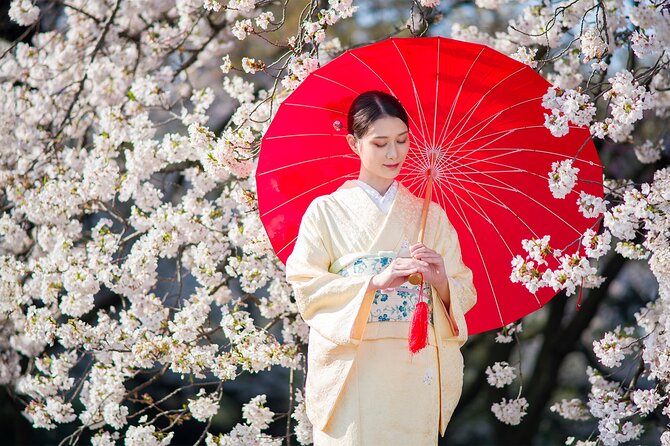
The activity is often booked about nine days ahead, so reserve early if your Tokyo dates are fixed. Confirmation is provided at booking, and the mobile ticket makes the entry process simple.
You can cancel for a full refund up to 24 hours before the start time. Cancellations or changes made within 24 hours are not accepted for a refund. The cut-off follows local Tokyo time.
The shop accepts a maximum of five participants. That small capacity can make the dressing stage calmer, but it also means popular dates may fill sooner than larger group activities.
I would arrive ready to choose promptly, with your identification accessible and only the belongings you need. The supplied handbag is useful, but the kimono itself is not designed for carrying a large day bag comfortably.
Should you book this Shinjuku Gyoen kimono experience?
Book it if you want the setting and the freedom to explore. The tea house location, professional dressing, included accessories, basic hair styling for women, and garden access create a well-rounded two-hour activity for the price.
Think twice if your main goal is a formal photo shoot. No photographer is available, and upgraded accessories or hairstyles cost extra. Also remember the separate ¥500 garden admission and the strict 4:00 PM return time.
For most visitors, the best reason to choose this activity is its sense of place. You are not simply putting on a kimono indoors. You are getting dressed inside a historic tea house, then walking through one of Tokyo’s major gardens in traditional clothing. That combination makes the experience worth considering, especially for a relaxed half-day plan.
FAQ
Where does the kimono experience begin?
It begins at Rakuu-tei Kouichi Store, a kimono rental and souvenir shop inside the Rakuu-tei tea house in Shinjuku Gyoen National Garden.
Is admission to Shinjuku Gyoen included?
No. You must purchase the garden entrance ticket separately. The listed fee is ¥500 per person.
How long does the activity last?
The activity is approximately two hours. Kimono selection and dressing take about 60 minutes, followed by free time to explore until the return deadline.
When must the kimono be returned?
The kimono must be returned by 4:00 PM.
What does the rental include?
It includes the kimono, obi belt, tabi socks, traditional sandals, and a Japanese handbag. Professional dressing is also included.
Is hair styling included?
Basic hair styling for women is included. Additional hairstyles are available as paid extras.
Is a photographer included?
No. A photography plan is not currently available. You may take your own photographs while exploring the garden.
Are accessories included?
The standard package includes a handbag, but traditional umbrellas and other small accessories are optional paid add-ons.
What identification is required?
Every participant must show a valid passport or government-issued photo ID at check-in.
Can I cancel for a refund?
Yes. You can receive a full refund if you cancel at least 24 hours before the experience start time. Cancellations within 24 hours are not refunded.
Just added around Tokyo
- Tsumami Zaiku Japanese Fabric Flower Class★ 5.0 · 3 reviews
- Tokyo: Serene Sakura & Sake: An Exclusive Brewery Pairing Lunch★ 5.0 · 2 reviews
- Tsukiji Food Strolling and Hama Rikyu Garden Walking Tour★ 5.0 · 7 reviews
- Private tour – Scenic Fuji Escape: Hakone, Peace Park & More★ 5.0 · 4 reviews
- Tokyo Cherry Blossom Half Day Walking Tour with a Local Guide★ 3.5 · 4 reviews
- TOKYO: Tailored Gardens tour with Pro Gardener by E-bike -BASIC★ 5.0 · 2 reviews
- Cherry Blossom Highlights, Asakusa, Ueno, Imperial Palace Garden★ 4.5 · 4 reviews
- Japan’s Customs of Ikebana Art, Tea Ceremony & Kimono Welcome★ 5.0 · 2 reviews
Tokyo Garden Tours, compared.
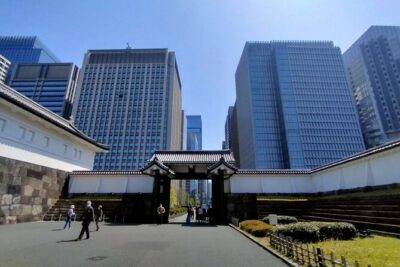
Imperial Palace East Garden and Edo Castle Walking Tour in Tokyo
Read our review →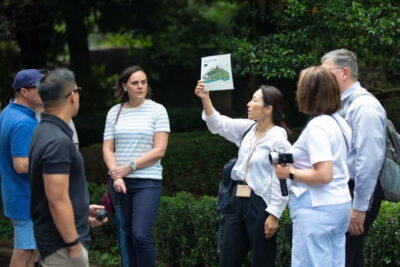


Edo Castle & East Garden of the Imperial Palace Tour
Read our review →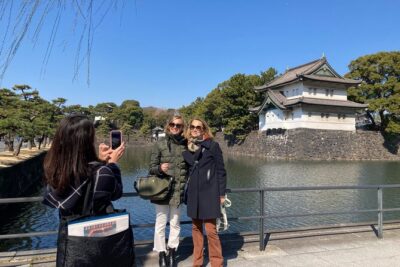
Tokyo Private Tour! Edo Castle & Imperial Palace East Gardens
Read our review →
Mount Fuji & Lake Kawaguchiko Private Tour: Beyond the Ordinary
Read our review →
Rainbow Bridge Day Cruise Show and Only Soft Drinks
Read our review →
Tsukiji Market and Hama-rikyu Gardens Guided Tour
Read our review →Browse the lists this tour appears in