
Review · TOKYO
Tokyo Ikebana Wellness Art Experience near Shinjuku
Ikebana turns a small bundle of seasonal flowers into a lesson in space, balance, and restraint. In this 90-minute workshop, Ai-sensei explains the art’s 600-year history, then helps you make your own arrangement in a calm Japanese-style room. I especially like the small maximum of five people and the fact that you take your flowers with you. You are not just watching a demonstration, you are making something.
Two things make this a good choice for a first brush with Japanese culture: clear English guidance and a free-style approach that lets your own eye matter. The main consideration is the strict no-refund policy, so book only when your plans are firm.
Key points at a glance
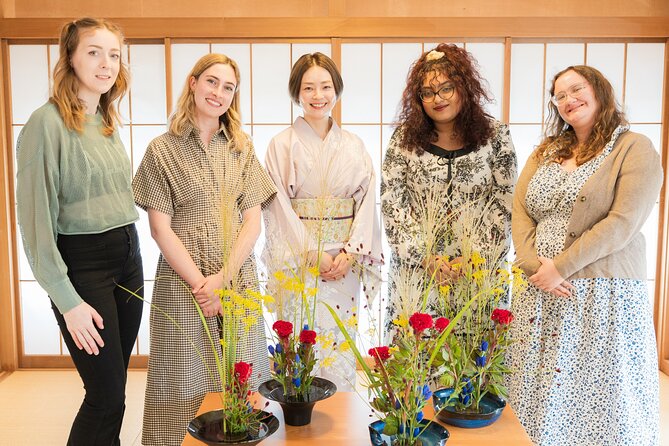
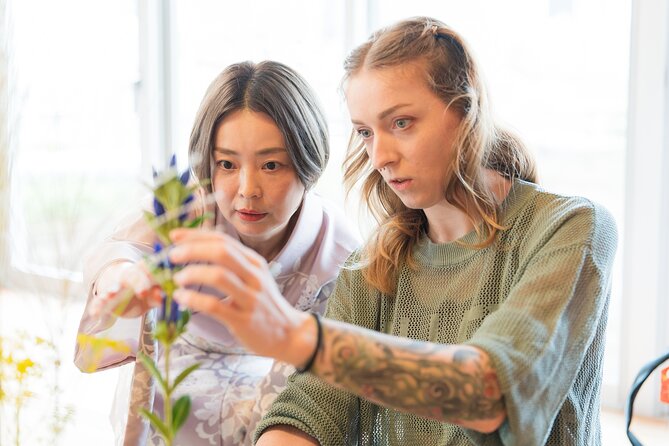
- Small class size: A maximum of five people allows Ai-sensei to give personal advice on branch length, leaf direction, and balance.
- Beginner-friendly format: You need no previous flower-arranging experience, and participants of all ages can join.
- A real cultural lesson: The session covers ikebana’s history, origins, tools, vases, flower types, and main styles.
- Free-style creativity: You learn basic rules, then make choices about height, shape, spacing, and which flower becomes the focus.
- Take-home flowers: Your arrangement and flower materials can continue brightening your hotel room or home.
- Central Tokyo setting: The class meets in Nakano City, near public transportation, at 1 p.m.
Why this Nakano ikebana class is worth your afternoon
Many Tokyo activities ask you to look, listen, and move on. This one gives you time to work with your hands. You handle branches, leaves, and flowers, then see how a tiny adjustment can change the whole arrangement.
That makes the class more than a simple craft workshop. It offers a practical introduction to a Japanese art form that can seem formal or difficult from the outside. The tone here is gentle and welcoming. You learn the basic ideas first, then put them to use without needing to memorize a long set of rules.
The small group matters. With no more than five participants, Ai-sensei can look closely at your work and offer specific suggestions. That may mean changing the direction of a branch, trimming a stem, removing a leaf, or adjusting the height of a chrysanthemum. These are small choices, but they show you how ikebana creates beauty through proportion and empty space.
I also like that each person begins with the same sort of flower materials but can finish with a different result. You are not being asked to copy one perfect model. You are encouraged to notice the character of each stem and make choices that suit your own idea.
A few more garden visits around Tokyo worth a look
- Aroma Massage with cherry blossom infused oil
★ 5.0 · 5 reviews - Bali Luxury Spa Massage and flower Bath 2 hour Treatmen
★ 4.5 · 167 reviews - Kuta: Flower Bath Massage Spa In Bali
★ 4.6 · 95 reviews
Arriving in Nakano at 1 p.m.
The meeting point is in Nakano City at 3-chōme 8, Nakano, Tokyo 164-0001. The class begins at 1 p.m. and ends at the same place after about an hour and a half.
The activity is described as being near public transportation, but the supplied details do not name a specific station or give walking directions. Check the exact meeting instructions on your mobile ticket before setting out. Allow enough time to locate the building, since arriving late could cut into a short workshop.
Nakano is a useful setting for this kind of activity. It is part of the greater central Tokyo area and is close enough to fit into a day that also includes Shinjuku, yet the class itself gives you a break from the city’s quick pace. The location is marketed near Shinjuku, but the actual address is in Nakano, so keep that distinction in mind when planning your day.
The room is described as clean, open, bright, and Japanese in style. That setting adds something important. Ikebana is not only about flowers in a container. The surrounding space, the quiet, and the amount of open area around the arrangement all affect how you see the finished work.
The introduction covers more than flower placement
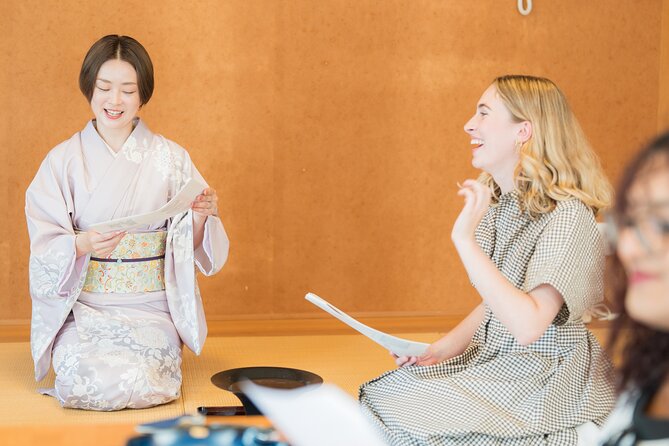
Ai-sensei begins with background before handing you the tools. You learn about the origins and development of ikebana, its place in Japanese culture, and the main styles of flower arrangement.
The class also introduces flower vases and tools, along with the names and qualities of the materials used that day. Seasonal flowers and branches are part of the appeal. The exact selection can change, so you may work with a different combination depending on the time of year.
This opening lesson is useful even if you have no interest in taking formal classes later. It explains why ikebana is not simply a matter of putting flowers in a vase until they look full. The art pays attention to line, direction, height, color, space, and the natural personality of a branch.
Ai-sensei also shows photographs of her own work. That gives you a visual sense of how different arrangements can be, and it provides a helpful point of reference before you start. You are not expected to arrive with an artistic plan.
Some of the most useful learning happens through comparison. Two arrangements can use the same number of flowers and still feel completely different. One may be open and light, another compact and centered. The class shows how personal decisions shape the result.
The hands-on work is calm, guided, and personal
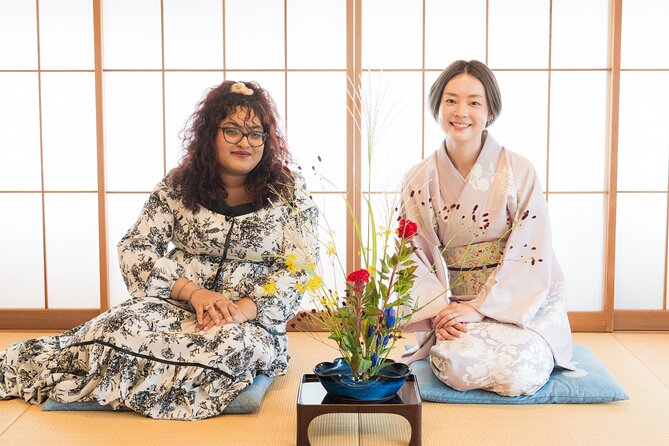
After the introduction, you create your own arrangement. The activity uses a beginner-friendly free style, sometimes described as free flower. You still learn basic principles, but you have room to express your own idea.
That balance is important. A completely unstructured craft session can leave you unsure where to begin. A strict lesson can make a first attempt feel like an exam. Here, Ai-sensei gives you a starting point and then helps you make the arrangement your own.
Expect advice on practical details such as:
- How long to cut each branch
- Which direction a leaf or stem should face
- How to create a pleasing height
- How to choose a main flower
- How to use empty space
- How one removed leaf can change the shape
- How to balance the arrangement in its vase
The guidance is especially helpful for beginners who think they have no artistic ability. You do not need to produce a museum piece. The goal is to understand the choices and enjoy the process.
You may find yourself working more slowly than usual. That is part of the attraction. Instead of rushing through a checklist, you pay attention to the shape of each branch and the way one flower relates to another. The activity has a mindful quality, but it does not require meditation or silence.
Ai-sensei’s teaching style is central to the experience. The information supplied describes her as patient, kind, and careful in her explanations. English guidance is available, which makes the activity a practical choice for international visitors who want more than a visual demonstration.
Same place, a different kind of green day out:
- Imperial Palace East Garden and Edo Castle Walking Tour in Tokyo
★ 5.0 · 510 reviews - Mt. Fuji Day Trip from Tokyo with English Speaking Driver Guide
★ 5.0 · 443 reviews - Tokyo: Imperial Palace East Gardens Walking Tour
★ 4.8 · 353 reviews - Mt. Fuji, Cherry Blossom & Shiba Sakura Pvt. Day Tour
★ 5.0 · 326 reviews
What you take home after the 90 minutes
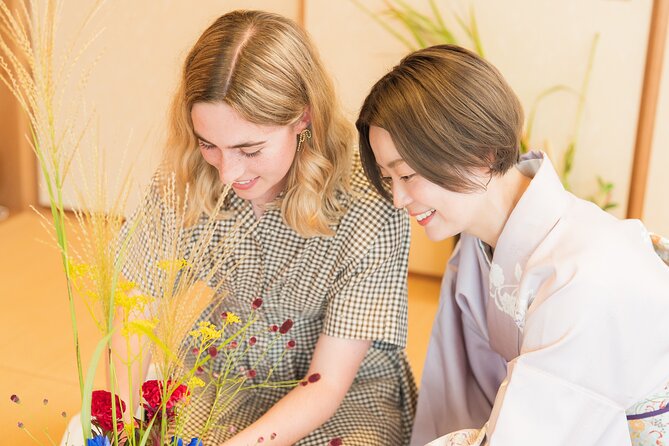
Your finished arrangement comes with you. You can enjoy it in your hotel room during the rest of your stay, then take the flowers home if your plans allow.
This is one of the better features for the price. A short cultural activity can fade quickly once you leave. A flower arrangement gives you a physical reminder of the afternoon, even if the flowers last only for a limited time.
You also leave with a better sense of how to handle flowers and display them. Several people who began with the idea that ikebana was too formal or difficult found that the class changed the way they looked at an ordinary vase of flowers.
The flowers are seasonal, so your arrangement will reflect the time of year. That adds variety for repeat visits, though the supplied information does not promise a particular flower or vase design on a given date. If you have your heart set on a certain plant, ask the provider before booking.
The finished work may not look exactly as you imagined. That is not a fault of the class. Ikebana asks you to respond to the material in front of you, and a branch may bend in an unexpected way or a flower may have a stronger personality than you expected. The process is part of the point.
The value of $52.71
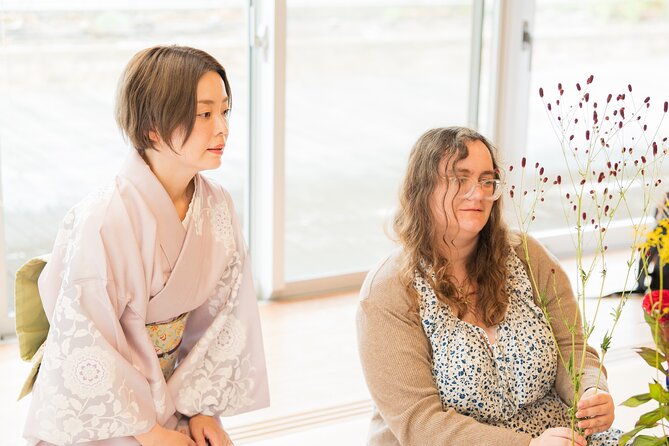
At $52.71 per person, this is not the cheapest way to fill an hour and a half in Tokyo. But price alone misses what is included: instruction, flower materials, use of tools and vases, cultural background, a small group, and a take-home arrangement.
You are paying for direct attention rather than a large demonstration. With a maximum of five people, the instructor has time to adjust your work instead of giving only general advice. That makes the cost easier to justify if you care about learning rather than simply taking part in a quick photo opportunity.
The class also works well as a break in a packed Tokyo schedule. You do not need a full day, special clothing, or previous experience. The 1 p.m. start leaves your morning free, and the activity ends at the original meeting point.
The value is weaker if you want a grand studio, a long formal lesson, or an elaborate finished arrangement to transport home. This is a compact introduction. It gives you a thoughtful taste of ikebana, not a professional certification or an advanced course.
The activity is booked an average of 22 days ahead, which suggests you should not leave it until the last minute if your dates are fixed. Since the booking is non-refundable and cannot be changed for any reason, compare the class time with your train, restaurant, and sightseeing plans before paying.
Who will enjoy this experience most
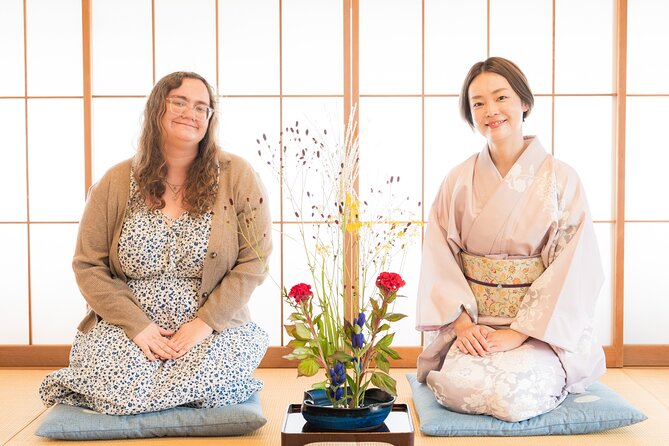
This class suits you if you want a cultural activity that is quiet, hands-on, and easy to fit into a Tokyo itinerary. It is especially good for first-timers who have always been curious about ikebana but felt that a formal lesson would be too intimidating.
It also works well for:
- Couples looking for a shared creative activity
- Friends who want something different from shopping and sightseeing
- Families with children or older relatives who can participate in the flower arrangement
- Colleagues seeking a calm group activity
- Solo visitors who appreciate personal instruction
- Anyone interested in Japanese design, seasonal flowers, or mindful creative work
The class is designed for all ages, and most people can participate. Still, remember that it involves handling flowers and tools. If you have specific mobility or other access needs, contact the provider before booking because the supplied details do not describe the room or equipment in detail.
Men are welcome, too. The teaching is about flowers, shape, and Japanese culture, not about fitting a narrow idea of who should enjoy flower arrangement. One of the nice features of this activity is that it treats ikebana as a creative practice open to anyone.
Who may want a different Tokyo activity
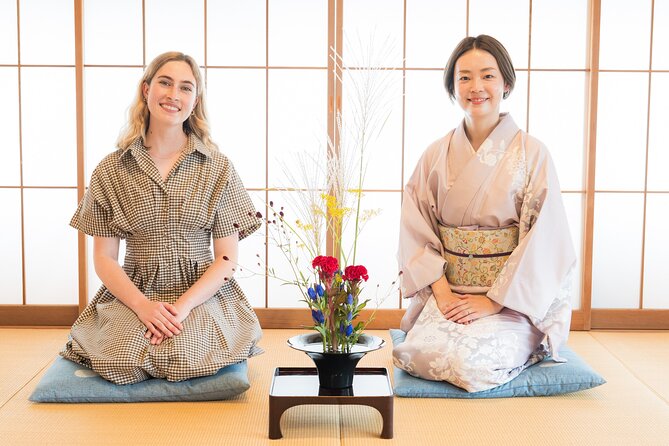
You may prefer another experience if you want a fast-paced activity, a major sightseeing stop, or a tour that includes several locations. This workshop stays in one place and concentrates on a single art form.
It may also disappoint if you expect to learn every ikebana school or master advanced technique in one session. The introduction covers the main styles and basic ideas, but the hands-on portion is aimed at beginners.
The short duration has a tradeoff. Ninety minutes is long enough to learn, create, and take home your flowers. It is not long enough for a detailed study of ikebana’s many schools, historical changes, and formal rules.
Finally, the no-refund policy is strict. This is the biggest practical drawback. Do not book it as a tentative placeholder while you work out the rest of your Tokyo schedule.
Simple planning advice for the class
Use the mobile ticket and meeting details to confirm the exact address before leaving. The start point is in Nakano City, and the activity returns to that same meeting point.
Plan for the full 90 minutes, plus time to arrive early. The class begins at 1 p.m., and a late arrival could mean missing the introductory explanation or part of the practical guidance.
You do not need to provide a passport number or flight information if you are already in Japan. If the booking form asks for those details, enter N/A as instructed.
Wear something comfortable enough for seated creative work. No special preparation is required, but your arrangement may need careful handling afterward. If you plan to carry it around Tokyo, think about how you will protect the flowers during the rest of the day.
The activity is near public transportation, but no specific station is supplied. Use the exact meeting information rather than relying only on the phrase near Shinjuku. Nakano is the address that matters.
Should you book the Tokyo ikebana experience?
Book this class if you want a personal, hands-on introduction to Japanese culture and like the idea of taking your creation back to your hotel. Ai-sensei’s patient instruction, the five-person limit, and the freedom to make individual choices give the session real substance.
At $52.71, it offers fair value for a small-group lesson with materials and a take-home arrangement. I would choose it over a larger demonstration if you want to understand how ikebana works by actually making one.
Skip it if your schedule is uncertain, you want a major Tokyo attraction, or you prefer a fast-moving tour. For everyone else, this is a pleasant way to spend an afternoon, with enough cultural context to make the flowers mean something after you leave.
FAQ
Where does the ikebana experience meet?
It meets at Japan, 164-0001 Tokyo, Nakano City, Nakano, 3-chōme 8, M SQUARE. The activity ends back at the same meeting point.
What time does the class start?
The class starts at 1 p.m. and lasts approximately 1 hour and 30 minutes.
Do I need previous ikebana experience?
No. The workshop is designed for beginners and participants of all ages, and Ai-sensei provides step-by-step guidance.
How many people can join the class?
The maximum group size is five participants.
Can I take my flower arrangement with me?
Yes. You can take your arrangement and flower materials with you to enjoy during your stay, including in your hotel room.
Do I need to provide passport or flight details if I am already in Japan?
No. If those fields appear during booking, enter N/A as instructed.
Just added around Tokyo
- Tsumami Zaiku Japanese Fabric Flower Class★ 5.0 · 3 reviews
- Tokyo: Serene Sakura & Sake: An Exclusive Brewery Pairing Lunch★ 5.0 · 2 reviews
- Tsukiji Food Strolling and Hama Rikyu Garden Walking Tour★ 5.0 · 7 reviews
- Private tour – Scenic Fuji Escape: Hakone, Peace Park & More★ 5.0 · 4 reviews
- Tokyo Cherry Blossom Half Day Walking Tour with a Local Guide★ 3.5 · 4 reviews
- TOKYO: Tailored Gardens tour with Pro Gardener by E-bike -BASIC★ 5.0 · 2 reviews
- Cherry Blossom Highlights, Asakusa, Ueno, Imperial Palace Garden★ 4.5 · 4 reviews
- Japan’s Customs of Ikebana Art, Tea Ceremony & Kimono Welcome★ 5.0 · 2 reviews
Tokyo Garden Tours, compared.
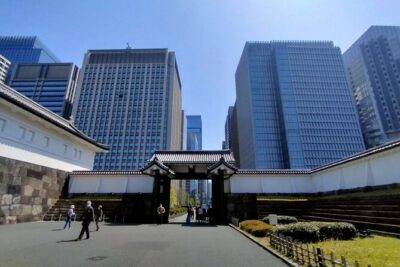
Imperial Palace East Garden and Edo Castle Walking Tour in Tokyo
Read our review →
Edo Castle & East Garden of the Imperial Palace Tour
Read our review →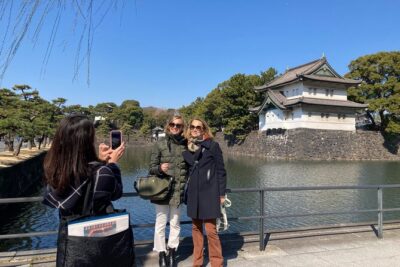
Tokyo Private Tour! Edo Castle & Imperial Palace East Gardens
Read our review →
Mount Fuji & Lake Kawaguchiko Private Tour: Beyond the Ordinary
Read our review →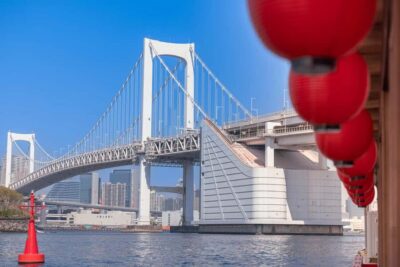
Rainbow Bridge Day Cruise Show and Only Soft Drinks
Read our review →
Tsukiji Market and Hama-rikyu Gardens Guided Tour
Read our review →Browse the lists this tour appears in