
Review · OSAKA
Osaka: Traditional Japanese Ikebana Flower Art Experience
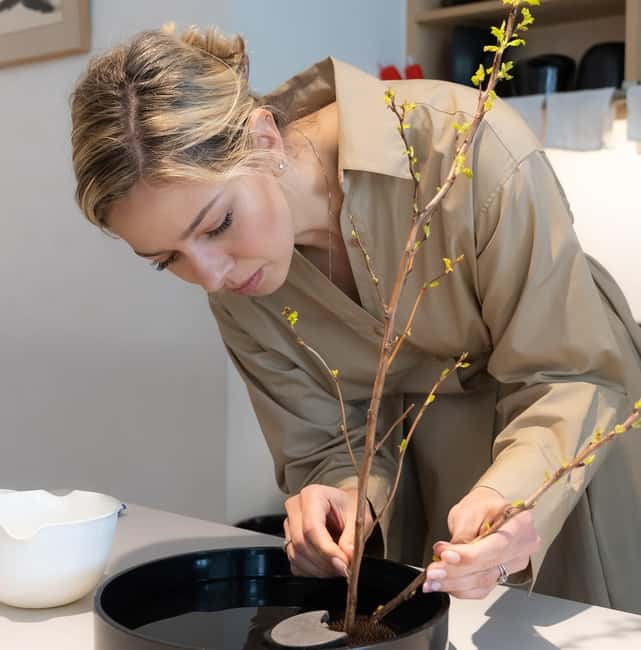
The best part of this Osaka experience is that you do not just look at Japanese flower art. You make it. In a calm modern gallery, Sogetsu master Fooraku guides you through the ideas behind balance, line, form, and space, then helps you shape your own arrangement.
I like the small group of six, which gives the session an intimate feel, and I like that you leave with practical skills rather than a one-time souvenir. The only drawback is the price: at $103 per person, it costs more than a casual cultural class, though the expert instruction and included materials help explain the fee.
Key points at a glance
- Learn from Fooraku, a Sogetsu senior master with more than 30 years of experience.
- Create your own arrangement using flowers, a container, and scissors supplied at the gallery.
- Work in an English-language class limited to six participants.
- Explore ikebana as a living art, not simply as decorative flower arranging.
- Take home practical techniques that can be used with everyday materials.
- Enjoy a cultural exchange afterward, with time to talk about Japanese life, food, and traditions.
A modern Osaka setting for an old Japanese art
The workshop takes place at VADE MECVM Showroom #2 in Kyomachibori, a quiet modern gallery in Osaka. That setting matters. Ikebana can look formal or even intimidating when presented behind glass, but here the clean design of the room supports the art without competing with it.
You enter a space built for focus rather than spectacle. There is no large sightseeing crowd and no long list of stops. The experience centers on flowers, tools, and the person sitting across from you. For many visitors, that change of pace is the point.
The gallery also gives the session a contemporary feel. Ikebana is more than a preserved custom from the past. The Sogetsu School is known for allowing artistic freedom and modern expression, and this class presents the art in that spirit. You learn traditional principles, but your finished piece does not need to look like a museum example.
The location is in Kyomachibori, and one verified booking described the stylish gallery as easy to reach. The supplied map is useful for confirming the exact entrance before you go. Since this is a showroom rather than a major tourist attraction, allow yourself a little time to find the correct building.
Other gardens people visit around Japan:
- Osaka: teamLab Botanical Garden Entry Ticket
★ 4.5 · 1,710 reviews - Imperial Palace East Garden and Edo Castle Walking Tour in Tokyo
★ 5.0 · 510 reviews - Mt. Fuji Day Trip from Tokyo with English Speaking Driver Guide
★ 5.0 · 443 reviews
Meeting Fooraku, the Sogetsu instructor
Your teacher is Fooraku, a senior master of the Sogetsu School with more than 30 years of experience. That gives the class a strong foundation. You are not learning from a guide who has memorized a short script about Japanese culture. You are working with a practitioner who has spent decades studying the discipline.
The instruction is in English, so you can ask questions and follow the demonstrations without needing Japanese. Fooraku introduces both the practical and cultural sides of ikebana. You learn how to handle the materials, but also why the arrangement depends on empty space, direction, proportion, and the character of each stem.
The small group size is important here. With a maximum of six participants, you should have room to work and a reasonable chance to receive individual guidance. A larger class might offer a lower price, but it would be harder for an instructor to discuss each person’s choices.
This is especially useful if you are new to ikebana. You do not need prior training, artistic experience, or special equipment. The course is open to complete beginners and art lovers alike.
What happens during the 1 hour 45 minute workshop
The full activity is marketed as a two-hour experience, while the hands-on ikebana workshop itself lasts about 1 hour and 45 minutes. That small difference is worth noting when you plan the rest of your day. You are booking a focused class, not a half-day outing.
An introduction to ikebana
The class begins with an explanation of ikebana and its place in Japanese culture. The art has more than a thousand years of history, but the lesson does not treat it as a frozen tradition. You are shown how ikebana continues to change through modern schools and personal expression.
This opening gives useful context without asking you to memorize a long timeline. The central idea is that flowers are not simply packed into a vase for color. The arrangement uses nature, structure, and open space to create a particular feeling.
You learn to look at the stems as lines and shapes. A crooked branch may be more interesting than a perfectly straight one. A gap between flowers may be as important as the flowers themselves. This is where ikebana begins to differ from an ordinary bouquet.
Same place, a different kind of green day out:
- Kyoto Zen Meditation & Garden Tour at a Zen Temple with Lunch
★ 5.0 · 441 reviews - Kyoto Arashiyama Bamboo forest & Garden Half-Day Walking Tour
★ 5.0 · 413 reviews - Tokyo: Imperial Palace East Gardens Walking Tour
★ 4.8 · 353 reviews - Mt. Fuji, Cherry Blossom & Shiba Sakura Pvt. Day Tour
★ 5.0 · 326 reviews
Learning the basic principles
Fooraku introduces the core ideas of balance, line, form, and space. These terms may sound abstract at first, but the hands-on work makes them easier to understand.
Balance does not always mean symmetry. One tall branch can be balanced by a lower cluster of flowers or by a deliberate area of empty space. Line guides the eye through the arrangement. Form gives the piece its body, while space prevents it from becoming crowded.
This approach is useful beyond the workshop. It teaches you to notice proportion and negative space in a new way. You may begin looking at plants, interiors, and displays with a more careful eye.
The class uses everyday materials, so the skills are not locked inside a formal studio. You can continue experimenting at home with seasonal flowers and basic household items. The goal is not to produce one perfect arrangement. It is to give you a way to make thoughtful choices.
Creating your own composition
Next, you make your own ikebana arrangement. Flowers, containers, and scissors are provided, so you do not need to shop beforehand or pack tools in your luggage.
This is the most personal part of the session. Each person works with the same broad principles, but the final result reflects individual choices and the particular shape of the materials. You decide how the stems relate to one another, how much open space to leave, and where the arrangement should direct the eye.
Do not expect a quick craft project with a single correct result. Fooraku’s role is to guide your decisions rather than replace them. You may receive suggestions about trimming, placement, or balance, but the composition remains your own.
That makes the class a good choice for visitors who want an activity with substance. You are not simply assembling a ready-made souvenir. You are learning a process that can be repeated after you return home.
Photographing the finished work
A commemorative photo captures your arrangement and the memory of the class. This is a useful touch because the flowers themselves may not travel well, and the arrangement is likely to change once you leave the gallery.
The photo also records your first attempt. If you continue practicing, it can be fun to compare it with later work. The experience gives you something more durable than a decorative object, namely a record of what you made and how you first approached the art.
Why the cultural exchange matters
After the practical session, there is time for relaxed conversation. You can talk about Japanese traditions, food, and daily life, and share something about your own culture in return.
This part is less structured than the workshop, which may appeal to you if you enjoy conversation with a local instructor. It also helps place ikebana in a wider context. The art is not only about flowers. It connects to seasonal awareness, design, patience, and the Japanese appreciation of nature.
The exchange is also a reason to choose this class instead of a purely technical lesson. You are given space to ask the questions that do not fit neatly into a demonstration. If you are curious about how Japanese customs fit into everyday life, this informal time can be one of the most memorable parts of the visit.
Keep your expectations sensible, though. The supplied details promise a chance to talk freely, not a formal cultural lecture or a full sightseeing program. The value comes from the personal interaction and the quiet setting.
The value of $103 per person
At $103 per person, this is a premium two-hour cultural activity. You can find cheaper flower-arranging classes, and Osaka has plenty of inexpensive ways to experience Japanese culture.
The price makes more sense when you consider what is included. You receive instruction from a Sogetsu senior master with more than 30 years of experience, all flowers and tools, a container for the arrangement, a commemorative photo, and the cultural exchange session. The class is also limited to six people, which supports more personal attention.
You are paying for access to an expert, not just for the flowers. The materials have value, but the lasting benefit is the ability to understand the choices behind an arrangement and repeat some of the techniques at home.
I would consider the cost worthwhile if you care about Japanese aesthetics, enjoy small-group activities, or want a more personal experience than a standard attraction. It may feel expensive if you only want a quick souvenir activity or if you have little interest in flowers and design.
The perfect audience is not necessarily an experienced artist. Beginners receive the most from the guided structure, while art lovers may appreciate the freedom of the Sogetsu approach.
Who will enjoy this Osaka experience
This workshop suits you if you want a quiet activity between busy sightseeing days. It does not require physical exertion, and the listed information states that the venue is wheelchair accessible.
It is also a strong fit for solo visitors. A six-person maximum creates a natural setting for conversation without the scale of a large tour. Couples and friends can work side by side, but each person still creates an individual piece.
Families and children may need to confirm suitability before booking, since no specific minimum age is provided. The class is open to beginners, but the information does not describe a separate children’s format.
Private and custom sessions are available upon request. If you want a more tailored lesson, or if you are arranging an activity for a special group, ask about those options before booking.
Plant allergies deserve attention. Tell the provider in advance if you have any plant allergies so the materials can be considered before the session.
Practical details that affect your choice
The class is conducted in English, with Fooraku serving as the instructor. The venue is VADE MECVM Showroom #2 in Kyomachibori, Osaka. Check the exact meeting point using the supplied Google Maps link before setting out.
The group is limited to six participants. That small size is one of the activity’s strongest practical features, but it can also mean fewer available places on popular dates.
You can cancel up to 24 hours before the activity for a full refund. The reserve-now, pay-later option gives you some flexibility while you build your Osaka schedule. Availability and starting times vary, so check the calendar before making plans around the class.
The activity is listed as roughly two hours, with the workshop itself described as about 1 hour and 45 minutes. I would allow a little extra time for arriving, settling in, and the closing conversation.
What the best parts really are
The high points are clear. Fooraku’s long experience gives the workshop authority, but the class remains accessible to a beginner. You are not expected to arrive with technical skill.
The stylish gallery is another advantage. It provides a peaceful, uncluttered room where the flowers receive your full attention. One verified booking specifically praised the venue and its convenient access, which supports the idea that the setting is part of the experience rather than a mere address.
The personal result is the strongest feature. You create something unique, receive a photo of it, and gain methods that can be used with future flowers. That gives the class more lasting value than an activity where you simply watch a demonstration.
The cultural exchange also receives strong emphasis. You have time to discuss Japanese life and traditions instead of leaving as soon as the final stem is placed. The session can feel like a conversation as much as a lesson.
Should you book the ikebana workshop?
Book this experience if you want to make something, learn from a highly experienced Japanese instructor, and spend a quiet part of your Osaka trip in a modern gallery. It is especially well suited to first-time visitors who want culture in a personal, hands-on form.
I would skip it if your schedule is tight, your budget is limited, or you prefer large attractions and fast-moving tours. The $103 price needs to be comfortable, and the reward comes from careful attention rather than a long list of sights.
For the right person, this is a thoughtful introduction to ikebana. You leave with a finished arrangement, a commemorative photo, and a new way to look at flowers, space, and design. That is a fair return for two calm hours in Osaka.
FAQ
Where does the ikebana workshop take place?
The workshop takes place at VADE MECVM Showroom #2 in Kyomachibori, Osaka. A Google Maps link is provided to help you find the venue.
How long does the experience last?
The activity is described as approximately two hours. The hands-on ikebana workshop itself lasts about 1 hour and 45 minutes.
Who teaches the class?
Fooraku teaches the class. Fooraku is a senior master of the Sogetsu School with more than 30 years of experience.
Is the workshop taught in English?
Yes. The session is conducted in English.
Do I need previous ikebana experience?
No. The workshop is open to complete beginners, and no prior knowledge or special tools are required.
What materials are included?
Flowers, containers or vases, and scissors are provided. The activity also includes instruction and a commemorative photo of your arrangement.
How many people can join the class?
The workshop is a small-group experience limited to six participants.
Is the venue wheelchair accessible?
Yes. The activity information states that the venue is wheelchair accessible.
Should I mention a plant allergy before booking?
Yes. You should inform the provider in advance if you have any plant allergies.
Can I book a private session?
Yes. Custom and private sessions are available upon request.
Just added around Japan
- Tsumami Zaiku Japanese Fabric Flower Class★ 5.0 · 3 reviews
- Tokyo: Serene Sakura & Sake: An Exclusive Brewery Pairing Lunch★ 5.0 · 2 reviews
- Tsukiji Food Strolling and Hama Rikyu Garden Walking Tour★ 5.0 · 7 reviews
- Private tour – Scenic Fuji Escape: Hakone, Peace Park & More★ 5.0 · 4 reviews
- Tokyo Cherry Blossom Half Day Walking Tour with a Local Guide★ 3.5 · 4 reviews
- TOKYO: Tailored Gardens tour with Pro Gardener by E-bike -BASIC★ 5.0 · 2 reviews
- Cherry Blossom Highlights, Asakusa, Ueno, Imperial Palace Garden★ 4.5 · 4 reviews
- Japan’s Customs of Ikebana Art, Tea Ceremony & Kimono Welcome★ 5.0 · 2 reviews
Osaka Garden Tours, compared.
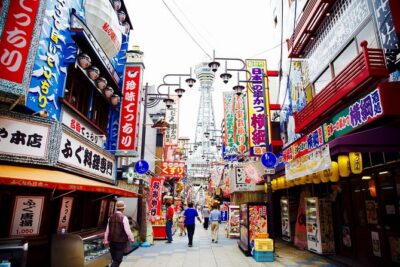
Private Car Full Day Tour of Osaka Temples, Gardens and Kofun Tombs
Read our review →
Private Car Day Trip to the Kobe Mountains, Gardens and Hot Springs from Osaka
Read our review →
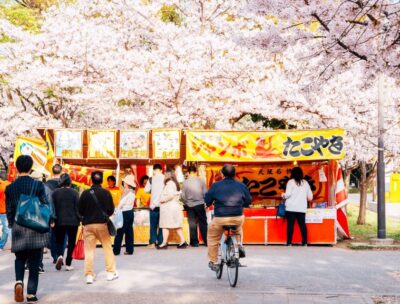
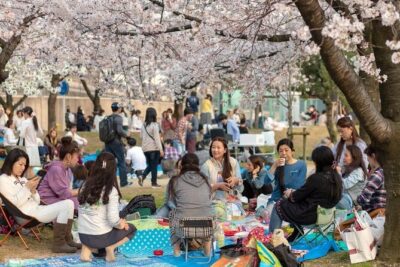
Osaka Private Cherry Blossom Tour with a Local – Picnic Included
Read our review →
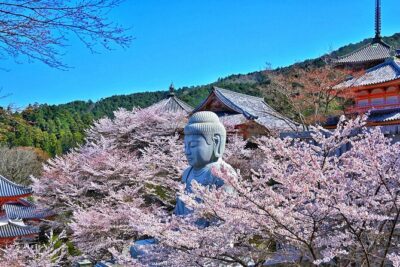
Cherry Blossom Buddha and Mt.Yoshino with Strawberry Picking Tour
Read our review →
Browse the lists this tour appears in