
Review · JAPAN
Colors of Kanazawa (Traditional Crafts and Gardens)
Kanazawa’s best surprise is how neatly this afternoon connects samurai history, famous gardens, and living craft. You walk from Oyama Shrine and Kanazawa Castle to Kenrokuen, then sit down with colorful dyes and make a small bag of your own.
I like the personal scale, with no more than 12 people, and I like the café break in Kenrokuen. Guides such as Sachiko, Saya, and Ian bring local context to places that can otherwise feel like quick photo stops. The drawback is that three hours goes quickly, and the tour includes walking between sights without transportation.
Key points to know before booking
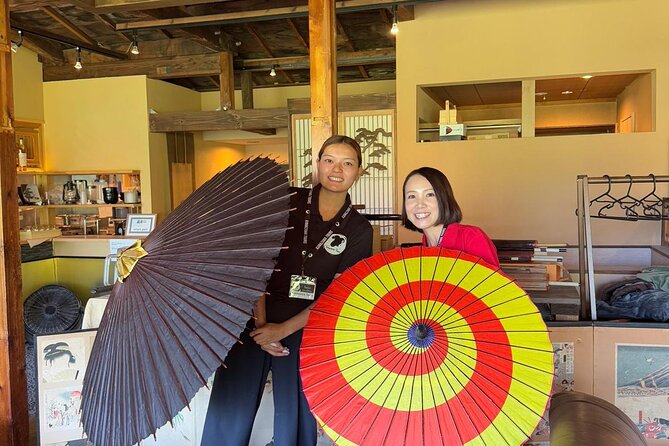
- Paint your own Kanazawa souvenir: The Kaga Yuzen activity gives you a small bag decorated with your own artwork.
- Three major sights in one afternoon: The route covers Oyama Shrine, Kanazawa Castle, and Kenrokuen Garden.
- A useful café pause: A beverage is included at a traditional café in Kenrokuen, with time to rest and enjoy the garden setting.
- Small groups matter: The maximum group size is 12, which allows more room for questions and personal help during the craft session.
- A guide-led introduction to local culture: Sachiko, Saya, and Ian are among the guides associated with this experience.
- Good value for a short tour: At $64.83 per person, the price includes guiding, admissions, a drink, and the textile activity.
Why this three-hour route works in Kanazawa
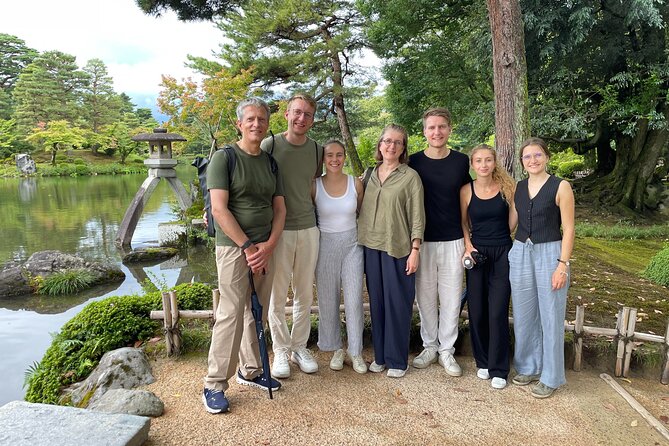
Kanazawa can feel scattered when you first arrive. The main sights are not all in one compact square, and the city’s appeal comes from several parts working together: castle history, formal gardens, old crafts, and local food and drink.
This tour gives you a sensible introduction without trying to cover the entire city. You begin at the Kanazawa Central Tourist Information Center at 1:30 p.m. and finish at the entrance to Kenrokuen Garden. That end point is useful because you can continue exploring the garden on your own after the tour or make your way to another nearby sight.
The route is not a bus tour. You should expect to walk between the stops, and transportation to and from the attractions is not included. For most people, that is part of the appeal. You see how the sights relate to one another rather than being delivered from one entrance to the next.
The small group limit is one of the strongest features. A group of up to 12 still feels social, but it gives you a reasonable chance to ask about architecture, customs, food, and the craft work. That personal feel is especially useful during the painting session, where a guide can help explain what you are doing.
A few more garden visits around Japan worth a look
- Osaka: teamLab Botanical Garden Entry Ticket
★ 4.5 · 1,710 reviews - Imperial Palace East Garden and Edo Castle Walking Tour in Tokyo
★ 5.0 · 510 reviews - Kyoto Zen Meditation & Garden Tour at a Zen Temple with Lunch
★ 5.0 · 441 reviews
Oyama Shrine: a quick start with local character
The first stop is Oyama Shrine, with about 20 minutes set aside for the visit. Admission is free, so you are paying for the guide’s explanation rather than an entry ticket.
The shrine is an effective opening because it introduces Kanazawa’s religious and civic past before you reach the castle. The tour presents the site as part of the city’s samurai story, giving you a cultural frame for the rest of the walk.
Twenty minutes is enough for an introduction, a look around, and photographs. It is not enough for a slow, detailed study of every feature. I would see this stop as a primer rather than the main event. If you already know the shrine well, the time may feel brief. If Kanazawa is new to you, a guide helps you notice details you could easily pass without understanding.
Guides are a major part of the experience here. Sachiko is described as thoughtful and flexible, and Saya has a warm connection to Kanazawa as a local guide. Ian brings a relaxed style and strong background in the city’s crafts and culture. The exact guide depends on the date, but the experience clearly relies on conversation rather than a recorded script.
Kanazawa Castle: samurai history without a long museum visit
From Oyama Shrine, the walk continues to Kanazawa Castle. The planned visit is also about 20 minutes, and admission is included.
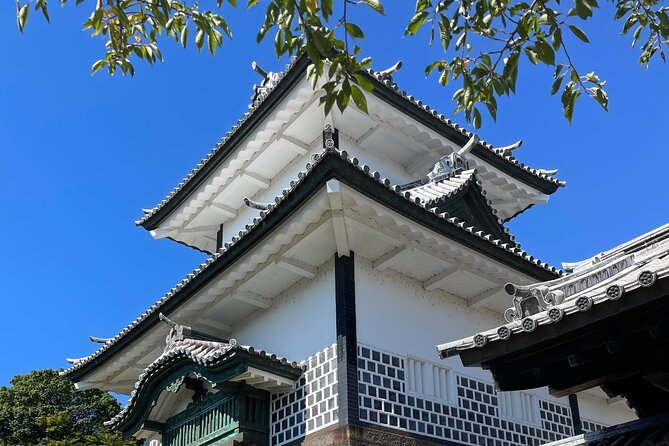
This is a short castle stop, so set your expectations correctly. You are not signing up for a full castle complex tour or a long indoor museum visit. Instead, you get a focused look at the site and its place in Kanazawa’s samurai past.
That approach works well for an afternoon that also includes a garden and a craft workshop. You receive enough background to understand why the castle matters, then keep moving before the history becomes too heavy. The guide can connect the castle to the city’s wider culture, which is more useful than simply photographing a gate and moving on.
The main limitation is time. If you want to inspect every structure, read every display, or linger over the castle grounds, you will need to return separately. The tour is designed to give you context and orientation, not to replace a full independent visit.
Kenrokuen Garden: the longest and most relaxed stop
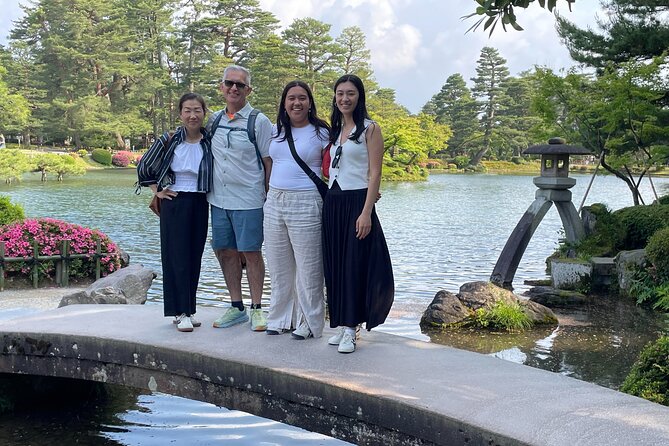
Kenrokuen receives about 45 minutes, making it the longest sightseeing portion of the route. Entrance is included, and a beverage at a traditional café is part of the experience.
Kenrokuen is one of Japan’s most celebrated gardens, and the tour gives you time to see it at a calm pace. The garden is not simply a place to rush through for a few photographs. Its appeal comes from the way paths, water, trees, bridges, and open views are arranged for changing perspectives.
A guide can help you read the garden as a designed place rather than a collection of attractive scenes. You may learn why certain views were created, how the garden fits into Kanazawa’s history, and what makes Japanese garden design feel different from a Western park.
Forty-five minutes is enough for a pleasant guided walk, but it may not satisfy you if gardens are your main reason for visiting Kanazawa. Since the tour ends at the Kenrokuen entrance, you can stay longer afterward. That is one of the route’s best practical features. You get an introduction with a guide, then have the option to explore at your own speed.
The café pause adds welcome balance. After walking through the shrine, castle grounds, and garden, sitting down with a drink gives you time to absorb what you have seen. It also keeps the afternoon from feeling like a nonstop chain of explanations.
Same place, a different kind of green day out:
- Mt. Fuji Day Trip from Tokyo with English Speaking Driver Guide
★ 5.0 · 443 reviews - Kyoto Arashiyama Bamboo forest & Garden Half-Day Walking Tour
★ 5.0 · 413 reviews - Tokyo: Imperial Palace East Gardens Walking Tour
★ 4.8 · 353 reviews - Mt. Fuji, Cherry Blossom & Shiba Sakura Pvt. Day Tour
★ 5.0 · 326 reviews
The Kaga Yuzen activity gives the tour a personal ending

The hands-on textile session is the part that makes this more than a standard sightseeing walk. You paint a small traditional bag using colorful textile dyes under the direction of a local craftsperson, then take the finished bag home.
Kaga Yuzen is associated with Kanazawa’s textile tradition, and a short workshop cannot teach every stage of the craft. It can, however, show you something important: decorative work depends on control, patience, and a careful eye. You are not just buying a souvenir with a Kanazawa label. You are making one.
The activity is suitable for families, couples, and first-time visitors because it does not require you to arrive with artistic training. The point is participation, not producing museum-quality work. Your bag will be personal, and that is part of its value.
The reviews of this experience place particular emphasis on how interactive the craft session feels. That matches the design of the afternoon. You first see cultural sites, then try your hand at one of the city’s traditional art forms. The connection is much stronger than hearing a brief explanation and walking away.
You should allow yourself to enjoy the process without worrying about making a perfect design. The guide and artisan are there to explain the technique and help you work with the materials. The finished tote or small bag is compact, useful, and easier to pack than a fragile ceramic or large art piece.
What the guides add to the afternoon
A tour like this depends heavily on the guide. The route itself is attractive, but the experience becomes worthwhile when someone can explain what you are seeing in clear English and adjust the pace to the group.
Sachiko is associated with a friendly, attentive style. She is also described as flexible, which matters when a group has different interests or when you want practical suggestions for the rest of your stay. Her restaurant recommendations were a useful extra for some people on the tour.
Saya brings a local connection to Kanazawa and combines the sightseeing with conversation, humor, and the painting session. Ian is described as relaxed and well informed about the city’s crafts, skills, and cultural sites.
Those details suggest an experience that is more personal than a large scheduled walk. Still, the guide is assigned rather than selected by you, so you should not book with the expectation that one particular person is guaranteed. The listed guides show the kind of approach you can expect: friendly, flexible, and focused on local culture.
Is $64.83 a fair price?
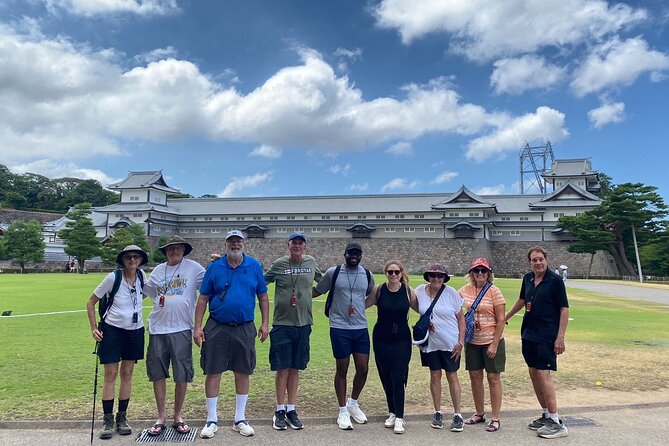
At $64.83 per person, the tour is reasonably priced if you want several elements in one afternoon. The fee includes the professional guide, local taxes, entrance fees, a drink, the textile dyeing activity, and the bag with your artwork.
The craft session is the key value. If you were to visit the garden and castle independently, you might spend less on guiding, but you would not receive the organized activity or the personal explanation that comes with it. The bag also gives you a physical reminder of the afternoon rather than only photographs.
The price makes less sense if you prefer to move slowly and independently. You may want much longer at Kenrokuen, more time at Kanazawa Castle, or a full workshop devoted to textile technique. In that case, this tour works best as an introduction, followed by deeper visits on your own.
The average booking time is 74 days in advance. That does not guarantee that every date sells out, but it does suggest that planning ahead is sensible, particularly if you want a specific afternoon during a busy Japan itinerary.
Timing, walking, and practical details

The meeting point is the Kanazawa Central Tourist Information Center at 1:30 p.m. The tour lasts about three hours and ends at the entrance to Kenrokuen Garden, at 1-19 Kenrokumachi.
Because transportation between attractions is not included, wear comfortable shoes and be prepared to walk outdoors. The tour requires good weather. If poor weather causes cancellation, you are offered another date or a full refund.
Mobile tickets make arrival simple, and confirmation is provided when you book. Service animals are allowed, and most people can participate. The tour is near public transportation, though the supplied details do not specify a private transfer or vehicle service.
You receive free cancellation with a full refund if you cancel at least 24 hours before the start time. Changes or cancellations inside that 24-hour window are not accepted and are not refunded.
Who should choose Colors of Kanazawa?
I would choose this tour if you are visiting Kanazawa for the first time and want a clear introduction to the city’s main cultural themes. It is especially useful if you like to combine sightseeing with a hands-on activity.
It also suits families and couples who want a souvenir with a story behind it. Painting your own bag creates a shared activity without requiring a full day or advanced skill.
The tour is a good match for you if:
- You want a small group rather than a large coach tour.
- You enjoy gardens, historic sites, and traditional crafts in equal measure.
- You prefer a guide who can answer questions and offer local suggestions.
- You have only one free afternoon in Kanazawa.
- You want an activity that works for both adults and children.
- You like ending a tour near a major sight where you can continue alone.
It may not be right for you if you dislike walking, need a fully private itinerary, or want extensive time inside Kanazawa Castle and Kenrokuen. Art specialists may also prefer a longer workshop focused only on Kaga Yuzen.
Should you book this Kanazawa walking tour?
Book it if you want a friendly cultural overview with something to take home. The route covers three important places, the garden café break softens the pace, and the textile activity gives you a more direct connection to Kanazawa’s craft tradition.
I would not book it as a complete study of the castle, garden, or Kaga Yuzen. Three hours can only introduce each subject. But as a first afternoon in Kanazawa, it is a smart use of time, particularly for visitors who value conversation, local context, and a small group.
The strongest reason to choose it is the balance. You see the city, hear its story, rest over a drink, and make your own souvenir. That combination gives the afternoon more personality than a sightseeing route built only around monuments.
FAQ
How long does the Colors of Kanazawa tour last?
The tour lasts approximately three hours.
What time does the tour begin?
The start time is 1:30 p.m.
Where does the tour begin?
The meeting point is the Kanazawa Central Tourist Information Center, located at 4-1 Minamicho, Kanazawa, Ishikawa 920-0919.
Where does the tour end?
The tour ends at the entrance to Kenrokuen Garden at 1-19 Kenrokumachi, Kanazawa, Ishikawa 920-0936.
What places are included in the walking route?
The route includes Oyama Shrine, Kanazawa Castle, and Kenrokuen Garden.
Is the Kenrokuen entrance fee included?
Yes. Entrance fees, including the Kenrokuen admission, are included.
What craft activity is included?
You paint a small traditional bag using textile dyes under guidance from a local artisan. You take the bag with your own artwork home.
Is transportation between the attractions included?
No. Transportation to and from the attractions is not included. The experience is an afternoon walking tour.
What is the cancellation policy?
You receive a full refund if you cancel at least 24 hours before the start time. Cancellations or changes made less than 24 hours before the tour are not accepted or refunded. If poor weather causes the tour to be canceled, you are offered another date or a full refund.
Just added around Japan
- Tsumami Zaiku Japanese Fabric Flower Class★ 5.0 · 3 reviews
- Tokyo: Serene Sakura & Sake: An Exclusive Brewery Pairing Lunch★ 5.0 · 2 reviews
- Tsukiji Food Strolling and Hama Rikyu Garden Walking Tour★ 5.0 · 7 reviews
- Private tour – Scenic Fuji Escape: Hakone, Peace Park & More★ 5.0 · 4 reviews
- Tokyo Cherry Blossom Half Day Walking Tour with a Local Guide★ 3.5 · 4 reviews
- TOKYO: Tailored Gardens tour with Pro Gardener by E-bike -BASIC★ 5.0 · 2 reviews
- Cherry Blossom Highlights, Asakusa, Ueno, Imperial Palace Garden★ 4.5 · 4 reviews
- Japan’s Customs of Ikebana Art, Tea Ceremony & Kimono Welcome★ 5.0 · 2 reviews
Japan Garden Tours, compared.
Imperial Palace East Garden and Edo Castle Walking Tour in Tokyo
Read our review →
Kyoto Zen Meditation & Garden Tour at a Zen Temple with Lunch
Read our review →
Kyoto Arashiyama Bamboo forest & Garden Half-Day Walking Tour
Read our review →

Authentic Kyoto Tea Ceremony: Camellia Flower Teahouse
Read our review →

Edo Castle & East Garden of the Imperial Palace Tour
Read our review →Browse the lists this tour appears in