
Review · KYOTO
Authentic Kyoto Tea Ceremony: Camellia Flower Teahouse
Kyoto’s tea ceremony is less about drinking tea than learning how small actions carry meaning. At Camellia Flower Teahouse, you watch a formal demonstration, learn why the utensils and room arrangement matter, then make your own bowl of frothy matcha. The 45-minute format keeps the experience focused.
I like the small group limit of eight, which gives you room to ask questions without turning the ceremony into a stage show. I also like the practical ending: you do not just watch a tea master, you handle the scoop and whisk yourself. The main drawback is that the ceremony takes place in a small, plain room, and the experience is not wheelchair accessible.
Key details at a glance
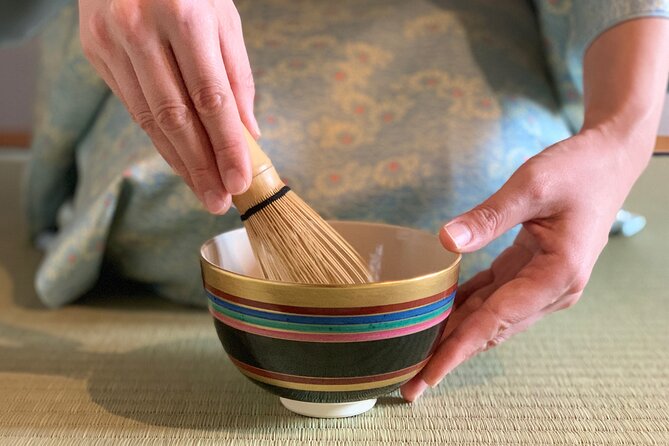
- You make your own matcha: Tea bowls, scoops, and whisks are provided, with instruction from an English-speaking host.
- The ceremony lasts about 45 minutes: It fits neatly between sightseeing stops in Higashiyama.
- You receive a seasonal sweet: The sweet balances the bitter matcha and forms part of the traditional tea service.
- Groups stay small: The maximum is eight people, though group discounts may be available.
- You can sit at a table: Floor seating is usual, but chairs and tables can be arranged.
- Kimono rental is separate: You can request it by message for an additional charge.
What the Camellia ceremony actually teaches you
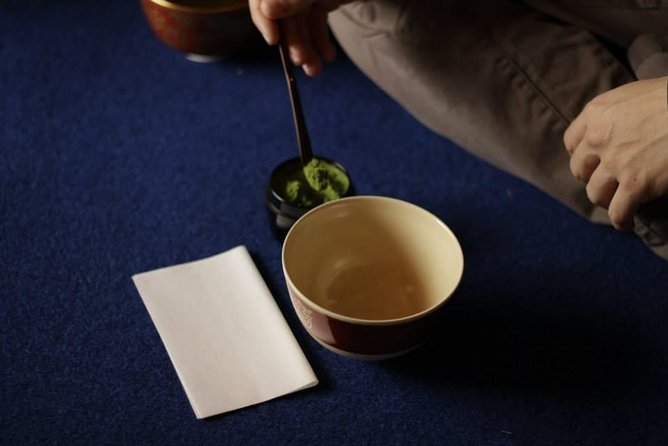
Many first-time visitors expect a tea ceremony to be a long, silent performance. This one is more welcoming and hands-on. Your host begins with a short introduction to matcha and the place of tea ceremony in Japanese culture, then explains the steps before performing them.
That preparation matters. Without it, the gestures can look beautiful but mysterious. With it, you begin to notice the order of the room, the placement of the utensils, the cleansing with water, and the care given to the person receiving the tea.
The ceremony connects tea with Kyoto’s wider culture. You hear about history, architecture, taste, respect, and mindfulness rather than learning only how to whisk green powder. The host also leaves time for questions, so you can ask about Japanese customs, matcha, or the ceremony’s traditions.
All instructors speak English fluently and come from one of Kyoto’s three main schools of tea ceremony. No individual instructor names are provided in the booking information, but the teaching style is clearly part of the experience. The best guides explain the ritual without making you feel that you are about to fail an exam.
Other gardens people visit around Kyoto:
- Kyoto Zen Meditation & Garden Tour at a Zen Temple with Lunch
★ 5.0 · 441 reviews - Kyoto Arashiyama Bamboo forest & Garden Half-Day Walking Tour
★ 5.0 · 413 reviews - Kyoto: Zen Garden, Zen Mind (Private)
★ 5.0 · 126 reviews
Entering the Higashiyama tea room
The meeting point is Tea Ceremony Camellia FLOWER at 349-13 Masuyacho in Kyoto’s Higashiyama Ward. The location is near public transportation and sits in one of Kyoto’s most convenient areas for combining cultural activities.
You meet at the teahouse and finish at the same place. There is no hotel pickup or drop-off, so plan your route before the start time. Higashiyama can be busy with sightseeing traffic, and a few extra minutes will help you arrive calm rather than rushing through the door.
The room itself is traditional but modest. One description calls it small and plain, while other accounts emphasize the bamboo flooring, flower arrangement, and peaceful mood. I would set your expectations correctly: you are paying for instruction and participation, not an elaborate theatrical set.
That simplicity suits the subject. Tea ceremony places value on restraint, seasonal details, and careful attention. Still, if you want a grand room or a highly polished performance space, this may feel more practical than luxurious.
Watching the formal tea preparation
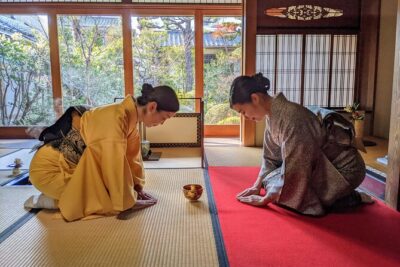
Before you prepare your own drink, the host demonstrates the ceremony. You learn about the tools, including the tea bowl, tea scoop, and bamboo whisk. The host also explains why the room’s decoration and layout matter.
The ceremony includes deliberate gestures that can seem precise to a first-time participant. Water is used in a cleansing step, and the preparation follows an established order. The point is not speed. It is care, respect, and attention to the person receiving the tea.
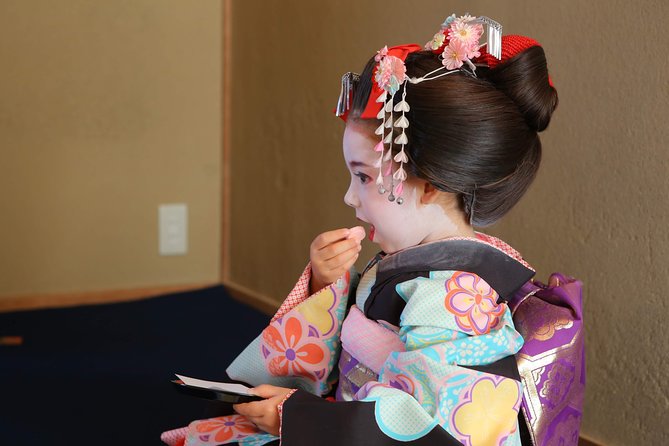
You also receive a seasonal sweet with your matcha. This is more than a small snack. Its sweetness helps balance matcha’s grassy bitterness, and it gives you a useful taste comparison as you learn how the drink is served.
The demonstration is a good part of the experience for children and adults. Children as young as six can join, and several families found the format approachable for children aged seven and eight. The lesson gives younger visitors something to do, rather than asking them to sit silently through a ceremony they may not understand.
Making your own frothy bowl of matcha
The most useful part comes at the end, when you prepare your own bowl. You receive the basic tools and guidance on how to make matcha, including the whisking technique needed to create a frothy surface.
This turns the ceremony into a lesson you can remember at home. Watching an expert perform each movement is one thing. Trying to make a smooth, well-whisked bowl yourself shows why the craft takes practice.
Do not worry about producing a perfect bowl. The value is in learning the method and feeling the difference between simply stirring powder into water and preparing matcha with the proper tools. You can ask questions as you work, and the instructor helps you understand the process rather than treating mistakes as a problem.
The practical section also gives the 45-minute experience a good shape. You begin with context, observe the ritual, taste the tea and sweet, then finish by taking part. It feels complete without becoming a full afternoon commitment.
Same place, a different kind of green day out:
- Kyoto Kiyomizu Tea Ceremony with Scenic Garden Views
★ 5.0 · 101 reviews - Kyoto: Private Tea Ceremony with a Garden View
★ 4.9 · 61 reviews - Bamboo Grove Temple and Garden Views Tour
★ 5.0 · 41 reviews - Stunning Private Tea Ceremony: Camellia Garden Teahouse
★ 5.0 · 28 reviews
Why the 45-minute length works
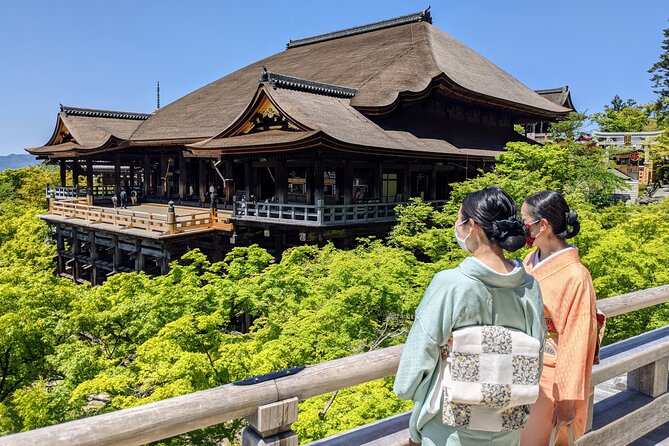
At about 45 minutes, this ceremony is easy to fit into a Kyoto day. You can schedule it between visits in Higashiyama without giving up half a day of temple sightseeing.
I like the pace for first-time visitors. You receive enough background to understand the ritual, but you are not expected to study every detail of an extensive tea school curriculum. The short length also works well for families, couples, and people who want one cultural activity without committing to a longer formal lesson.
The tradeoff is that the session may feel brief if you already have a strong interest in tea ceremony. One family found it a little short, even while enjoying it. If you want a private, slower lesson with more time for conversation, ask about a private option before booking. The available information confirms that the standard group has a maximum of eight, but it does not give private-tour pricing or details.
Choosing floor seating, chairs, or a kimono
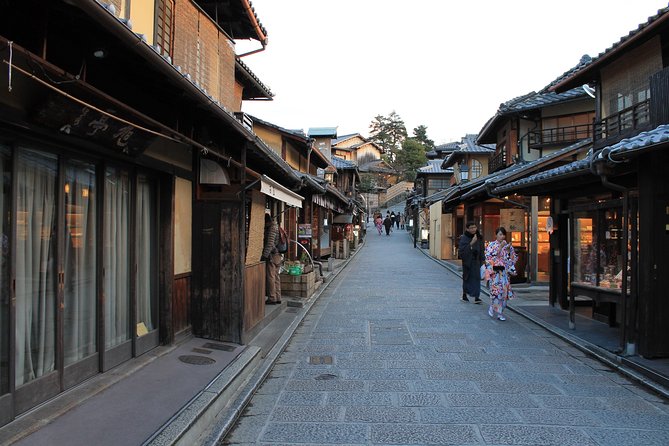
Traditional floor seating is available, but chairs and tables can be arranged if you prefer. This is useful if sitting on the floor is uncomfortable or if you are traveling with children who may struggle with formal seated positions.
The experience is not wheelchair accessible, so this should be a deciding factor before you reserve. Service animals are allowed, and the venue is near public transportation.
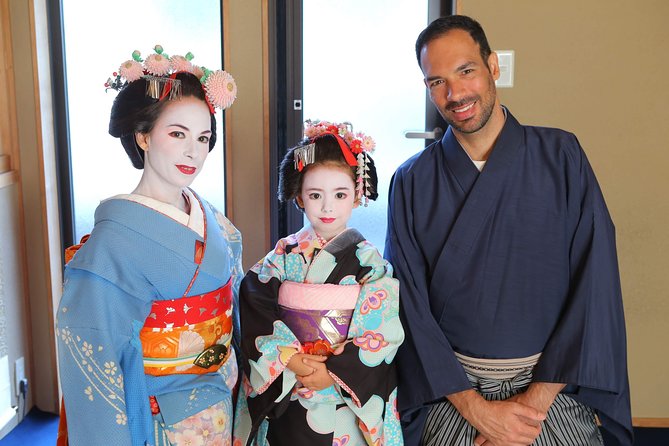
Kimono rental is not included in the $36.48 price. You can request it by message for an additional charge. Dressing in a kimono can make the photographs and the ritual feel more special, and several people found the option worthwhile. The provided details also indicate that staff may help with dressing and a quick updo when this option is arranged.
I would not call the kimono necessary. The tea lesson works perfectly well in regular clothing, and adding traditional dress means extra time, cost, and preparation. Choose it if the visual side of the experience matters to you, especially for a special occasion.
The value of $36.48 per person
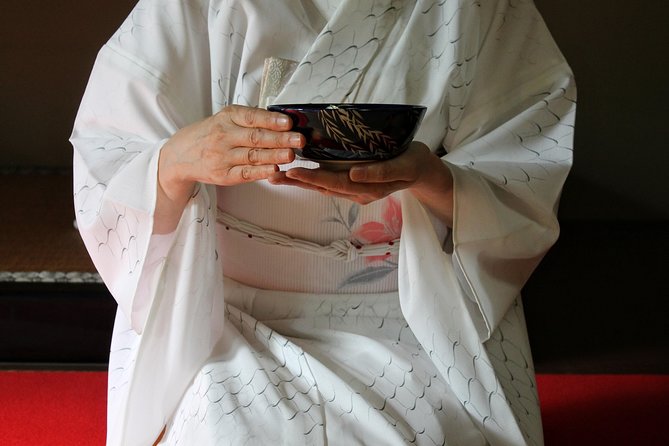
At $36.48 per person, this is a reasonable price for a short cultural lesson in central Kyoto. The cost includes the ceremony, instruction, seasonal sweet, matcha, tea bowl, scoop, and whisk for your own preparation.
You are not paying simply for a cup of tea. You are paying for access to a structured ritual, an English-speaking instructor, cultural explanations, and the chance to practice the method yourself. That makes the price easier to justify than a basic tea tasting.
The value depends on what you want from Kyoto. If you only want to sample matcha, a café will cost less and take less time. If you want to understand why the drink is prepared in a particular way, this experience gives you much more.
Group discounts are available, though the amount is not specified. The maximum of eight keeps the lesson from becoming a large class, but the experience is still shared rather than fully private.
The tone: calm, friendly, and open to questions
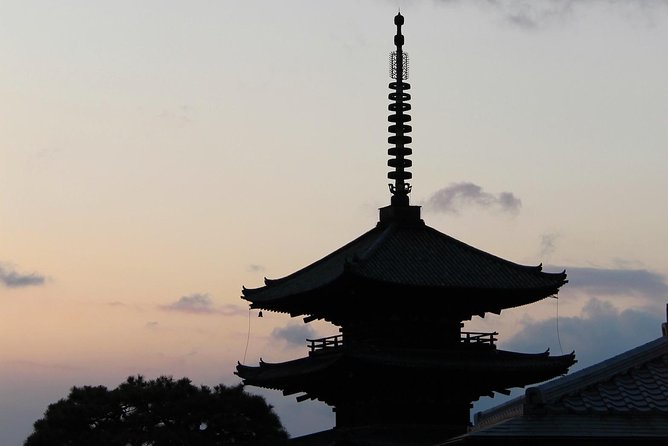
The strongest feature here is the teaching. The hosts are described as friendly, gracious, polite, and easygoing. They explain the ceremony in English, answer questions, and make an unfamiliar custom feel approachable.
That matters because tea ceremony has rules that can make first-time visitors nervous. You may wonder when to bow, how to hold the bowl, or whether you are using the whisk correctly. A patient host turns those concerns into part of the lesson.
The ceremony also provides a welcome pause after a busy morning around Kyoto. You sit, listen, taste, and work with your hands. The quiet atmosphere can feel calming after walking between temples and crowded streets.
At the same time, do not expect an elaborate show. The mood depends on the instructor and the small room. One description found the room plain and the overall presentation average, while most of the available ratings were very positive, with a 4.8 score from 269 ratings and 95 percent recommending the experience. That range gives you a fair picture: the cultural instruction is the main attraction, not luxury staging.
Who will enjoy this most
I would recommend Camellia Flower Teahouse to:
- First-time visitors who want a clear introduction to Japanese tea ceremony
- Families with children aged six and older
- People who want to learn matcha preparation rather than only drink it
- Couples looking for a quiet cultural activity
- Visitors staying or sightseeing in Higashiyama
- Anyone interested in Japanese customs, utensils, and formal hospitality
It is less suited to you if you require wheelchair access, want a large ceremonial hall, or expect a long and highly formal performance. It may also feel too short if you already have experience with tea ceremony and want advanced instruction.
The activity is suitable for all ages within the stated limit, but children under six cannot join. Chairs and tables make it more flexible than a strictly floor-seated ceremony.
Planning your visit in Higashiyama
Because pickup is not included, you need to reach the meeting point on your own. Use the address, allow time for public transportation and walking, and arrive ready to begin at the scheduled time.
The ceremony ends back at the same meeting point, which makes it simple to continue sightseeing afterward. Higashiyama is a useful base for a full day of cultural stops, so you can pair the tea session with nearby sights without arranging a separate transfer.
The mobile ticket is convenient, and confirmation arrives at booking. Free cancellation is available if you cancel at least 24 hours before the start time. Changes or cancellations inside that window are not refunded, and the stated policy says poor weather can lead to a different date or a full refund.
Should you book Camellia Flower Teahouse?
Book it if you want a friendly, practical introduction to matcha and the meaning behind the tea ceremony. The small group, fluent English instruction, seasonal sweet, and chance to make your own bowl give the experience real substance for its short length.
I would skip it only if wheelchair access is essential, you want a grand setting, or you have already studied tea ceremony and need a longer private session. For most first-time visitors, $36.48 buys more than a drink: it gives you a calm lesson in one of Kyoto’s most thoughtful traditions.
FAQ
Where does the tea ceremony take place?
It takes place at Tea Ceremony Camellia FLOWER, 349-13 Masuyacho in Kyoto’s Higashiyama Ward.
How long does the experience last?
The ceremony lasts approximately 45 minutes.
What is included in the price?
The experience includes the tea ceremony, instruction, a seasonal sweet, matcha, and the tea bowl, tea scoop, and whisk used to prepare your own bowl.
Can I make my own matcha?
Yes. At the end of the ceremony, each person has the opportunity to whisk and prepare their own bowl of matcha with instruction from the host.
Is the ceremony conducted in English?
Yes. The instructors speak English fluently.
How many people can join one group?
The maximum group size is eight people.
Can children participate?
Children can participate from age six. Children under six cannot join the experience.
Do I have to sit on the floor?
Floor seating is usual, but chairs and tables are available if preferred.
Is kimono rental included?
No. Kimono rental is not included in the listed price. You can request it by message for an additional charge.
Is the experience wheelchair accessible?
No. The experience is not wheelchair accessible. Service animals are allowed, and the venue is near public transportation.
Can I cancel for a refund?
You can receive a full refund if you cancel at least 24 hours before the experience begins. Cancellations or changes made less than 24 hours before the start time are not refunded or accepted.
Just added around Kyoto
- Kyoto-Nara Adventures Private Tour With Hotel Pick Up★ 4.0 · 5 reviews
- Ikebana Traditional Japanese Art of Flower Arranging★ 4.5 · 19 reviews
- Traditional Japanese Flower Styling Workshop – Ikebana in Kyoto★ 5.0 · 10 reviews
- Stunning Private Tea Ceremony: Camellia Garden Teahouse★ 5.0 · 28 reviews
- Kyoto Hidden Treasures: Special Temple & Garden Access Tour★ 4.5 · 25 reviews
- Zen Garden Making and Matcha Tasting in Handmade Pottery Shop★ 3.5 · 2 reviews
- Kyoto: Kinkaku-ji Temple & Serene Garden Guided Tour with Tickets★ 5.0 · 9 reviews
- Kyoto Golden Temple & Zen Garden: 2.5-Hour Guided Tour★ 5.0 · 2 reviews
Kyoto Garden Tours, compared.
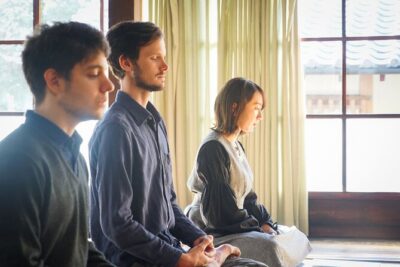
Kyoto Zen Meditation & Garden Tour at a Zen Temple with Lunch
Read our review →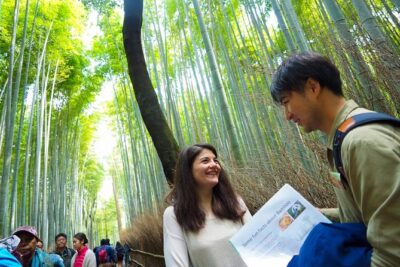
Kyoto Arashiyama Bamboo forest & Garden Half-Day Walking Tour
Read our review →
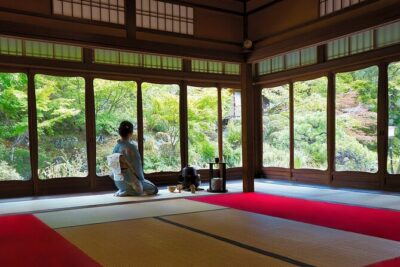
Kyoto Kiyomizu Tea Ceremony with Scenic Garden Views
Read our review →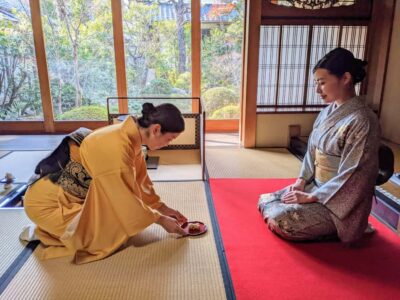
Stunning Private Tea Ceremony: Camellia Garden Teahouse
Read our review →
Kyoto Hidden Treasures: Special Temple & Garden Access Tour
Read our review →Browse the lists this tour appears in