
Review · KYOTO
Kyoto Kiyomizu Tea Ceremony with Scenic Garden Views
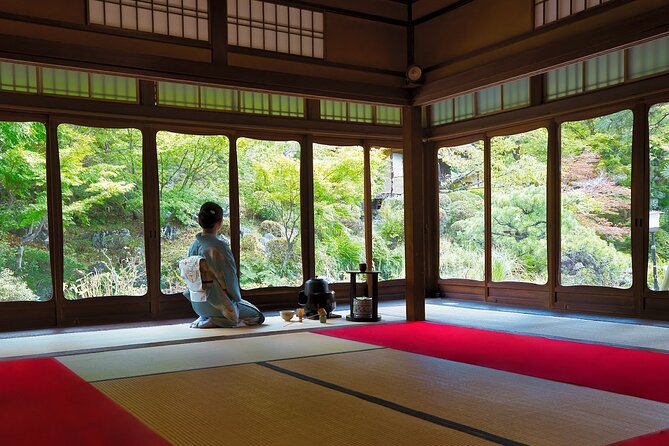
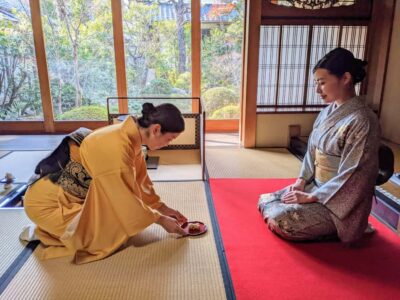
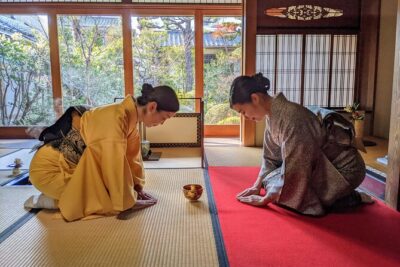
The special part of this Kyoto experience is the setting: you sit in a traditional tea room with broad garden views while a tea master prepares matcha through a careful sequence of movements. It gives you both a cultural lesson and a garden visit without requiring a full afternoon.
I like the small-group format, which makes it easier to ask questions, and I like that you get two cups of matcha: one prepared for you, then another you learn to make yourself. The main drawback is the price, $50.87 for about 45 minutes, which may feel high if you want only a quick taste of matcha.
- Garden-facing tea room: Watch the ceremony with seasonal Japanese scenery outside the windows.
- Two different matcha moments: Taste one cup prepared by the tea master, then learn how to whisk the second.
- Wagashi pairing: Traditional Japanese sweets provide a delicate first bite before the tea.
- Intimate group size: The session accepts no more than 12 people.
- Useful English guidance: An English-speaking host explains the rituals, symbols, and proper way to handle the bowl.
- Kiyomizu location: The tea house sits in the Higashiyama area, close to one of Kyoto’s most popular sightseeing districts.
A Tea Ceremony With a Garden Beyond the Windows
Kyoto offers plenty of quick cultural activities, but this one earns its place on your schedule by slowing things down. You enter Tea Ceremony SAKAGUCHIAN, also written as 茶道体験 阪口庵, at 3-chōme-334 Kiyomizu in Higashiyama. Inside, the focus shifts from the busy streets outside to the tea room, the garden, and the precise work of the tea master.
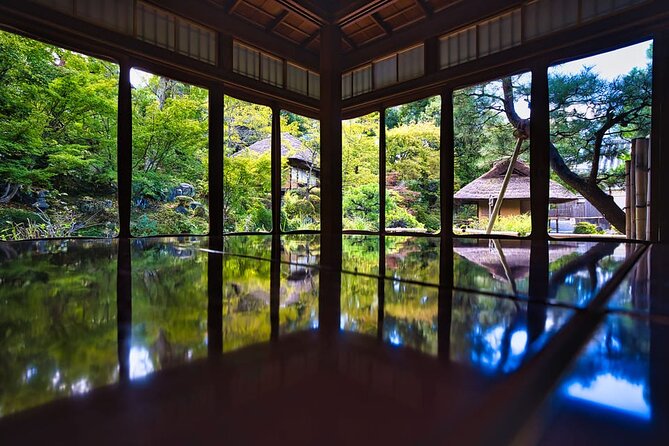
The garden view matters. A tea ceremony is not just about drinking matcha. The room, utensils, sweets, clothing, gestures, and view all form part of the experience. Here, the garden gives you something calm to look at while the ceremony unfolds, and the changing seasons add a different character to the visit.
The room has large windows or broad garden-facing openings, so you are not looking at a blank wall during the demonstration. In summer, air conditioning has been available, an important detail if you are visiting Kyoto during hot weather.
You should expect a quiet, respectful atmosphere rather than a theatrical show. The tea master’s movements are measured and deliberate. That pace may feel slow if you are trying to fit in as many sights as possible, but it is the point of the activity. You are being shown how attention and courtesy shape the ceremony.
What Happens During the 45 Minutes
The session begins in the tea room, where an English-speaking host introduces the ceremony and explains what you are about to see. The explanations cover the purpose of the rituals, the role of the utensils, and the cultural ideas connected with tea, including harmony, respect, purity, and tranquility.
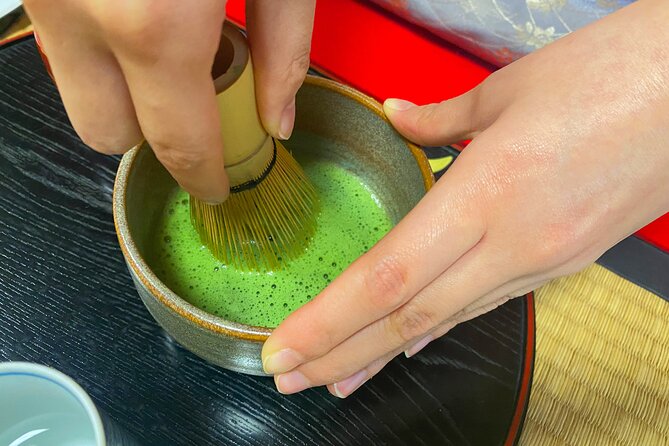
You then watch the tea master prepare matcha from scratch. The sequence includes purifying the utensils, handling the bowl, measuring the tea, adding water, and whisking the matcha until it becomes frothy. The gestures are small, but each one has a reason. This is the sort of detail you would miss if you simply ordered matcha in a café.
Your first cup is prepared for you. It comes with wagashi, a traditional Japanese sweet. The sweet is not just a dessert on the side. Its delicate sweetness balances matcha’s sharper, grassy taste and prepares your palate for the tea.
After watching the demonstration, you learn how to make the second cup yourself. The host or tea master explains how to hold the bowl, use the whisk, and create the right texture. You are not expected to master the craft in one sitting. The value is in understanding the process and taking part in it.
The session ends back at the meeting point. Two cups of matcha, wagashi, and photos are included. Video recording is not included, and kimono rental is also not part of the activity.
A few more garden visits around Kyoto worth a look
- Kyoto Zen Meditation & Garden Tour at a Zen Temple with Lunch
★ 5.0 · 441 reviews - Kyoto Arashiyama Bamboo forest & Garden Half-Day Walking Tour
★ 5.0 · 413 reviews - Kyoto: Zen Garden, Zen Mind (Private)
★ 5.0 · 126 reviews
The Ceremony Is About Small Movements
The most rewarding part is watching how much meaning can fit into a simple cup of tea. The tea master does not rush through the preparation. Cleaning a utensil, turning the bowl, and presenting the tea all receive careful attention.
The host’s English explanations help you follow the action. This matters because the ritual can otherwise look mysterious. You learn when to receive the bowl, how to turn it, and how to approach the tea with the proper respect. The instruction makes you an active participant rather than someone watching from the side.
The explanations also give context about the role of the tea master and the discipline required to perform the ceremony. This is not a demonstration of a single recipe. It is an introduction to a formal art passed down through generations.
You should keep your expectations realistic. In 45 minutes, you will get a clear introduction, not a full education in every school of tea or a long private lesson. One person found the activity thoughtful but brief for the price, and that is a fair point. You see the main movements and make matcha yourself, but only at an introductory level.
Why Two Cups Make a Difference
Many short tea activities serve one cup and end there. This experience gives you two cups, and the difference is useful.
The first cup lets you concentrate on the tea master’s movements. You can watch the sequence without worrying about your own technique. The second cup changes your role. You are no longer only observing. You are trying the whisk, following instructions, and seeing how the powder and water come together.
That structure gives the session a natural rhythm. First, you learn by watching. Then you learn by doing. Even if your whisking is not perfect, you will understand why freshly prepared matcha has foam and how its texture differs from ordinary brewed tea.
The taste may surprise you if you are used to sweetened matcha drinks. Traditional matcha is vivid, earthy, and more direct. The wagashi helps soften the first impression. Take the sweet before the tea, as instructed, and you will better appreciate the contrast.
The activity includes two cups, but you should not treat it as a full meal. Wagashi is a small traditional sweet, not a substantial snack. If you are scheduling this between major Kyoto sights, eat beforehand or plan a meal afterward.
Garden Views and the Kiyomizu Setting
The tea house is in Kiyomizu, one of Kyoto’s most atmospheric sightseeing areas. The exact address is 3-chōme-334 Kiyomizu, Higashiyama Ward, Kyoto, postal code 605-0043. The activity begins and ends at Tea Ceremony SAKAGUCHIAN.
The location works well as a pause during a day in eastern Kyoto. You can use the ceremony to break up sightseeing rather than treating it as a separate trip across the city. Afterward, the surrounding Kiyomizu area gives you plenty to see, including traditional streets and historic buildings, though the activity itself does not include a guided walk.
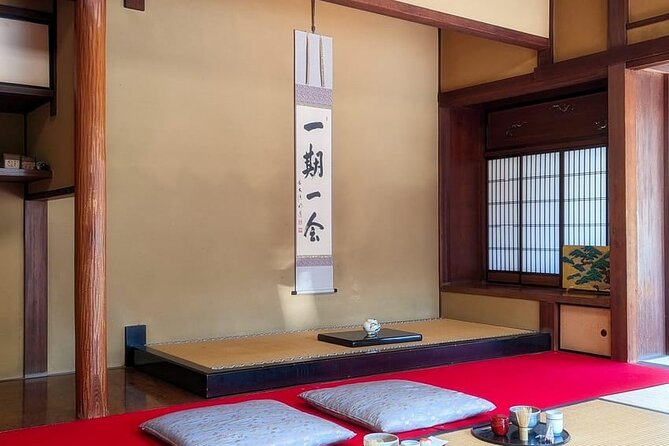
Inside, the garden views are a major part of the appeal. The scenery changes with the season, and the windows create a strong connection between the tea room and the outdoors. You are not simply viewing a garden from a path. You are watching it as a quiet backdrop to a formal cultural practice.
That setting also makes the experience suitable for people who want photographs. Photos are included, although the information does not specify how many or who takes them. Video recording is not included, so plan on taking still images only if the staff permits it during the session.
Same place, a different kind of green day out:
- Authentic Kyoto Tea Ceremony: Camellia Flower Teahouse
★ 5.0 · 269 reviews - Kyoto: Private Tea Ceremony with a Garden View
★ 4.9 · 61 reviews - Bamboo Grove Temple and Garden Views Tour
★ 5.0 · 41 reviews - Stunning Private Tea Ceremony: Camellia Garden Teahouse
★ 5.0 · 28 reviews
Small Group, Personal Questions
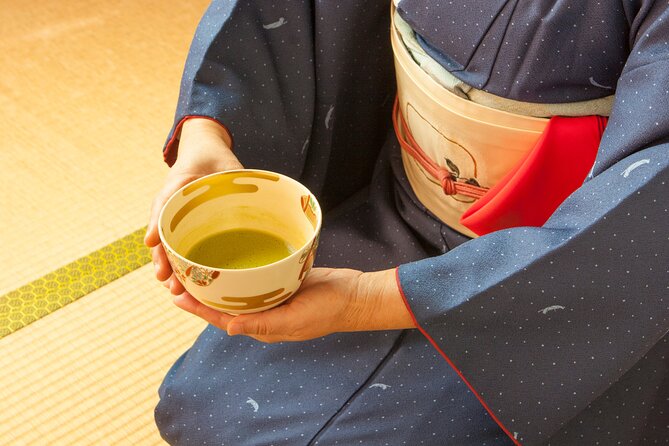
The maximum group size is 12 people. That is not the same as a private ceremony, but it is small enough to keep the session personal.
A group of this size gives the host room to explain the process and answer questions. Several parts of the experience depend on that interaction, especially the instructions for making and drinking the tea. If you are curious about utensils, clothing, sweets, or the garden, this is the time to ask.
The small group also helps preserve the calm mood. A crowded room would make the ceremony feel more like a stage performance. With fewer people, you can see the tea master’s hands and follow the sequence more easily.
Still, the group size can vary. You might find yourself with only a few other people, or you might be in a full group of 12. The experience is intimate by tour standards, but it is not guaranteed to be a one-on-one lesson.
The English support has been a strong part of the experience. The host explains the ceremony clearly and answers cultural questions, while the tea master focuses on the preparation. Specific individual guide names are not provided, so you should not expect to book a particular host.
Is $50.87 Good Value?
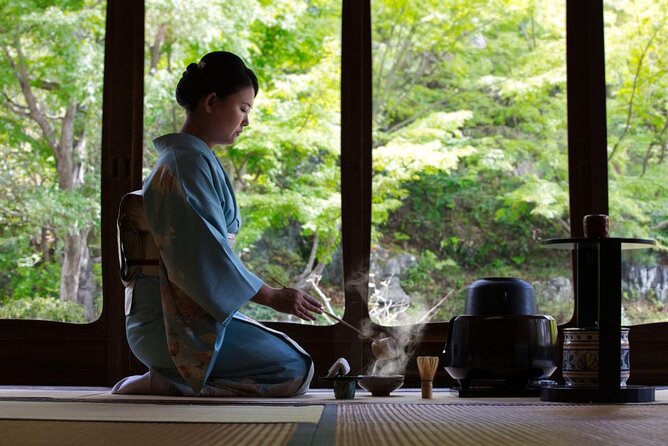
At $50.87 per person, this is not the cheapest way to drink matcha in Kyoto. You can find tea in cafés for much less. The comparison is not quite fair, though, because this price includes a guided cultural experience, two cups of matcha, wagashi, garden views, and photos.
I think the value is strongest if you want to understand the ritual. You are paying for the setting, instruction, and attention to ceremony, not simply for the drink. The second cup improves the value because you get hands-on practice rather than watching from start to finish.
The value is weaker if you want a long lesson or a highly private experience. Forty-five minutes passes quickly, and the activity only introduces the basic techniques. If you are already familiar with Japanese tea ceremony, you may find the content limited.
For a first visit to Kyoto, the price is reasonable when you treat the activity as a compact cultural appointment. It is less appealing as a casual refreshment stop. Book it for the ceremony, not just the matcha.
Practical Details Before You Book
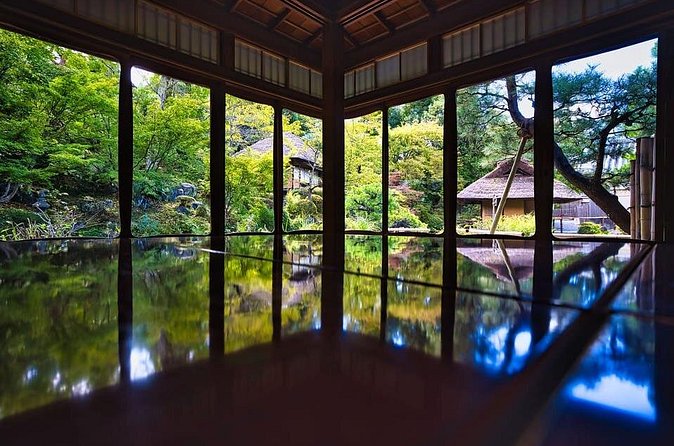
The activity uses a mobile ticket, which makes it easy to carry the confirmation on your phone. Confirmation is provided at booking.
Wear or bring socks. This is a traditional tea-room setting, and socks are specifically recommended. Comfortable clothing is sensible, especially since the activity is not recommended for people with foot or knee problems.
The activity requires good weather. If poor weather causes a cancellation, you are offered a different date or a full refund. Otherwise, you can cancel for a full refund up to 24 hours before the start time. Cancellations or changes made less than 24 hours before the start are not refunded or accepted.
Allow extra time to reach the meeting point in the Kiyomizu area. The activity itself lasts about 45 minutes, but arriving late could cut into the instruction and ceremony. The end point is the same as the meeting point.
This experience may suit you best if you:
- Want a calm break from Kyoto sightseeing
- Prefer a small group to a large cultural show
- Are curious about the meaning behind tea ceremony gestures
- Want to try making matcha, not just drinking it
- Appreciate gardens, traditional interiors, and seasonal details
- Are comfortable with a short, introductory format
It may not suit you if you want a long workshop, a kimono experience, or a full meal. Kimono rental is not included, and the activity does not include video recording.
Who Should Book This Kyoto Tea Ceremony?
I would recommend it to first-time visitors who want a well-organized introduction to Japanese tea ceremony. The English guidance, two-cup format, garden setting, and small group make the experience easy to follow without making it feel like a large tourist production.
Families can also enjoy it, especially if older children are interested in Japanese culture. The activity gives you something to watch, something to taste, and something to try. Keep in mind that anyone with foot or knee problems may find the setting uncomfortable, and the provider does not recommend it for them.
Couples and solo visitors who enjoy quiet cultural activities should find the pace appealing. The ceremony offers a welcome change from Kyoto’s packed temples and busy streets. It is a good choice for a hot afternoon too, since air conditioning has been available in the tea room.
I would think twice if your schedule is tight or you are highly price-conscious. The session is short, and the cost per minute is not low. You are paying for the setting and cultural instruction, so the experience makes sense only if those are important to you.
Final Take: A Strong Short Introduction
Book this tea ceremony if you want more than a cup of matcha and less than a full-day cultural course. The garden-facing room, careful demonstration, wagashi, and chance to prepare your own second cup give the 45-minute visit a clear purpose.
The main compromise is depth. You will learn the central steps, but you will not become a tea practitioner in one session. At $50.87, I would call it good value for a first introduction, especially when placed into a day of Kiyomizu sightseeing. If you prefer long workshops or private instruction, choose a longer and more specialized class instead.
FAQ
How long does the Kyoto tea ceremony last?
The experience lasts approximately 45 minutes.
Where does the tea ceremony begin?
It begins at Tea Ceremony SAKAGUCHIAN, located at 3-chōme-334 Kiyomizu, Higashiyama Ward, Kyoto, 605-0043, Japan.
What is included in the tea ceremony?
The experience includes two cups of matcha, traditional wagashi sweets, and photos.
Is kimono rental included?
No. Kimono rental is not included in the activity.
How many people can join the session?
The maximum group size is 12 people.
Can I cancel for a full refund?
Yes. You can cancel at least 24 hours before the local start time for a full refund. Cancellations or changes made less than 24 hours before the start are not refunded or accepted.
Just added around Kyoto
- Kyoto-Nara Adventures Private Tour With Hotel Pick Up★ 4.0 · 5 reviews
- Ikebana Traditional Japanese Art of Flower Arranging★ 4.5 · 19 reviews
- Traditional Japanese Flower Styling Workshop – Ikebana in Kyoto★ 5.0 · 10 reviews
- Stunning Private Tea Ceremony: Camellia Garden Teahouse★ 5.0 · 28 reviews
- Kyoto Hidden Treasures: Special Temple & Garden Access Tour★ 4.5 · 25 reviews
- Zen Garden Making and Matcha Tasting in Handmade Pottery Shop★ 3.5 · 2 reviews
- Kyoto Golden Temple & Zen Garden: 2.5-Hour Guided Tour★ 5.0 · 2 reviews
- Guided Kyoto City Cherry Blossom One Day Private Tour★ 5.0 · 16 reviews
Kyoto Garden Tours, compared.
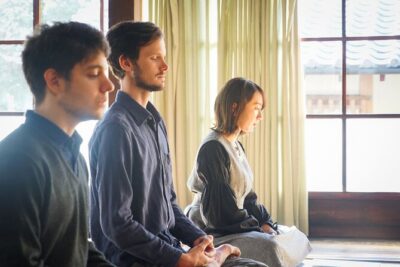
Kyoto Zen Meditation & Garden Tour at a Zen Temple with Lunch
Read our review →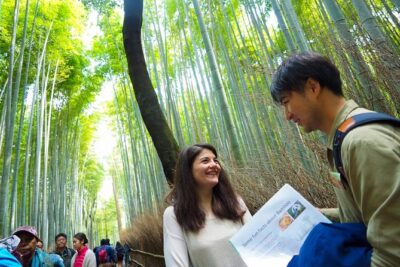
Kyoto Arashiyama Bamboo forest & Garden Half-Day Walking Tour
Read our review →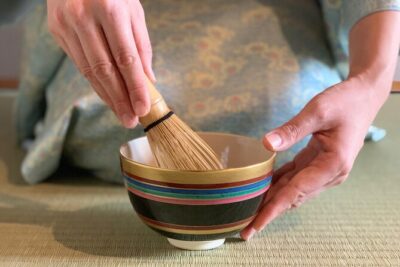
Authentic Kyoto Tea Ceremony: Camellia Flower Teahouse
Read our review →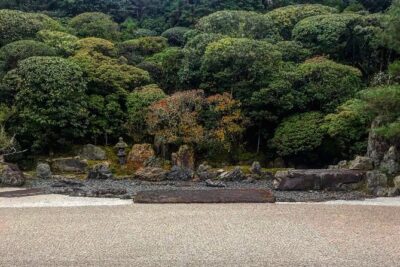
Stunning Private Tea Ceremony: Camellia Garden Teahouse
Read our review →
Kyoto Hidden Treasures: Special Temple & Garden Access Tour
Read our review →Browse the lists this tour appears in