
Review · JAPANESE & ZEN
Zen Garden Making and Matcha Tasting in Handmade Pottery Shop
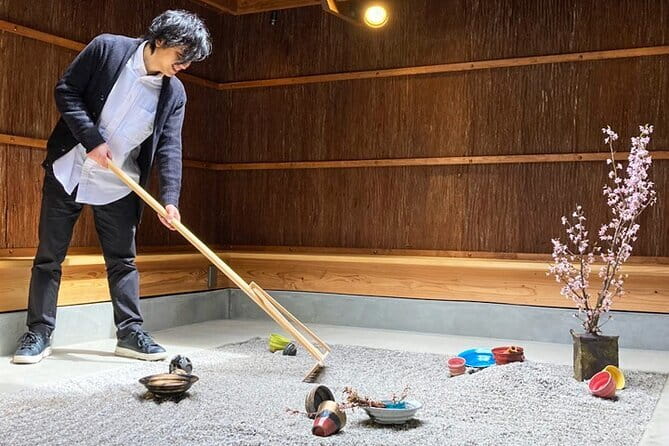
Kyoto’s temple gardens are made for quiet looking. At Ninshu, you get to make a small one yourself, arranging sand patterns and colored vessels in a pottery garden designed in the Zen style. I like the hands-on creativity and the chance to enjoy Ippodo matcha with seasonal wagashi from Senbon Tamajushuken.
I also like that the experience takes place in a more than 100-year-old Kyoto machiya, with handmade pottery for sale afterward. The main caution is that the matcha may be prepared in another room, so the tea portion may feel less connected to the garden than the description suggests. Communication can also feel a little awkward if no shared language is available.
Key points at a glance
- Make your own small Zen garden: Shape sand patterns and arrange vessels to create a personal design.
- Taste Kyoto tea and sweets: The matcha comes from Ippodo, with seasonal wagashi from Senbon Tamajushuken.
- Visit a historic machiya: The pottery shop occupies a traditional Kyoto townhouse more than a century old.
- Keep the activity gentle: There are no hard movements, making it suitable for young children and older adults.
- Shop for useful souvenirs: The handmade pottery is dishwasher and microwave safe.
- Plan for a short visit: The activity lasts about 30 minutes, with a maximum of eight people.
Making a Zen garden in miniature
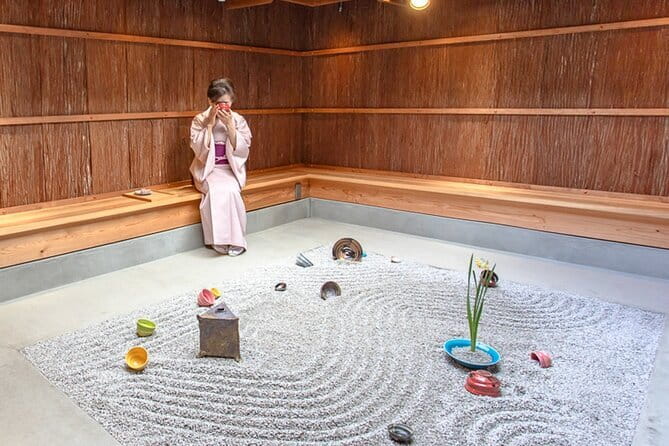
The central idea is simple: you create a small garden using sand and pottery vessels rather than only looking at one behind a temple wall. You can make your own lines and patterns in the sand, then use vessels to add color and shape.
This is not a full pottery lesson. You are not throwing clay, firing a bowl, or learning a long craft process. Instead, the activity gives you a compact, quiet way to work with familiar Zen garden elements. That makes it easy to fit into a busy Kyoto day.
I like the fact that the design is personal. Two people can work with the same materials and produce different results. You can make an orderly pattern, try something more playful, or simply enjoy the slow motion of drawing through sand.
The setting also gives the activity some local context. A sand garden in a traditional Kyoto temple is meant to be viewed with patience and care. At Ninshu, the idea is scaled down and made participatory. You do not need an art background, special strength, or prior experience.
The activity is especially practical for families. Small children can take part without a long explanation, and older people do not need to manage strenuous movement. The short format also helps if you want a cultural stop between larger Kyoto sights.
More Japanese Garden Tours in Kyoto
- Kyoto: Zen Garden, Zen Mind (Private)
★ 5.0 · 126 reviews - Kyoto: Japanese Gardens Private Customizable Tour
★ 4.1 · 18 reviews - Kyoto Guided Walking Tour: Secret Zen Garden and Fushimi Inari
★ 5.0 · 17 reviews
The Ninshu pottery shop and Kyoto machiya
Ninshu is a handmade pottery store and matcha cafe at 18-1 Fujikicho in Nakagyo Ward. The experience takes place inside a traditional Kyoto machiya that is more than 100 years old.
That setting matters. A machiya is not just a modern retail room with a few old objects added for decoration. It is a traditional townhouse form associated with Kyoto’s historic streets and merchant life. You will experience the garden-making activity in a place that connects the craft to the city around it.
The information provided does not give a detailed room-by-room description, so I would keep expectations sensible. This is a small shop experience, not a temple garden tour or a long architectural visit. Its value comes from the combination of setting, hands-on design, tea, sweets, and pottery.
After making your garden, you can browse the handmade pottery in the shop. The pieces are designed for everyday use and are dishwasher and microwave safe. That point is useful if you are looking for a souvenir you can actually use at home, rather than something that must sit on a shelf.
Because pottery can be fragile, you should plan your packing accordingly. The experience information does not state whether international shipping is available, so ask at the shop if you are buying larger or delicate pieces.
Matcha from Ippodo and seasonal wagashi
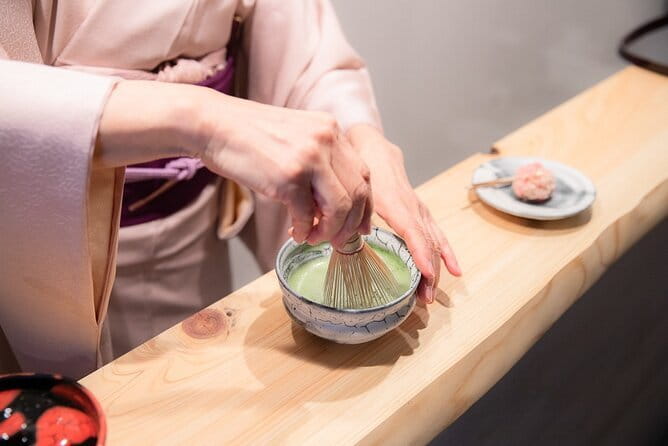
The tea served is matcha from Ippodo, one of Kyoto’s famous tea companies. You also receive seasonal wagashi from Senbon Tamajushuken, a traditional Japanese confectionery maker.
This pairing gives the short activity more depth. Matcha can be sharp, grassy, and slightly bitter, while wagashi adds sweetness and a softer texture. The sweet is not just a snack on the side. It is part of the usual tea experience, helping balance the tea’s strong flavor.
You can take pictures of yourself enjoying the matcha and sweets in front of the garden you made. That gives you a clear visual memory of the activity, especially if you want a Kyoto photo that is less typical than a shrine gate or bamboo grove.
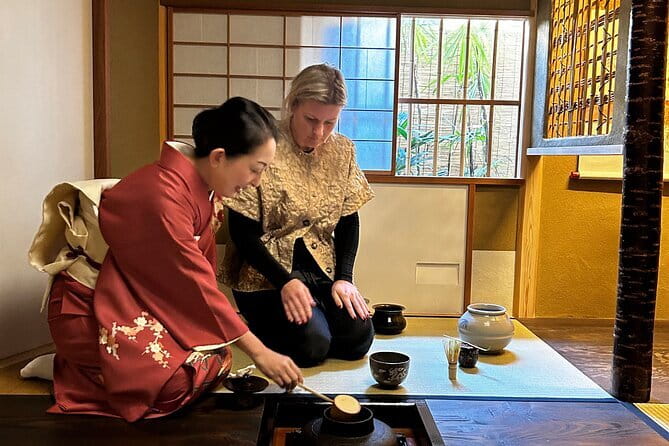
There is one practical wrinkle. The matcha may be prepared in another room rather than directly in front of you. If watching the tea being whisked is the main reason you are booking, this may disappoint you. If you mainly want to taste matcha, enjoy a sweet, and spend a quiet half hour with a small garden, the setup should still fit your needs.
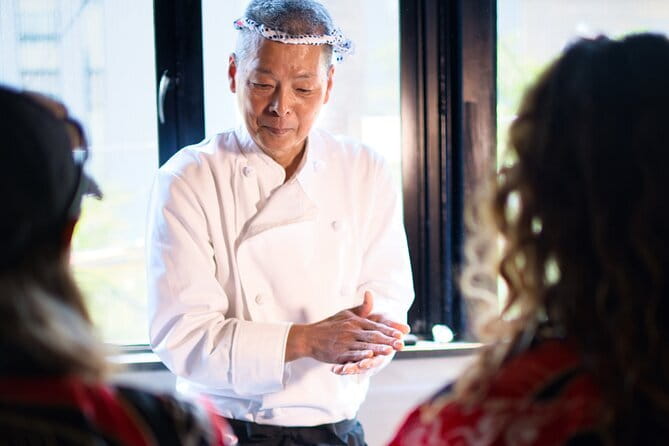
The hosts have been described as kind and welcoming, though communication can sometimes feel awkward because of the language barrier. Keep your requests simple, and tell the staff clearly about allergies before the sweets are served.
What the 30-minute format really means
Thirty minutes is enough for a focused introduction, but not enough for a slow afternoon tea or a detailed craft workshop. You will need to make decisions quickly and enjoy the activity for what it is: a brief cultural pause.
The short length is a strong point if you are fitting Ninshu between other plans. You can combine it with sightseeing in central Kyoto without giving up half a day. It also works well on a day when your feet need a rest.
The tradeoff is that the experience may feel finished just as you are getting comfortable. If you want long instruction, extensive conversation, or a complex garden design, this may seem slight. The activity is best for people who value a small, calm encounter rather than a major attraction.
The maximum group size is eight people. That is small enough to keep the room from feeling crowded, though the experience is still shared rather than private unless your booking happens to include the whole group.
The average booking time is about 25 days ahead. That suggests you should reserve before your Kyoto visit, especially if your schedule is tight. The price is about $14.12 per person, which is modest for a short Kyoto cultural activity. I see the best value in the combination: you are paying for guided garden-making, tea, a seasonal sweet, and time in a historic townhouse, not just for a cup of matcha.
Same place, a different kind of green day out:
- Kyoto Zen Meditation & Garden Tour at a Zen Temple with Lunch
★ 5.0 · 441 reviews - Kyoto Arashiyama Bamboo forest & Garden Half-Day Walking Tour
★ 5.0 · 413 reviews - Authentic Kyoto Tea Ceremony: Camellia Flower Teahouse
★ 5.0 · 269 reviews - Kyoto Kiyomizu Tea Ceremony with Scenic Garden Views
★ 5.0 · 101 reviews
Who will enjoy this Kyoto activity most
I would recommend it most strongly to people who want a gentle introduction to Japanese culture. You get several small pieces of Kyoto in one stop: a Zen garden concept, matcha, wagashi, a machiya, and handmade pottery.
Families may find the format manageable because there are no difficult movements and the session is short. Children can focus on arranging the sand and vessels rather than sitting through a long talk.
Older adults may also appreciate the lack of physical demands. The activity does not require walking through a large site or standing for a long period, based on the information provided.
It is also a good option for anyone who has already visited major temples and wants something more participatory. Instead of only taking pictures of a finished garden, you create a small design and then photograph yourself with the tea and sweets.
I would be more cautious about recommending it to a serious tea student, pottery collector, or craft specialist seeking technical instruction. The activity description focuses on making a small garden and tasting matcha, not on tea ceremony technique or pottery production.
Allergy, transport, and access details
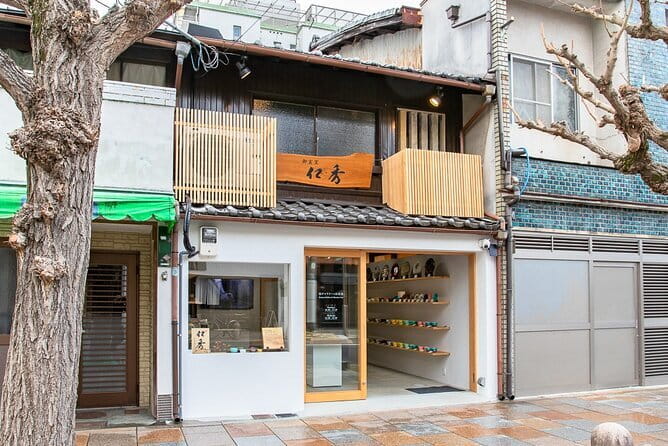
The shop is near public transportation, making it practical to reach without arranging a private ride. The meeting point is Ninshu vessel shop and matcha cafe at 18-1 Fujikicho, Nakagyo Ward, Kyoto, postal code 604-0992. The activity ends back at the same location.
Some Japanese sweets may contain wheat, egg, or yams. Tell the staff about allergies when you arrive. Alternative sweets without those listed allergens can be served, according to the provided information.
Service animals are allowed. No other specific accessibility details are provided, so if you need step-free access, seating arrangements, or other assistance, contact the provider before booking rather than guessing.
The ticket is mobile, which means you can use the booking on your phone. Confirmation is issued at the time of booking.
The experience requires good weather and may be canceled if conditions are poor. If that happens, you will be offered another date or a full refund. The weather rule is worth noting even though much of the activity takes place in a shop, since it is part of the stated booking conditions.
Buying pottery after the garden activity
The shop gives you a chance to continue the experience after the tea. Handmade pottery can be a better souvenir than a mass-produced item because it carries a direct connection to the place you visited.
The practical advantage here is clear: the pieces are dishwasher and microwave safe. That makes them suitable for daily use, and the feature is particularly helpful if you live outside Japan and want something that fits ordinary kitchen routines.
Do not assume every piece will be identical. Handmade pottery often has small variations in shape, glaze, and color, though the details of the shop’s collection are not specified. Take your time looking, and ask about care instructions for any item you like.
The shop portion is not described as a formal tour, so the time available for browsing may depend on the pace of the garden and tea activity. If pottery is your main interest, allow a little flexibility rather than treating the 30-minute duration as a dedicated shopping visit.
Booking, cancellation, and value
At about $14.12 per person, this is an inexpensive way to add a calm cultural activity to a Kyoto itinerary. The value is strongest if you would enjoy all parts of the visit: making a small sand garden, drinking matcha, eating wagashi, seeing a machiya, and browsing pottery.
The value is weaker if you want a full tea ceremony, a long workshop, or a detailed lesson in Zen garden design. The short duration keeps the price low, but it also limits how much instruction and interaction you can expect.
You can cancel for a full refund up to 24 hours before the start time. Cancellations or changes made within 24 hours are not refunded or accepted. The cutoff uses local Kyoto time, so check the clock carefully if you are changing plans from another time zone.
Because the experience is often booked about 25 days ahead, I would reserve it once you know your Kyoto schedule. The small maximum group size may limit last-minute availability.
Should you book the Ninshu Zen garden experience?
Book it if you want a short, low-cost Kyoto activity with a creative element. The strongest reasons are the chance to make your own sand design, the Ippodo matcha and seasonal wagashi, and the more than 100-year-old machiya setting. The pottery shop adds a useful souvenir option, especially if you prefer objects you can use at home.
Skip it if you are looking for a full tea ceremony, a temple garden visit, or an advanced pottery class. Also think twice if watching the matcha preparation is essential, since the tea may be made in another room.
For most people, I would treat this as a pleasant 30-minute stop rather than a major Kyoto highlight. Its appeal is modest but genuine: you make something small, taste two familiar parts of Japanese food culture, and leave with the option of buying a practical handmade keepsake.
FAQ
Where does the experience take place?
It takes place at Ninshu vessel shop and matcha cafe, 18-1 Fujikicho, Nakagyo Ward, Kyoto, 604-0992, Japan.
How long does the activity last?
The activity lasts approximately 30 minutes.
Where does the activity end?
It ends back at the meeting point, Ninshu vessel shop and matcha cafe.
What do I do during the Zen garden activity?
You make your own sand patterns and design the garden’s colors using vessels in a small pottery garden arranged in the Zen style.
What matcha is served?
The matcha comes from Ippodo, a famous Kyoto tea company.
What sweets are served?
Seasonal wagashi, or Japanese sweets, from Senbon Tamajushuken are served.
Can I tell the staff about food allergies?
Yes. Some sweets may contain wheat, egg, or yams. Tell the staff about your allergies, and sweets without those listed allergens can be served.
How many people can join?
The activity has a maximum of eight people.
Are service animals allowed?
Yes, service animals are allowed.
Can I cancel for a refund?
Yes. You can receive a full refund if you cancel at least 24 hours before the experience starts. Cancellations within 24 hours are not refunded.
What happens if bad weather cancels the activity?
You will be offered a different date or a full refund if the activity is canceled because of poor weather.
More Food & Drink in Kyoto
- Kyoto Spring Evening (Cherry Blossom) Food Tour
★ 3.0 · 4 reviews - Bangkok: White Orchid Chao Phraya Dinner Cruise free Beer
★ 4.4 · 4,573 reviews - Princeville Botanical Gardens Tour and Chocolate Tasting Ticket
★ 5.0 · 774 reviews - Sorrento: Lemon Garden Tour with Marmalade Tasting
★ 4.6 · 405 reviews
Just added around Kyoto
- Kyoto-Nara Adventures Private Tour With Hotel Pick Up★ 4.0 · 5 reviews
- Ikebana Traditional Japanese Art of Flower Arranging★ 4.5 · 19 reviews
- Traditional Japanese Flower Styling Workshop – Ikebana in Kyoto★ 5.0 · 10 reviews
- Stunning Private Tea Ceremony: Camellia Garden Teahouse★ 5.0 · 28 reviews
- Kyoto Hidden Treasures: Special Temple & Garden Access Tour★ 4.5 · 25 reviews
- Kyoto: Kinkaku-ji Temple & Serene Garden Guided Tour with Tickets★ 5.0 · 9 reviews
- Kyoto Golden Temple & Zen Garden: 2.5-Hour Guided Tour★ 5.0 · 2 reviews
- Guided Kyoto City Cherry Blossom One Day Private Tour★ 5.0 · 16 reviews
Japanese & Zen Garden Tours, compared.
Lafcadio Hearn Japanese Gardens Admission Adult Ticket
Read our review →
Make Your Own Bonsai with a Professional Bonsai Artist in Tokyo
Read our review →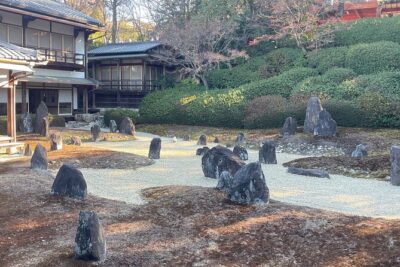
Kyoto Guided Walking Tour: Secret Zen Garden and Fushimi Inari
Read our review →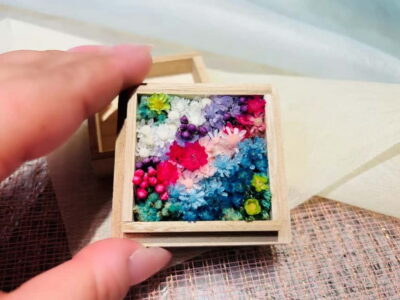
Experience Crafting a Flower-Adorned Mini Japanese Garden
Read our review →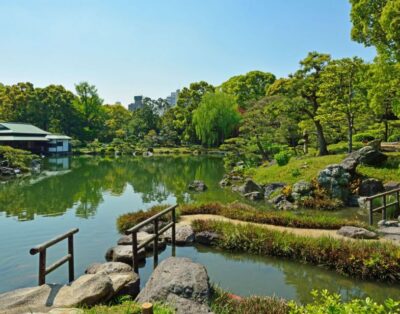
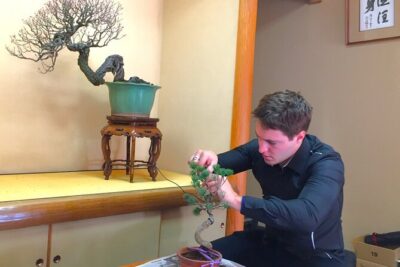
Bonsai Tour & Experience at the Most Sacred City for Bonsai in JP
Read our review →Browse the lists this tour appears in