
Review · TOKYO
Cherry Blossom Mount Fuji Customizable Luxury vehicle Guided Tour
The big draw here is choice. Instead of spending a full day on one fixed route, you can build a private Mt. Fuji outing around the views, shrines, lakes, flowers, waterfalls, or shopping that matter most to you. On a clear day, the mountain appears from several sides, with Chureito Pagoda and Lake Kawaguchi offering the classic photographs.
I like the private vehicle and the chance to travel with only your own group of up to six. I also like the mix of famous sights and quieter places, especially Kitaguchi Hongu Fuji Sengen Shrine and Oshino Hakkai. The catch is time: seeing every listed stop would be a very full day, and weather can hide Mt. Fuji completely.
Key points to know before booking
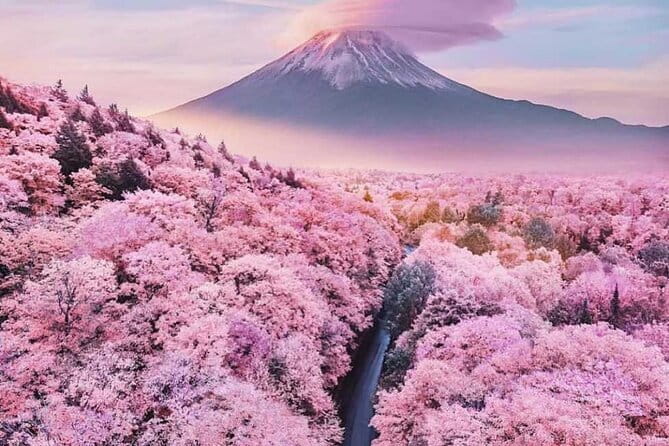
- Eight possible stops create a flexible day: You can focus on mountain views, culture, nature, flowers, or outlet shopping instead of following a rigid group schedule.
- The Subaru Line 5th Station is the highest point on the route: It gives you a different view of Mt. Fuji and is accessible by private transport when snow conditions allow.
- Chureito Pagoda delivers the famous photo: Expect a climb to the viewpoint, with the pagoda, cherry blossoms, and Mt. Fuji lining up when conditions cooperate.
- The price works best for a full group: At $461.20 for up to six people, the cost is about $76.87 each if six people join, but much higher for a couple.
- Feedback about guiding is mixed: One customer praised Shamas and his trainee for friendly, polite service, while another described Awan as rude and unprofessional. That contrast makes communication about your plan especially important.
- Food is your responsibility: Breakfast, lunch, and dinner are not included, so leave room in the schedule for a meal.
A private road day from Tokyo
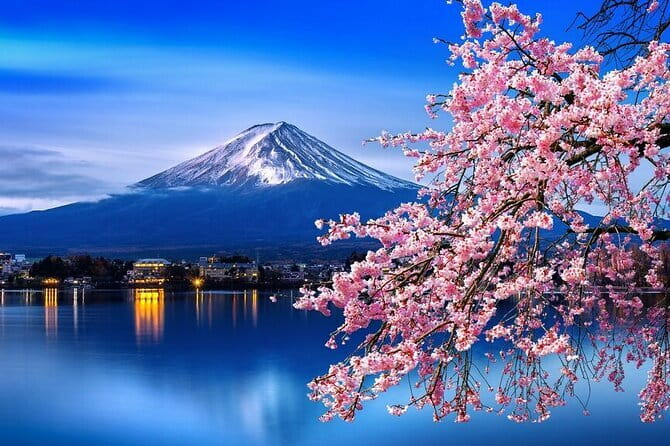
The tour begins at 8:00 a.m. and lasts about 8 to 10 hours. Pickup is offered, and your group travels in an air-conditioned vehicle with an English-speaking guide. Private transport matters here because the sights are spread across the Fuji area, and moving between them by public transport would take more planning and patience.
You are paying for convenience, not simply admission tickets. The listed sights do not charge an entrance fee through this experience, but a private vehicle and guide let you cover a wide area in one day. You also avoid joining a large group that must stop at each place for the same length of time.
That freedom needs a little discipline. The scheduled visits add up to about 9.5 hours before driving time, so the full list cannot realistically receive the exact amount of time suggested at every stop within an 8 to 10 hour day. I would agree on priorities at the start. If Mt. Fuji views are your main goal, do not let outlet shopping or too many short photo stops squeeze out the best viewpoints.
The route is called customizable, so use that feature. Ask for a view-focused day, a culture-focused day, or a route with more time around Lake Kawaguchi. If cherry blossoms are your reason for booking, say so clearly, but remember that blossoms and clear mountain views do not always arrive together.
More Cherry Blossom Tours in Japan
- Mt. Fuji, Cherry Blossom & Shiba Sakura Pvt. Day Tour
★ 5.0 · 326 reviews - Mt. Fuji & Hakone Cherry Blossom private One Day Tour
★ 4.5 · 35 reviews - Tokyo Cherry Blossoms blooming spots E-bike Tour, 3hrs
★ 5.0 · 27 reviews
Mt. Fuji Subaru Line 5th Station at high elevation
The Fuji Subaru Line 5th Station is the most popular of Mt. Fuji’s four 5th Stations. It is also the one most practical to reach from Tokyo by private vehicle. The stop is planned for about 1.5 hours, giving you time to look around and take in the mountain setting.
This is a useful first major stop because it places you high on the mountain rather than simply viewing it from below. The station is generally accessible outside the climbing season too, although snow conditions can affect access. That qualification matters. A mountain road is never as predictable as a city street, and the guide may need to adjust the plan.
The 5th Station is not a guaranteed summit view. Clouds can sit around the mountain, and weather can change quickly. Still, it gives you a different sense of Mt. Fuji than the lakeside viewpoints. If you want a balanced day, pairing this stop with Lake Kawaguchi gives you both an upper-mountain and lower-mountain perspective.
Chureito Pagoda and the classic Fuji photograph
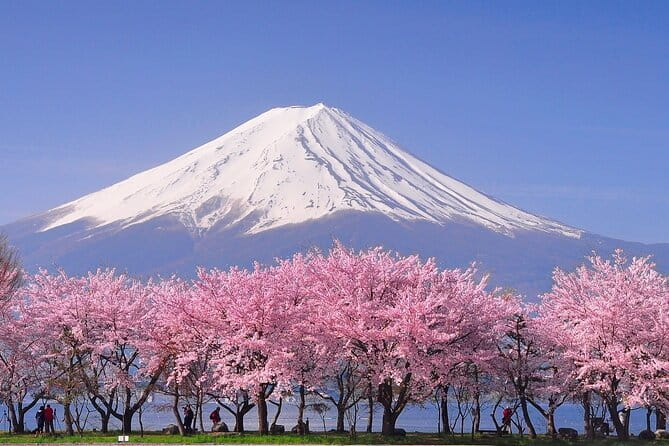
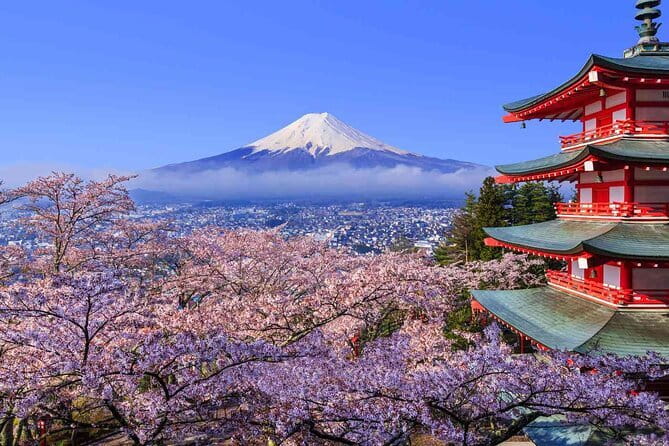
Chureito Pagoda is scheduled for about 1.5 hours and is one of the visual highlights of the day. From the viewpoint, you can see the red pagoda, surrounding trees and flowers, and Mt. Fuji in the distance when the air is clear.
Cherry blossoms make this stop especially appealing in spring, but the setting changes with the season. The site also features other flowers, so it is not limited to one short blossom period. I would keep this stop high on your list if you want the image most closely associated with a Fuji sightseeing day.
Plan for some effort to reach the viewpoint. The experience is not simply stepping out of the vehicle and looking across a parking area. The time allowance gives you room to reach the view, take photographs, and enjoy the surroundings without rushing, but anyone with mobility concerns should ask the operator for practical details before booking.
Clear weather is the key variable. If clouds cover Mt. Fuji, you will still have the pagoda and the natural setting, but the famous three-part composition may not appear. An early start improves your chances of having time before the day becomes more crowded with other sightseeing groups, though no start time can guarantee visibility.
Kitaguchi Hongu Fuji Sengen Shrine under old trees
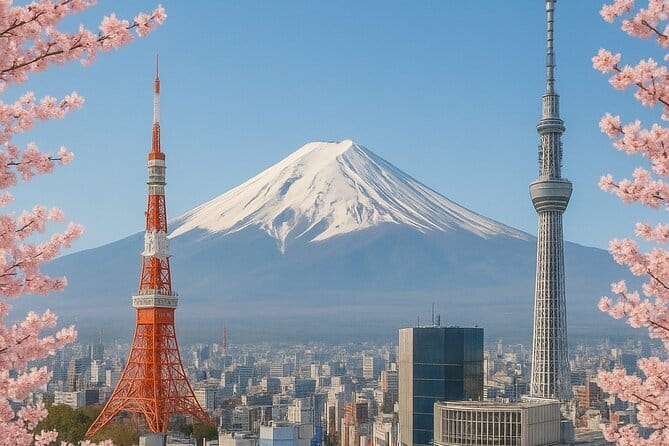
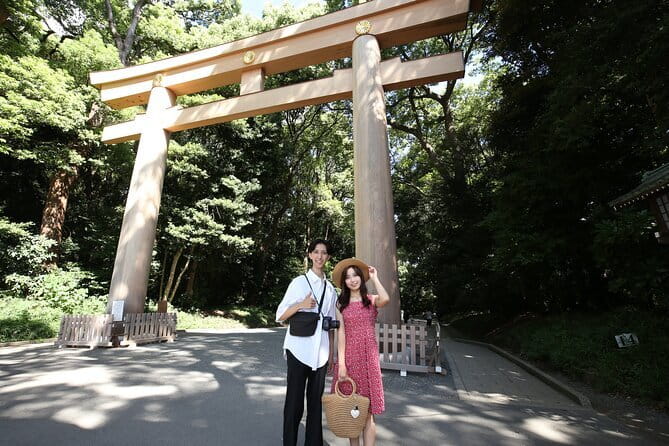
This shrine offers a welcome change of pace after the photographic stops. It is known for a large wooden gate, towering trees, and two trees said to be about 1,000 years old. The setting is quiet and shaded, with the shrine buildings tucked among the forest.
You have about an hour here. That is enough for a calm walk and a look at the main features, though not an extended religious or historical visit. I like this stop because it gives the day a sense of place beyond scenic viewpoints and shopping centers.
The shrine is also a good choice if you want a quieter part of the Fuji area. The appeal is not a long list of attractions. It is the feeling of entering a wooded sacred site, seeing the old gate, and taking a break from the road.
More Cherry Blossom Tours in Tokyo
- Cherry Blossom Private Tour
★ 4.5 · 18 reviews - Licensed Guide Tokyo Meguro Cherry Blossom Walking Tour
★ 4.5 · 13 reviews - Evening Hanami (Cherry Blossom) Experience with a Local
★ 3.5 · 10 reviews - Tokyo: Mt. Fuji & Hakone Cherry Blossoms Private Day Tour
★ 3.5 · 9 reviews
Oshino Hakkai’s clear springs and village shops
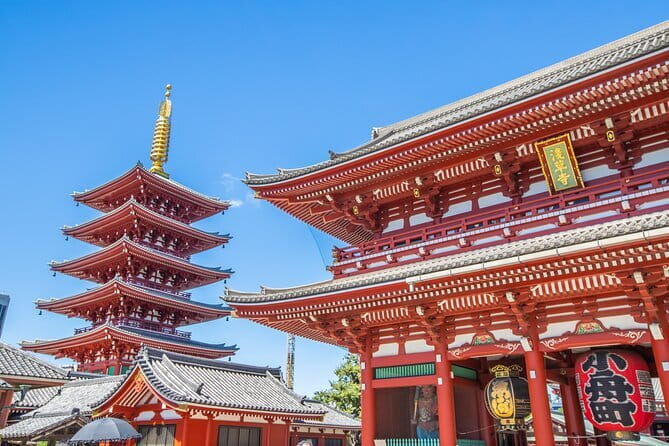
Oshino Hakkai is planned for one hour. The village is associated with eight clear-water ponds and has food and gift shops, along with more than 300 cherry trees. The combination makes it easy to fit into a day that includes both scenery and a quick local stop.
The ponds are the main reason to come. Their clear water and the surrounding village provide a close-up view of the Fuji area rather than a distant mountain panorama. The shops give you a chance to buy snacks or small gifts, but keep the visit focused if you are trying to reach all the other stops.
The spring setting can be busy, and one hour will pass quickly if you stop often. I would use this time for the ponds, a short walk, and perhaps a snack rather than treating it as a major shopping stop. If you want a longer meal, tell your guide early because no meals are included.
Two hours around Lake Kawaguchi
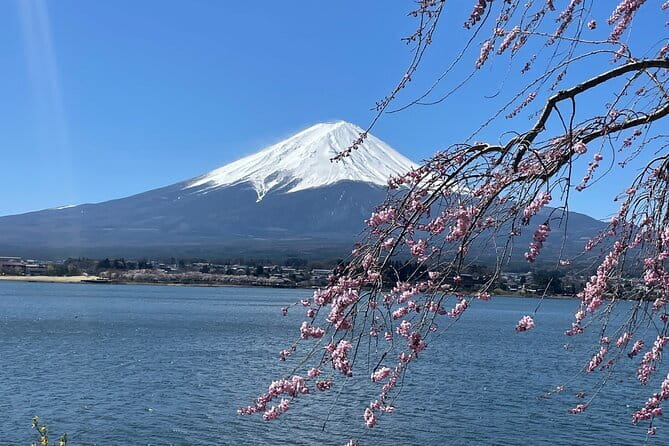
Lake Kawaguchi receives the longest planned visit, two hours, and that makes sense. It is one of the best places on this route for broad views of Mt. Fuji, and the lake area offers several ways to spend your time.
You can look into a boat cruise, ride the Kachi Kachi Ropeway, visit restaurants, or browse gift shops. The ropeway gives you a higher viewpoint, with a panorama from the top, while the lakeshore keeps the experience easier for anyone who prefers a gentler pace.
This is the stop I would protect if the mountain is visible. Two hours sounds generous, but the ropeway or cruise can use a good portion of it. Families and mixed-age groups may find the lake especially practical because there are different activities in one area. You can split up briefly around the lake, though your guide will need to explain the timing and meeting plan.
Lake Kawaguchi also works well as the main lunch area, but lunch is not part of the price. You will need to pay for food yourself and make sure the meal does not reduce your time at the lake’s best views.
Oishi Park for flowers and an open Fuji view
Oishi Park is scheduled for one hour and is known for its flower gardens, including lavender, with Mt. Fuji across the lake when visibility is good. It is a pleasant stop for anyone who enjoys gardens and seasonal color more than indoor attractions.
Spring cherry blossoms are part of the appeal of the overall tour, while lavender becomes a major feature at another time of year. The exact display depends on the season, so treat the garden as a changing stop rather than expecting one permanent floral scene.
Oishi Park can overlap with Lake Kawaguchi in purpose because both offer lake and mountain views. That is not necessarily a problem, but it is a reason to customize. If you have limited time, you may prefer a longer visit at one rather than rushing through both. If flowers are high on your list, keep both.
Shiraito Falls and the seasonal water flow
Shiraito Falls adds a strong nature stop to the route. A trail leads down toward the falls, with souvenir shops along the way and views of Otodome Falls, another waterfall dropping about 25 meters.
The stop is planned for one hour. The falls are at their fullest in summer, when snowmelt from Mt. Fuji feeds the water, and the surrounding greenery is at its strongest. Autumn, usually from mid to late November, brings changing leaves and a different look.
This stop has a seasonal tradeoff. Summer gives you the most powerful water flow and full foliage, while autumn brings color. If you are visiting in a less favorable period, the falls may still be worthwhile, but I would rank them below Chureito Pagoda or Lake Kawaguchi if your central goal is a clear Fuji photograph.
The path and descent also mean this is not a purely vehicle-based stop. Wear comfortable shoes and allow time to walk down, view the falls, and return to the vehicle. The tour information does not give a detailed accessibility description, so ask before booking if steps or uneven paths are a concern.
Gotemba Premium Outlets for shopping at Mt. Fuji’s base
Gotemba Premium Outlets is a very different final stop. It is a large shopping center at the base of Mt. Fuji, with about 290 stores. Brands named for the center include Nike, Puma, Coach, Gap, Polo, The North Face, Paul Smith, and Bose.
The planned visit is one hour. That is enough to browse or make a targeted purchase, but it is not enough for a serious shopping expedition across one of Japan’s largest outlet centers. If shopping is the main purpose of your day, ask to reduce the number of nature stops and give Gotemba more time.
Opening hours are listed as 10:00 a.m. to 8:00 p.m. from March through November, and 10:00 a.m. to 7:00 p.m. from December through February. Since the tour begins at 8:00 a.m., the outlet may not fit naturally as the first stop. It works better later in the day, though traffic and the distance between Fuji-area sights can affect the order.
This is the easiest stop to cut if your priority is scenery. It is also a useful choice for families or groups with different interests, since some people can shop while others browse or rest. Just remember that adding shopping to an already packed route can turn a pleasant day into a race against the clock.
Is $461.20 good value for your group?
The price is $461.20 per group, with up to six people. That works out to about $76.87 per person for six people, $115.30 each for four, or $230.60 each for two. The value improves sharply as your group gets larger.
For that price, you receive private transportation, an air-conditioned vehicle, an English-speaking guide, and all fees and taxes listed for the experience. Breakfast, lunch, and dinner are extra. Since the stops themselves are listed without admission charges, the real value is the vehicle, route planning, and flexibility.
I think the price is reasonable for a full group that wants to cover several widely separated places without organizing its own transport. For two people, it becomes a more serious purchase. You are paying for privacy and convenience rather than a low-cost day trip.
The most important value question is how well the day is managed. Customer feedback is sharply mixed. One account praised Shamas and his trainee for friendly, polite service, while another described Awan as rude and unprofessional and said the day became stressful. The operator offered a full refund in response to that complaint, but the difference between the two accounts is worth taking seriously.
Before the morning begins, confirm the route, the stops you care about most, meal timing, and how much flexibility you really have. Clear expectations may help, especially because the tour can be customized and the list of possible stops is ambitious.
Who will get the most from this tour?
I would recommend this experience most strongly to a group of four to six people that wants its own vehicle and has several interests. Families can combine flowers, lakes, waterfalls, a ropeway, and shopping. Friends can split the day between photographs, food, shrine visits, and outlet browsing.
It also suits you if you want to see many parts of the Fuji area in one day and do not want to manage several train and bus connections. The private format lets you ask for more time at a favorite stop, at least within the limits of the day.
It is less suitable if you want a slow, highly focused visit. You cannot comfortably give every one of the eight listed places a full hour or more once driving is counted. It is also not ideal if your only goal is a guaranteed Mt. Fuji photograph, since cloud cover can block the mountain.
The experience is best approached as a flexible sightseeing day, not a promise of perfect weather or a fixed luxury schedule. The word luxury refers mainly to private transport and personal space, not to included meals or premium admission services.
Practical details that affect the day
Confirmation is provided at booking, and a mobile ticket is available. The tour is private, so only your own group participates. Service animals are allowed, and most people can take part, though specific details about paths and mobility should be checked if needed.
Free cancellation is available up to 24 hours before the start time for a full refund. Changes or cancellations inside that 24-hour window are not accepted for a refund, and the cut-off follows local time in Japan.
I would book well ahead if your dates are fixed. This experience is commonly booked about 66 days in advance, which suggests that private vehicle space can be limited during popular Mt. Fuji and cherry blossom periods.
Should you book it?
Book it if you are traveling with a larger group, value a private vehicle, and want to combine Mt. Fuji viewpoints with shrines, flowers, waterfalls, and perhaps shopping. The strongest plan is to choose three or four priorities and treat the rest as optional.
I would be more cautious as a couple, or if you want a polished, tightly managed day with no uncertainty. The price is much harder to justify for two, and the sharply different service feedback means you should confirm the guide, route, and expectations before departure.
For the best chance of a satisfying day, make Chureito Pagoda, Lake Kawaguchi, and the 5th Station your core choices if the mountain matters most. Add the shrine, Oshino Hakkai, Oishi Park, Shiraito Falls, or Gotemba according to season and interest. That approach uses the tour’s real strength, private flexibility, without pretending that every stop can receive equal time.
FAQ
How long does the Mt. Fuji tour last?
The tour lasts approximately 8 to 10 hours.
What time does the tour start?
The stated start time is 8:00 a.m.
How many people can join the private tour?
Up to six people can participate in one group.
Is pickup available?
Yes, pickup is offered.
Is transportation included?
Yes. The tour includes private transportation in an air-conditioned vehicle.
Is an English-speaking guide included?
Yes, an English-speaking guide is included.
Are meals included?
No. Breakfast, lunch, and dinner are not included.
Can the itinerary be customized?
Yes. The tour is private and can be adjusted to suit your group’s interests, although the total day lasts about 8 to 10 hours.
What is the cancellation policy?
You can cancel at least 24 hours before the start time for a full refund. Cancellations or changes made less than 24 hours before the start time are not accepted for a refund.
Just added around Tokyo
- Tsumami Zaiku Japanese Fabric Flower Class★ 5.0 · 3 reviews
- Tokyo: Serene Sakura & Sake: An Exclusive Brewery Pairing Lunch★ 5.0 · 2 reviews
- Tsukiji Food Strolling and Hama Rikyu Garden Walking Tour★ 5.0 · 7 reviews
- Private tour – Scenic Fuji Escape: Hakone, Peace Park & More★ 5.0 · 4 reviews
- Tokyo Cherry Blossom Half Day Walking Tour with a Local Guide★ 3.5 · 4 reviews
- TOKYO: Tailored Gardens tour with Pro Gardener by E-bike -BASIC★ 5.0 · 2 reviews
- Cherry Blossom Highlights, Asakusa, Ueno, Imperial Palace Garden★ 4.5 · 4 reviews
- Japan’s Customs of Ikebana Art, Tea Ceremony & Kimono Welcome★ 5.0 · 2 reviews
Tokyo Garden Tours, compared.
Imperial Palace East Garden and Edo Castle Walking Tour in Tokyo
Read our review →
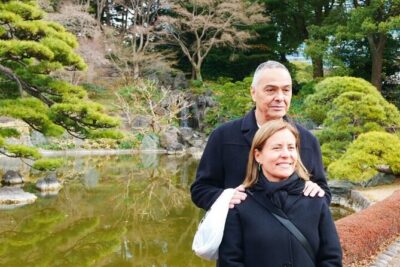
Edo Castle & East Garden of the Imperial Palace Tour
Read our review →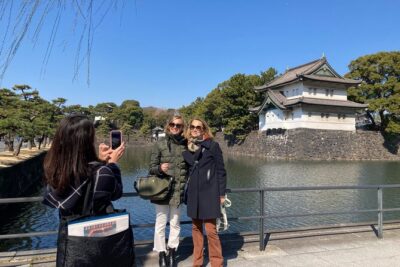
Tokyo Private Tour! Edo Castle & Imperial Palace East Gardens
Read our review →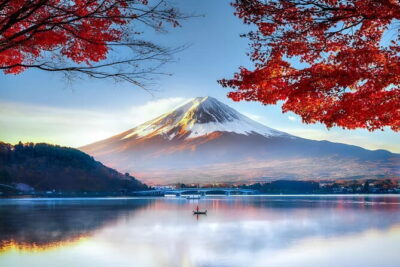
Mount Fuji & Lake Kawaguchiko Private Tour: Beyond the Ordinary
Read our review →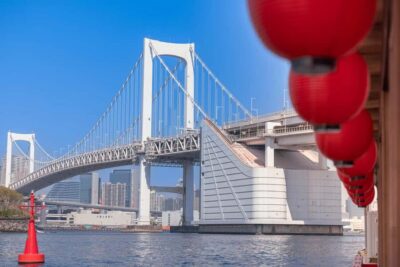
Rainbow Bridge Day Cruise Show and Only Soft Drinks
Read our review →
Tsukiji Market and Hama-rikyu Gardens Guided Tour
Read our review →Browse the lists this tour appears in