
Review · TOKYO
Cherry blossom tour in Tokyo
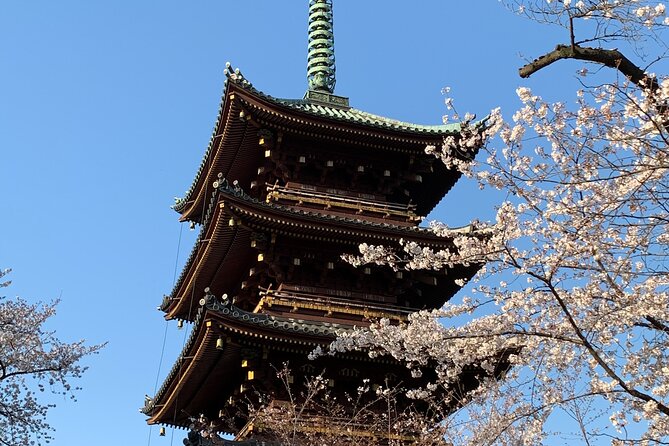
Tokyo’s cherry blossom season is wonderfully unpredictable, and that is the point of this private tour. Guide Rieko chooses two or three places with the best blooms at tour time, then links them with major sights such as the Imperial Palace gardens, Asakusa, and Shinjuku Gyoen. I like that the route responds to nature instead of treating a fixed schedule as sacred.
I especially like the private format, which gives Rieko room to adjust the day and accommodate a need for rest. I also like the blend of gardens, old Tokyo, and historical sites rather than a tour made up only of photo stops. The main consideration is pace: six hours with several city transfers can be tiring, and admission fees, lunch, and transportation are extra.
Key points at a glance
- Cherry blossoms chosen on the day: Rieko selects two or three places based on what is actually blooming.
- A private tour for your group: You do not share the guide with other participants.
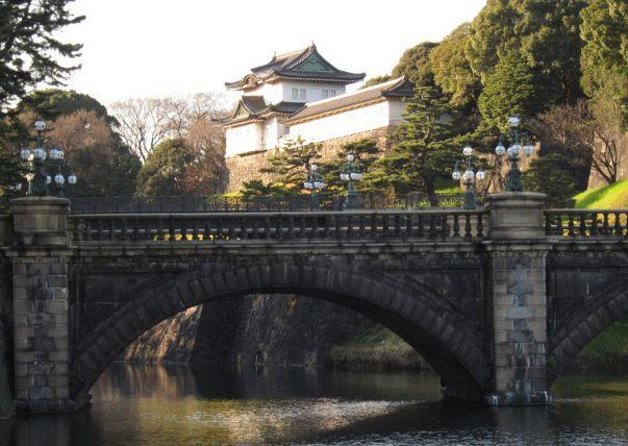
- Five contrasting Tokyo stops: The route connects Edo Castle remains, an old temple district, formal gardens, palace moats, and Shinjuku’s major park.
- Public transportation is the default: A private car can be arranged on request, but it is not included in the price.
- A useful springtime history lesson: The East Gardens explain Tokyo’s feudal past, while Hamarikyu reveals a former shogun family retreat.
- Flexible care from guide Rieko: She has adjusted the experience for health needs and allowed time for rest.
A cherry blossom day shaped by the forecast
This tour costs $128.26 per person and lasts about six hours. For a private day with a personal guide, that can be a fair price, particularly if you are traveling with family or friends and can share the cost across your group. Still, it is not an all-inclusive ticket. You pay separately for garden admissions, lunch, and any private transportation.
The most useful feature is the guide’s ability to choose the best blossom locations at the time of your tour. Tokyo’s flowering period does not follow a perfectly reliable calendar. One park may be close to its peak while another is still waiting, or a windy day may have stripped flowers from a place that looked ideal a few days earlier.
The written route gives you five possible stops, but the blossom portion is not locked to every one of them. You should think of the day as a guided Tokyo route with a flexible cherry blossom plan. Rieko has even checked parks in advance when the season was early, looking for suitable flowers rather than simply showing up and hoping for the best.
That flexibility matters most if seeing blossoms is your main reason for booking. You are not promised a full bloom at every stop, and nature cannot be controlled, but you are getting a guide who makes a practical choice on the day.
The tour begins at Tokyo Station’s Marunouchi North Exit and ends near Shimbashi Station. That arrangement creates a useful east-to-south route through central Tokyo, though you should allow time to reach the starting point. Hotel pickup and drop-off can be arranged, but add about 30 minutes each way. Public transportation is normally used, and a private car is available if requested. Because private transport is not included, ask about the arrangement and cost before the day begins.
More Cherry Blossom Tours in Japan
- Mt. Fuji, Cherry Blossom & Shiba Sakura Pvt. Day Tour
★ 5.0 · 326 reviews - Mt. Fuji & Hakone Cherry Blossom private One Day Tour
★ 4.5 · 35 reviews - Tokyo Cherry Blossoms blooming spots E-bike Tour, 3hrs
★ 5.0 · 27 reviews
Imperial Palace gardens and the remains of Edo Castle
The East Gardens of the Imperial Palace are a strong opening stop. You see the remains of Edo Castle while walking through a carefully maintained Japanese garden, so the visit combines flowers, open space, and a clear introduction to Japan’s feudal age.
This is not a visit to the palace buildings themselves. The focus is the former castle site and the garden grounds. That distinction helps set expectations. You come for an outdoor historical walk, not an interior palace tour.
Admission is free, which keeps the morning’s costs down. The garden is closed on Mondays and Fridays, so check your chosen date carefully. This is one of the few firm scheduling details that could affect the entire route.
Allow about an hour here. That is enough time to walk, listen to the historical explanation, and enjoy the garden without turning the stop into a rushed photo break. If you need frequent pauses, this is also a useful place to tell Rieko what pace works for you. One previous guest specifically appreciated being able to rest when health needs required it.
Asakusa, Tokyo’s oldest temple district
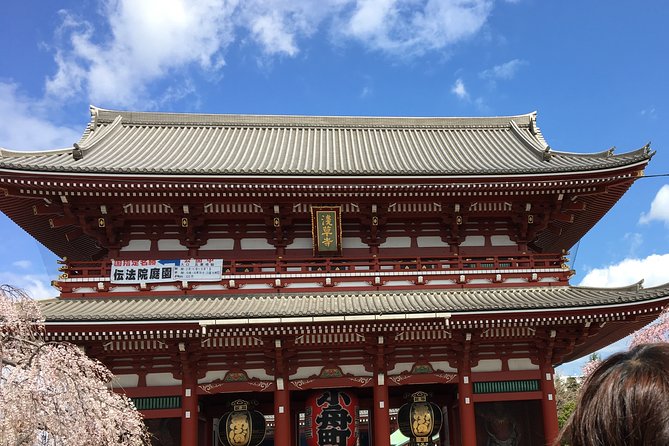
The Asakusa stop changes the mood completely. Here you visit Tokyo’s oldest temple and walk through the city’s oldest shopping street. It is a good counterpoint to the formal grounds around the Imperial Palace, with a more direct connection to everyday street life and traditional Tokyo.
Plan on about an hour. You have time for the temple area and shopping street, but not an extended shopping expedition. If you want to buy snacks or small souvenirs, tell Rieko early so you can use the available time well.
The appeal of having a guide here is context. Asakusa can be easy to photograph and harder to understand. Rieko’s historical explanations help connect the temple district to the wider story of Tokyo, which is especially useful if this is your first visit.
The stop is free according to the tour details, though purchases are your responsibility. As with any busy city sight, keep your group together and pay attention to the meeting time. The tour continues by public transportation, so a little discipline helps protect the time at the later gardens.
Hamarikyu Gardens and a former shogun retreat
Hamarikyu Gardens gives you a different kind of history. This former duck-hunting site belonged to the shogun family, and the setting now offers broad garden views in the middle of modern Tokyo.
That contrast is the reason to keep this stop on your radar. You can move from temple streets and city transport into a historic garden without leaving central Tokyo. The visit is less about one famous building and more about seeing how power, leisure, and garden design once worked together.
The planned time is about an hour. Admission is not included, so budget for a separate ticket. The tour price does not cover garden entries at Hamarikyu or Shinjuku Gyoen, and the exact total will depend on which places Rieko selects for the blossom portion.
Hamarikyu is also a sensible place for a slower walk. The available information does not promise a particular cherry tree display here, and Rieko may choose other locations if the flowers are better elsewhere. That is a positive feature of the flexible plan, not a weakness. You get the garden’s historical value even if another park becomes the main blossom stop.
More Cherry Blossom Tours in Tokyo
- Cherry Blossom Private Tour
★ 4.5 · 18 reviews - Licensed Guide Tokyo Meguro Cherry Blossom Walking Tour
★ 4.5 · 13 reviews - Evening Hanami (Cherry Blossom) Experience with a Local
★ 3.5 · 10 reviews - Tokyo: Mt. Fuji & Hakone Cherry Blossoms Private Day Tour
★ 3.5 · 9 reviews
Chidorigafuchi and the Imperial Palace moat
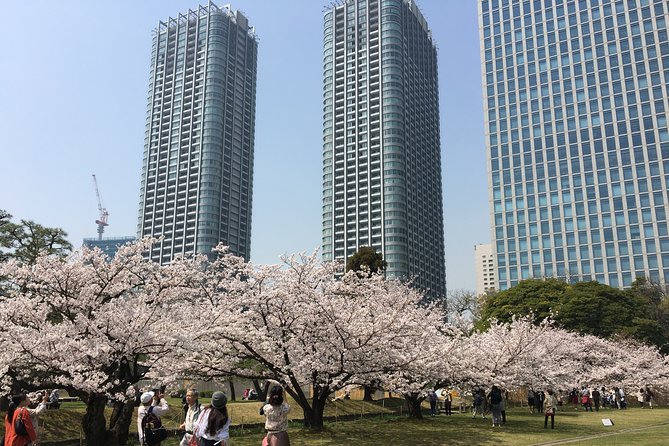
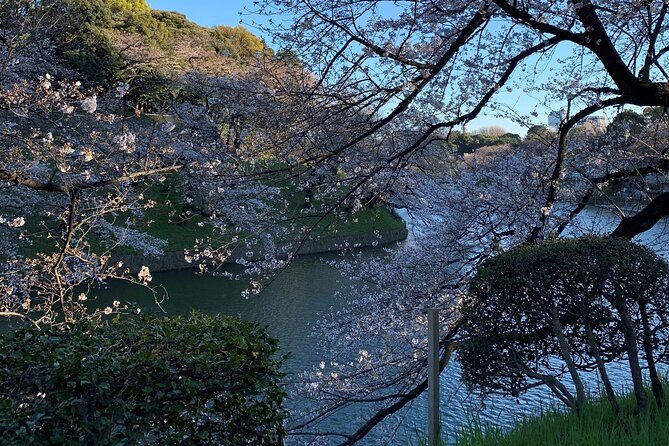
Chidorigafuchi is the shortest listed stop, at about 30 minutes. Its appeal is simple: cherry trees color the area around the moat of the Imperial Palace, creating one of central Tokyo’s most recognizable spring scenes.
This is a focused blossom pause rather than a full garden visit. You should expect time for a walk, views, and photographs, but not a long historical presentation or a complete tour of the Imperial Palace grounds.
Admission is free. That helps balance the paid gardens elsewhere in the day. The brief duration also makes this stop useful when the schedule needs to stay on track, especially if city transfers or the season’s best viewing spot require a change of plan.
If you are mainly interested in cherry blossoms, Chidorigafuchi may be one of the most important stops on the route. But the guide’s plan can change according to conditions. Ask Rieko at the start of the day which two or three places will receive the most blossom-viewing time.
Shinjuku Gyoen for a longer cherry blossom season
Shinjuku Gyoen National Garden is the route’s other major blossom destination. It is known for having several types of cherry trees, allowing visitors to enjoy flowers over a longer period than at a site with only one variety.
That detail is valuable if your visit falls near the edge of the season. You may find some trees past their best while others are beginning to open. Rieko can use her local scouting and current conditions to decide how much attention this garden deserves.
The planned stop lasts about an hour, and admission is not included. Treat it as a paid garden visit when estimating the day’s cost. The tour description does not specify the admission amount, so confirm the current fee separately if you are keeping a tight budget.
Shinjuku Gyoen is a fitting final highlight, but do not assume it is guaranteed to receive the same amount of time on every tour. The whole idea is to follow the best flowers on the date you visit. A flexible guide may shorten one stop or favor another park if the timing is better.
Why the private format changes the day
This is a private activity, so only your group participates. That matters more than it might on a simple sightseeing walk. You can ask for more explanation at a historical site, spend less time shopping, or slow down when you need a rest.
Rieko’s handling of health needs is an important practical point. The tour is not advertised as a specialist accessible activity, and the details do not explain the walking surface, step-free access, or restroom arrangements at each stop. Still, the guide has shown a willingness to adjust the pace and provide rest time. Tell her about your needs when booking, not after the day has begun.
Most participants can take part, and the route is near public transportation. You should still expect walking, station transfers, and time outdoors. Six hours is a substantial half-day, especially during a busy spring visit.
The public transportation option also keeps the experience closer to ordinary Tokyo life. You are moving through the city as residents do, rather than spending the entire day inside a private vehicle. If you prefer less walking or need more control over transfers, request a private car, but remember that it is an extra cost.
What the $128.26 price really covers
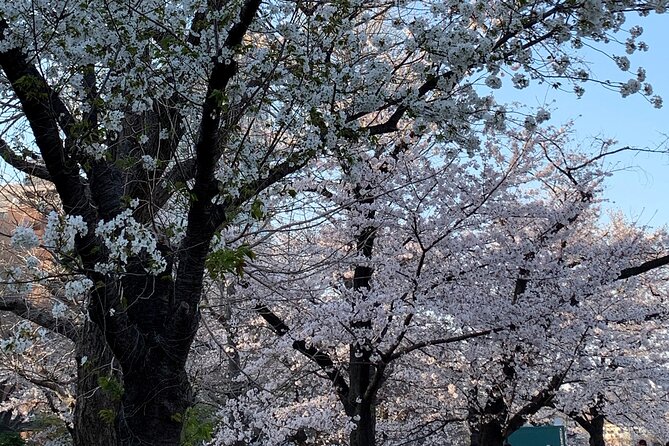
The price includes the guide fee. That is the core value here. You are paying for a private route, current blossom decisions, historical explanation, and the ability to shape the day around your group.
It does not include private transportation, lunch, or admission fees. The East Gardens and Chidorigafuchi are free, while Hamarikyu and Shinjuku Gyoen charge admission. Depending on the final route, those added costs may be modest, but you should not treat $128.26 as the complete cost of the day.
The price makes the most sense for couples, families, or friends who value personal attention. A solo visitor pays the full per-person rate without sharing it across a group, so the value depends on how much you want a private guide rather than a larger group excursion.
The tour is also booked an average of 149 days ahead, which points to strong spring demand. If your dates are fixed, book early. Cherry blossom trips have a narrow window, and flexible last-minute planning can be difficult.
Practical details before you reserve
You receive confirmation at booking, and the experience offers free cancellation up to 24 hours before the start time. Cancellations made less than 24 hours ahead are not refunded, and late changes are not accepted. The cut-off follows local Tokyo time.
Poor weather can cancel the experience. In that case, you are offered another date or a full refund. This is sensible for an outdoor cherry blossom tour, but keep the weather rule in mind when building a tightly scheduled Japan itinerary.
The starting point is Tokyo Station, Marunouchi North Exit, at 1 Chome-9 Marunouchi, Chiyoda City. The end point is Shimbashi Station, at 2 Chome-17 Shinbashi, Minato City. A hotel pickup and drop-off option adds about 30 minutes per direction, so it can lengthen the day considerably.
Wear comfortable walking shoes and carry a small amount for garden admissions and food. Those are practical recommendations based on the walking route and included services, not extra promises about what the guide supplies.
Who should book this Tokyo blossom tour?
I would choose this experience if you want cherry blossoms but also want to understand the city around them. It suits first-time Tokyo visitors who prefer a guide to connect the Imperial Palace, Asakusa, and historic gardens instead of organizing several separate visits.
It is also a good match for families or small groups that want a private pace. Rieko’s willingness to accommodate rest needs is useful, although you should discuss any mobility or health concerns in advance because the tour details do not provide a full accessibility breakdown.
You may want another option if you dislike public transportation, need a guaranteed fixed route, or want admission and lunch included in one price. You should also reconsider if you need a fully indoor activity, since the tour depends on good weather and spends much of the day outdoors.
For most people booking during blossom season, the strongest reason to choose it is Rieko’s flexibility. The flowers decide the schedule, and she adjusts the plan to match. That gives you a better chance of seeing Tokyo at its most seasonal without giving up the city’s temples, gardens, and historical sites.
FAQ
How long does the cherry blossom tour last?
The tour lasts approximately six hours.
Is this a private tour?
Yes. Only your group participates in the activity.
Where does the tour start and end?
It starts at Tokyo Station’s Marunouchi North Exit and ends at Shimbashi Station.
Does the tour include hotel pickup?
Pickup and drop-off can be requested. Allow about 30 minutes each way if you use the hotel pickup and drop-off option.
Are admission fees included?
No. Admission fees are not included. The East Gardens of the Imperial Palace and Chidorigafuchi are listed as free, while Hamarikyu Gardens and Shinjuku Gyoen require separate admission.
What happens if the weather is poor?
Because the experience requires good weather, it may be canceled in poor conditions. You will be offered a different date or a full refund.
Just added around Tokyo
- Tsumami Zaiku Japanese Fabric Flower Class★ 5.0 · 3 reviews
- Tokyo: Serene Sakura & Sake: An Exclusive Brewery Pairing Lunch★ 5.0 · 2 reviews
- Tsukiji Food Strolling and Hama Rikyu Garden Walking Tour★ 5.0 · 7 reviews
- Private tour – Scenic Fuji Escape: Hakone, Peace Park & More★ 5.0 · 4 reviews
- Tokyo Cherry Blossom Half Day Walking Tour with a Local Guide★ 3.5 · 4 reviews
- TOKYO: Tailored Gardens tour with Pro Gardener by E-bike -BASIC★ 5.0 · 2 reviews
- Cherry Blossom Highlights, Asakusa, Ueno, Imperial Palace Garden★ 4.5 · 4 reviews
- Japan’s Customs of Ikebana Art, Tea Ceremony & Kimono Welcome★ 5.0 · 2 reviews
Tokyo Garden Tours, compared.
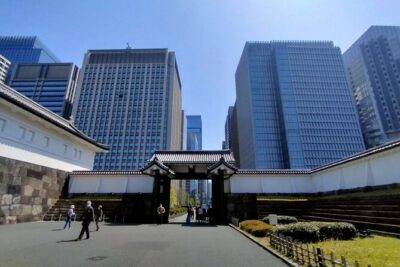
Imperial Palace East Garden and Edo Castle Walking Tour in Tokyo
Read our review →
Edo Castle & East Garden of the Imperial Palace Tour
Read our review →
Tokyo Private Tour! Edo Castle & Imperial Palace East Gardens
Read our review →
Mount Fuji & Lake Kawaguchiko Private Tour: Beyond the Ordinary
Read our review →
Rainbow Bridge Day Cruise Show and Only Soft Drinks
Read our review →
Tsukiji Market and Hama-rikyu Gardens Guided Tour
Read our review →Browse the lists this tour appears in