
Review · JAPANESE & ZEN
Japanese Garden & Western Architecture: Akasaka exploration tour
Akasaka gives you a welcome change from Tokyo’s tall buildings and packed commercial streets. This private walk links a 400-year-old Japanese garden with Akasaka Palace, a grand state reception building, and the Meiji Memorial Picture Gallery. The contrast is the point: traditional ponds and waterfalls one moment, European-style stonework and broad avenues the next.
I especially like the garden setting and the private format. You can ask your guide to explain a detail that catches your eye, slow down for photographs, or spend more time on the palace instead of keeping pace with a large group. Guides who have led this experience include Sayaka, Mutsuko Takano, Ume, and Ayako. One guide even helped arrange a visit to a traditional tea shop.
The main drawback is that the advertised price does not include the ¥2,000 Akasaka Palace admission fee. You’ll also walk for much of the 3 to 4 hours, and the route ends at a different station from where it begins. Bring comfortable shoes, cash, and a little flexibility if weather or temporary closures change the plan.
Key points at a glance
- A 400-year-old garden begins the tour: Waterfalls, seasonal plants, ponds, and changing light make this the most peaceful part of the route.
- Akasaka Palace adds grand Western architecture: The State Guesthouse offers a striking look at how Japan receives kings, presidents, and other official visitors.
- The private format keeps the history personal: Only your group takes part, so questions and pacing are easier to manage.
- The Meiji Memorial Picture Gallery brings another era into view: Murals and paintings explain Japan’s transition into the modern period.
- The route ends beneath Tokyo’s famous ginkgo trees: Jingu Gaien provides a broad, photogenic finish near Gaiemmae Station.
- Plan for extra spending and walking: Admission, food, and any other costs at the stops are yours, with about ¥2,000 expected for entry.
Why Akasaka makes a smart Tokyo walking tour
Tokyo can feel like a city of towers, traffic, and shiny stations. Akasaka shows you another side. The district has official buildings, old religious traditions, formal gardens, art, and quiet green corners packed into a manageable route.
This is not a tour built around one famous monument. It works through contrast. You begin among carefully arranged Japanese scenery, move to a palace with a castle-like exterior, then visit a museum devoted to the Meiji era before finishing along a long avenue of ginkgo trees.
I find that kind of route useful early in a Tokyo visit. It gives you a basic timeline without asking you to spend a full day inside a single museum. The guide connects the Tokugawa shogunate and Edo period with the later Meiji era, when Japan changed its political structure and outlook.
The tour begins at Akasaka-Mitsuke Station, at 3-chōme-1-6 Akasaka in Minato City. It finishes at Gaiemmae Station, at 2-chōme-7-16 Kitaaoyama. Since this is a one-way walk, you do not waste time retracing your steps. It also means you should not plan to return to the starting station without checking a map or using Tokyo’s train network.
More Japanese Garden Tours in Tokyo
- Tokyo Japanese Garden Lover’s Private Tour with Government-Licensed Guide
★ 5.0 · 27 reviews - Make Your Own Bonsai with a Professional Bonsai Artist in Tokyo
★ 4.5 · 18 reviews - Experience Crafting a Flower-Adorned Mini Japanese Garden
★ 4.7 · 15 reviews
Hotel New Otani Japanese Garden: quiet water and seasonal color
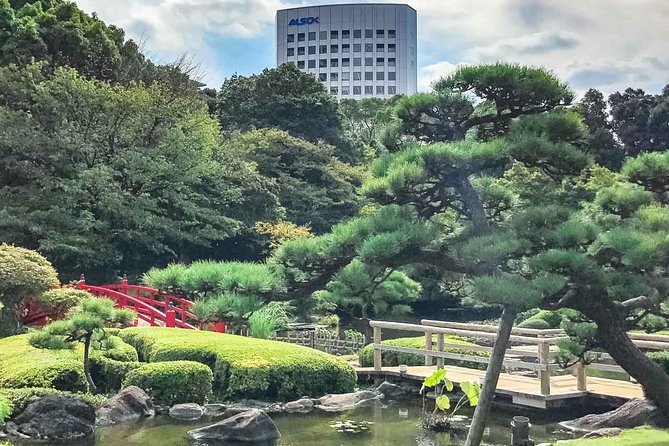
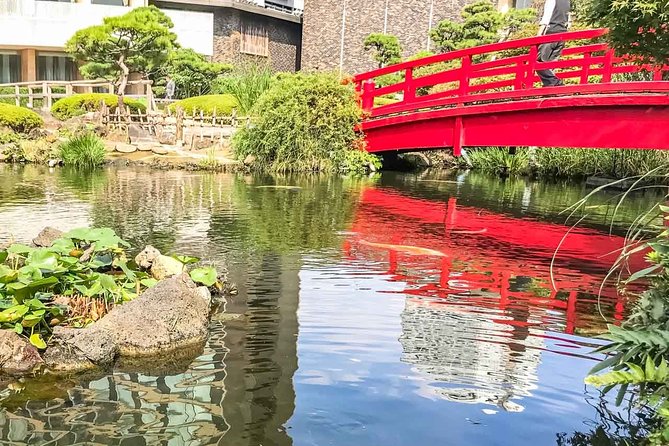
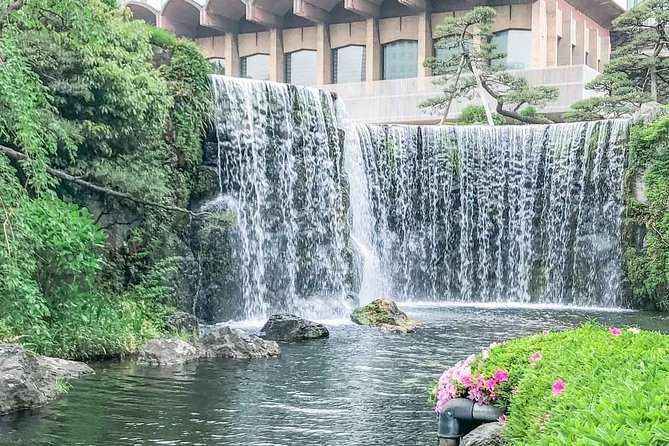
The first stop is the Hotel New Otani Japanese Garden, where you spend about 40 minutes. The garden has a history of roughly 400 years and includes waterfalls, ponds, and seasonal plants.
This is a good opening because it slows the pace immediately. You can look at the water, stone arrangements, and plantings while your guide explains how Japanese gardens use small spaces to suggest a larger natural setting. The supplied information does not promise a tea ceremony, but the tour description does mention sipping tea beside a pond as part of the experience. Any tea or food costs are not included.
Season matters here. Spring may bring cherry blossoms. Summer offers dense green foliage. Autumn can add colorful leaves and evening illumination, according to the seasonal description. You should treat these as possible conditions rather than guaranteed sights on your date.
The garden admission itself is listed as free. That helps the tour’s value, since the paid palace visit is the main added cost. Allow time for photographs, but remember that this is a guided route, not an open-ended garden visit. If gardens are your main reason for booking, tell your guide early so the stop receives the attention you want.
A small practical point: one guide helped arrange a traditional tea shop reservation for a visitor. That is a useful example of what a private guide may be able to assist with, but tea is not built into the tour and there is no dining stop included.
Akasaka Palace: the tour’s grandest stop
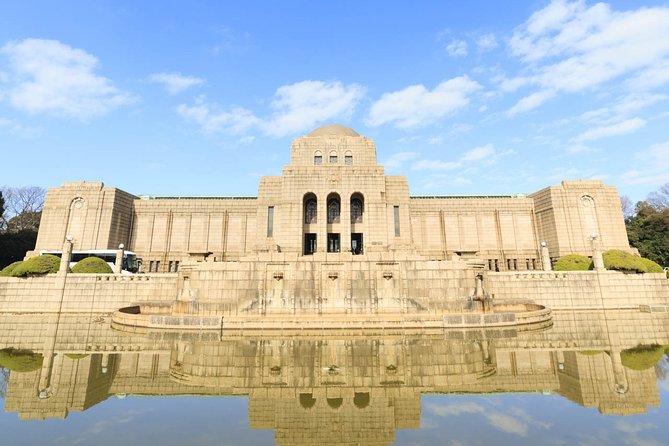
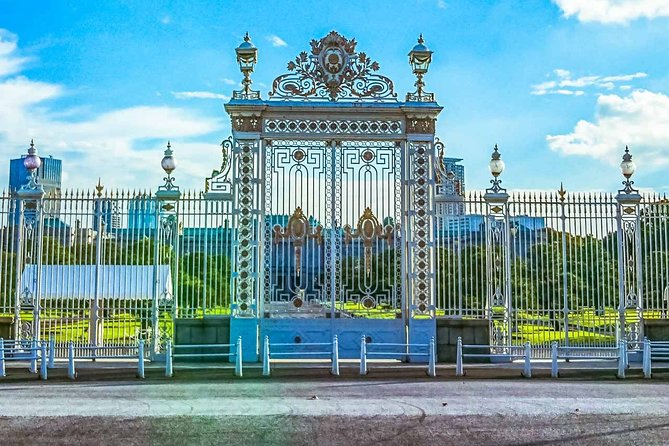
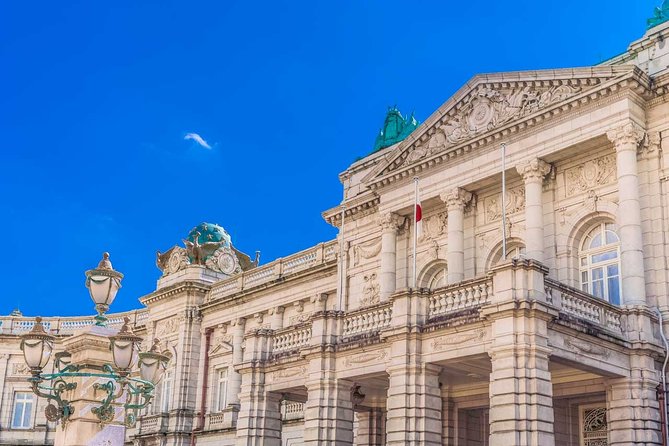
Akasaka Palace, also called the State Guesthouse, receives kings, presidents, and other official visitors from around the world. Its exterior has the look of a European castle, making it a sharp contrast with the garden you have just left.
You spend about 50 minutes here, the longest scheduled stop. The palace is the visual centerpiece of the tour. If you enjoy architecture, official buildings, or modern Japanese history, this is likely where the route becomes most memorable.
The palace has been open to the public since 2016, which gives the visit a useful sense of access to a place that once felt reserved for formal diplomacy. You can think of it as Japan’s public face in architectural form: formal, ceremonial, and designed to impress.
Admission costs ¥2,000 per person and is not included in the tour price. The estimated extra cost is also listed as ¥2,000 per person, with no transportation or meal charge included in that estimate. Carry cash because some places on the route may not accept credit cards.
The palace stop also comes with the greatest uncertainty. The information provided does not guarantee that every interior area will be open on every date. Temporary closures can lead to alternative stops, and bad weather may change the route or destinations. Ask your guide at the start what access is available that day.
Meiji Memorial Picture Gallery and the move into modern Japan
The Meiji Memorial Picture Gallery takes about 40 minutes. Its dome-shaped building focuses on the Meiji era, a period when Japan moved from the old shogunate system toward a modern state with new institutions, technology, and international ties.
Inside, you can see paintings and murals. The building itself is part of the visit, with views from the entrance toward the outer garden and Aoyama Street. This makes the stop useful even if you are not a dedicated art museum visitor. You are looking at both the artwork and the public architecture created to present a particular version of national history.
The guide’s explanation matters here. Without context, a series of historical paintings can feel distant. With a local guide, you can ask what the images show and how the Meiji era relates to the Edo period discussed earlier in the tour.
Admission is not included. The supplied cost estimate identifies the Akasaka Palace fee specifically, but it also says all admission fees at visited spots are the customer’s responsibility. Confirm any fee for the gallery with your guide or at the entrance rather than assuming every stop is free.
This is also a good point to judge the tour’s style. It is not simply a photo walk. The route is built around historical explanation, and the strongest part of the experience will come from asking questions about the transition between eras.
Same place, a different kind of green day out:
- Imperial Palace East Garden and Edo Castle Walking Tour in Tokyo
★ 5.0 · 510 reviews - Mt. Fuji Day Trip from Tokyo with English Speaking Driver Guide
★ 5.0 · 443 reviews - Tokyo: Imperial Palace East Gardens Walking Tour
★ 4.8 · 353 reviews - Mt. Fuji, Cherry Blossom & Shiba Sakura Pvt. Day Tour
★ 5.0 · 326 reviews
Jingu Gaien’s ginkgo avenue: a broad finish
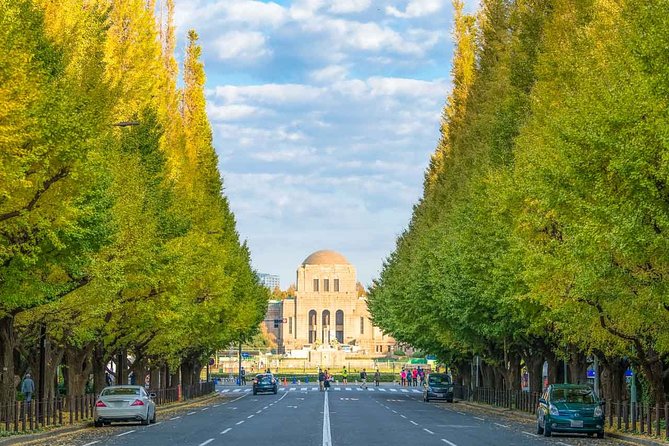
The final stop is the Jingu Gaien ginkgo tree-lined street, with about 20 minutes set aside for the visit. The avenue is one of Tokyo’s best-known seasonal scenes, with ginkgo trees forming a long corridor of foliage.
The view changes sharply through the year. Green leaves give the street a cool summer feel, while autumn brings the golden color most often associated with the avenue. The information also describes it as a setting for the four seasons, so you should not expect the famous yellow display outside the right time of year.
This short stop works as a visual finish after the enclosed garden, formal palace, and museum. There is room to take photographs and absorb the scale of the avenue before reaching Gaiemmae Station.
The 20-minute schedule is fairly tight. If you want a long photo session, tell your guide before the final stop, though the route timing may limit how much you can add. The end point is Gaiemmae Station, which is convenient if you plan to continue around Aoyama or other parts of central Tokyo.
What the private format adds
This is a private tour, so only your group participates. That matters more here than it would on a simple sightseeing bus ride. Gardens, paintings, and historical buildings invite questions, and the private setting makes it easier to ask about something specific without holding up a large party.
You can also discuss the pace. One piece of direct feedback about the experience suggested deciding how long to spend at each destination more clearly. That is sensible advice. The schedule gives approximate times, but your interests may not match the standard balance.
If you care most about architecture, you may want more time near Akasaka Palace. If you prefer gardens and local culture, you may want to linger at the Japanese garden or ask about a tea shop afterward. The guide can help shape the conversation, but the route still has four scheduled stops to cover.
The guides associated with this tour have included Ayako, Sayaka, Mutsuko Takano, and Ume. Their reported strengths vary from calm flexibility and enthusiasm to strong English and useful local assistance. You cannot assume a particular guide will lead your date, but the experience is designed around a local guide rather than an audio recording or printed route.
Price, walking, and what you actually pay
The listed price is $82.42 per person, with group discounts available. Since the tour is private, the value improves when several people share the experience. A couple or small family may find it worthwhile if personal attention matters more than the lowest possible price.
The price includes the tour guide, private touring, and the necessary expenses for the guide. It does not include your own transportation costs, admission fees, food, or drinks. The estimated extra cost is ¥2,000 per person, specifically identifying the Akasaka Palace entrance fee.
Transportation is listed at ¥0 in the estimated tour costs, but that does not mean you should assume every ride in Tokyo is covered. The meeting points are stations, and the route is primarily a walk. Any transportation you personally use to reach Akasaka-Mitsuke or leave Gaiemmae is your responsibility.
You should wear comfortable clothing and shoes. The tour lasts around 3 to 4 hours, and the route includes several outdoor areas. Bad weather may change the transportation, destinations, or route. Temporary closures may also lead to alternative sites.
The tour does not include a meal or dining stop. Eat beforehand or plan food after reaching Gaiemmae. Bring cash because some locations may not accept cards.
Who will enjoy this Akasaka route most
I would choose this tour if you want Tokyo history explained at a human pace, especially if you have already seen the major central districts and want something calmer. It suits people who enjoy gardens, formal architecture, museums, and the story of Japan’s change from the Edo period to the Meiji era.
It is also a good match for first-time visitors who prefer a private introduction to a district rather than a large sightseeing group. Families and small groups may appreciate being able to ask questions and manage the pace.
You may want a different activity if you dislike walking, want a food-focused experience, or need a fixed route with no possibility of substitutions. The tour’s appeal depends on the four-stop combination, so a temporary closure or bad weather could change what you see.
The route is also not ideal for someone who wants a long, unhurried visit at each site. The scheduled times are useful for seeing several places, but they require reasonable pace and cooperation from your group.
Booking advice and cancellation terms
The experience is often booked well ahead, with an average booking lead time of 164 days. That suggests you should reserve early if your Tokyo dates are fixed, especially if you need a particular day or are traveling with a group.
A mobile ticket is available, and confirmation is received at booking. Free cancellation is allowed up to 24 hours before the local start time for a full refund. Changes or cancellations made inside that 24-hour window are not accepted or refunded.
Before you book, check three things: the extra ¥2,000 palace charge, the one-way station arrangement, and the walking involved. Then decide if the private guide and historical context justify the cost for your group.
Should you book the Akasaka exploration tour?
Book it if you want a calm, private walk that connects Japanese garden design, diplomatic architecture, and Meiji-era art in one half-day outing. The tour offers more than pretty scenery because the guide gives the places a shared historical thread.
I would give it priority for garden lovers, architecture fans, and anyone who wants to ask plenty of questions. The best moments are likely to come from the contrast between the 400-year-old garden and Akasaka Palace, followed by the clear shift toward modern Japan at the picture gallery.
Skip it if you want a food stop, a fully included price, or a guaranteed fixed itinerary in poor weather. For everyone else, the route offers a thoughtful break from Tokyo’s busy core, with enough variety to make 3 to 4 hours feel well used.
FAQ
How long does the Akasaka exploration tour last?
The tour lasts approximately 3 to 4 hours.
Where does the tour begin?
It begins at Akasaka-Mitsuke Station, at 3-chōme-1-6 Akasaka, Minato City, Tokyo 107-0052, Japan.
Where does the tour finish?
The scheduled finishing point is Gaiemmae Station, at 2-chōme-7-16 Kitaaoyama, Minato City, Tokyo 107-0061, Japan.
Is this a private tour?
Yes. Only your group participates in the private tour.
Is the Akasaka Palace admission included?
No. The entrance fee for Akasaka Palace is ¥2,000 per person and must be paid separately.
Are meals included?
No. The tour does not include a dining stop, and food and drinks are your responsibility.
Do I need to bring cash?
Yes. Some places visited during the tour may not accept credit cards, so carrying cash is recommended.
What happens if the weather is bad?
The transportation, destinations, or route may change if the weather is bad. Temporary closures may also result in alternative stops.
Can I cancel for a full refund?
Yes. You can cancel at least 24 hours before the experience’s local start time for a full refund. Cancellations or changes made less than 24 hours before the start are not accepted or refunded.
Just added around Tokyo
- Tsumami Zaiku Japanese Fabric Flower Class★ 5.0 · 3 reviews
- Tokyo: Serene Sakura & Sake: An Exclusive Brewery Pairing Lunch★ 5.0 · 2 reviews
- Tsukiji Food Strolling and Hama Rikyu Garden Walking Tour★ 5.0 · 7 reviews
- Private tour – Scenic Fuji Escape: Hakone, Peace Park & More★ 5.0 · 4 reviews
- Tokyo Cherry Blossom Half Day Walking Tour with a Local Guide★ 3.5 · 4 reviews
- TOKYO: Tailored Gardens tour with Pro Gardener by E-bike -BASIC★ 5.0 · 2 reviews
- Cherry Blossom Highlights, Asakusa, Ueno, Imperial Palace Garden★ 4.5 · 4 reviews
- Japan’s Customs of Ikebana Art, Tea Ceremony & Kimono Welcome★ 5.0 · 2 reviews
Japanese & Zen Garden Tours, compared.
Lafcadio Hearn Japanese Gardens Admission Adult Ticket
Read our review →
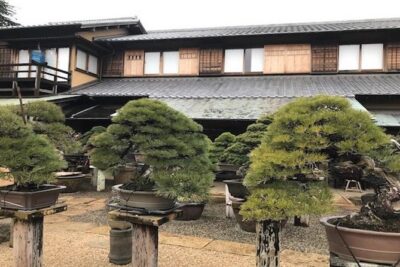
Make Your Own Bonsai with a Professional Bonsai Artist in Tokyo
Read our review →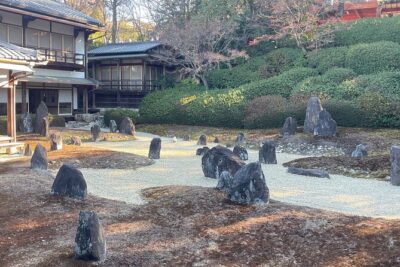
Kyoto Guided Walking Tour: Secret Zen Garden and Fushimi Inari
Read our review →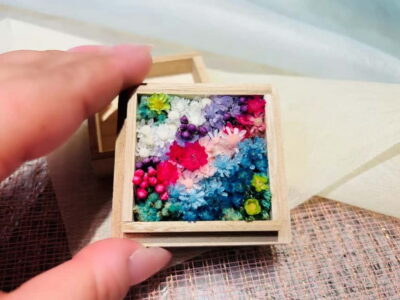
Experience Crafting a Flower-Adorned Mini Japanese Garden
Read our review →
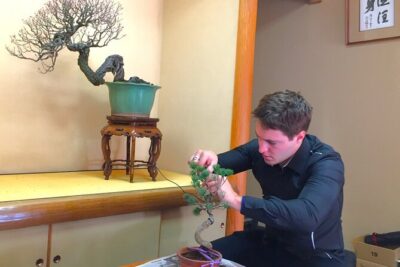
Bonsai Tour & Experience at the Most Sacred City for Bonsai in JP
Read our review →Browse the lists this tour appears in