
Review · JAPAN
Ishigaki:A phantom flower withers overnight “Sagari-bana”
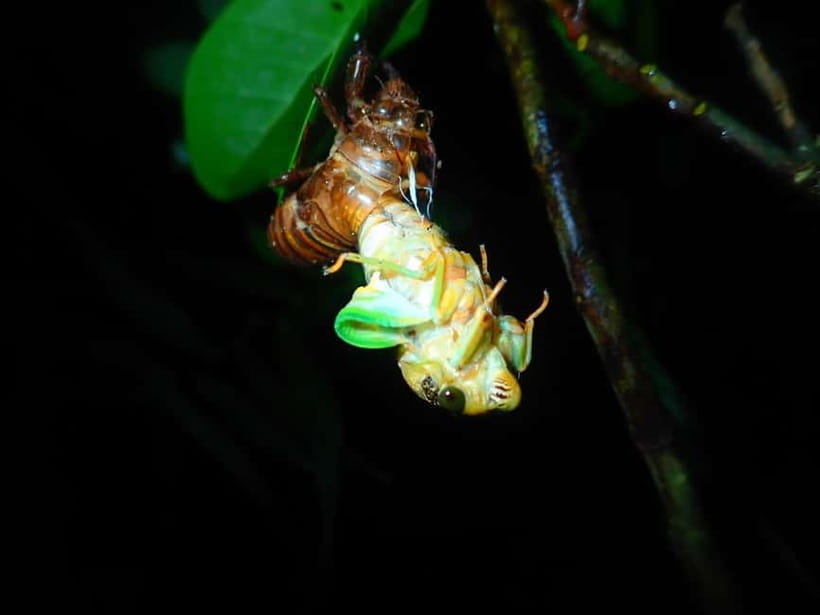
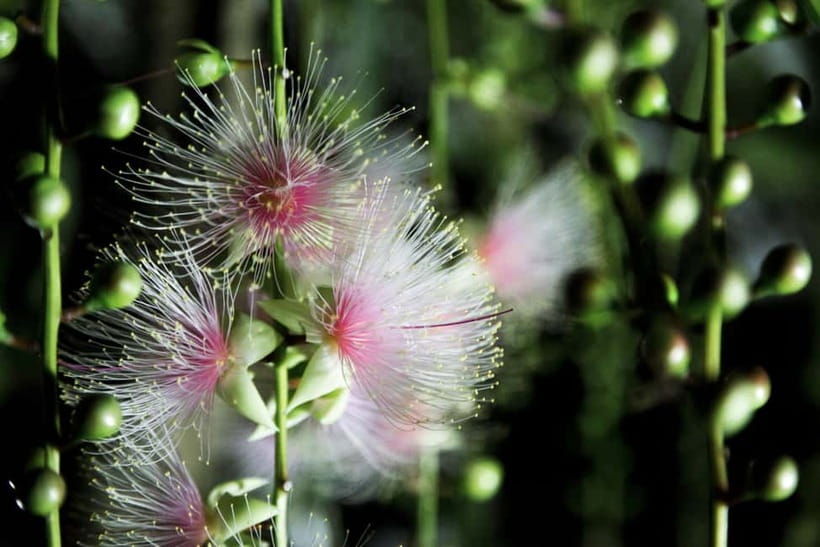
The rare sagari-bana flower is Ishigaki’s fleeting summer star. It opens after dark, releases a sweet scent, and withers by morning. For a short window from July through August, you can walk into the night to see a plant found only in southwestern Japan, including Okinawa.
I like two things right away: the tour offers a close look at a delicate natural event rather than a standard sightseeing stop, and the small price of $31 per person includes a guide, night walk, light, and liability insurance. The flower’s good-luck folklore adds a nice local touch.
The main drawback is physical. You will walk and use stairs, and there are no nearby restrooms. Language can also matter: the tour is offered in Japanese or English, but the experience may run in Japanese only depending on the booking mix.
Key points to know before booking
- The flower lasts only one night: Sagari-bana blooms after dark and fades by morning, so July and August are the only stated season for this experience.
- Meet at a clear city landmark: Look for the red mailbox beside the central entrance of Euglena Ishigaki Port Remote Island Terminal.
- Expect a real walk: Stairs and considerable walking make this unsuitable for anyone who needs an easy, flat outing.
- Akira is one named guide: A July booking specifically praises guide Akira for helping make the sighting special.
- Language is not guaranteed in every group: English and Japanese are offered, but a Japanese-only tour may be arranged.
- Bring practical clothing: You need a towel, cash, and clothes that can get dirty.
Why sagari-bana makes this Ishigaki night special
Ishigaki has plenty of daytime scenery, but sagari-bana gives you a reason to go out after sunset. This flower is called a phantom flower because it blooms only at night and is gone by morning. That short life changes the mood of the outing. You are not simply checking a plant off a list. You are trying to catch a natural event before it disappears.
The flower’s scent is part of the appeal. Its sweet, delicate fragrance fills the area when it blooms, adding another sense to the experience. In a place where evening heat, darkness, and the smell of flowers come together, the setting can feel almost dreamlike without needing any theatrical effects.
The flower is also linked with good fortune. That belief is not a promise, of course, but it gives the sighting a little meaning beyond its appearance. I like that this tour connects a rare plant with local feeling while asking you to treat its home with care.
The growing area is protected for environmental reasons. Your guide’s instructions matter here. Stay where you are told, avoid touching the plants, and keep your light under control when asked. The point is to see the flower without damaging the place that allows it to return each summer.
Other gardens people visit around Japan:
- Osaka: teamLab Botanical Garden Entry Ticket
★ 4.5 · 1,710 reviews - Imperial Palace East Garden and Edo Castle Walking Tour in Tokyo
★ 5.0 · 510 reviews - Mt. Fuji Day Trip from Tokyo with English Speaking Driver Guide
★ 5.0 · 443 reviews
Meeting at the red mailbox by the port
The starting point is the Euglena Ishigaki Port Remote Island Terminal. Find the red mailbox beside the central entrance and wait there. This is important because there is no hotel pickup, and the operator asks you to wait near that exact spot rather than inside a vehicle or at a general port area.
The meeting time can change with the season and weather. You should receive the meeting details and a guide contact by the day before the tour. Enter a Japanese phone number if you have one and keep it available. If no message arrives by 6 p.m. the day before, contact ISHIGAKI ADVENTURE PiPi by WhatsApp, email, or phone.
Plan to arrive early. If you are late and the operator cannot reach you, the tour may be canceled and a fee charged. This is especially worth taking seriously for a night activity with a fixed departure and a flower that cannot simply be visited at another time of day.
Use the restroom before meeting. There are no restrooms nearby during the outing. That is a small detail, but it can make a big difference for families and anyone who prefers not to be caught short during a two-hour walk.
The night walk and search for the flower
From the port, the activity continues on foot in Ishigaki for wildlife viewing and flower spotting. The stated walking portion is about one hour, while the full experience lasts two hours. The extra time allows for meeting, movement, searching, and the return to the terminal.
You receive a guide and a light. The light is useful, but the protected setting means you should follow directions about where to point it and how to move. Night walks work best when everyone stays together and avoids rushing ahead. The guide’s role is not only to locate the flower, but also to help you notice creatures and stars along the way.
The flower itself may be small and delicate rather than a giant tropical display. Its appeal comes from timing, fragrance, and rarity. You need to be ready for a quieter kind of sightseeing, one that rewards patience and attention. If you expect a long list of dramatic attractions, this may feel modest. If you like nature at its most temporary, it can be memorable.
A confirmed July booking saw the flower with guide Akira, who was singled out for making the experience special. That detail is useful because a good guide can help you understand what you are looking at and why it matters. Guide assignments can vary, so Akira is not guaranteed for every departure.
The guide is also described as someone who knows creatures and stars. That widens the experience beyond one plant. Even if the flower is the main goal, the night setting gives you a chance to pay attention to the wider surroundings.
Walking, stairs, and the right level of fitness
This is not a gentle port stroll. The operator warns that the tour involves considerable walking and stairs. You should be comfortable walking for an extended period in nighttime conditions and managing steps without needing a flat, paved route throughout.
The stated age range is 3 to 65. Children under 3 and people over 65 cannot participate. Pregnant women and people with chronic illnesses are also excluded, and anyone with concerns should contact the operator before booking.
The age range makes the activity suitable for many families, but family-friendly does not mean effortless. A young child may manage the outing well, while a stroller is not allowed. You will need clothes that can get dirty, and the route may not suit a child who tires quickly or dislikes stairs.
Rain does not automatically stop the tour. It generally proceeds in wet weather, but local conditions can lead to cancellation. Bring a towel and dress for conditions that may be damp or muddy. The supplied information also lists snorkeling equipment, a wetsuit, and a life jacket among the tour highlights, although the detailed inclusion list focuses on the guide, night walk, light, and insurance. Confirm the current equipment arrangement if those items are important to you.
Same place, a different kind of green day out:
- Kyoto Zen Meditation & Garden Tour at a Zen Temple with Lunch
★ 5.0 · 441 reviews - Kyoto Arashiyama Bamboo forest & Garden Half-Day Walking Tour
★ 5.0 · 413 reviews - Tokyo: Imperial Palace East Gardens Walking Tour
★ 4.8 · 353 reviews - Mt. Fuji, Cherry Blossom & Shiba Sakura Pvt. Day Tour
★ 5.0 · 326 reviews
What the $31 price covers
At $31 per person, the cost is reasonable for a two-hour guided nighttime outing, particularly because the price includes the guide, a light, and liability insurance. You are paying for access to a short seasonal event and for help finding and understanding a flower that is not easy to see on a normal evening walk.
Transportation to the meeting point is not included. There is no hotel pickup, so you need to make your own way to the port. If you are already staying near central Ishigaki or using the terminal for island connections, that is simple. If you are staying farther away, add the cost and time of reaching the meeting point.
The value depends heavily on your interest in nature. Someone looking for a polished sightseeing show may find the price less convincing, especially if the flower is not in bloom or the weather disrupts the search. Someone who values a rare, time-sensitive event may find the cost modest for the chance to see it with a guide.
The tour offers free cancellation up to 24 hours in advance for a full refund, and you can reserve now and pay later. Those terms help when your Ishigaki schedule is still moving, but they do not remove the need to arrive on time or respond to the operator’s contact messages.
Language and guide communication
The tour is offered in English and Japanese. That is helpful for international visitors, but the booking conditions say the activity may be conducted in Japanese only, depending on the reservation situation.
One July booking had a driver who did not speak English, so the participant could not follow the conversation in the vehicle or at the location. The outing still went ahead, but this is a useful warning if spoken explanation is central to your plans. You may want to read about sagari-bana before arriving and keep a translation app ready.
The flower is visually striking and its fragrance needs no translation. Still, the guide may explain wildlife, stars, conservation rules, and the plant’s seasonal behavior. If you want to ask many questions in English, contact the operator ahead of time and confirm the language for your date.
What to bring and what to leave behind
Pack lightly, but choose sensible items. The operator asks you to bring a towel, cash, and clothes that can get dirty. The towel is useful if the weather is wet or the walk leaves you warm and damp.
Wear clothing that allows easy movement on stairs. Since the activity happens at night and includes walking, practical footwear matters. The supplied information does not specify a dress code beyond clothing that can get dirty, so use your judgment and prepare for changing weather.
Smoking, alcohol, drugs, and baby carriages are not allowed. Smoking is also prohibited in the vehicle. These rules fit the protected setting and the need to keep the group moving safely at night.
Do not count on buying supplies near the meeting point. Bring what you need before arriving, especially if you want cash or a drink. The key preparation is simple: use the restroom, arrive early, keep your phone available, and be ready for stairs.
How to make the most of the flower sighting
Read a little about sagari-bana before you go. Knowing that it blooms only at night and fades by morning helps you understand why the timing matters. It also gives you useful context if the guide has limited English on your departure.
Stay close to the guide and respect the conservation rules. The flower’s rarity is part of its value, and careless movement can harm the very place you came to see. Keep your hands to yourself and follow instructions about lights and where to stand.
Give yourself time to notice the scent. A quick photograph may not capture what makes the experience special. The fragrance, darkness, and knowledge that the flower will be gone by morning are central to the outing.
A July booking received a 4 out of 5 rating despite the language problem, while another booking gave the experience 5 out of 5 after seeing the flower with Akira. That contrast tells you something practical: the sighting itself can be powerful, but communication and expectations shape the experience. Prepare for a nature walk, not a fully scripted English tour.
Who should book this Ishigaki night walk
I would recommend this activity to people who enjoy unusual natural events, short seasonal windows, and guided walks after dark. It suits families with children aged 3 and up, provided everyone can handle stairs and a fair amount of walking.
It also fits repeat visitors to Ishigaki who want something different from beaches and daytime island trips. The flower’s local range and one-night lifespan give the outing a clear sense of place.
I would be more cautious if you have limited mobility, need frequent restroom access, are pregnant, have a chronic illness, or are over 65. The rules are firm, and the physical demands are not hidden.
You should also think carefully about language. English may be available, but it is not guaranteed for every group. If the guide’s explanations are the main reason you want to book, confirm the language before paying.
FAQ
Where does the sagari-bana tour meet?
Meet at the red mailbox next to the central entrance of the Euglena Ishigaki Port Remote Island Terminal.
How long does the experience last?
The full activity lasts about two hours. The walking and wildlife viewing portion is listed as about one hour.
When can I see sagari-bana?
The flower blooms from July to August. It opens at night and fades by morning.
Is hotel pickup included?
No. There is no hotel pickup, and transportation is not included.
What languages are available?
The tour is offered in English and Japanese. Depending on the reservation situation, it may be conducted in Japanese only.
Who cannot participate?
Children under 3, pregnant women, people with chronic illnesses, and people over 65 cannot participate. The tour also requires enough fitness for considerable walking and stairs.
What happens if it rains?
The tour generally proceeds in rainy weather, but it may be canceled depending on local conditions. Meeting and finishing times can also change with the season and weather.
Should you book this tour?
Book it if you want a rare, quiet nature experience and can manage a two-hour outing with stairs. At $31, the guide, light, insurance, and seasonal flower search offer fair value, especially if you are already near the port.
Skip it if you need easy access, guaranteed English commentary, hotel transport, or a fixed schedule. The best reason to book is simple: sagari-bana may be gone by morning, and this gives you a structured chance to see it at the one time it appears.
Just added around Japan
- Tsumami Zaiku Japanese Fabric Flower Class★ 5.0 · 3 reviews
- Tokyo: Serene Sakura & Sake: An Exclusive Brewery Pairing Lunch★ 5.0 · 2 reviews
- Tsukiji Food Strolling and Hama Rikyu Garden Walking Tour★ 5.0 · 7 reviews
- Private tour – Scenic Fuji Escape: Hakone, Peace Park & More★ 5.0 · 4 reviews
- Tokyo Cherry Blossom Half Day Walking Tour with a Local Guide★ 3.5 · 4 reviews
- TOKYO: Tailored Gardens tour with Pro Gardener by E-bike -BASIC★ 5.0 · 2 reviews
- Cherry Blossom Highlights, Asakusa, Ueno, Imperial Palace Garden★ 4.5 · 4 reviews
- Japan’s Customs of Ikebana Art, Tea Ceremony & Kimono Welcome★ 5.0 · 2 reviews
Japan Garden Tours, compared.

Imperial Palace East Garden and Edo Castle Walking Tour in Tokyo
Read our review →
Kyoto Zen Meditation & Garden Tour at a Zen Temple with Lunch
Read our review →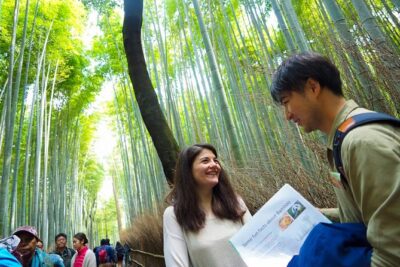
Kyoto Arashiyama Bamboo forest & Garden Half-Day Walking Tour
Read our review →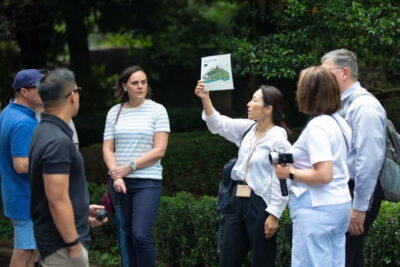
Authentic Kyoto Tea Ceremony: Camellia Flower Teahouse
Read our review →

Edo Castle & East Garden of the Imperial Palace Tour
Read our review →Browse the lists this tour appears in