
Review · JAPAN
Kyoto: Zen Meditation and Garden Tour at a Temple with Lunch
Kyoto’s Zen tradition makes the most sense when you experience it slowly: first in a garden, then inside a temple, and finally in a seated meditation session with a monk. This tour gives you that progression in about four and a half hours, ending with a traditional Buddhist lunch.
I like the calm pace and the chance to ask a local guide about Buddhist symbols, temple customs, and meditation. I also like the small booking limit of seven people, though the actual zazen session may include other participants in a larger room. The tour is not ideal if you need a private meditation class, dislike sitting on temple floors, or cannot eat fish-based dashi or some dairy.
Key points to know before booking
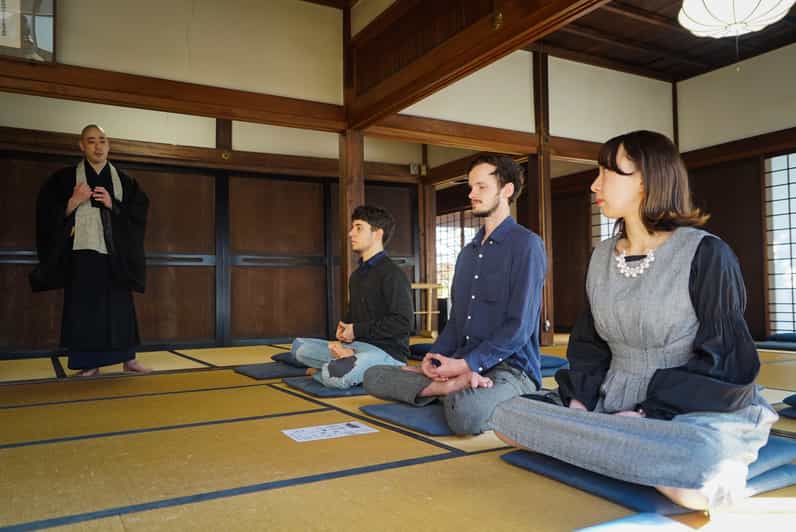
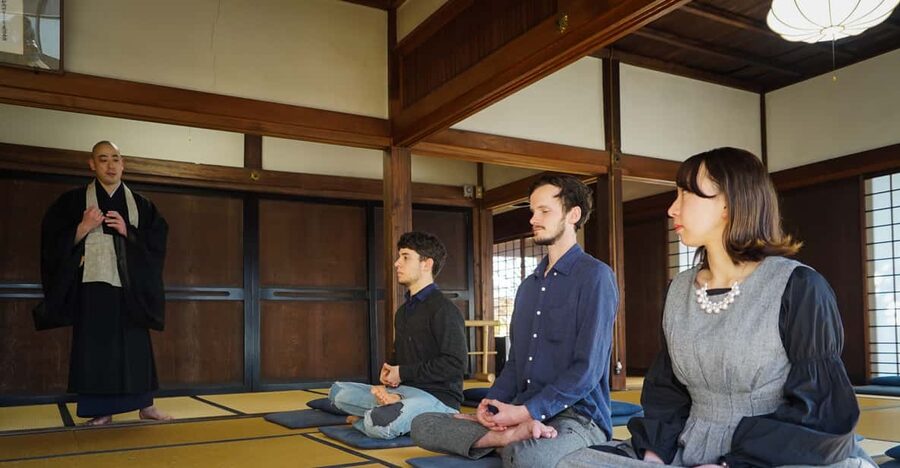
- Zazen with a monk: Learn posture, breathing, and basic Zen ideas during a one-hour seated meditation session.
- Three temple settings: See Kōmyō-in, Tofukuji, and Shōrin-ji, each offering a different view of Zen practice.
- Traditional lunch included: Eat shojin ryori, a Buddhist meal built around vegetables, mushrooms, seaweed, and broth.
- Small tour format: Bookings are limited to seven people, but the meditation hall may hold around 30 people.
- Guide-led cultural context: Guides such as Yutaka, Eri, Louis, and Tammy have been praised for clear explanations and helpful Kyoto advice.
- Timing matters: The meeting point is outside Tofukuji Station Exit 2, and late arrivals cannot join or receive a refund.
Why this Kyoto Zen tour feels different
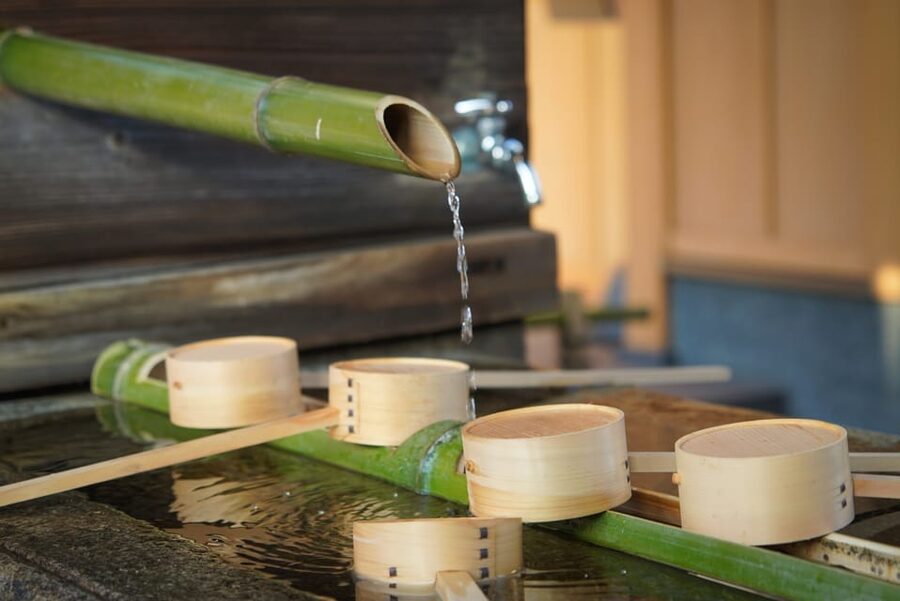
Many Kyoto temple visits are visual: you admire a gate, take a photo, and move on. This experience asks you to slow down and learn what Zen practice means before you sit down to meditate.
That opening matters. Zen is not simply a style of rock garden or a synonym for relaxation. It is a Buddhist tradition with ideas and practices that can be difficult to explain in a quick temple visit. Your guide gives you a basic framework first, so the garden and meditation session have more meaning.
The tour takes place near Tofukuji Station in southeastern Kyoto. This part of the city is easy to reach from Kyoto Station by JR train. It is also served by the Keihan Line from Shijo Keihan, but you need a sub-express, semi-express, or local train. Do not take an express train to Tofukuji.
At $107 per person, the price is not bargain-basement sightseeing. I think the value comes from the combination of admission fees, a live English-speaking guide, a one-hour meditation session, photos, and lunch. If you only want to see Tofukuji’s famous buildings, you can spend less by visiting independently. If you want help understanding Zen and a meal that is difficult to arrange as part of an ordinary temple visit, the price is easier to justify.
A few more garden visits around Japan worth a look
- Kyoto Zen Meditation & Garden Tour at a Zen Temple with Lunch
★ 5.0 · 441 reviews - Sapporo: Furano Lavender & Biei Blue Pond Tour with Lunch
★ 4.6 · 13 reviews - Tokyo: Serene Sakura & Sake: An Exclusive Brewery Pairing Lunch
★ 5.0 · 2 reviews
Meeting at Tofukuji Station
The tour begins outside Exit 2 of Tofukuji Station, next to the Family Mart. This detail is worth taking seriously. One person had trouble after a taxi driver dropped them at the temple rather than at the station, leaving them to hurry to the meeting point.
I recommend using the train and arriving early. The tour starts on time, and you cannot join the group later if you miss it. That strict policy may feel unforgiving, but the meditation portion depends on silence and an orderly start.
From Kyoto Station, JR trains are the simplest choice. From the Shijo Keihan area, use the Keihan Line, but check the train type carefully. A few extra minutes at the station is much better than trying to find a small group while the guide is already walking away.
The group limit is seven people, which makes the walking and question-and-answer portions feel personal. The guide can explain details at a human pace rather than delivering a speech to a large crowd. Past guides have included Yutaka, Eri, Louis, and Tammy, but your guide will depend on the date.
Kōmyō-in’s garden sets the tone
Your first stop is Kōmyō-in, where you spend about 40 minutes. This is the right place to begin because the garden gives you a quiet introduction to Zen before the formal meditation session.
Your guide explains how to look at the garden and points out basic ideas connected with Zen. You are not simply asked to admire the stones and gravel. You are encouraged to notice how space, empty areas, plants, and carefully placed elements work together.
The garden visit also gives you time to settle into the tour. Kyoto can be noisy and crowded, especially around its famous sights. Kōmyō-in offers a quieter setting, and the garden is often one of the most calming parts of the morning or afternoon.
I would not expect a long academic lecture here. The information is intended to prepare you for the experience, not turn you into a scholar of Japanese Buddhism. That balance works well for someone who has general curiosity but little background.
Tofukuji’s gates, paintings, and old facilities
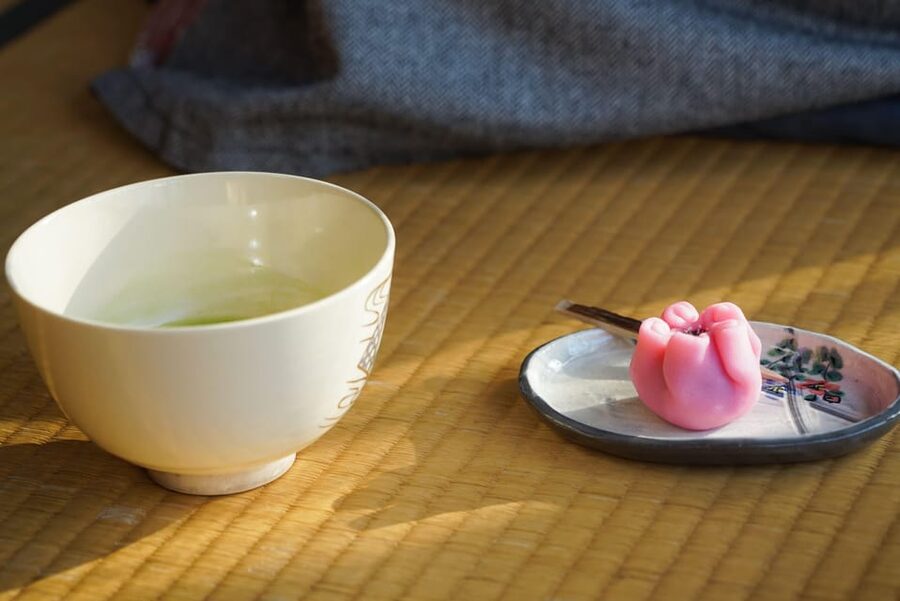
The route then takes you to Tofukuji Temple for about 10 minutes. Tofukuji is one of Kyoto’s five major Zen temples and has served as a place for monks to live and practice since the 13th century.
This is a short visit, so you should think of it as an introduction rather than a full temple tour. You may see the impressive San-mon gate, dragon paintings on a ceiling, and an old surviving toji, or temple toilet. The last detail is unusual, but it offers a practical reminder that temple life involved daily work as well as prayer and meditation.
The guide connects the visible buildings to the temple’s role as a working religious site. That is more useful than simply hearing dates and architectural labels. You begin to see that these compounds were places for training, eating, sleeping, cleaning, and sitting in meditation.
Because the Tofukuji stop is brief, photography and sightseeing time are limited. If the temple is a major priority for you, plan a separate visit. This tour uses Tofukuji as part of a larger story rather than treating it as the day’s only attraction.
Same place, a different kind of green day out:
- Osaka: teamLab Botanical Garden Entry Ticket
★ 4.5 · 1,710 reviews - Imperial Palace East Garden and Edo Castle Walking Tour in Tokyo
★ 5.0 · 510 reviews - Mt. Fuji Day Trip from Tokyo with English Speaking Driver Guide
★ 5.0 · 443 reviews - Kyoto Arashiyama Bamboo forest & Garden Half-Day Walking Tour
★ 5.0 · 413 reviews
Shōrin-ji and the one-hour zazen session
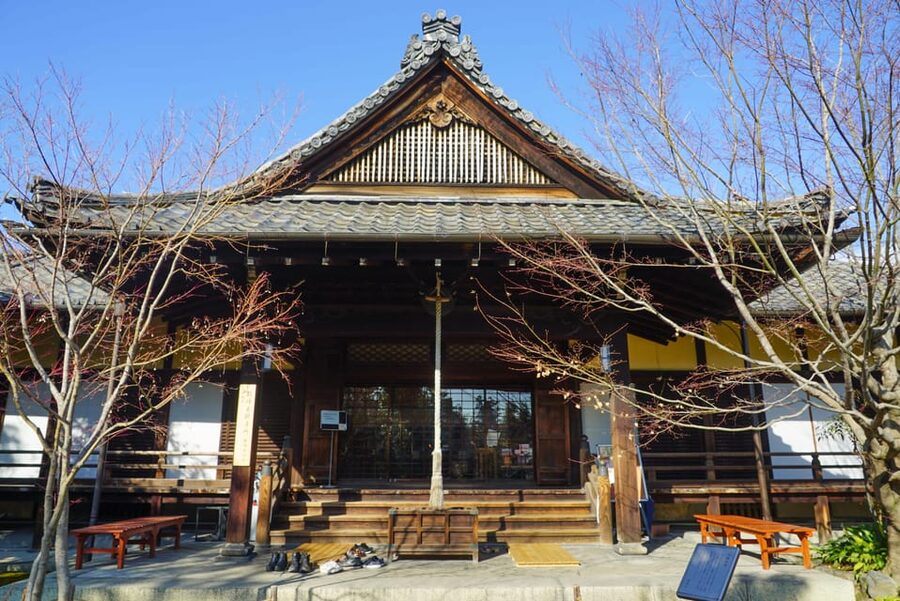
The main event takes place at Shōrin-ji, also called Bishamon-dō Temple. The visit lasts about 70 minutes, including the zazen session and the surrounding temple experience.
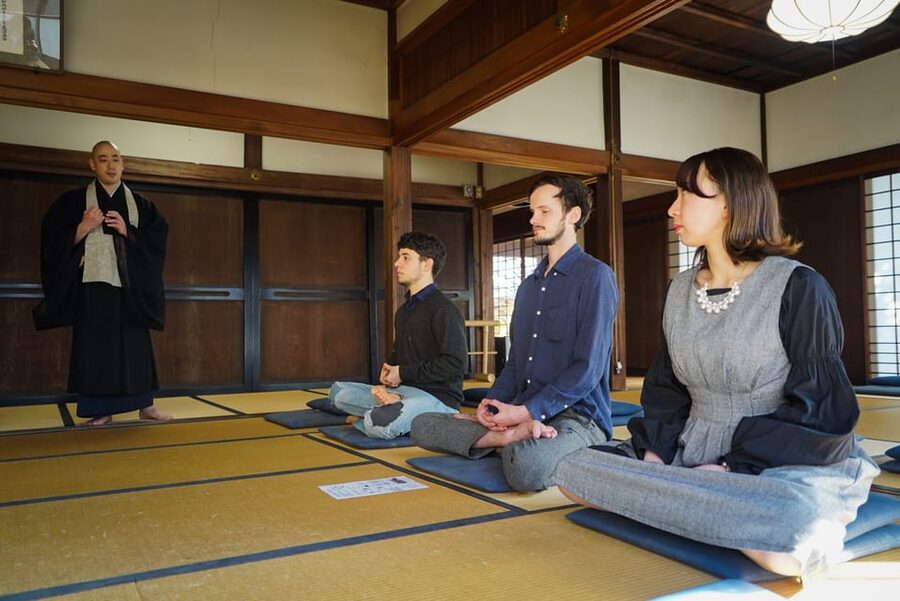
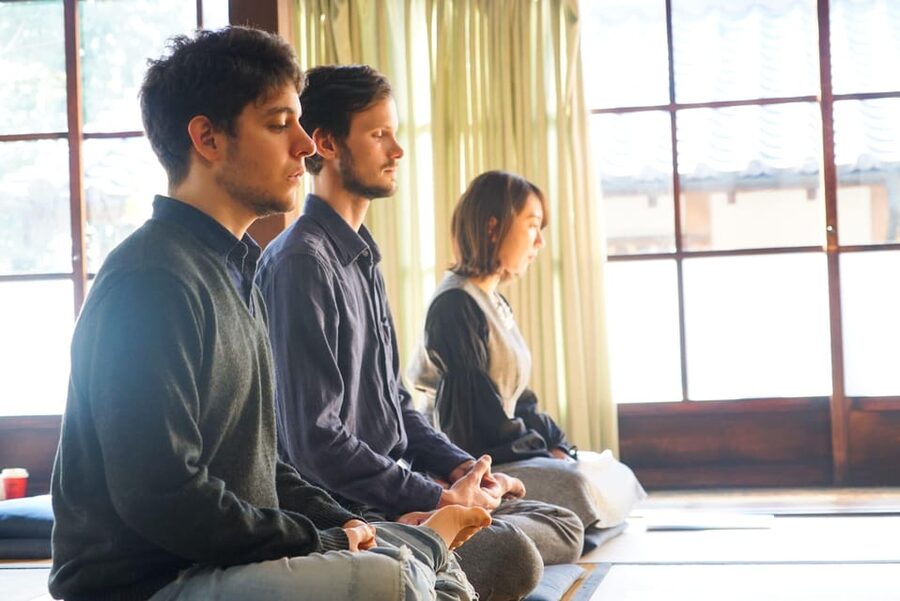
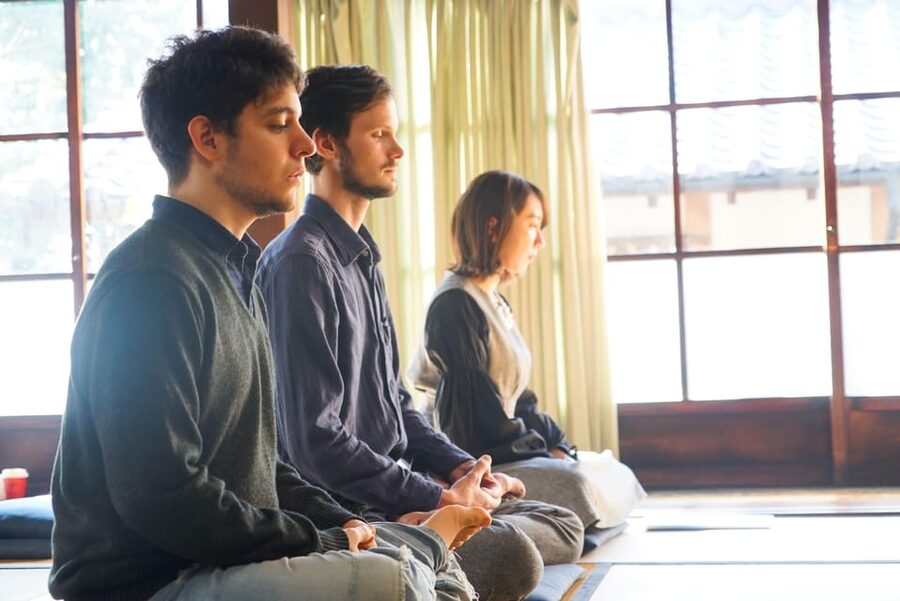
Before sitting, the guide explains the basics of posture, breathing, and the ideas behind zazen. This is useful even if you already meditate at home. One participant who had practiced for seven years found the session offered a different kind of experience because it took place in a temple with a monk.
The actual meditation lasts about an hour. Expect quiet. The guide does not keep talking during the session, since other people are meditating. Instead, you receive material to read silently. This arrangement respects the atmosphere, though it means you should not expect constant personal instruction once the session begins.
You may sit on the floor, and temple floors can be cold in winter. Thick socks are a smart choice. The information does not describe special chairs or extensive physical accommodations, so anyone who finds floor sitting difficult should ask about the format before booking.
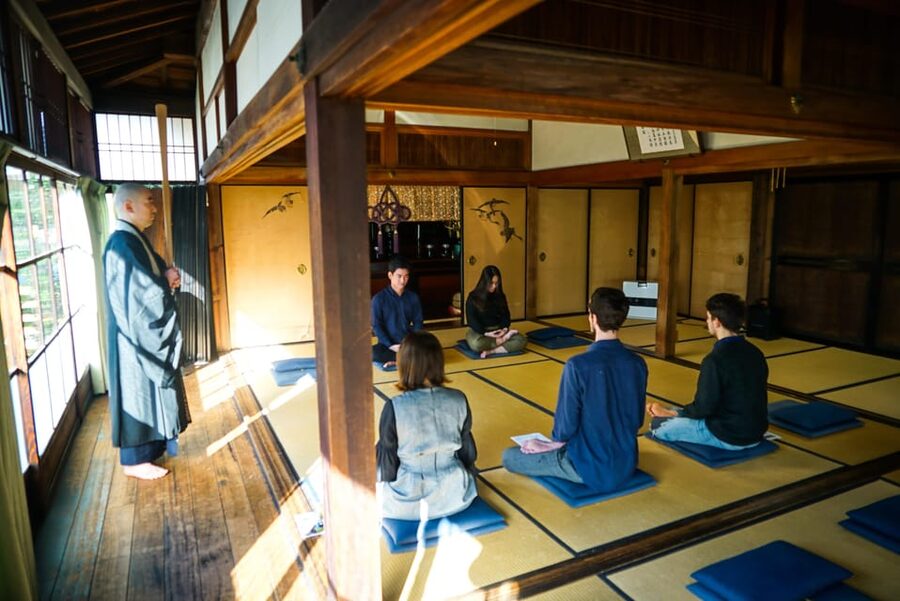
There is also an important difference between the advertised small group and the meditation room. The booking is limited to seven people, but one participant found the session held in a large L-shaped room with about 30 other people. That does not cancel out the value of meditating with a monk, but it does mean the experience may feel communal rather than private.
The monk may not speak English. In that case, the guide can explain the process before and after the session, while you use the silent reading material during meditation. Afterward, there is a short discussion with the monk. Translation may be needed for questions, and guides have sometimes helped visitors communicate and take photos with the monk.
This is the part of the tour that requires the right expectations. You are not signing up for a private retreat or a personalized therapy session. You are taking part in a temple meditation period with other people. For many visitors, that shared setting is part of the point. For others, the larger room and limited direct English conversation may feel less personal than hoped.
Shojin ryori gives the tour a satisfying finish
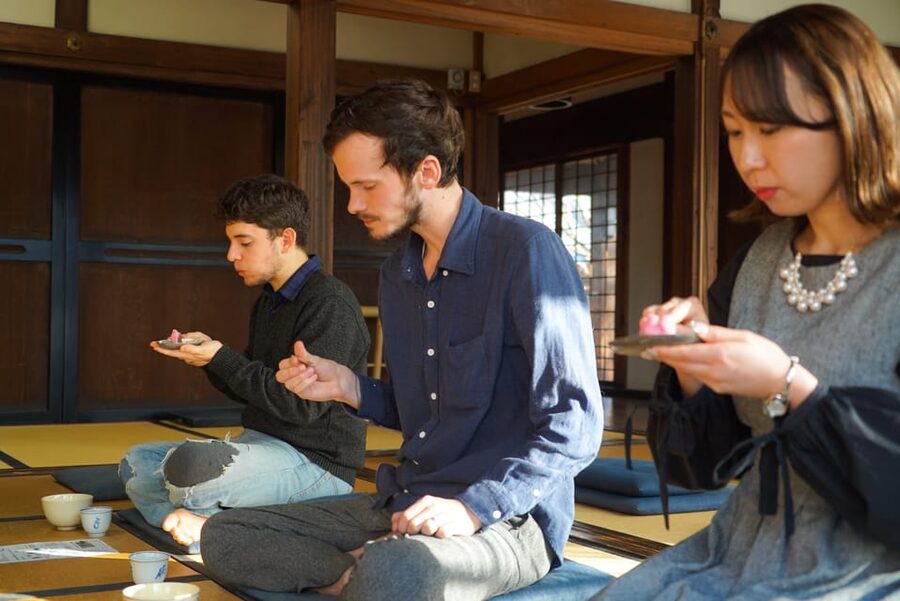
After meditation, the group takes a short walk to a local restaurant for lunch. The meal is shojin ryori, the traditional Buddhist cuisine associated with Japanese monks.
The food focuses on vegetables, mushrooms, and seaweed rather than meat and fish. It is served in multiple small dishes, giving you a taste of the variety and restraint of temple cooking. The meal is not just a convenient lunch stop. It helps connect the morning’s ideas to ordinary routines, since eating is part of temple life too.
The meal is described as vegetarian, but there is an important qualification: the broth includes dashi made with fish, and a little dairy may be used. This tour is therefore not suitable for someone who needs a strictly vegan meal or avoids fish for dietary reasons. It is also listed as unsuitable for people with gluten intolerance.
The restaurant is beside a temple that once housed as many as 1,200 monks in training. That detail gives the meal a stronger sense of place. You are eating in an area shaped by centuries of monastic practice rather than stopping at an unrelated restaurant.
Lunch lasts about 45 minutes. If your start time is 10:45, lunch is scheduled for 2:15 pm, after meditation. Eat a good breakfast or early snack, since the gap may feel long if you are hungry.
The guides make or break the experience
The tour depends heavily on the guide because Zen terms, temple customs, and Buddhist symbols can be confusing without context. Yutaka has been singled out for a calm, funny, and patient manner, along with clear explanations of Japanese culture and different religions.
Eri has also been praised for explaining Buddhist meanings and helping with later Kyoto plans. Louis and Tammy have led tours described as warm, lively, and well prepared. These names give you a useful sense of the guiding style, but the specific guide is not guaranteed.
The best part of a live guide is the ability to ask questions as they come up. You can stop to ask about a symbol, a temple feature, or the difference between a garden designed for viewing and a place intended for practice. Guides have also taken photos during the tour, which is handy when you are traveling alone or want a group picture with the monk.
The guide’s role is more limited during zazen. Silence is part of the activity, so do not expect a running commentary or translation during the hour itself. Think of the guide as your interpreter and cultural bridge before and after meditation, not as an instructor speaking through the entire sitting period.
Timing, weather, and comfort
The full experience lasts 270 minutes, or four and a half hours. Walking is part of the route, though the supplied schedule does not give a total distance. Wear comfortable shoes and clothing that allows you to sit on a temple floor.
Kyoto summers are hot and humid. Bring water and wear a hat, especially if you are taking the tour during the warmer months. In winter, the issue is often the floor rather than the air, so thick socks can make the meditation much more comfortable.
The minimum age is 12. That limit makes sense because the tour requires quiet, patience, and a full meditation session. Younger children may struggle with the silence, and the temple setting requires consideration for other people.
You receive photos during the tour, but the experience is not built around constant photography. The garden and temple visits reward quiet attention. You will get more from the tour if you are willing to put your phone away for stretches of time.
Cancellation is free up to 24 hours before the start time, and you can change the date or time up to that point if space is available. The same 24-hour rule matters for a full refund. It does not protect you from missing the start, so plan your train arrival carefully.
Who will get the most from this tour
I would choose this experience if you want more than a quick look at Kyoto’s temples. It suits you if you are curious about Buddhism, enjoy guided cultural explanation, or want to try meditation in its traditional setting without committing to a multi-day retreat.
It is especially useful for first-time visitors who want a gentle introduction to Zen. You do not need prior meditation experience, and the guide explains the basics before you sit.
You may also enjoy it if you already meditate. The temple setting, monk-led session, and chance to discuss the experience can provide something different from practicing alone at home.
I would hesitate if your main goal is a private, silent meditation lesson. The hall may contain around 30 people, the monk may not speak English, and the guide stays quiet during the session.
I would also skip it if you have a strict gluten-free, fish-free, or dairy-free diet unless the operator confirms that the meal can be adjusted. The included lunch uses fish dashi and may contain some dairy.
Should you book the Tofukuji Zen experience?
Book it if you want a well-shaped half-day that links a garden, major temple, meditation hall, monk, and traditional lunch. The strongest parts are the guide’s cultural explanations, the chance to practice zazen in a real temple setting, and the meal afterward.
Go in with realistic expectations. This is not a private retreat, and the meditation may take place with a much larger group than the booking size suggests. Arrive early at Tofukuji Station, bring water or warm socks according to the season, and eat breakfast if you have the 10:45 start.
For a visitor seeking a thoughtful introduction to Zen rather than a checklist of famous sights, the $107 fee is reasonable. For someone focused only on independent temple sightseeing, the guided experience and lunch may not be worth the extra cost.
FAQ
Where does the tour meet?
Meet outside Exit 2 of Tofukuji Station, next to the Family Mart.
How do I reach Tofukuji Station from Kyoto Station?
Use the JR Line from Kyoto Station. Both rapid and local trains can be used.
How do I reach Tofukuji from Shijo Keihan?
Use the Keihan Line. Sub-express, semi-express, and local trains are suitable, but do not use an express train.
How long does the experience last?
The tour lasts 270 minutes, or four and a half hours.
Is the tour conducted in English?
Yes. The tour includes a live English-speaking guide.
Is the tour suitable for children?
No. It is not suitable for children under 12 years old.
What kind of lunch is included?
You receive shojin ryori, a traditional Buddhist meal centered on vegetables, mushrooms, and seaweed. The broth includes fish-based dashi, and a small amount of dairy may be included.
What happens if I arrive late?
You cannot join the tour, receive a refund, or reschedule if you miss the group because of a late arrival.
Just added around Japan
- Tsumami Zaiku Japanese Fabric Flower Class★ 5.0 · 3 reviews
- Tokyo: Serene Sakura & Sake: An Exclusive Brewery Pairing Lunch★ 5.0 · 2 reviews
- Tsukiji Food Strolling and Hama Rikyu Garden Walking Tour★ 5.0 · 7 reviews
- Private tour – Scenic Fuji Escape: Hakone, Peace Park & More★ 5.0 · 4 reviews
- Tokyo Cherry Blossom Half Day Walking Tour with a Local Guide★ 3.5 · 4 reviews
- TOKYO: Tailored Gardens tour with Pro Gardener by E-bike -BASIC★ 5.0 · 2 reviews
- Cherry Blossom Highlights, Asakusa, Ueno, Imperial Palace Garden★ 4.5 · 4 reviews
- Japan’s Customs of Ikebana Art, Tea Ceremony & Kimono Welcome★ 5.0 · 2 reviews
Japan Garden Tours, compared.
Imperial Palace East Garden and Edo Castle Walking Tour in Tokyo
Read our review →
Kyoto Zen Meditation & Garden Tour at a Zen Temple with Lunch
Read our review →
Kyoto Arashiyama Bamboo forest & Garden Half-Day Walking Tour
Read our review →
Authentic Kyoto Tea Ceremony: Camellia Flower Teahouse
Read our review →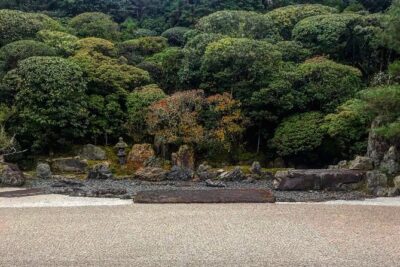
Edo Castle & East Garden of the Imperial Palace Tour
Read our review →Browse the lists this tour appears in