
Review · JAPAN
Kanazawa Private Tour: Highlights of an Old Samurai Town
Kanazawa’s best sights fit together like chapters in an old castle town: a seafood market, the Maeda family castle, a great garden, a Zen museum, and a carefully preserved samurai home. This private seven-hour tour gives you a guide to connect those places rather than leaving you to puzzle out the city’s story on your own.
I like the personal format, with a maximum of eight people and the chance to ask for help with food, buses, or extra sights. I also like the mix of major landmarks and quieter cultural stops, especially the D. T. Suzuki Museum and Nomura Family Samurai House. The main caution is physical: this is a walking day over uneven ground, and private transportation costs extra.
Key points at a glance
- Omicho Market begins the day with local flavor: Seasonal seafood, fruit, and famous Sea of Japan crab set the tone.
- Kanazawa Castle and Kenrokuen share the city’s grandest setting: You see the former seat of the Maeda clan beside one of Japan’s three famous national gardens.
- The D. T. Suzuki Museum adds a thoughtful pause: Its quiet design and focus on Zen philosopher Suzuki Daisetsu offer a change from sightseeing based only on buildings and views.
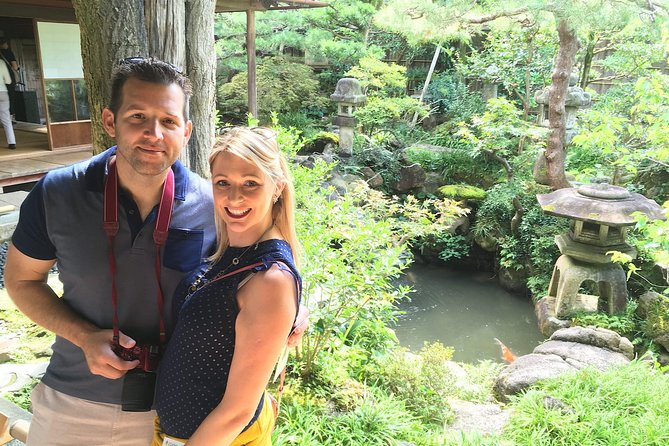
- Nomura Family Samurai House shows private life: Its preserved rooms, displays, and small garden make the samurai era feel more personal.
- A private guide can shape the day: Guides including Yumiko, Yumika, Yuri, Kazu, Makiko, Toshiko, and others have helped with local restaurants, coffee stops, train arrangements, buses, and additional attractions.
- The price buys guidance, not a luxury vehicle: At $171.73 per person, the package includes an English guide, admission fees, bus tickets, and hotel pickup and drop-off, but not meals or a private car.
Why this route works for a first day in Kanazawa
Kanazawa is often compared with Kyoto because of its old districts, gardens, crafts, and samurai connections. It is also quieter than Tokyo, Kyoto, Kobe, and Hiroshima, which gives a full-day walking tour a calmer pace.
This route is useful because it covers several sides of the city without spending the whole day in one historic quarter. You begin with daily life at Omicho Market, move into the political world of the Maeda clan at Kanazawa Castle, then shift to garden design, Zen thought, and samurai domestic life.
I like that progression. You are not simply ticking off five unrelated attractions. The guide can explain how Kanazawa grew into a wealthy cultural center and how its ruling family shaped the city.
The private setup matters most when you want to ask questions. You can stop to clarify a custom, ask for lunch advice, or request help using the bus system. The guides have also helped with train arrangements and, in one case, recommended and reserved a visit to the Ninja Temple. That sort of practical help can be worth a lot in a city you are seeing for the first time.
More Private Garden Tours in Japan:
- Kyoto: Zen Garden, Zen Mind (Private)
★ 5.0 · 126 reviews - Tokyo Private Tour! Edo Castle & Imperial Palace East Gardens
★ 5.0 · 105 reviews - Mount Fuji & Lake Kawaguchiko Private Tour: Beyond the Ordinary
★ 5.0 · 78 reviews
Omicho Market: start with Kanazawa’s kitchen
The first stop is Omicho Market, known as the kitchen of Kanazawa’s citizens. You have about 40 minutes here, with no admission charge.
Expect a market centered on seasonal food, particularly seafood and fruit. The Sea of Japan is close to Kanazawa, and crab is one of the local specialties. Even if you are not planning to eat a full meal, the market gives you an immediate sense of what people in the city value and cook.
This is a good place to tell your guide what you like to eat. Vegetarian options are available on the tour if requested when booking, and the guide can help you make sense of the food choices. Food and drinks are not included, so set aside extra money if you want to snack or buy lunch.
Forty minutes is enough for an introduction, but it is not a long market visit. You will probably get a quick look at the main lanes rather than time for a slow, independent food crawl. That is a fair trade in a seven-hour tour, since the day still has four major cultural stops ahead.
Kanazawa Castle: the Maeda family’s seat
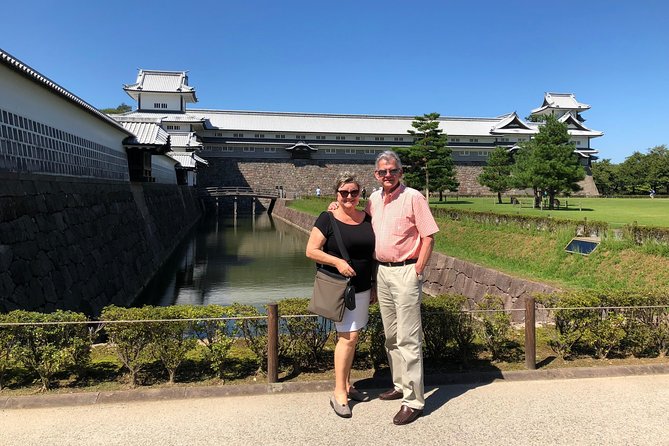
Next comes Kanazawa Castle, with about 45 minutes inside. The castle’s story begins in 1583, when Toshiie Maeda built it as the center of the Kaga domain. It remained the residence of the Maeda family for generations, until 1869.
The castle was not simply a defensive outpost. It was the center of a powerful domain known for wealth and cultural achievements. A guide can give the buildings and gates a place in that larger story, which is helpful because a castle visit without context can become a quick walk past old walls.
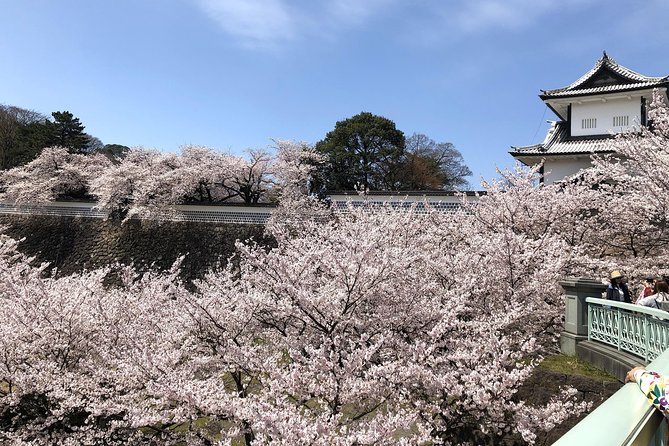
Only some historic structures survived. Ishikawa Gate and the 30 Nagaya storehouse are among the older buildings, while other parts have been reconstructed. That means you should come for the setting, layout, and history rather than expecting an untouched medieval fortress.
The 45-minute stop is fairly focused. You will see the key areas, but you may want more time if you prefer to study architecture or explore every path. The private format lets you ask questions as you go, though the overall schedule still needs to keep moving.
Kenrokuen Garden: an hour among classic design ideals
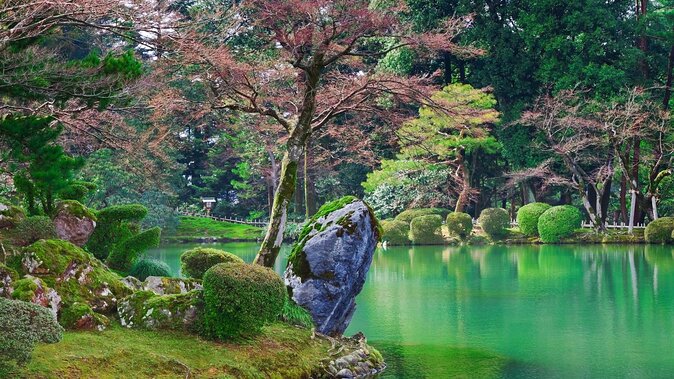
Kenrokuen receives the longest stop, about one hour. It is listed among Japan’s three famous national gardens, together with Kairakuen in Mito and Korakuen in Okayama.
The garden is valued for bringing together several qualities that Japanese garden designers prize, including spaciousness, quiet, careful arrangement, and water. The provided tour details also point to its appeal in every season, with winter snow offering a particularly striking view.
You will want comfortable walking shoes here. Paths can be uneven, and the tour specifically warns that you will walk mountain paths and should wear shoes that are easy to walk in. The garden is not a difficult athletic outing for most people with moderate fitness, but it is not a smooth, fully accessible promenade either.
I like giving Kenrokuen a full hour. It is the kind of place that loses its effect if you rush from one photo point to the next. Your guide can explain what you are seeing, then give you moments to enjoy the ponds, trees, bridges, and changing views at your own pace.
Weather matters. Severe winter conditions can change the schedule, and the experience requires good weather. If poor weather cancels the tour, you can receive a different date or a full refund.
Same place, a different kind of green day out:
- Osaka: teamLab Botanical Garden Entry Ticket
★ 4.5 · 1,710 reviews - Imperial Palace East Garden and Edo Castle Walking Tour in Tokyo
★ 5.0 · 510 reviews - Mt. Fuji Day Trip from Tokyo with English Speaking Driver Guide
★ 5.0 · 443 reviews - Kyoto Zen Meditation & Garden Tour at a Zen Temple with Lunch
★ 5.0 · 441 reviews
D. T. Suzuki Museum: a quiet change of pace
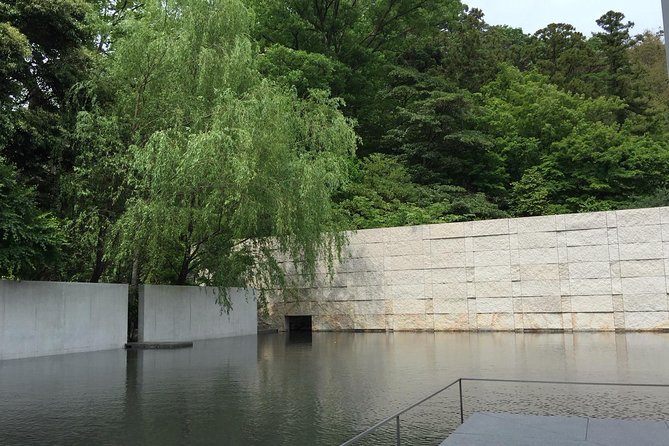
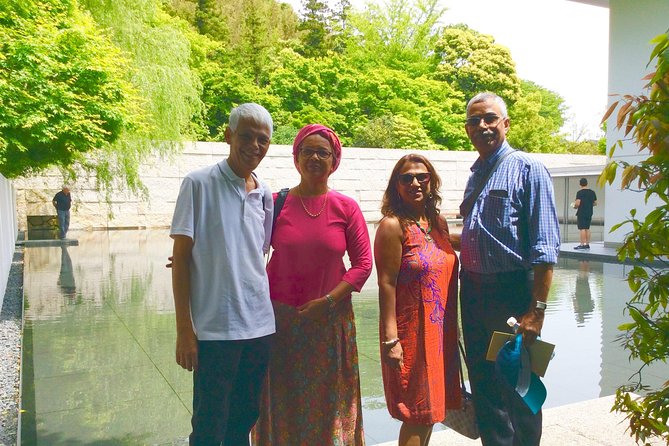
The D. T. Suzuki Museum takes about 50 minutes. It honors Suzuki Daisetsu, the Kanazawa-born Buddhist philosopher who helped introduce Zen culture to people abroad.
This is an especially good stop for anyone who wants more than castle walls and gardens. The museum focuses on Suzuki’s ideas, and its design encourages a quieter, more reflective visit. It gives the day a different rhythm after the market and castle.
You should not expect a large museum packed with objects. The appeal is the setting, the ideas, and the chance to understand a major Japanese thinker connected directly to Kanazawa. The museum was designed by Yoshio Taniguchi, whose work is noted in the tour information.
Some people may find this stop less immediately exciting than the market or castle. I would keep it on the route if you enjoy architecture, philosophy, or calm spaces. If your interest is limited to visual sights, ask your guide to explain why the museum matters before you arrive.
Nomura Family Samurai House: seeing samurai life at home
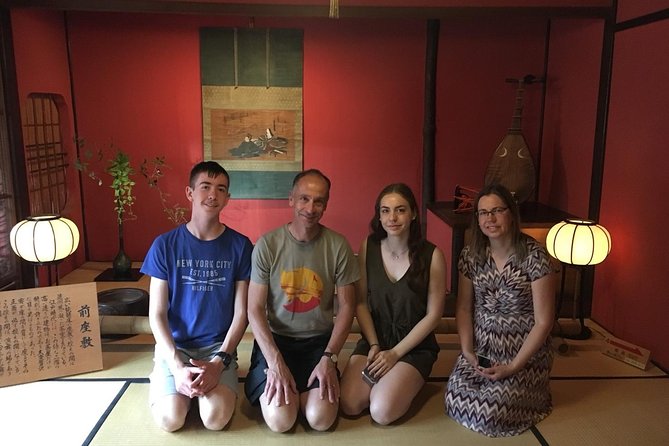
The final listed stop is Nomura Family Samurai House, with about 50 minutes. This visit moves away from the ruling clan’s public world and into the home life of a samurai family.
The house is carefully preserved, with displays that help explain life in earlier Kanazawa. Its small attached garden is a highlight. The setting is intimate, and that is its strength. You get a closer look at rooms, objects, and domestic design rather than only hearing about samurai as warriors or officials.
I find this kind of stop valuable because it makes social history easier to picture. The castle tells you about power. The samurai house shows how that system reached into family life, rooms, gardens, and daily habits.
Fifty minutes should give you time to examine the house without turning the visit into a long museum session. Uneven surfaces remain a concern, so anyone with walking difficulties should ask about suitability before booking.
What the private guide adds
The strongest part of this experience is the guide. The route itself is good, but the quality of a private day depends heavily on the person leading it.
Several guides are named in the available tour information. Yumiko and Yumika are praised for clear English, warmth, and enthusiasm for Kanazawa. Yuri is described as flexible and able to show less obvious places, including a traditional lunch restaurant and a pleasant coffee or tea stop. Kazu is noted for explaining the sights well in English.
Other guides, including Makiko and Toshiko, have been described as friendly and helpful during a full day around the city. The guiding team has also helped with questions outside the formal route, such as train arrangements, local food choices, bus use, and a possible Ninja Temple visit.
You should not assume every extra request is guaranteed. Still, a private tour gives you a much better chance of adjusting the day than a fixed group outing. Tell the provider your interests and dietary needs when booking.
Timing, buses, and the real cost
The tour costs $171.73 per person. That is not a low-cost walking tour, but it includes an English guide, all listed admission fees, taxes, bus tickets, and hotel pickup and drop-off.
The five scheduled stops add up to about four hours and five minutes. The remaining time allows for walking between places, bus rides, explanations, and a meal break or other pauses. Food and drinks are not included, so budget separately for those.
Private transportation by taxi, car, or bus is available for an extra fee. The standard experience uses public transportation and walking, which keeps the price from rising further but makes comfortable shoes important.
The meeting information lists Kanazawa Station, while the tour description also says hotel pickup and drop-off are offered. Confirm the exact pickup point after booking, especially if you are staying outside central Kanazawa.
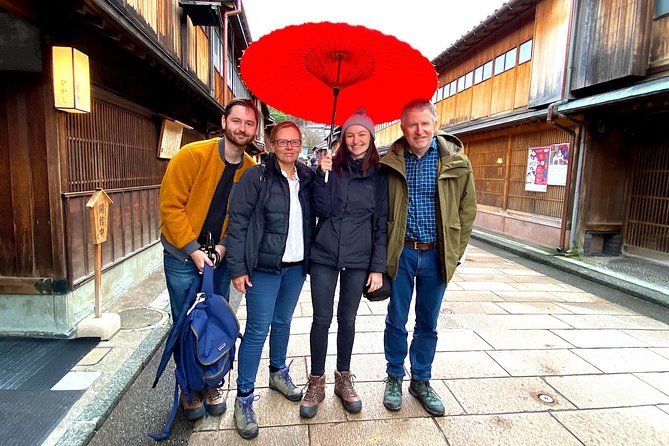
The maximum group size is eight, and only your own group participates. That makes the price easier to justify for families or small groups who want personal attention. For one person or a couple on a strict budget, public buses and self-guided visits will cost less, but you will give up the guide’s explanations and practical help.
The tour is booked, on average, 42 days ahead. That is a useful sign to reserve early during popular travel periods, though confirmation is subject to availability and is sent within 48 hours of booking.
Who should book this Kanazawa tour?
I would choose this tour for a first visit, especially if you have one full day in Kanazawa and want the main sights arranged in a sensible order. It suits you if you like history but also want food, gardens, philosophy, and everyday culture in the same day.
It is also a good match for families and small groups. The private format lets you ask questions without holding up strangers, and the guide can respond to your pace and interests.
You may prefer a different plan if you want long, unhurried visits at each site, extensive shopping, or a private vehicle. The schedule is full, and public transport and walking are part of the experience.
This is not the right choice for anyone unable to manage uneven surfaces or a moderately active day. Severe winter weather can also force changes, so keep some flexibility in your schedule.
Should you book it?
Book this tour if you want a well-rounded introduction to Kanazawa with a real person helping you connect the pieces. The best value comes from the private guide, included admissions and bus tickets, and practical help with meals, trains, and local transport.
Skip it if you are happy to plan every stop yourself and want the cheapest possible day. For most first-time visitors with limited time, though, the combination of Omicho Market, Kanazawa Castle, Kenrokuen, the D. T. Suzuki Museum, and Nomura Family Samurai House makes this a sensible and culturally varied introduction to the city.
FAQ
How long does the Kanazawa private tour last?
The tour lasts approximately seven hours.
What places are included?
The route includes Omicho Market, Kanazawa Castle, Kenrokuen Garden, the D. T. Suzuki Museum, and Nomura Family Samurai House.
Is hotel pickup available?
Yes. Hotel pickup and hotel drop-off are included in the tour information. The listed meeting point is Kanazawa Station, so confirm the exact arrangement after booking.
Is this a private tour?
Yes. Only your group participates, with a maximum of eight people per booking.
Is an English-speaking guide included?
Yes. An English guide is included.
Are admission fees included?
Yes. The listed admission fees and all fees and taxes are included.
Are bus tickets included?
Yes. Bus tickets are included.
Is food included?
No. Food and drinks are not included. Vegetarian options are available if requested when booking.
Is the tour suitable for people with walking disabilities?
The tour is not recommended for people with walking disabilities because of uneven surfaces and walking on mountain paths. A moderate level of physical fitness is advised.
What happens if bad weather cancels the tour?
If poor weather cancels the experience, you will be offered another date or a full refund. Severe winter weather may also lead to changes in the agenda.
Can I cancel for a full refund?
Yes. You can cancel up to 24 hours before the start time for a full refund. Cancellations or changes made less than 24 hours before the start time are not accepted for a refund.
Just added around Japan
- Tsumami Zaiku Japanese Fabric Flower Class★ 5.0 · 3 reviews
- Tokyo: Serene Sakura & Sake: An Exclusive Brewery Pairing Lunch★ 5.0 · 2 reviews
- Tsukiji Food Strolling and Hama Rikyu Garden Walking Tour★ 5.0 · 7 reviews
- Private tour – Scenic Fuji Escape: Hakone, Peace Park & More★ 5.0 · 4 reviews
- Tokyo Cherry Blossom Half Day Walking Tour with a Local Guide★ 3.5 · 4 reviews
- TOKYO: Tailored Gardens tour with Pro Gardener by E-bike -BASIC★ 5.0 · 2 reviews
- Cherry Blossom Highlights, Asakusa, Ueno, Imperial Palace Garden★ 4.5 · 4 reviews
- Japan’s Customs of Ikebana Art, Tea Ceremony & Kimono Welcome★ 5.0 · 2 reviews
Japan Garden Tours, compared.
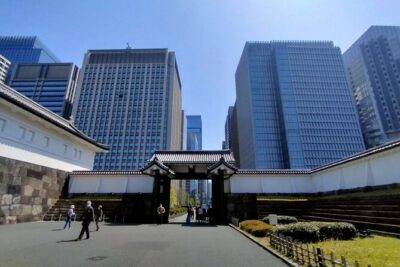
Imperial Palace East Garden and Edo Castle Walking Tour in Tokyo
Read our review →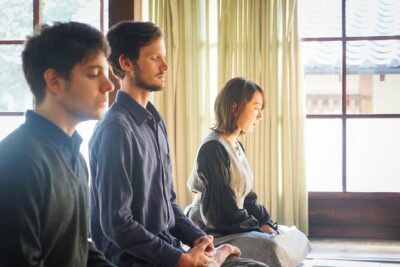
Kyoto Zen Meditation & Garden Tour at a Zen Temple with Lunch
Read our review →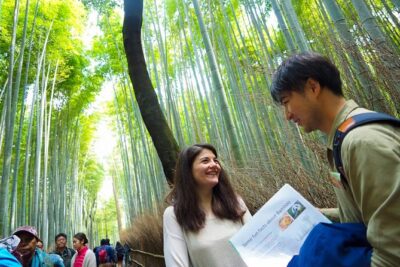
Kyoto Arashiyama Bamboo forest & Garden Half-Day Walking Tour
Read our review →
Authentic Kyoto Tea Ceremony: Camellia Flower Teahouse
Read our review →
Edo Castle & East Garden of the Imperial Palace Tour
Read our review →Browse the lists this tour appears in