
Review · JAPANESE & ZEN
Private Omiya Bonsai Village Tour with Licensed Guide
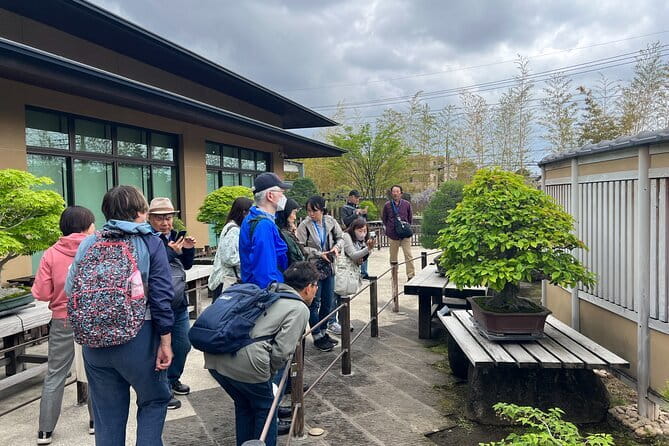
Omiya Bonsai Village gives you a quiet, finely shaped look at Japanese culture that is easy to miss in central Tokyo. In about four hours, your private guide takes you to six bonsai gardens and the Omiya Bonsai Art Museum, explaining why these small trees carry such weight in Japanese art.
I like the private format, since you can ask as many questions as you wish and set the pace around your interests. I also like the chance to see living bonsai collections rather than only museum displays, and the possibility of buying a bonsai plant as a lasting souvenir. The main catch is that the $107.50 price does not include transportation, garden admission, museum admission, lunch, or personal expenses.
Key points to know before booking
- Six gardens in one historic district: Omiya Bonsai Village brings several respected bonsai gardens within one short visit.
- A guide from your hotel: You meet your licensed English-speaking guide in Tokyo, and the guide helps you reach the village and return afterward.
- Private questions, flexible attention: Only your group takes part, so plant lovers can ask detailed questions without holding up a larger party.
- Museum context after the gardens: The Omiya Bonsai Art Museum adds historical and artistic background to what you see outdoors.
- Extra costs matter: Transportation and admission fees are not part of the tour price, so budget beyond the advertised amount.
- A personal touch on the journey: Guide Kahori has taught origami on the train, while Miyuki has been especially praised for explaining bonsai history and technique.
Why Omiya Bonsai Village is worth the ride from Tokyo
The trip to Omiya takes about one hour each way. That makes this a half-day outing, not a quick side trip you squeeze between two Tokyo neighborhoods. Still, the change of pace is the point. Tokyo gives you crowds, tall buildings, and constant motion. Omiya offers rows of carefully trained trees, garden paths, and a subject that rewards patience.
The village grew from bonsai pioneers who relocated to the area about 100 years ago. That background gives the district a stronger sense of place than a single commercial nursery would have. You are seeing a community shaped around bonsai, not simply a shop with a few ornamental trees near the entrance.
I would choose this tour if you want an activity with a clear Japanese connection but do not want another temple, shrine, or food walk. It also works well for gardeners, plant lovers, photographers, and anyone who prefers a calm morning or afternoon to a packed sightseeing schedule.
The visit is less suitable if you only have a short time in Tokyo or have little interest in plants. The gardens are the main event, and the experience depends on looking closely at trees, forms, trunks, pots, and growing methods. You will not get the same payoff if you rush through each stop.
More Japanese Garden Tours in Tokyo
- Tokyo Japanese Garden Lover’s Private Tour with Government-Licensed Guide
★ 5.0 · 27 reviews - Make Your Own Bonsai with a Professional Bonsai Artist in Tokyo
★ 4.5 · 18 reviews - Experience Crafting a Flower-Adorned Mini Japanese Garden
★ 4.7 · 15 reviews
Meeting your guide and making the one-hour journey
Your guide meets you at your hotel or another desired place in Tokyo. The service includes meeting on foot, not a private car, so you should expect to use public transportation and pay the transportation fees yourself.
That arrangement keeps the tour price from climbing higher, but it means you need to allow for the full travel time. The listed schedule gives one hour from Tokyo to Omiya Bonsai District and one hour back. Add the garden and museum visits, and the total comes to about four hours.
A private guide is useful here because the route from your hotel may not be familiar. Your guide helps you get to the gardens and then returns with you to Tokyo. The practical benefit is simple: you do not need to work out the route alone while watching the clock.
The journey can also become part of the experience. Kahori has taught origami sculptures on the train, a small detail that shows how a private guide may use travel time for conversation and a hands-on Japanese activity. That is not a guaranteed feature with every guide, but it gives you an idea of the personal style available.
Since the guide names listed for this experience include Kahori and Miyuki, you may wish to ask who is assigned when booking. Kahori has been praised for her patience and plant knowledge, while Miyuki has a special interest in bonsai history and has pointed out the thousand-year-old Ezo spruce at the museum.
Six bonsai gardens, six different ways to look at a tree
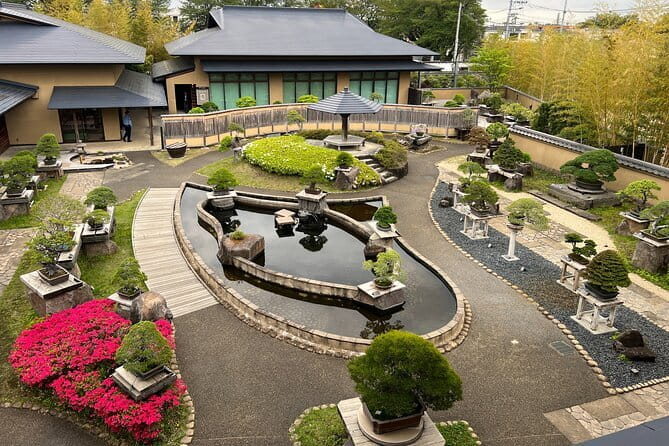
The Omiya Bonsai Village portion lasts about one hour and 30 minutes. That is enough time to visit six distinguished gardens, though it is not a leisurely full-day study of each collection.
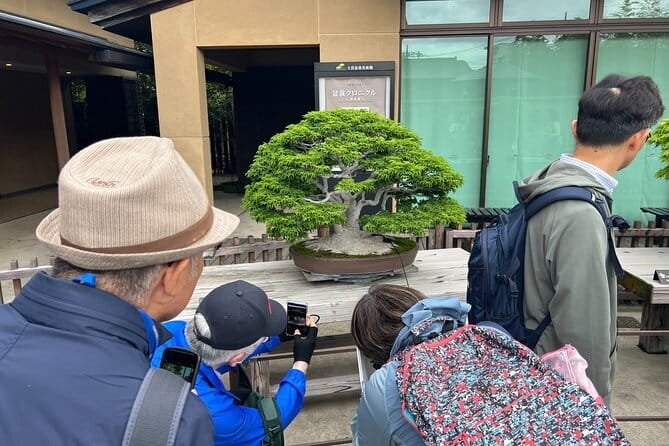
The value of having a guide becomes clear as you move among the gardens. Without context, a bonsai can look like a small tree in a pot. With an explanation of its age, shape, care, and place in Japanese horticulture, you begin to notice why one trunk or branch arrangement matters.
You can ask about the trees that catch your eye, compare different garden displays, and spend more time on subjects that interest you. A private visit is especially useful if your group includes a serious gardener alongside someone who is simply curious. The guide can explain basic ideas without forcing the whole group into a fixed lecture.
The gardens also provide better photo opportunities than a standard indoor museum. You can photograph rows of bonsai, pots, paths, and carefully arranged greenery. These make unusual souvenirs because they record a specific place and an art form that many visitors never see in person.
There are limits. Admission to the gardens is not included, and the tour information does not give the individual entrance prices. You should confirm the current fees before setting your budget. The schedule also does not promise a particular garden collection or guarantee that you can buy a plant at every stop.
The Omiya Bonsai Art Museum puts the trees in context
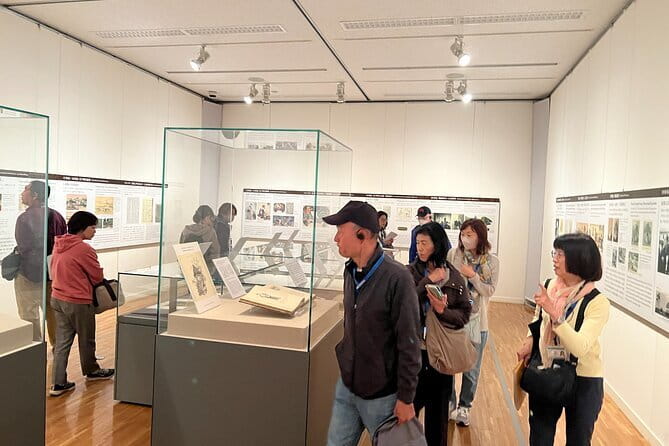
After the gardens, you spend about 30 minutes at the Omiya Bonsai Art Museum Saitama. The museum sits on the edge of Omiya Bonsai Village and provides a more organized introduction to bonsai as Japanese horticultural art.
That half-hour is short, but it is well placed in the schedule. The gardens let you see bonsai in working collections. The museum helps you understand the artistic and historical ideas behind what you have just seen. It can also give you a useful vocabulary for discussing the trees with your guide.
One particularly memorable object is the thousand-year-old Ezo spruce mentioned by Miyuki. A tree of that age changes your sense of scale and time. Bonsai may be small enough to carry, but the tradition behind a mature specimen can reach far beyond a single human lifetime.
Museum admission is not included. The museum was listed as closed for renewal from November 5, 2024, through March 20, 2025. If your visit falls near or after that period, check its current opening status before you book, since an unexpected closure would remove an important part of the planned visit.
Thirty minutes will not allow a slow, detailed museum study. If the museum is your main reason for going, you may find the time too brief. If you see it as a final piece of context after the gardens, the length makes more sense.
Same place, a different kind of green day out:
- Imperial Palace East Garden and Edo Castle Walking Tour in Tokyo
★ 5.0 · 510 reviews - Mt. Fuji Day Trip from Tokyo with English Speaking Driver Guide
★ 5.0 · 443 reviews - Tokyo: Imperial Palace East Gardens Walking Tour
★ 4.8 · 353 reviews - Mt. Fuji, Cherry Blossom & Shiba Sakura Pvt. Day Tour
★ 5.0 · 326 reviews
What the private format changes
This is a private activity, so only your group participates. That matters more here than it would on a basic sightseeing walk because bonsai raises very specific questions. You may want to ask about pruning, age, form, seasonal care, pots, or why one tree is displayed differently from another.
The guide can also adjust the conversation to your level. A first-time visitor can ask simple questions without feeling out of place. An experienced gardener can spend more time on plant care and technique. The two guides highlighted in the information, Kahori and Miyuki, bring different personal touches, including origami during the journey and special attention to bonsai history.
Private does not mean everything is included. You still pay for transportation and admissions, and no private car is provided. Lunch and other personal purchases are also on you. The advertised $107.50 per person is therefore best judged as the cost of personal guiding and route support, not as an all-inclusive day trip.
For a solo visitor or a couple, that can feel expensive once the additional fees are added. For a small group, the value improves because the experience is private and group discounts may be available. The ability to share the guide’s time among your own party is the main reason to choose this over a standard group excursion.
Buying a bonsai as a souvenir
The tour offers a chance to purchase a souvenir bonsai plant. That is a far more distinctive memento than a generic Tokyo gift, but you should think through the practical side before buying.
A living plant needs care after you leave the village. The supplied information does not specify shipping, airline rules, plant size, or export arrangements, so do not assume that you can simply carry a bonsai home internationally. Ask your guide or the garden staff about the plant, its care, and what is allowed for your onward journey.
Even if you do not buy one, looking at the plants for sale can help you understand the difference between a garden display and a personal bonsai. You can ask how much care a plant needs and whether it suits a beginner. The private format gives you room for those questions without making a purchase feel rushed.
Who will get the most from this four-hour tour
I would recommend this experience most strongly to:
- Gardeners and plant collectors who want direct access to bonsai specialists.
- Visitors seeking a quieter cultural outing beyond central Tokyo.
- Photographers looking for unusual garden subjects.
- Families or couples who prefer a private pace.
- People curious about Japanese art, patience, and long-term cultivation.
Most travelers can participate, and service animals are allowed. The experience is near public transportation, but the information does not give detailed accessibility notes for every garden path or indoor area. If you need specific mobility arrangements, ask before booking.
The tour also suits people who enjoy asking questions. The guide is not simply taking you from one gate to another. The best use of the four hours is to speak up, compare what you see, and ask why a particular tree matters.
Price, timing, and cancellation
At $107.50 per person, the tour is not the cheapest way to see bonsai. Transportation and admission costs come separately, so the final amount will be higher. The price makes more sense if you value a private English-speaking guide, hotel meeting assistance, and the chance to shape the visit around your own interests.
Book early if your dates are fixed. This experience is booked an average of 52 days in advance, which suggests that demand can be strong even though the tour is not a mainstream Tokyo attraction.
You can cancel for a full refund up to 24 hours before the start time. Changes or cancellations made less than 24 hours before the tour are not accepted for a refund, and the cut-off follows local time.
Should you book the Omiya Bonsai Village tour?
Book it if you want a peaceful, specialized outing and you are willing to pay extra for transportation and admission. The combination of six gardens, a museum, and a private guide gives you much more context than simply wandering into one bonsai nursery.
I would skip it if your Tokyo schedule is packed, your budget is tight, or bonsai does not interest you. The one-hour journey each way is a real commitment. For plant lovers, though, the trip offers something rare: access to a historic bonsai district, personal explanations from guides such as Kahori or Miyuki, and a living souvenir that can carry the memory of Japan home with you.
FAQ
How long does the Omiya Bonsai Village tour last?
The experience lasts about four hours, including roughly one hour each way between Tokyo and Omiya, about 90 minutes in the bonsai gardens, and 30 minutes at the museum.
Where do I meet the guide?
You meet the licensed English-speaking guide at your hotel or another desired place in Tokyo. The guide also returns with you to Tokyo after the visit.
Is transportation included?
No. The tour does not include a private car or transportation fees. The guide meets you on foot and helps you reach the gardens using public transportation.
Are garden and museum admission fees included?
No. Admission fees for the bonsai gardens and the Omiya Bonsai Art Museum are not included in the tour price.
Is this a private tour?
Yes. Only your group participates in the activity, so you can ask the guide questions and set the conversation around your interests.
Can I buy a bonsai plant?
The tour includes a chance to purchase a souvenir bonsai plant. The provided information does not specify plant prices, shipping, or rules for taking a plant out of Japan.
Is the Omiya Bonsai Art Museum open?
The museum was listed as closed for renewal from November 5, 2024, through March 20, 2025. Check its current status for your travel dates before booking.
What is the cancellation policy?
You can cancel up to 24 hours before the experience start time for a full refund. Cancellations or changes made less than 24 hours before the start time are not accepted for a refund.
Just added around Tokyo
- Tsumami Zaiku Japanese Fabric Flower Class★ 5.0 · 3 reviews
- Tokyo: Serene Sakura & Sake: An Exclusive Brewery Pairing Lunch★ 5.0 · 2 reviews
- Tsukiji Food Strolling and Hama Rikyu Garden Walking Tour★ 5.0 · 7 reviews
- Private tour – Scenic Fuji Escape: Hakone, Peace Park & More★ 5.0 · 4 reviews
- Tokyo Cherry Blossom Half Day Walking Tour with a Local Guide★ 3.5 · 4 reviews
- TOKYO: Tailored Gardens tour with Pro Gardener by E-bike -BASIC★ 5.0 · 2 reviews
- Cherry Blossom Highlights, Asakusa, Ueno, Imperial Palace Garden★ 4.5 · 4 reviews
- Japan’s Customs of Ikebana Art, Tea Ceremony & Kimono Welcome★ 5.0 · 2 reviews
Japanese & Zen Garden Tours, compared.
Lafcadio Hearn Japanese Gardens Admission Adult Ticket
Read our review →
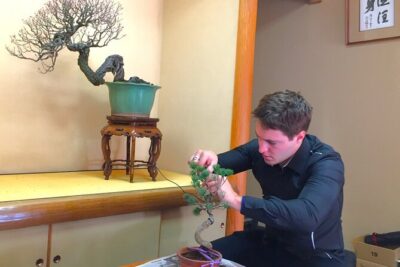
Make Your Own Bonsai with a Professional Bonsai Artist in Tokyo
Read our review →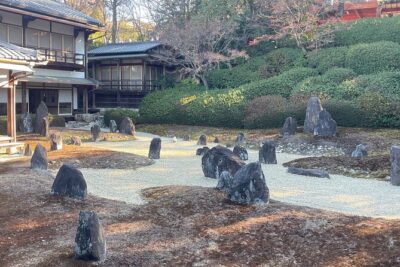
Kyoto Guided Walking Tour: Secret Zen Garden and Fushimi Inari
Read our review →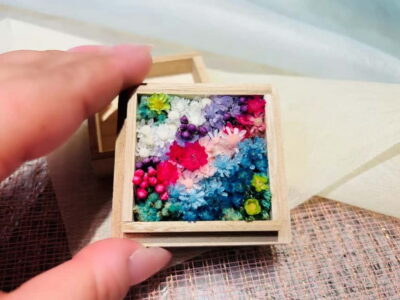
Experience Crafting a Flower-Adorned Mini Japanese Garden
Read our review →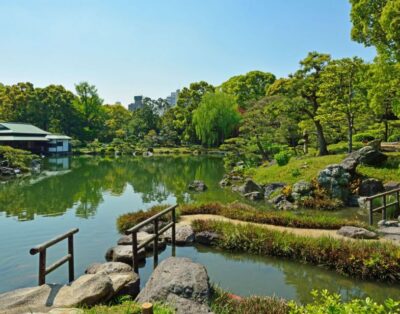
Bonsai Tour & Experience at the Most Sacred City for Bonsai in JP
Read our review →Browse the lists this tour appears in