
Review · JAPAN
Private & Unique Kanazawa Cherry Blossom “Sakura” Experience
Kanazawa’s cherry blossom season is at its best when you move beyond the famous photo stops. This private walk links Kenrokuen Garden, the Asanogawa River, Kazuemachi, and a local food market, ending with a hanami picnic in Gyokusen’inmaru Garden.
I like the personal route through Kenrokuen and the chance to choose your own bento in a Kanazawa depachika. I also like that the experience joins scenery with everyday food customs, rather than treating sakura as a quick photo stop. The main drawback is the price: at $210 per person, it makes the most sense for visitors who value a private host and included food.
Key points at a glance
- Quiet Kenrokuen corners: Your host can steer you away from the most familiar paths and point out calmer places beneath the blossoms.
- Asanogawa River views: A gentle riverside walk adds open cherry tree views to the garden scenery.
- Kazuemachi atmosphere: Old teahouses and spring flowers give this historic district a strong sense of place.
- Depachika food choice: You help select a seasonal obento, rather than receiving a fixed meal with no local context.
- Hanami in Gyokusen’inmaru: The tour ends with bento, shared sushi, sweets, and two drinks in a garden setting.
- Private format: Groups are usually no larger than six, with English or Japanese support and a route that can be tailored after booking.
Why This Kanazawa Sakura Walk Feels Different
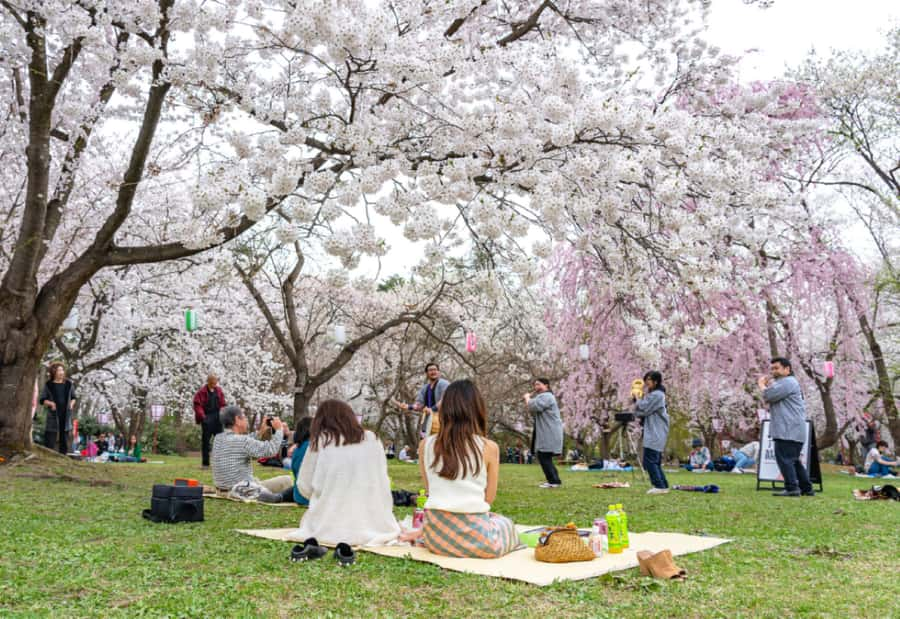
Cherry blossom viewing in Japan can be as simple as walking through a park with a camera. That can be lovely, but it can also leave you wondering what you are looking at, where local people prefer to sit, and how the food fits into the season.
This four-hour experience gives the blossoms a wider setting. You see a celebrated garden, follow a river, pass through a teahouse district, shop for food below street level, and then sit down for hanami. That mix is the real appeal. You are not only looking at flowers. You are seeing how springtime scenery, food, and social customs fit together in Kanazawa.
The host matters here. The guide speaks English or Japanese and receives a questionnaire after you book, so the company can match you with someone suited to your interests. No host names are provided in advance, so you should think of this as a personalized local connection rather than a tour led by a named specialist.
The group is private, normally up to six people. That is a useful size for a walk through narrow streets and a food market. You can ask questions without competing with a large crowd, and your host can adjust the pace to your group.
More Cherry Blossom Tours in Japan
- Mt. Fuji, Cherry Blossom & Shiba Sakura Pvt. Day Tour
★ 5.0 · 326 reviews - Nagano: 1-Day Snow Monkey & Cherry Blossom Tour in Spring
★ 4.8 · 51 reviews - Mt. Fuji & Hakone Cherry Blossom private One Day Tour
★ 4.5 · 35 reviews
Kenrokuen Beyond the Familiar Paths
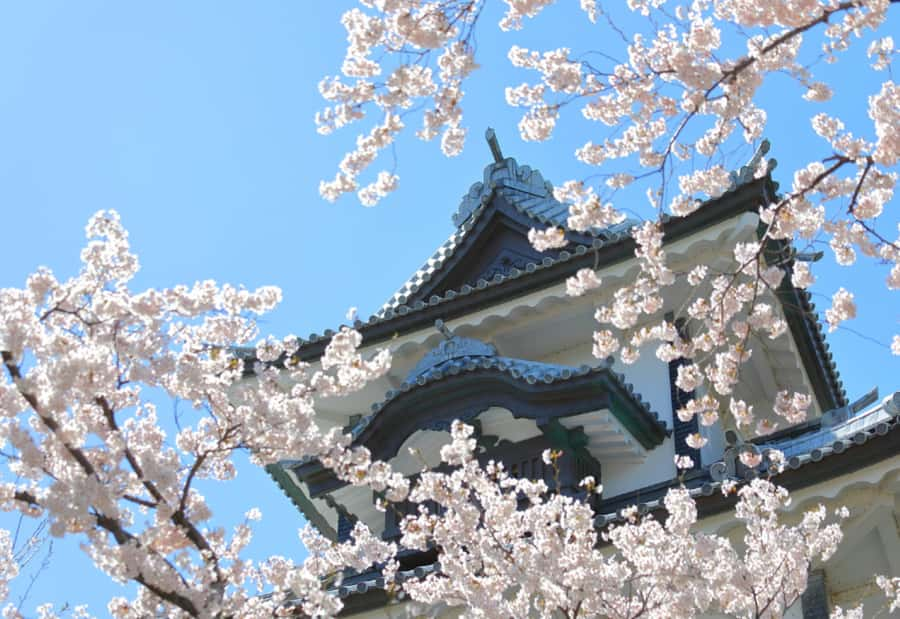
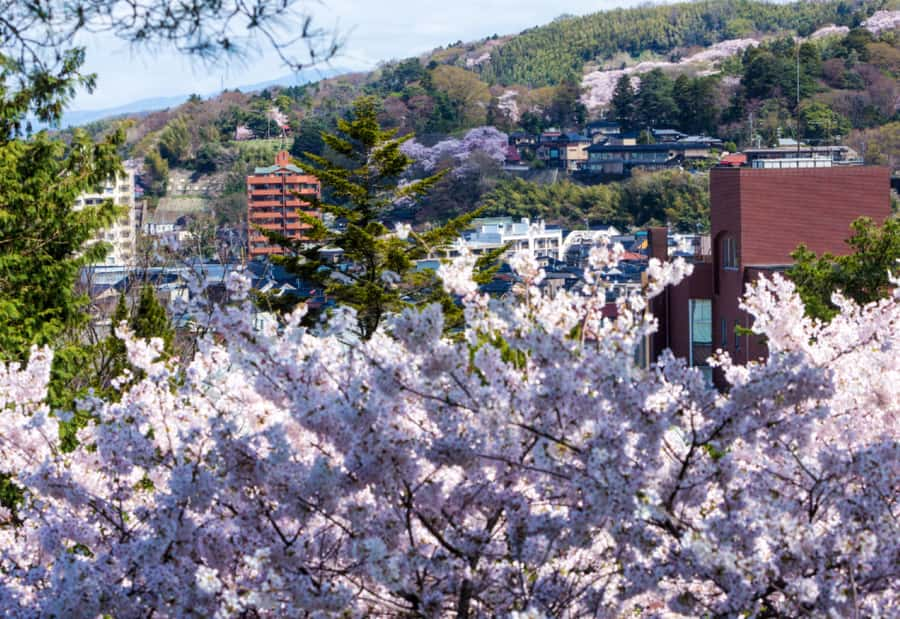
Kenrokuen is one of Kanazawa’s best-known sights, and cherry blossom season makes it especially popular. The garden is valued for its carefully arranged scenery, but the important point on this tour is not simply entering and walking along the main route.
Your host takes you toward less obvious corners where the setting can feel calmer. That gives you a better chance to pause beneath the trees instead of treating the garden as a checklist stop. The guide can also explain why particular views matter and help you notice details that are easy to miss when you are focused on taking photographs.
I like this part for two reasons. First, a local host can respond to the actual conditions on the day. Cherry trees do not all open at the same time, and the best spot may depend on what is blooming. Second, the private format lets you linger if a quiet corner suits your group.
There is one practical limitation. Kenrokuen is still a major attraction, especially during sakura season. A private guide cannot make the whole garden empty. The benefit is better choices within the garden, not a guarantee of solitude.
You should also wear comfortable shoes. This is a walking tour, and the four hours include several outdoor stops. Wheelchair access is available, but you should discuss any specific mobility needs when arranging the experience, since garden paths, streets, and food market access can vary.
Following the Asanogawa River Under Cherry Trees
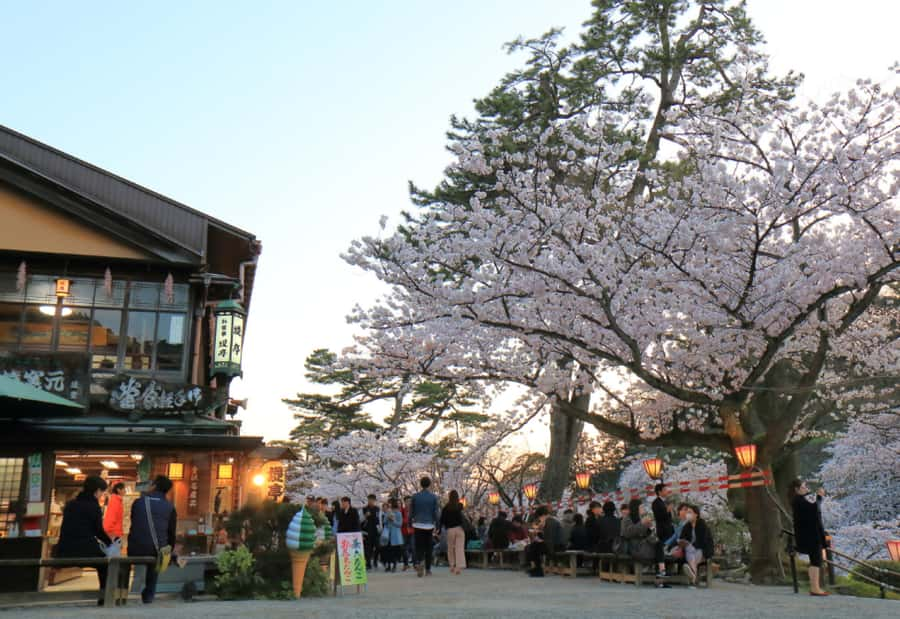
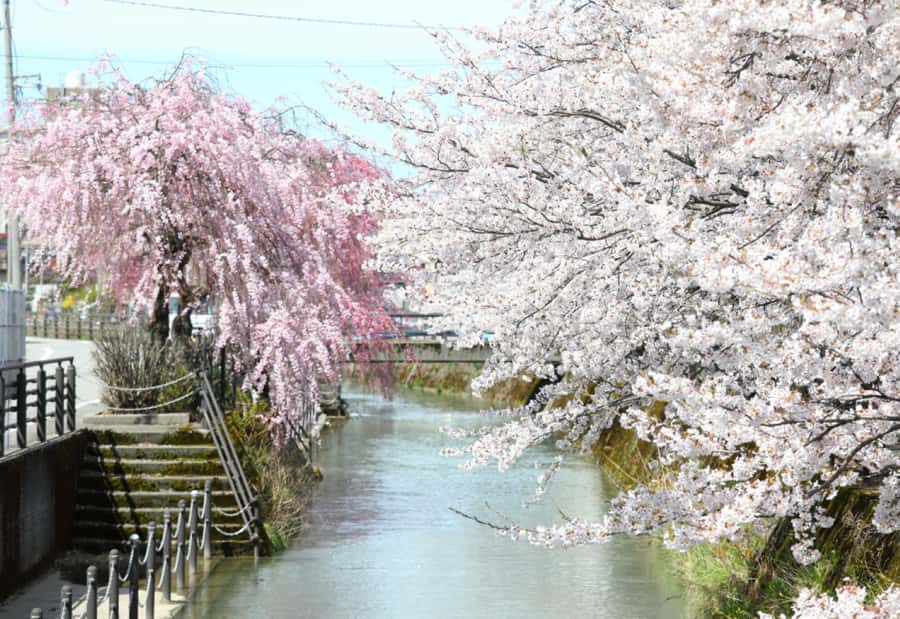
The route continues to the Asanogawa River, a favorite Kanazawa setting for spring flowers. The river gives you a different view from Kenrokuen. Instead of looking across planted garden scenes, you walk beside a broader stretch of water with flowering trees as a backdrop.
This part should feel less formal. You are not moving from one marked garden feature to another. You are taking a leisurely walk and seeing how cherry blossoms shape an ordinary public space. That is a useful contrast for anyone who wants more than the standard garden photograph.
Your host can point out the places where the river and blossoms work best together. The open views also give you a change of pace after the denser garden paths. If you enjoy photography, this section may offer more room for wider pictures, while Kenrokuen is better suited to framed views and close details.
The tour does not include transportation. That is worth noting because the walk connects several areas, and your four hours are built around moving on foot. Private transport can be arranged for an additional charge if needed, but you should request it rather than assume it is part of the $210 price.
Old Teahouses in Kazuemachi
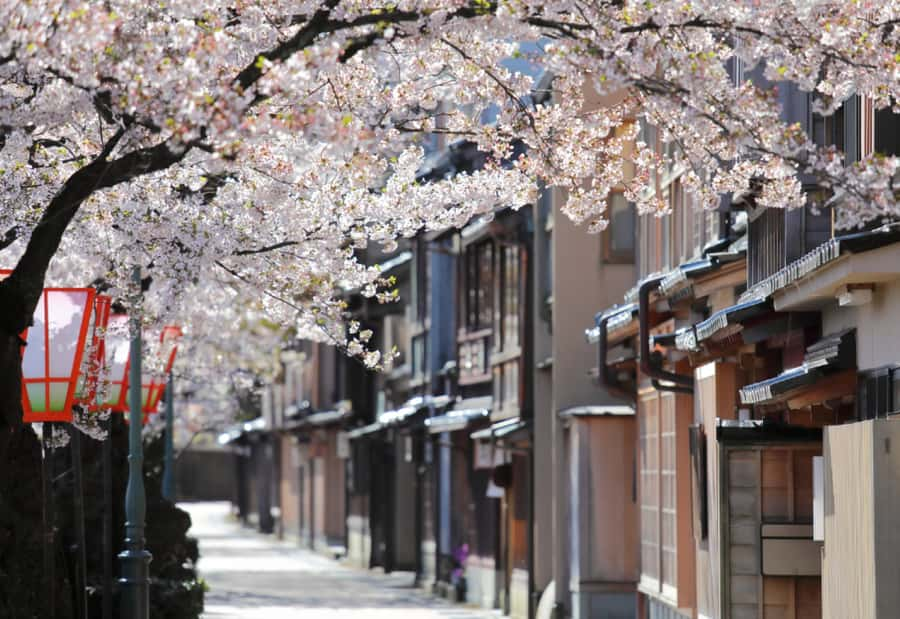
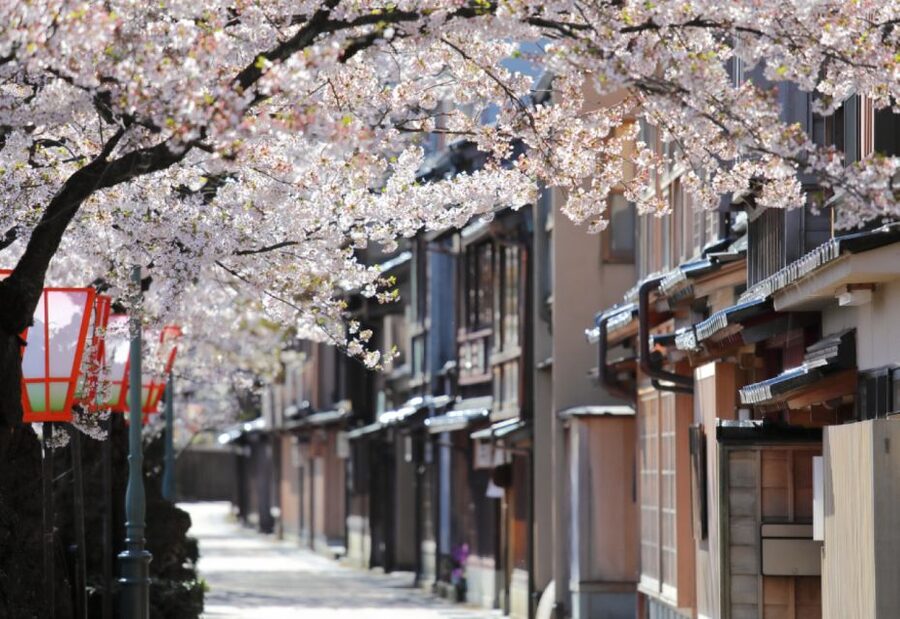
Kazuemachi Chaya District brings history and spring scenery together in a compact area of old streets and teahouses. The district is known for its traditional atmosphere, and the blossoms add a soft seasonal layer without taking away from the architecture.
I find this stop valuable because it gives the flowers a human setting. In Kenrokuen, nature is arranged as garden art. Along the Asanogawa, the trees frame the river. In Kazuemachi, the same season appears beside buildings and streets connected to Kanazawa’s teahouse culture.
This is a place where a guide’s explanation can make a real difference. Without context, you might see attractive wooden facades and narrow lanes, then move on. With a local host, you can better understand how the district fits into Kanazawa’s identity and why a quiet walk here belongs in a sakura visit.
Keep your pace respectful. Traditional districts are not just open-air sets for photographs. The private group format helps, since your host can remind you to keep the walk considerate and avoid turning narrow lanes into a noisy procession.
Same place, a different kind of green day out:
- Osaka: teamLab Botanical Garden Entry Ticket
★ 4.5 · 1,710 reviews - Imperial Palace East Garden and Edo Castle Walking Tour in Tokyo
★ 5.0 · 510 reviews - Mt. Fuji Day Trip from Tokyo with English Speaking Driver Guide
★ 5.0 · 443 reviews - Kyoto Zen Meditation & Garden Tour at a Zen Temple with Lunch
★ 5.0 · 441 reviews
Choosing a Seasonal Bento in a Kanazawa Depachika
One of the most distinctive parts of the experience takes place in a depachika, an underground food market. This is where you and your host choose a seasonal obento for the picnic.
The value is in the decision-making. You are not simply handed a prepared meal and told what it contains. You can look at the food, ask questions, and select something that appeals to your group, with your host helping you understand the choices.
The meal is part of the cultural lesson. Japanese boxed meals can bring together small portions, seasonal ingredients, careful presentation, and regional tastes. Even if you are not a serious food enthusiast, the market gives you a practical look at how people shop for a special outdoor meal.
The included food is substantial for a picnic: a traditional bento box, a shared sushi platter, Japanese sweets, and two drinks. Sakura-themed sweets may also be part of the seasonal selection. Additional food and drinks are not included, so budget extra if your group wants more than the planned spread.
This stop also adds flexibility. A fixed meal can be convenient, but choosing your own food gives you some control over preferences. The tradeoff is that market choices and exact seasonal items can change. You should think of the depachika visit as a guided selection, not a promise of one specific brand or menu.
Hanami in Gyokusen’inmaru Garden
The final stop is Gyokusen’inmaru Garden, where the group sits down for hanami. Hanami means enjoying cherry blossoms, but it is not only about looking up at trees. Food, conversation, seasonal sweets, and time spent together are all part of the custom.
This ending gives the walk a clear purpose. You have seen several types of Kanazawa scenery, then gathered the food needed to enjoy the season in a more relaxed way. The picnic should feel less rushed than a restaurant meal between sightseeing stops.
You receive two drinks along with the bento, sushi, and sweets. That makes the food package more than a token snack, though the exact portions are not specified. If you have a large appetite or dietary requirements, raise those points when the host arrangements are made. Extra food and drinks can be arranged at an added cost.
Gyokusen’inmaru is described as peaceful and picturesque, but you should not expect a private garden room. It is a public setting, and blossom season can draw other people. The private element is your group and host, not exclusive use of the garden.
The setting also depends on timing. Sakura is seasonal, and the tour is designed around the spring bloom period. If your dates fall outside the best flowering window, the route still includes gardens, a river, a historic district, and food, but the blossoms may not look exactly as they do in promotional photographs.
What the $210 Price Covers
At $210 per person, this is not a budget sightseeing walk. You are paying for a private four-hour host-led experience, not simply admission to a garden.
The price includes:
- A private and personalized walking experience
- An English- or Japanese-speaking local host
- A bento box
- A shared sushi platter
- Japanese sweets
- Two drinks
- The chance to choose seasonal food in a depachika
Tickets to attractions are not included, and transportation is separate. Additional food and drinks also cost extra. That makes the final price higher if you add paid entries, private transport, or special meal requests.
I think the price is easiest to justify for a small group that wants personal attention. Six people sharing a private host can make the per-person cost more reasonable, especially if you would otherwise book several separate activities. For one or two people on a tight budget, the cost is harder to defend because Kanazawa’s gardens and neighborhoods can also be explored independently.
The tour offers its best value to people who want interpretation and ease. You do not need to work out the food market on your own, decide which quiet corners to seek, or connect the garden, river, district, and picnic into one smooth outing.
Timing, Walking, and Group Details
The activity lasts four hours, with starting times based on availability. A central accommodation meet-up may be available, which can make the beginning easier, but you should confirm the arrangement after booking.
Your group is usually no larger than six people. Larger groups may be possible if you make the request known, but they require advance arrangements. For families or friends who want to stay together, this is more appealing than joining a large scheduled walk.
Wear shoes that can handle several hours on foot. Comfortable clothing is sensible too, since the experience includes outdoor walking and a garden picnic. Private transport is not included, though it can be arranged at extra cost.
The experience is wheelchair accessible. Because the route includes multiple public locations, you should share any access requirements in the post-booking questionnaire. That gives the host a chance to tailor the route and address transportation needs.
Cancellation is flexible up to 24 hours before the start for a full refund. You can also reserve now and pay later, which helps when your cherry blossom plans depend on weather and bloom conditions.
Who Will Get the Most From This Experience
I would recommend this experience to you if you want a personal introduction to Kanazawa rather than a standard garden visit. It suits first-time visitors who want help with local food, families who prefer a private pace, and couples who like combining scenery with a planned meal.
It is also a good fit if you enjoy asking questions. The host can adapt the outing around your interests after the questionnaire, although the exact match and route details depend on availability.
You may want to skip it if you prefer exploring independently, already know Kanazawa well, or mainly want the lowest possible cost. You can visit public sights on your own, and a four-hour private outing costs much more than a self-guided walk.
The experience is not designed for someone seeking a formal lecture or a long list of historical dates. Its strength is the combination of local guidance, seasonal scenery, food selection, and a shared hanami meal.
Should You Book the Kanazawa Sakura Experience?
Book it if you want to make cherry blossom viewing a full half-day activity rather than a series of quick stops. The best features are the private host, the quieter Kenrokuen corners, the depachika food choice, and the final hanami picnic with sushi, sweets, and drinks.
Before paying, check three things: your expected bloom dates, whether you need transportation, and whether the included food suits your group. At $210 per person, this is a special-occasion choice, not a basic city walk.
For a small group that values personal attention and wants Kanazawa’s sakura connected to local food and tradition, the price can be worthwhile. For independent budget visitors, save the money and explore the same public areas at your own pace.
FAQ
How long does the Kanazawa cherry blossom experience last?
The experience lasts four hours.
What languages does the local host speak?
The experience is available with a live guide who speaks English or Japanese.
Is this a private tour?
Yes. It is a private group experience, normally for no more than six people. Larger groups should be announced in advance so arrangements can be made.
What food is included?
The picnic includes a bento box, a shared sushi platter, Japanese sweets, and two drinks. You also choose a seasonal obento in a Kanazawa depachika.
Is transportation included?
No. Transportation and attraction tickets are not included. Private transport can be arranged at an additional cost.
Can the experience accommodate wheelchair users?
Yes, the activity is wheelchair accessible. Share any specific requirements after booking so the route and arrangements can be discussed.
Just added around Japan
- Tsumami Zaiku Japanese Fabric Flower Class★ 5.0 · 3 reviews
- Tokyo: Serene Sakura & Sake: An Exclusive Brewery Pairing Lunch★ 5.0 · 2 reviews
- Tsukiji Food Strolling and Hama Rikyu Garden Walking Tour★ 5.0 · 7 reviews
- Private tour – Scenic Fuji Escape: Hakone, Peace Park & More★ 5.0 · 4 reviews
- Tokyo Cherry Blossom Half Day Walking Tour with a Local Guide★ 3.5 · 4 reviews
- TOKYO: Tailored Gardens tour with Pro Gardener by E-bike -BASIC★ 5.0 · 2 reviews
- Cherry Blossom Highlights, Asakusa, Ueno, Imperial Palace Garden★ 4.5 · 4 reviews
- Japan’s Customs of Ikebana Art, Tea Ceremony & Kimono Welcome★ 5.0 · 2 reviews
Japan Garden Tours, compared.
Imperial Palace East Garden and Edo Castle Walking Tour in Tokyo
Read our review →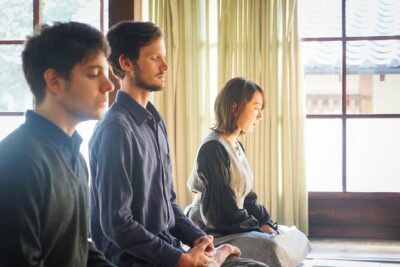
Kyoto Zen Meditation & Garden Tour at a Zen Temple with Lunch
Read our review →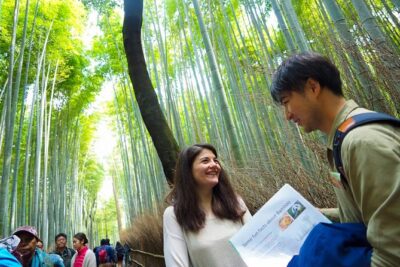
Kyoto Arashiyama Bamboo forest & Garden Half-Day Walking Tour
Read our review →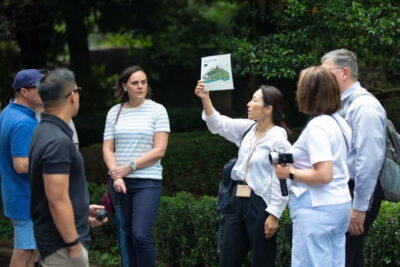
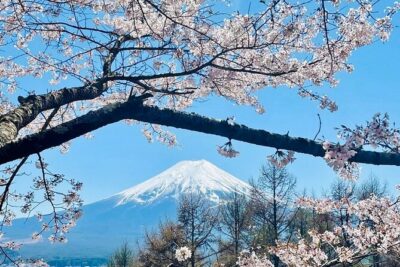
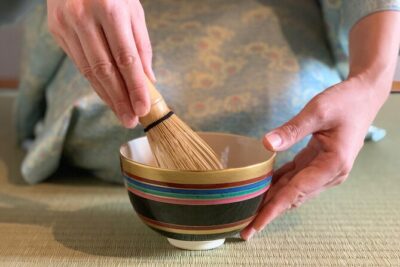
Authentic Kyoto Tea Ceremony: Camellia Flower Teahouse
Read our review →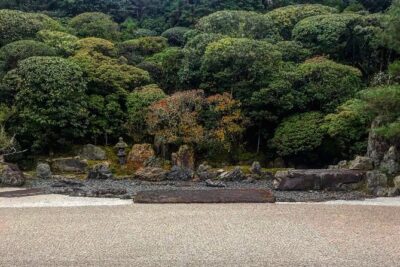
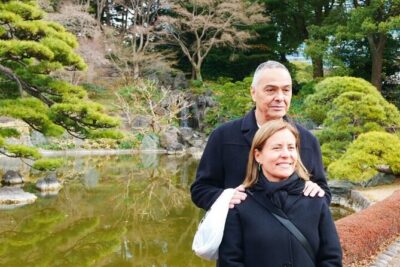
Edo Castle & East Garden of the Imperial Palace Tour
Read our review →Browse the lists this tour appears in