
Review · JAPAN
Private & Unique Nagoya Cherry Blossom Sakura Experience
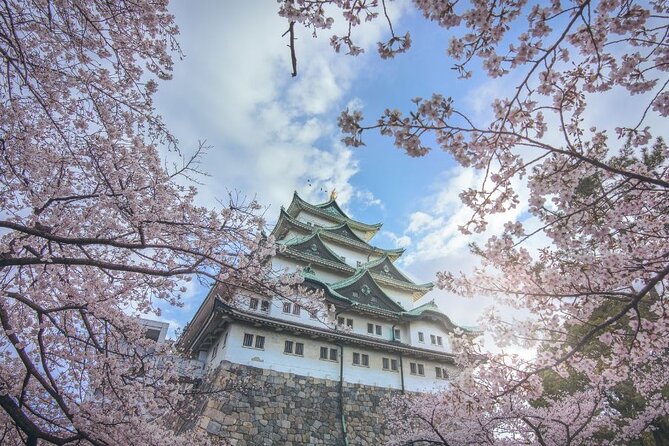
Nagoya’s cherry blossom season is best enjoyed as a moving feast, and this private tour takes you from riverside petals to busy city parks, formal gardens, and a picnic under the trees. The clever touch is the stop at the Takashimaya Gate Tower Mall food hall, where you choose seasonal Japanese food rather than settling for a standard boxed lunch.
I like the private format, since your host can adjust the pace and help with local transit. I also like the mix of four different sakura settings, from the Yamazaki River to Shirotori Garden. The main catch is practical: transportation is not included, and six stops in four hours leave little room for long visits at each place.
Key points to know
- Four sakura settings: See the Yamazaki River, Tsuruma Park, Higashiyama Zoo and Botanical Gardens, and Shirotori Garden.
- A food hall lunch: Choose a seasonal bento, shared sushi platter, Japanese sweets, and two drinks at Takashimaya Gate Tower Mall.
- Private guiding: Only your group joins, with a host available for local tips and transit help.
- A real hanami finish: Eat beneath the blossoms at Hisaya Odori Park rather than simply taking photos and moving on.
- Flexible host experience: Anna, Stephen, and Miki are named guides connected with past bookings, and Stephen has met people at a cruise ship port when arrangements called for it.
- Short seasonal window: Cherry blossoms are unpredictable, so the scenery can vary if the flowers bloom late.
Four hours across Nagoya’s best spring settings
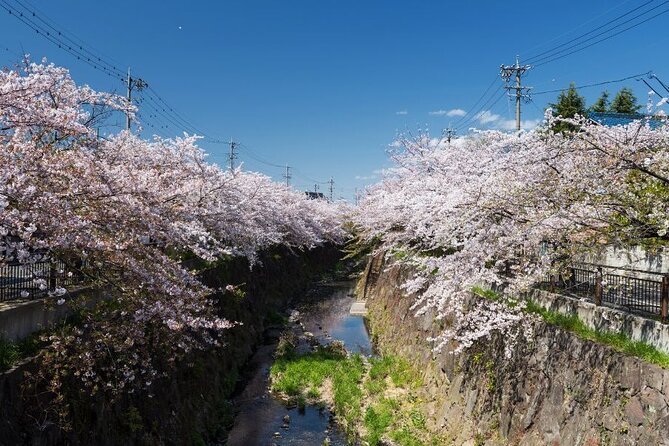
This experience is built around contrast. You do not spend the whole afternoon in one park. Instead, you see how Nagoya handles sakura in several ways: beside running water, in a public city park, among plants and zoo grounds, within a traditional Japanese garden, and finally over lunch.
That variety is the strongest reason to consider the tour. A self-guided day could cover some of these places, but you would need to plan the route, watch the clock, decide where to buy food, and find a suitable place for a picnic. Here, the host handles the shape of the outing while you focus on the flowers, food, and city views.
The pace is brisk. Each major sightseeing stop is scheduled for about 45 minutes, followed by 30 minutes for food shopping and 30 minutes for the final picnic. You should think of this as a well-packed introduction to Nagoya’s spring sights, not a slow afternoon spent studying every garden path.
More Cherry Blossom Tours in Japan
- Mt. Fuji, Cherry Blossom & Shiba Sakura Pvt. Day Tour
★ 5.0 · 326 reviews - Nagano: 1-Day Snow Monkey & Cherry Blossom Tour in Spring
★ 4.8 · 51 reviews - Mt. Fuji & Hakone Cherry Blossom private One Day Tour
★ 4.5 · 35 reviews
Starting beside the Yamazaki River
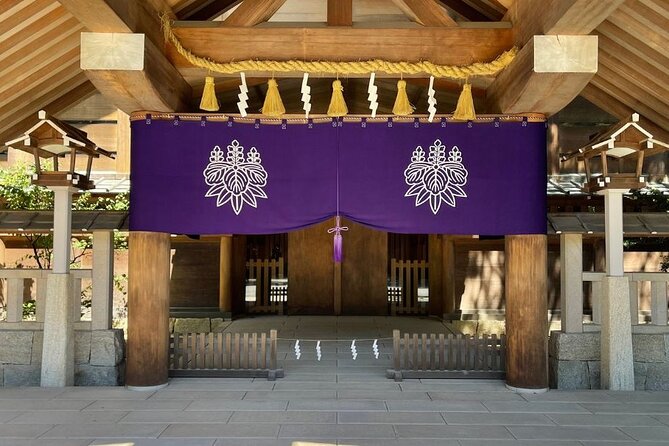
The first stop is the Yamazaki River, with about 45 minutes beside the water. Cherry trees line the river, and the blossoms reflect on the surface, giving you an immediate sense of why this season matters so much in Japan.
A riverside setting also gives you a different view from the usual crowded park. You can photograph the rows of trees, the water, and the contrast between the delicate flowers and the city around them. Since admission is free, this is a pleasant opening stop without the pressure of a ticketed attraction.
Your host can help you get oriented and explain how local people use the river during blossom season. Still, 45 minutes is a short visit. If you love photography or want a long riverside walk, you may wish for more time here. The appeal is breadth, so the tour moves on before one location gets all your attention.
Tsuruma Park and Nagoya’s social side
Tsuruma Park brings a more social mood. The cherry trees create a classic spring setting, but this is not only a place for quiet viewing. It is also where the communal side of hanami comes through, with people gathering outdoors to eat, talk, and enjoy the short season.
I like this stop because it puts the blossoms into daily life. You are not just looking at an attractive tree. You are seeing a public park become part of Nagoya’s spring calendar. The 45-minute visit gives you time to walk, take photographs, and get a sense of the park’s atmosphere before lunch.
The drawback is the same as at the river: the visit is timed rather than leisurely. If Tsuruma Park is especially appealing on the day of your tour, you may feel ready to stay longer. A private host may be able to discuss pacing, but the tour still has three other major stops to cover.
Higashiyama’s flowers and wider grounds
The third stop is Higashiyama Zoo and Botanical Gardens. The stated focus here is the blend of varied plant life with cherry blossoms, offering a calmer setting after the public energy of Tsuruma Park.
This stop adds useful variety. You are not seeing the same row of trees four times. Instead, the blossoms appear within a larger botanical setting, which can make the spring display feel more layered. The zoo and botanical gardens also give the outing a broader nature focus, although the supplied details do not promise dedicated zoo visits or specific animal encounters.
Plan on about 45 minutes. That is enough for a quick look and a guided walk, but not enough to cover a large attraction in depth. If you want to explore all of Higashiyama Zoo and Botanical Gardens, you would need separate time beyond this experience.
Same place, a different kind of green day out:
- Osaka: teamLab Botanical Garden Entry Ticket
★ 4.5 · 1,710 reviews - Imperial Palace East Garden and Edo Castle Walking Tour in Tokyo
★ 5.0 · 510 reviews - Mt. Fuji Day Trip from Tokyo with English Speaking Driver Guide
★ 5.0 · 443 reviews - Kyoto Zen Meditation & Garden Tour at a Zen Temple with Lunch
★ 5.0 · 441 reviews
Shirotori Garden’s quiet Japanese design

Shirotori Garden is the most polished stop on the route. Its traditional Japanese garden design gives the cherry blossoms a carefully arranged setting, with paths and water features shaping the view.
I especially like the change of pace here. After the river and the city park, Shirotori Garden offers a more composed way to see sakura. It is a good place to pay attention to details rather than simply count how many trees you can photograph. The garden’s design is meant to frame nature, and the blossoms add seasonal color without overwhelming the setting.
Again, you have about 45 minutes. That should work for a guided introduction, but it is not a full garden visit. Admission is listed as free for the stop, though you should still confirm any local operating conditions when booking, since seasonal venues can change their arrangements.
Choosing lunch at Takashimaya Gate Tower Mall
The food stop may be the most useful practical feature of the experience. At Takashimaya Gate Tower Mall, you choose your hanami food from a Japanese depachika, the polished food hall found in many major department stores.
This is a better approach than handing everyone the same meal. You can select a seasonal bento and see the presentation and range of prepared foods in person. The included meal also covers a shared sushi platter, Japanese sweets, and two drinks, so the picnic has more than one course or flavor to explore.
You have around 30 minutes here. That is enough for a focused purchase, but you should not expect a long shopping session. Your host can help you make choices and explain what you are seeing, which is valuable if Japanese food labels are unfamiliar.
The price deserves a closer look here. At $215.93 per person, this is not a cheap park walk. The value depends on how much you want the private guide and the food planning. You are paying for four hours of personal hosting, a meal package, help with the route, and a carefully designed set of seasonal stops. If you only want to see cherry trees, public parks will cost less. If you want a local host to connect the sights and lunch, the price is easier to justify.
Group discounts may be available, which could improve the cost for families or friends booking together. Since this is a private activity, the value also changes with group size. One or two people pay more per person for exclusivity, while a larger group may find the arrangement more reasonable if a discount applies.
Finishing with hanami at Hisaya Odori Park
The final stop is Hisaya Odori Park, where you eat the food you selected beneath the blossoms. This is what turns the afternoon from a sightseeing circuit into a seasonal experience.
A hanami picnic is simple by design. You sit outdoors, share food, and let the setting do the work. The included bento, sushi, sweets, and drinks give you a proper break after several walking stops. It also gives your host time to talk with you in a less hurried setting.
The picnic lasts about 30 minutes. That is enough for a light meal and a final sakura pause, but not a long restaurant-style lunch. Weather matters here. The activity is built around outdoor viewing, so bring a light layer and be ready for conditions that may change.
The end point is back at the original meeting point, so you should not assume the picnic park is the final place where you will be released. This matters if you are arranging a train, ship transfer, or evening reservation.
What the private guide adds
The guide is central to the experience. You are not joining a large group, and only your party participates. That makes it easier to ask questions, pause for photographs, or discuss local food without worrying about holding up strangers.
The named guides connected with this experience include Anna, Stephen, and Miki. Anna is described as a kind host who took good care of her group and shared local information. Stephen communicated before the tour, arrived promptly at a cruise ship port for one booking, and shaped a relaxed day that included a bento meal beneath the blossoms. Miki helped with city information and public transit when the flowers were late.
Those details point to a useful strength: the host role is not limited to walking from one tree to another. You may also get help using Nagoya’s transit system and adjusting plans around the season. The cruise port meeting was a specific arrangement, not the standard meeting point, so confirm any special pickup request before you rely on it.
A private guide can also help if the blossoms are early or late. One past experience took place when the flowers were behind schedule, yet the outing still included beautiful blooms. No guide can control the timing of sakura, but a local person can help you make the most of what is open and flowering.
Timing, transport, and the real pace
The tour begins at Meitetsu Nagoya Station, at 1 Chome-2 Meieki, in Nakamura Ward. A hotel meet-up is available on request for a central location. The standard activity ends back at the meeting point.
Transportation is not included. This is the biggest practical point to settle before booking. The experience is described as a walking tour, but the stops are spread across Nagoya, and the four-hour schedule may require careful movement between locations. Ask the host how the route will be handled and what transit costs you should expect.
A private host may help you navigate public transportation, as Miki did for one outing, but that does not mean fares are included. Build extra room into your budget for local transport if needed.
The tour is booked about 26 days ahead on average. That is a useful signal for cherry blossom season, when timing and availability matter. You should not wait until the flowers are at their peak if your dates are fixed.
Who should book this Nagoya sakura experience?
I would recommend it to someone visiting Nagoya for a short stay who wants a guided introduction to several flower-viewing areas. It also suits couples, families, and small groups that prefer a private pace and want a meal arranged without spending time deciphering a food hall alone.
It is a good match if you enjoy local food with your sightseeing. The depachika purchase and picnic are not filler. They give the day a practical Japanese detail that a basic park tour would miss.
You may want something else if you prefer to linger. Four major sightseeing stops in four hours is an ambitious schedule. Garden lovers, photographers, and anyone who dislikes moving often should consider visiting one or two locations independently for a slower day.
The experience is also less suitable if you want transportation fully bundled into the price. The guide can assist with transit, but the tour does not provide transportation, and the movement between distant stops needs planning.
Booking advice and cancellation terms
The activity costs $215.93 per person, with group discounts noted as available. Gratuities are optional and not included. Confirmation arrives at booking, and most people can participate. Service animals are allowed, and the experience is near public transportation.
Free cancellation is available up to 24 hours before the start time for a full refund. Cancellations or changes made less than 24 hours before the start are not accepted for a refund. The cut-off follows local Nagoya time.
I would book early if your visit falls during the expected blossom period, but I would also confirm the meeting arrangement, transport plan, and likely flower timing. Those three points will shape your satisfaction more than the exact order of the parks.
Should you book it?
Book this experience if you want a private host, several different sakura settings, and a seasonal meal in one compact afternoon. The strongest features are the personal guiding, the food hall stop, and the final hanami picnic. The past experiences connected with Anna, Stephen, and Miki also suggest that host quality and practical help can make a real difference.
Skip it if your priority is a slow, inexpensive park visit or if you do not want to pay for transport separately. At $215.93 per person, this is a special-interest experience rather than a bargain outing. For the right visitor, though, it offers a thoughtful way to see Nagoya during one of Japan’s most beautiful, and shortest, seasons.
FAQ
How long does the Nagoya cherry blossom experience last?
The experience lasts approximately four hours.
Where does the tour start?
It starts at Meitetsu Nagoya Eki Mae, 1 Chome-2 Meieki, Nakamura Ward, Nagoya, Aichi 450-0002, Japan.
Where does the activity end?
The activity ends back at the original meeting point.
Is transportation included?
No. Transportation is not provided for this walking tour.
Can the host meet me at my hotel?
A hotel meet-up is available on request for a central location.
What food is included?
The package includes a traditional Japanese picnic with a bento box, shared sushi platter, Japanese sweets, and two drinks.
Is this a private tour?
Yes. Only your group participates in the activity.
Are service animals allowed?
Yes. Service animals are allowed.
Can I cancel for a full refund?
Yes. You can cancel at least 24 hours before the experience start time for a full refund. Changes or cancellations made less than 24 hours before the start are not accepted for a refund.
Just added around Japan
- Tsumami Zaiku Japanese Fabric Flower Class★ 5.0 · 3 reviews
- Tokyo: Serene Sakura & Sake: An Exclusive Brewery Pairing Lunch★ 5.0 · 2 reviews
- Tsukiji Food Strolling and Hama Rikyu Garden Walking Tour★ 5.0 · 7 reviews
- Private tour – Scenic Fuji Escape: Hakone, Peace Park & More★ 5.0 · 4 reviews
- Tokyo Cherry Blossom Half Day Walking Tour with a Local Guide★ 3.5 · 4 reviews
- TOKYO: Tailored Gardens tour with Pro Gardener by E-bike -BASIC★ 5.0 · 2 reviews
- Cherry Blossom Highlights, Asakusa, Ueno, Imperial Palace Garden★ 4.5 · 4 reviews
- Japan’s Customs of Ikebana Art, Tea Ceremony & Kimono Welcome★ 5.0 · 2 reviews
Japan Garden Tours, compared.
Imperial Palace East Garden and Edo Castle Walking Tour in Tokyo
Read our review →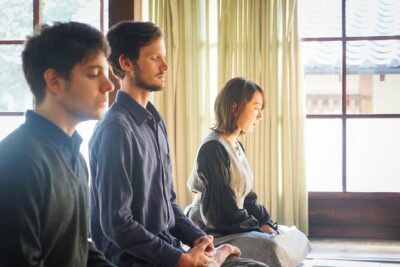
Kyoto Zen Meditation & Garden Tour at a Zen Temple with Lunch
Read our review →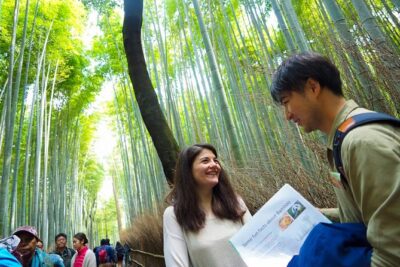
Kyoto Arashiyama Bamboo forest & Garden Half-Day Walking Tour
Read our review →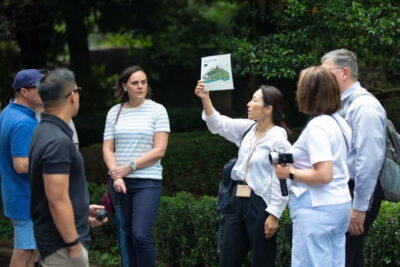
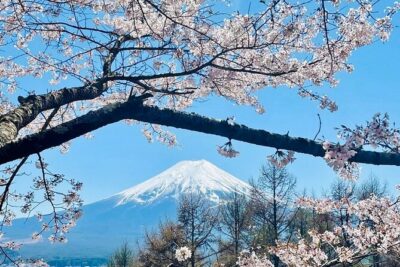
Authentic Kyoto Tea Ceremony: Camellia Flower Teahouse
Read our review →
Edo Castle & East Garden of the Imperial Palace Tour
Read our review →Browse the lists this tour appears in