
Review · KYOTO
Kyoto Spring Evening (Cherry Blossom) Food Tour
Kyoto’s cherry blossom season can feel crowded and noisy, but this evening walk takes you toward Demachiyanagi, where Hanami means more than taking a quick photo beneath a famous tree. You’ll wander through shrines, temple grounds, woodland paths, and a local shopping arcade, then sit down to seasonal food with a guide.
I like the focus on local spring flavors and the small maximum group of 10. I also like the timing: starting at 4:30 pm lets you see Kyoto in the soft light of late afternoon and early evening. The main drawback is price. At $217 per person, you are paying a large premium for guidance, tastings, dinner, and company that you could partly arrange yourself.
Key details before you book
- Demachiyanagi is the base: The tour begins and ends at Demachiyanagi Station, not at your hotel.
- Cherry blossoms shape the schedule: Poor weather or seasonal conditions can lead to a new date, a refund, or changes to the stops.
- Dinner and tastings are included: You receive a seasonal local dinner, various snacks and sweets, and two drinks.
- The group is kept small: The maximum is 10 people, which should make it easier to hear the guide and ask questions.
- Lauren is one named guide: A past evening with Lauren was warmly praised for its friendly company and Kyoto stories.
- Allow extra spending money: Transportation, gratuity, and additional food or drinks are not included.
An evening Hanami walk beyond Kyoto’s postcard crowds
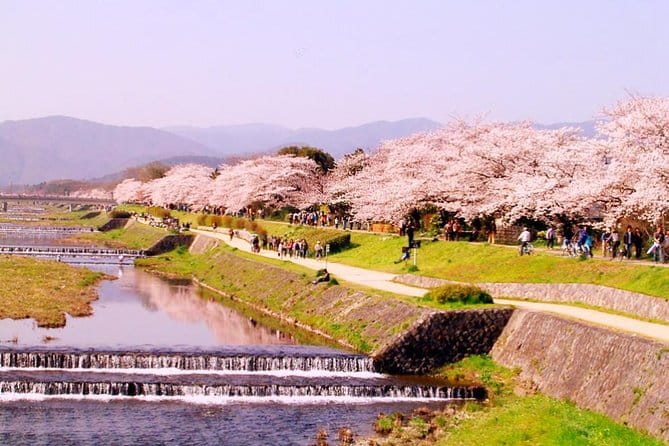
The best idea here is simple: see cherry blossoms as part of ordinary Kyoto life, not only as a photo stop. The Demachiyanagi district gives the tour room to mix seasonal scenery with shopping, snacks, shrines, and a proper meal.
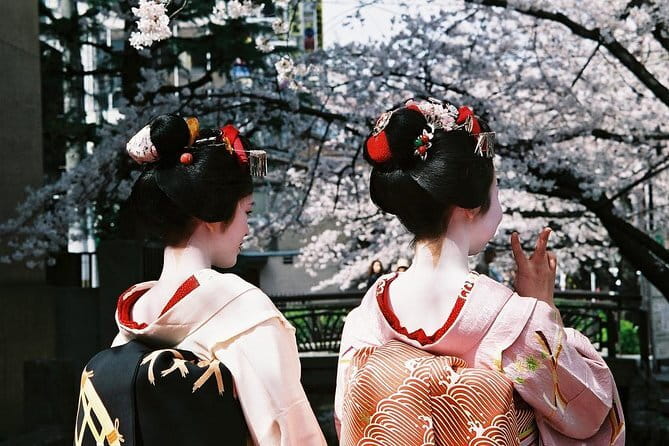
Hanami, or flower viewing, is often pictured as a picnic beneath a row of perfect trees. In Japan, it can also mean a family outing, a stroll after work, a shared snack, or a quiet pause beside a temple. This experience aims to show you that broader tradition.
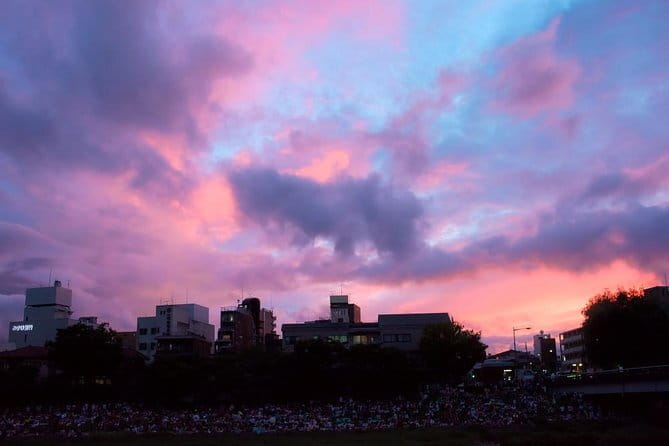
You begin at Demachiyanagi Station at 4:30 pm. The tour lasts about three hours and returns to the same meeting point. That makes the route practical if you are using Kyoto’s public transportation, but you need to plan your own way to and from the station.
The walk includes several well-known cultural places, but the emphasis is not on rushing through formal sightseeing. You’ll move through the Demachiyanagi area, pause for food, and hear local context along the way. Because restaurant hours, public holidays, weather, and other conditions can affect the route, the exact order and selection of stops may change.
More Cherry Blossom Tours in Japan
- Guided Kyoto City Cherry Blossom One Day Private Tour
★ 5.0 · 16 reviews - Private & Unique Kyoto Cherry Blossom “Sakura” Experience
★ 5.0 · 5 reviews - Higashiyama | Kyoto: Sakura Season Private Rickshaw Tour
★ 5.0 · 3 reviews
Demachiyanagi Station and the local shopping arcade
Demachiyanagi Station is a useful starting point because it places you in northeastern Kyoto, away from the busiest sightseeing corridors. Meet at the station address provided for the tour, and arrive early enough to find the guide without turning the first five minutes into a small treasure hunt.
From there, the walk includes Demachiyanagi Shopping Street, a local Shotengai. A shopping arcade is one of the best places to see the practical side of Japanese city life. You might find food shops, small retailers, and familiar neighborhood routines rather than souvenir stalls designed mainly for foreign visitors.
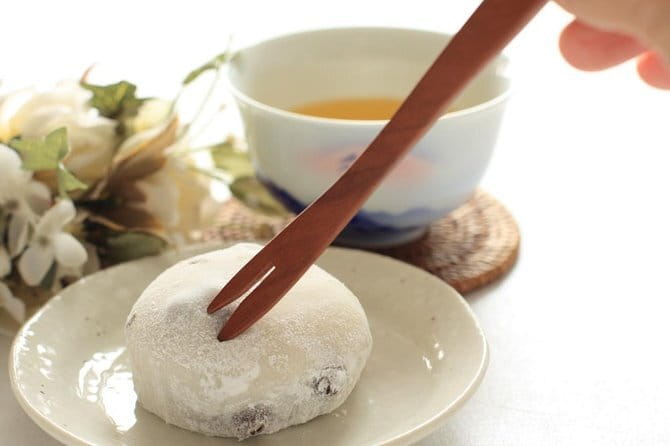
This is also where the food theme begins to make sense. Instead of waiting until the final restaurant meal, you’ll taste local snacks and sweets along the way. The menu changes with the season, but the point is consistent: Kyoto food follows the calendar closely, and spring brings its own ingredients, colors, and customs.
I like this part because it connects the blossoms to daily life. You are not simply looking at trees, then eating an unrelated dinner. The food, timing, and setting all reflect the season.
The shopping time is included, but purchases are not. Bring a little extra money if you want to buy something from the arcade or add food and drinks beyond what is provided.
Kawai Jinja and the first cultural pauses
Kawai Jinja, or Kawai Shrine, is one of the cultural stops on the route. It sits within the broader Shimogamo area and helps give the walk a quieter, more reflective tone.
The tour also includes Tadasu no Mori, the forest associated with Shimogamo Shrine. This is a valuable change of pace after the shopping arcade. You move from storefronts and food smells into a more wooded setting, with shrines and paths that make the city feel farther away than it really is.
You should not expect a long formal temple lecture at every stop. The tour is only three hours and includes eating, walking, and several locations. Instead, the guide’s stories help connect the places to Kyoto’s customs and seasonal traditions.
That storytelling was a strong part of one particularly positive evening led by Lauren. The historical explanations made the spring scenery feel more meaningful, rather than simply pretty. If you enjoy learning why a place matters, you’ll likely get more from this outing than you would from following a map between blossom spots.
Tadasu no Mori and Shimogamo Jinja
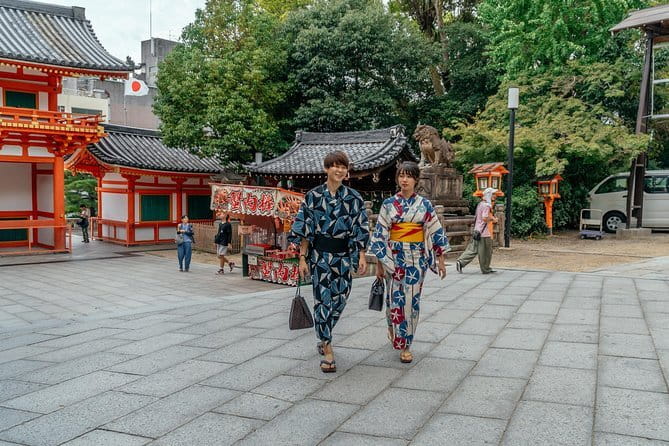
Tadasu no Mori is one of the most atmospheric parts of the planned route. Its wooded paths offer a calmer setting for a Hanami stroll, especially after the more commercial section of the evening.
Shimogamo Jinja is another major stop. As with Kawai Jinja, the appeal is not only the architecture or the chance to take photographs. The shrine gives the guide a setting for explaining local beliefs, seasonal observances, and the role of sacred places in Kyoto life.
The route is particularly appealing if you have already seen the city’s headline sights and want a gentler evening. You’ll still visit important cultural sites, but the pace is shaped by conversation and food rather than by checking off as many monuments as possible.
Keep in mind that the route is not guaranteed in every detail. Restaurant schedules, holidays, weather, and other unforeseen issues may lead to substitutions. That flexibility is sensible during blossom season, but it means you should book this for the overall style of the experience, not for one exact tree or stop.
More Cherry Blossom Tours in Kyoto:
- Kyoto Sakura & Hidden Gems of Timeless Tradition
★ 5.0 · 2 reviews - Mt. Fuji, Cherry Blossom & Shiba Sakura Pvt. Day Tour
★ 5.0 · 326 reviews - The DC Cherry Blossom Bus Tour with Tidal Basin Guided Walk
★ 4.5 · 151 reviews - National Mall & Cherry Blossoms Tour with Optional Museum Tickets
★ 4.5 · 112 reviews
Kyoto Imperial Palace and Botanical Gardens
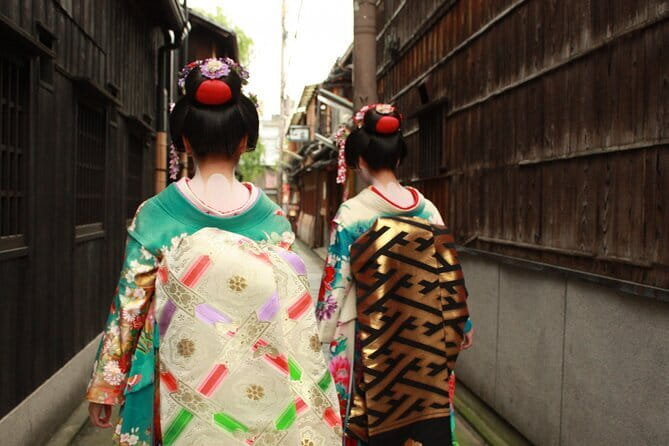
The planned route also lists Kyoto Imperial Palace and Kyoto Botanical Gardens. These locations suggest a broad view of spring in the city, with the possibility of moving between formal public spaces, gardens, temple grounds, and shrine paths.
The available information does not promise admission to every site or specify how much time you will spend at each one. Treat them as possible points along the evening route rather than guaranteed extended visits. The tour description centers on the Demachiyanagi area, and the operator may adjust the stops.
That matters for planning. If your main goal is a long visit inside the Imperial Palace or Botanical Gardens, arrange a separate visit. If you want a guide-led evening that may include several spring settings along with food, the wider route gives the experience useful variety.
Seasonal snacks, sweets, and a Kyoto dinner
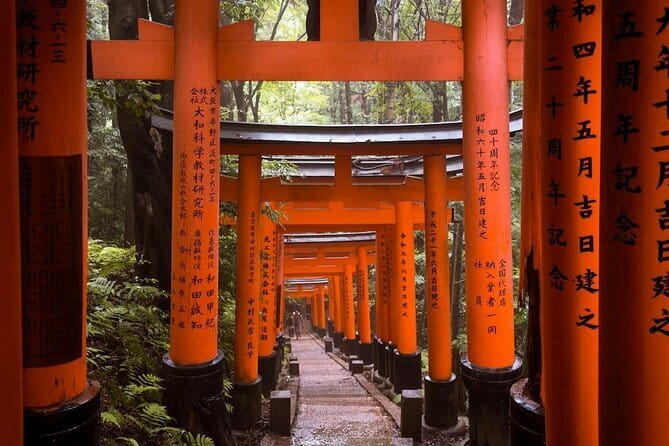
Food is the heart of this tour. You receive tastings of local snacks and sweets, a seasonal dinner at a classic restaurant, and two drinks.
The word seasonal does real work here. Japanese food culture pays close attention to the time of year, and spring dishes often reflect the arrival of blossoms and fresh produce. One strong account of this experience specifically praised the chance to understand why seasonality matters in Japanese cooking.
The small tastings are useful because they let you try items you might otherwise walk past. A guide can explain what you are eating and how it fits into local custom. That can be worth more than simply receiving a plate of familiar dishes in a restaurant.
Dinner gives the evening a proper finish. You are not left trying to find a meal after three hours of walking. The food is described as local and seasonal, served at a classic restaurant, though the specific menu and venue are not guaranteed.
Two drinks are included. Additional drinks and food cost extra, and gratuity is not included. Vegetarian and pescatarian options are supported, but you should communicate your needs when booking or before the tour so the arrangements are clear.
The experience is family-friendly, though children must be with an adult. The minimum drinking age is 21. That rule matters less for families than for groups expecting an alcohol-focused evening, since the tour is mainly about food, scenery, and local culture.
What $217 buys you, and what it does not
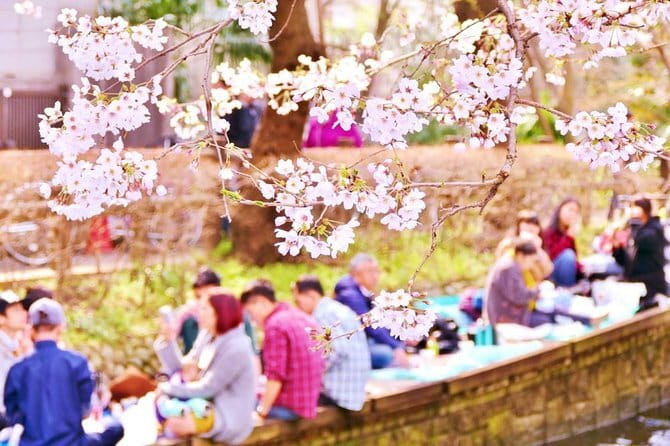
At $217 per person, this is an expensive three-hour experience. You can walk through many Kyoto streets and blossom areas on your own for far less. You can also buy snacks at a shopping arcade and arrange dinner independently.
The case for the price is convenience and interpretation. You receive a local guide, several tastings, two drinks, a full seasonal dinner, and a planned route through cultural sites. A group capped at 10 also gives you a better chance of direct conversation than a large bus tour.
You are paying for someone to connect the pieces. Without a guide, you might see a shrine, buy a sweet, and eat dinner, but miss the link between seasonal food, Hanami customs, and the places along the route.
The value depends on your travel style. If you enjoy researching food and finding local neighborhoods on your own, the price may feel too high. One dissatisfied customer made exactly that point, saying the tour could be done independently for a fraction of the cost.
If you have limited time in Kyoto, do not want to manage restaurant choices during cherry blossom season, or enjoy learning through conversation, the price becomes easier to defend. You are buying a ready-made evening, not simply admission to a sight.
Group size, pace, and practical planning
The maximum group size is 10. That is small enough for a more personal walk, though the actual number may vary. The tour requires punctuality, and one past problem involved waiting for the rest of a small group to assemble. Arrive at Demachiyanagi Station before the 4:30 pm start.
You should be comfortable walking for about three hours, with stops for food and sightseeing. The activity is near public transportation, but transportation costs are your responsibility. Hotel pickup is not included, although it can be arranged for an additional charge.
Solo visitors are welcome to ask the operator about arrangements by email. Families can book, but children need adult supervision, and passport information is required for children age 10 and older.
The mobile ticket is convenient. Keep your phone charged and make sure you can access the booking details at the meeting point.
Weather matters. This experience requires good conditions, and poor weather may lead to a different date or a full refund. The minimum number of participants also has to be met, so the operator may offer another date or experience if the tour is canceled.
Free cancellation is available until 24 hours before the start time. After that cutoff, refunds and changes are not accepted. Since cherry blossom dates are precious, check the forecast and your schedule before making final plans.
Who will enjoy this Kyoto evening most
I would choose this tour for someone who wants food, walking, and local context in equal measure. It suits first-time visitors who would rather have a guide shape the evening than spend hours comparing restaurants and blossom locations.
It also fits repeat visitors who have already seen Kyoto’s major temples and want a different neighborhood. The Demachiyanagi setting, shopping arcade, shrine visits, and woodland walk give the evening a less predictable rhythm.
Families can join, and vegetarian and pescatarian diners are supported. Solo visitors should contact the operator in advance. People seeking a nightlife tour or a long, formal palace visit should choose something else.
Your expectations matter most. This is not a private tour, not a guaranteed fixed route, and not the cheapest way to eat in Kyoto. It is a small-group seasonal outing built around the pleasure of moving through the city with someone who can explain what you are seeing.
Should you book the Kyoto Spring Evening Food Tour?
Book it if you want an easy, guided Hanami evening with seasonal dinner, snacks, sweets, and two drinks already arranged. The combination of Demachiyanagi’s local character, shrine and forest walks, and food-focused storytelling gives you a fuller experience than a simple cherry blossom stroll.
Skip it if you are comfortable exploring independently or if $217 feels out of proportion to a three-hour outing. You can reproduce much of the route and meal on your own for less, but you will give up the guide’s stories, planned tastings, and the ease of having the evening organized.
For the best fit, book this as a cultural food walk, not as a guaranteed tour of every listed location. Arrive early, allow for route changes, bring money for extras, and keep your evening free from other fixed plans.
FAQ
Where does the tour start and end?
The tour starts at Demachiyanagi Station in Kyoto at 4:30 pm and ends back at the same meeting point.
How long does the experience last?
The evening tour lasts approximately three hours.
What food and drinks are included?
You receive various tastings of local snacks and sweets, a seasonal local dinner at a restaurant, and two drinks.
Is hotel pickup included?
No. Hotel pickup is not included, but it may be arranged for an additional charge. Transportation costs are also not included.
Can vegetarians and pescatarians join?
Yes. The tour is suitable for vegetarian and pescatarian participants.
What happens if the weather is poor?
If poor weather causes cancellation, you will be offered a different date or a full refund. The operator may also change stops because of weather, restaurant schedules, public holidays, or other unforeseen conditions.
More Food in Kyoto
- Balinese Vegan Cooking Class with Fresh Harvesting & Garden Tour
★ 5.0 · 86 reviews - Sorrento: Walking Tour in Lemon Garden w/ Food Tasting
★ 4.8 · 72 reviews - Bangkok Street Food and Night Lights by Tuk Tuk
★ 4.6 · 49 reviews - Delhi Street Art Walk in Lodhi Art District with Chai & Food
★ 5.0 · 34 reviews
More Food & Drink in Kyoto
- Zen Garden Making and Matcha Tasting in Handmade Pottery Shop
★ 3.5 · 2 reviews - Bangkok: White Orchid Chao Phraya Dinner Cruise free Beer
★ 4.4 · 4,573 reviews - Princeville Botanical Gardens Tour and Chocolate Tasting Ticket
★ 5.0 · 774 reviews - Sorrento: Lemon Garden Tour with Marmalade Tasting
★ 4.6 · 405 reviews
Just added around Kyoto
- Kyoto-Nara Adventures Private Tour With Hotel Pick Up★ 4.0 · 5 reviews
- Ikebana Traditional Japanese Art of Flower Arranging★ 4.5 · 19 reviews
- Traditional Japanese Flower Styling Workshop – Ikebana in Kyoto★ 5.0 · 10 reviews
- Stunning Private Tea Ceremony: Camellia Garden Teahouse★ 5.0 · 28 reviews
- Kyoto Hidden Treasures: Special Temple & Garden Access Tour★ 4.5 · 25 reviews
- Zen Garden Making and Matcha Tasting in Handmade Pottery Shop★ 3.5 · 2 reviews
- Guided Kyoto City Cherry Blossom One Day Private Tour★ 5.0 · 16 reviews
- Kyoto: Kinkaku-ji Temple & Serene Garden Guided Tour with Tickets★ 5.0 · 9 reviews
Kyoto Garden Tours, compared.
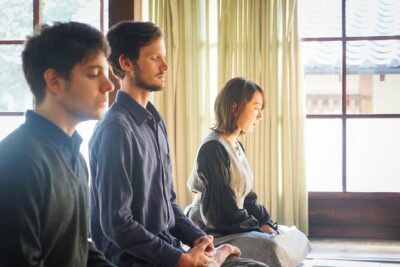
Kyoto Zen Meditation & Garden Tour at a Zen Temple with Lunch
Read our review →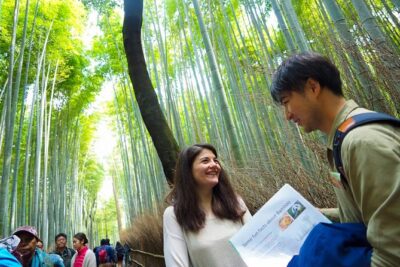
Kyoto Arashiyama Bamboo forest & Garden Half-Day Walking Tour
Read our review →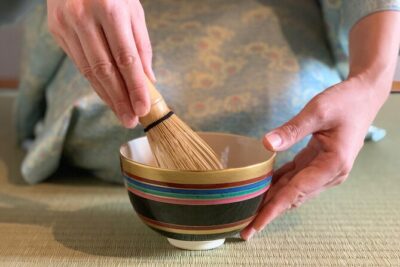
Authentic Kyoto Tea Ceremony: Camellia Flower Teahouse
Read our review →
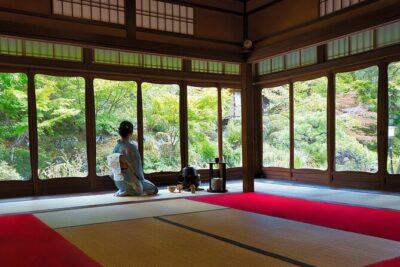
Kyoto Kiyomizu Tea Ceremony with Scenic Garden Views
Read our review →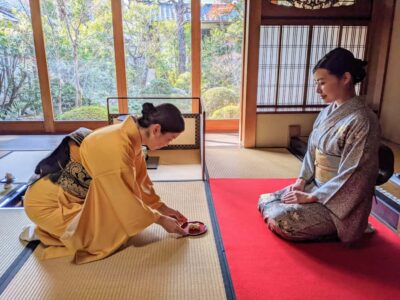
Stunning Private Tea Ceremony: Camellia Garden Teahouse
Read our review →Browse the lists this tour appears in