
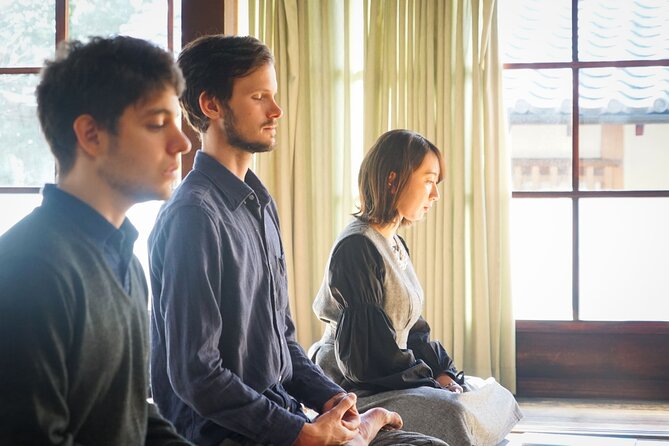
Review · KYOTO
Kyoto Zen Meditation & Garden Tour at a Zen Temple with Lunch
The heart of this Kyoto experience is a guided zazen session with a Zen monk, not simply another temple visit. You walk through the Tofukuji area, study a dry garden, learn how Zen practice fits into Japanese religious life, then sit in a temple setting with instruction before eating a traditional Buddhist meal.
I like two things right away. First, the group is limited to seven people, so guides such as Yutaka and Hikari can explain details and handle questions without turning the walk into a lecture. Second, the tour joins sights and practice: you do not just photograph a Zen garden, you learn how to sit, breathe, and behave in the meditation space.
The main consideration is timing. A 10:45 departure may not reach lunch until 14:15, so eat a solid breakfast or brunch. You also need to arrive on time, bring water in hot weather, and accept that the meditation period is quiet, with no private conversation.
Key Points at a Glance
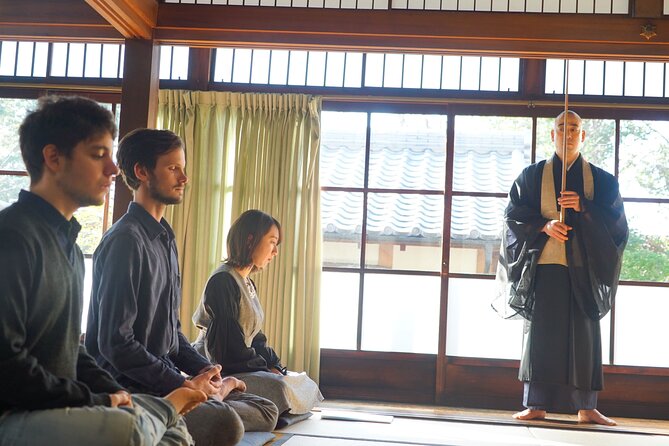
- A real meditation session: A resident monk guides you through the basics of zazen in a temple setting.
- Tofukuji and Zen gardens: Walk through one of Kyoto’s major Zen temple areas with cultural explanation along the way.
- Small group size: The tour accepts a maximum of seven people, giving you more direct time with the guide.
- Buddhist lunch included: Enjoy a traditional vegetarian meal historically served by Zen monks at temple kitchens.
- Useful cultural translation: Guides prepare you for the meditation session and may translate questions and explanations.
- Practical timing matters: The experience lasts about four and a half hours, and late arrivals cannot join or receive a refund.
Why This Kyoto Tour Feels Different From a Temple Walk
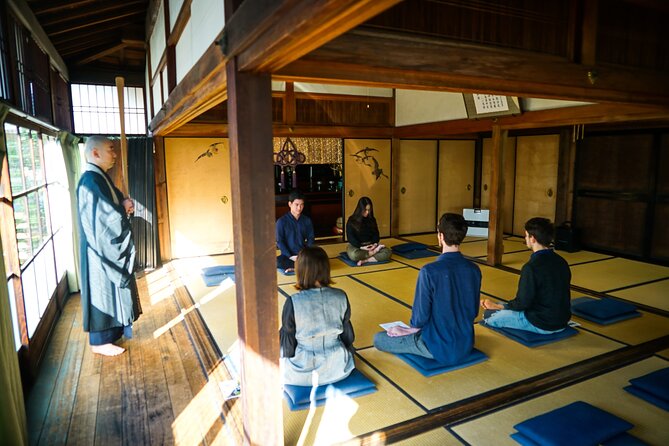
Kyoto has no shortage of temples. You can spend a full day moving from gate to gate, taking pictures, and forgetting which building you saw ten minutes earlier. This tour takes a different approach by asking you to slow down and take part in a practice connected to the places you visit.
The route centers on Tofukuji, one of Kyoto’s major Zen temple complexes. The walk includes temple grounds, a Zen garden, and other religious sites in the area. Your guide explains what you are seeing, including the relationship between Buddhism and Shinto, the organization of temple compounds, and the meaning behind the spaces used for meditation.
That context matters. A dry garden can look like a neatly raked arrangement of stones if nobody explains how it is intended to be viewed. A temple hall can seem empty if you do not understand why quiet, posture, and controlled movement matter there. The guide helps turn a scenic stop into a cultural lesson.
I especially like that the tour does not treat meditation as a decorative add-on. The walk prepares you for the main session. By the time you sit down, you have already heard about Zen practice and know more about the setting.
A few more garden visits around Kyoto worth a look
- Versailles Palace and Giverny Monet House Visit with Lunch
★ 4.0 · 1,948 reviews - Sapadere Tour with Dimçay Lunch, Cave, Tropical Fruit Garden
★ 4.5 · 1,640 reviews - Giverny and Versailles Small Group Day Trip from Paris with Lunch
★ 4.5 · 755 reviews
Walking Through Tofukuji’s Temple District
The meeting point is outside FamilyMart Nakai Tofukuji at 12-chome-232 Honmachi, in Kyoto’s Higashiyama Ward. It is near public transportation, but you should still allow extra time to find the exact spot. This is not the sort of activity where arriving at the general neighborhood is good enough.
From there, the group explores the Tofukuji area on foot. The experience includes a visit to Tofukuji Temple and a walk through Zen temple grounds and gardens. The pace is intended for looking and listening rather than racing between landmarks, though you should expect some walking and time spent on temple floors.
The guides are one of the strongest parts of the experience. Yutaka is repeatedly singled out for his warmth, enthusiasm for Kyoto, and ability to explain small details. Hikari is also described as a calm and capable guide, especially when preparing the group for meditation and translating the monk’s explanations. Yuka has led departures as well, with a friendly approach suited to solo participants.
Do not expect every guide to follow the same script word for word. That is part of the appeal of a small group. You may have more room to ask about Buddhism, Zen architecture, local customs, or the neighborhood. If you are interested in collecting temple stamps or learning about religious symbols, it is worth raising the subject early.
Reading a Dry Zen Garden With Guidance
The Zen garden is more than a photo stop. You have time to look at the dry arrangement of stones and raked gravel while your guide explains how the garden is connected to Zen ideas and quiet observation.
You will not be asked to become a garden scholar in a few minutes. The value is simpler: the guide gives you a way to look. Instead of scanning the garden and moving on, you can sit, notice the arrangement, and consider why a space with so little plant life can feel so composed.
Photography is possible at garden stops, but this is not a photography tour. The best moments may come when you put the phone away for a while. The setting rewards patience, and the later meditation session makes that slower pace feel purposeful.
Temple visits can also involve removing shoes or sitting on cold floors. In winter, thick socks are a smart choice. The notice about cold temple floors is not a minor point, especially if you are unused to sitting indoors in traditional buildings.
Preparing for Zazen With a Zen Monk
The meditation session is the reason to choose this tour over a standard sightseeing walk. You receive an introduction to zazen, or Zen meditation, and then practice in a temple setting with guidance from a resident monk.
The exact flow depends on the departure, but the experience includes instruction on the proper approach, sitting, and mindset. One account describes a session of about an hour, with a short break. The monk on that departure spoke Japanese, while the guide explained what to expect beforehand and translated additional comments and questions afterward.
That language arrangement is important. You should not expect the monk to deliver the entire session in English. The guide serves as the bridge, making sure you understand the instructions and can ask questions later. The monk’s Japanese delivery is part of the setting, but the guide’s preparation keeps the experience accessible to people who are new to Zen.
During the meditation itself, private conversation is generally not allowed. You may receive material to read silently, but this is not a time for chatting with the person beside you or asking the guide questions. If you need constant activity, this may feel restrictive. If you want a genuine period of quiet, it is one of the tour’s best features.
You do not need to arrive as an experienced meditator. In fact, the tour is well suited to first-timers because the instructions are given step by step. Still, you should be willing to sit quietly and follow temple rules. This is a cultural practice, not a casual wellness class.
Same place, a different kind of green day out:
- Kyoto Arashiyama Bamboo forest & Garden Half-Day Walking Tour
★ 5.0 · 413 reviews - Authentic Kyoto Tea Ceremony: Camellia Flower Teahouse
★ 5.0 · 269 reviews - Kyoto: Zen Garden, Zen Mind (Private)
★ 5.0 · 126 reviews - Kyoto Kiyomizu Tea Ceremony with Scenic Garden Views
★ 5.0 · 101 reviews
What the Lunch Adds to the Experience
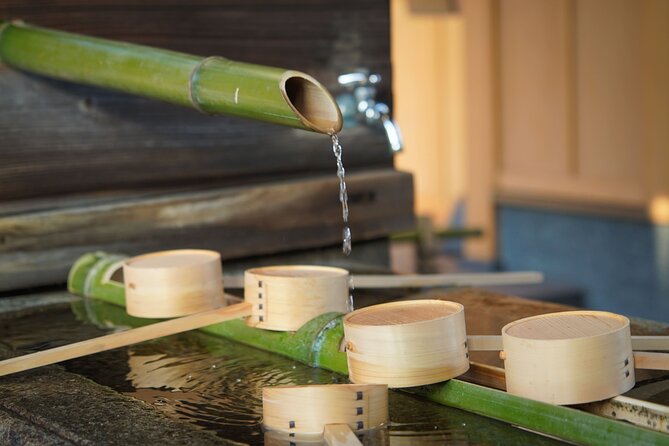
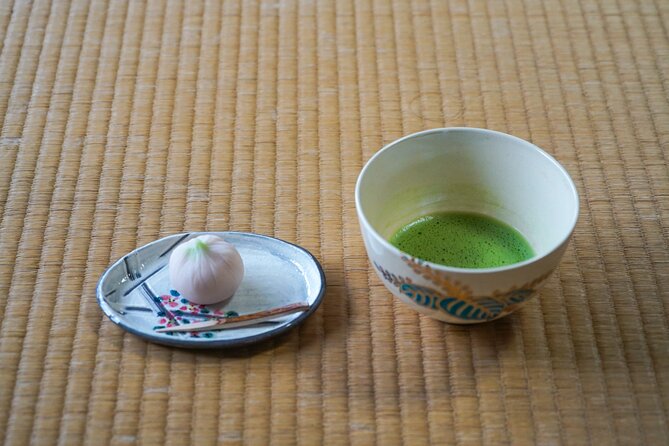
The included meal is a traditional Buddhist lunch associated with Zen temples and historically served by monks. It gives the tour a welcome change of pace after walking and sitting, while also showing how religious practice can extend into food and daily routine.
The meal is described as vegetarian and Kyoto-style. One account calls it generous in size, while another highlights it as an excellent choice. You should think of it as part of the cultural program rather than a restaurant meal selected to suit every diet.
Dietary planning needs care. The food is prepared in kitchens that do not belong to the tour company, and allergy-free meals or substitutions cannot be guaranteed. You can submit a dietary request by the day before, but requests made on the day cannot be accepted. Even with advance notice, substitutions may not be possible at every stop.
The timing can be the bigger practical issue. For the 10:45 departure, lunch is scheduled for 14:15, after meditation. I would eat beforehand rather than gamble on a late meal, especially in summer heat or if you are prone to low energy.
Group Size, Timing, and Physical Comfort
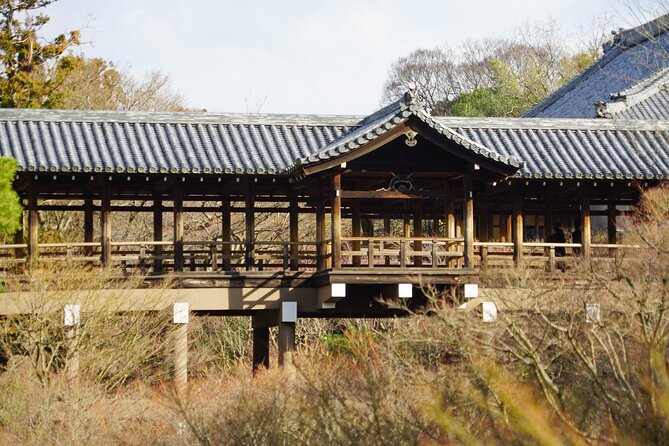
A maximum of seven people is a real advantage here. Meditation requires quiet, and temple explanations work better when the group is small enough for everyone to hear. You also have a better chance of asking about a detail that catches your attention.
The total duration is about four hours and thirty minutes. That is long enough to feel substantial without taking over an entire day in Kyoto. You could schedule it alongside other sightseeing, but do not place a major appointment immediately afterward. The stated end point is near Chishaku-in Temple, and the group plans to disband at the last shop, even though some itinerary wording says it returns to the meeting point.
The tour starts promptly. If you miss the group, you cannot join later, reschedule, or receive a refund. Kyoto’s streets and transit can be confusing, so I would arrive early rather than aim for the meeting time.
Summer requires basic heat planning. Bring water and wear a hat, since Kyoto can be very hot and humid. In winter, thick socks make temple floors more comfortable. The tour is open to people aged 12 and older.
Is the $110.10 Price Good Value?
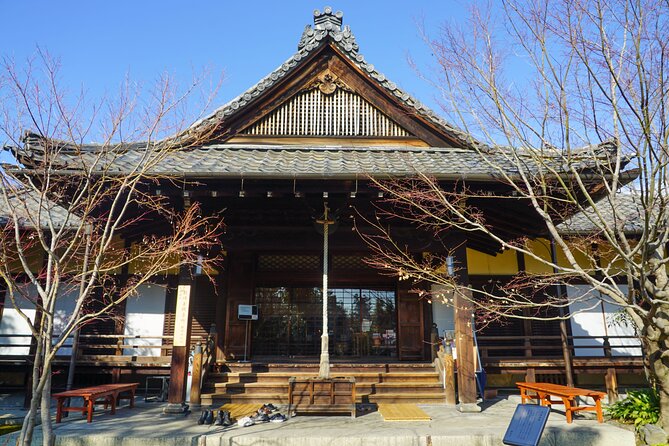
At $110.10 per person, this is not a cheap way to see a temple. It is also more than a simple garden admission ticket. The price includes a guide, temple admissions, the Zen meditation session, and lunch, which changes the value calculation.
I think the cost is reasonable if you want an organized cultural experience with access to a monk and interpretation. Temple admission is included, so you are not paying extra at each stop. The small group also matters: with only seven people, the guide can spend more time answering questions and explaining what happens before meditation.
The price is less compelling if your main goal is independent temple photography. You can visit Kyoto’s temple districts on your own for less, and you would have complete control over your schedule. This tour earns its price through structure, translation, and access to a practice that would be difficult to arrange casually.
The lunch helps round out the value, but do not book this solely for food if you have strict dietary needs. The operator makes a genuine effort to handle requests, yet cannot promise allergy-free preparation or substitutions at every stop.
Who Will Get the Most From This Experience?
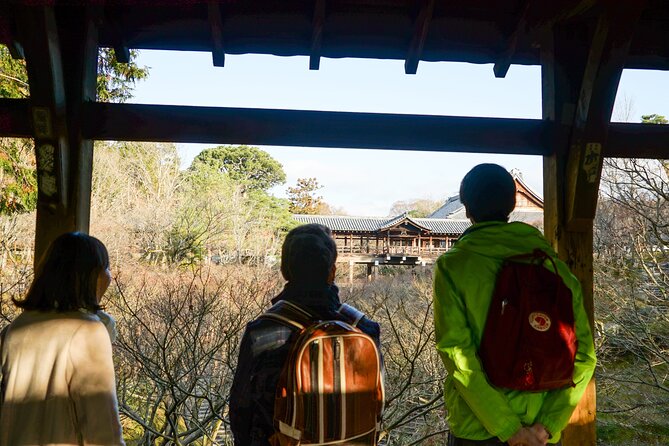
I would recommend this tour to a first-time Kyoto visitor who wants more than a quick look at temple roofs and gardens. It also suits a solo visitor, since the small group and guide-led format make the day easy to join without needing to organize every detail alone.
It is a good fit if you are curious about:
- Zen meditation and Buddhist practice
- The difference between visiting a temple and taking part in a temple activity
- Kyoto’s religious architecture and gardens
- A quiet, reflective half-day
- Guided cultural explanation with translation
- A traditional vegetarian lunch
You should think twice if you dislike fixed schedules, quiet rules, walking, or sitting on temple floors. The meditation period is not optional background entertainment. It is the central activity, and respect for the other participants is expected.
This is also not the best choice for someone with severe food allergies or strict dietary requirements unless the advance arrangements are confirmed and you are comfortable with the stated limits. Anyone under 12 cannot join.
Booking and Cancellation Details
Confirmation is provided at booking, and the tour uses a mobile ticket. Free cancellation is available up to 24 hours before the start time, based on local Kyoto time. Cancellations or changes made less than 24 hours before the experience are not refunded or accepted.
Book only after checking the departure time against your meal plans. If you choose the 10:45 start, plan for lunch at about 14:15 and eat before you arrive. I would also save the meeting point in your phone and aim to be there early.
Should You Book the Kyoto Zen Meditation Tour?
Book it if you want a thoughtful half-day built around actual practice, not just sightseeing. The combination of Tofukuji, a dry garden, a monk-led meditation session, and Buddhist lunch gives the experience a clear shape, and guides such as Yutaka and Hikari add the explanation that many temple visits lack.
Skip it if you want a flexible morning, a quick list of sights, or complete control over what and when you eat. For everyone else, especially first-time meditators and solo visitors, the $110.10 cost buys a rare kind of access: a chance to pause inside Kyoto’s Zen tradition, with someone there to explain what you are doing and why it matters.
FAQ
Where does the Kyoto Zen meditation tour start?
It starts at FamilyMart Nakai Tofukuji, located at 12-chome-232 Honmachi, Higashiyama Ward, Kyoto, 605-0981, Japan.
Where does the activity end?
The activity ends near Chishaku-in Temple. The plan is to disband at the last shop, although some itinerary wording says the group returns to the meeting point.
How long does the experience last?
The tour lasts approximately four hours and thirty minutes.
Is temple admission included?
Yes. Temple admission fees are included in the experience price.
What happens during the meditation session?
You learn the fundamentals of zazen, or Zen meditation, and practice with guidance from a Zen monk. Private conversation is generally not permitted during the session, and silent reading materials may be provided.
Is lunch included?
Yes. A traditional Buddhist meal associated with Zen temples is included. The meal is described as vegetarian and Kyoto-style.
Can the tour accommodate dietary restrictions?
You must submit dietary requests by the day before the tour. Allergy-free meals and substitutions cannot be guaranteed, and requests made on the day cannot be accepted.
What happens if I arrive late?
You cannot join the group if you miss the start. Late arrivals are not eligible for a refund or rescheduling.
How many people can join?
The tour has a maximum of seven participants.
What should I bring for the weather and temple floors?
Bring water and a hat during Kyoto’s hot, humid summer. In winter, thick socks are recommended because temple floors can be cold.
Just added around Kyoto
- Kyoto-Nara Adventures Private Tour With Hotel Pick Up★ 4.0 · 5 reviews
- Ikebana Traditional Japanese Art of Flower Arranging★ 4.5 · 19 reviews
- Traditional Japanese Flower Styling Workshop – Ikebana in Kyoto★ 5.0 · 10 reviews
- Stunning Private Tea Ceremony: Camellia Garden Teahouse★ 5.0 · 28 reviews
- Kyoto Hidden Treasures: Special Temple & Garden Access Tour★ 4.5 · 25 reviews
- Zen Garden Making and Matcha Tasting in Handmade Pottery Shop★ 3.5 · 2 reviews
- Kyoto: Kinkaku-ji Temple & Serene Garden Guided Tour with Tickets★ 5.0 · 9 reviews
- Kyoto Golden Temple & Zen Garden: 2.5-Hour Guided Tour★ 5.0 · 2 reviews
Kyoto Garden Tours, compared.
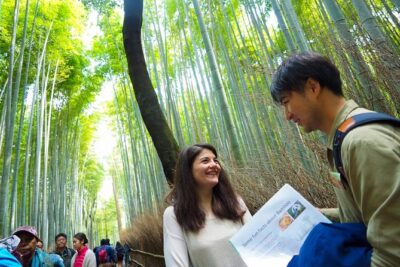
Kyoto Arashiyama Bamboo forest & Garden Half-Day Walking Tour
Read our review →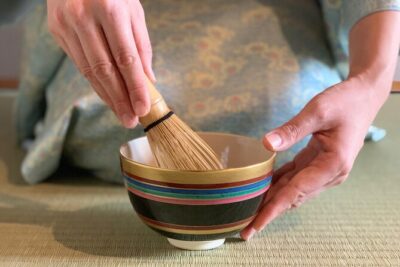
Authentic Kyoto Tea Ceremony: Camellia Flower Teahouse
Read our review →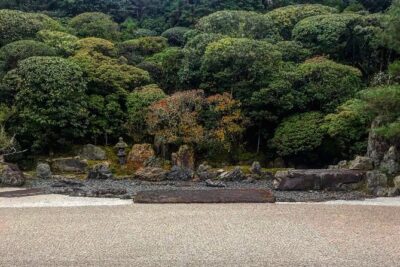
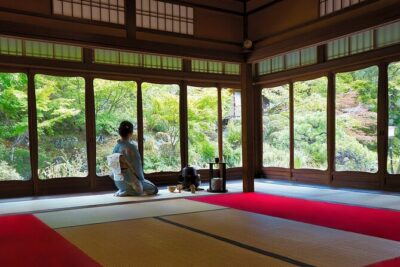
Kyoto Kiyomizu Tea Ceremony with Scenic Garden Views
Read our review →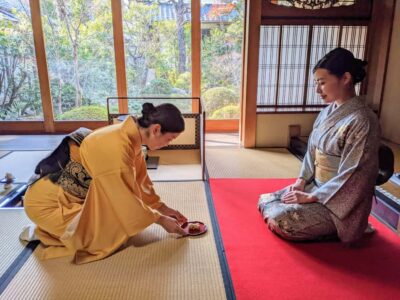
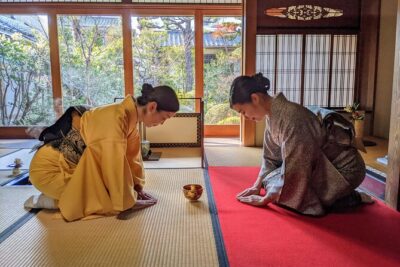
Stunning Private Tea Ceremony: Camellia Garden Teahouse
Read our review →
Kyoto Hidden Treasures: Special Temple & Garden Access Tour
Read our review →Browse the lists this tour appears in