
Review · JAPAN
Guided Half-day Tour(AM) to Noritake Garden & Toyota Commemorative Museum
Nagoya’s manufacturing story comes into focus through two very different companies: Noritake, known for fine tableware, and Toyota, now one of the world’s best-known car makers. I like the way this tour links them through monozukuri, Japan’s tradition of careful making, rather than treating them as isolated museum stops. I also like the small maximum of eight people, which gives your guide room to adjust the pace.
The two stops offer a useful contrast. Noritake Garden gives you an open, pleasant break in the city, while the Toyota museum brings machinery and live demonstrations into the picture. The main drawback is time: four hours is enough for an introduction, but not enough for a slow, detailed visit to every exhibit.
Key points at a glance
- See two sides of Nagoya’s factory culture: Fine ceramics at Noritake and industrial machinery at Toyota.
- Begin at 9:30 am: Meet at the Nagoya Station Tourist Information Center and return there at the end.
- Get a private guide in a group of up to eight: Guides such as Aki and Hiro have helped visitors focus on the most important displays.
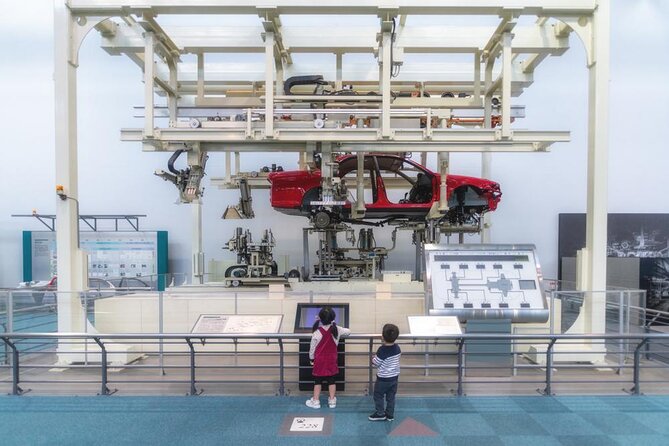
- Expect live demonstrations and working machinery: The Toyota museum is more than a display of finished cars.
- Plan for walking: The tour includes movement between exhibits and attractions, so comfortable shoes matter.
- Pay $110.76 for the guided experience: Admission and transportation to and from the attractions are included.
Why these two museums belong together
At first, Noritake tableware and Toyota automobiles may seem like an odd pair. Look closer, and the connection is clear. Both companies grew from Nagoya’s long manufacturing tradition, and both show how a Japanese business can begin with one kind of production and later develop into something much larger.
Noritake began at the birthplace of modern pottery for the company. Toyota began with textile machinery before moving into automobiles. That change from weaving equipment to cars is one of the most useful threads in the tour, since it shows that Toyota was not created as a car company from the start.
I like this pairing because it keeps the tour from becoming a single-brand visit. Noritake gives you craftsmanship, design, and an urban garden. Toyota gives you machines, factory technology, and the move toward automobile production. Together, they explain why Central Japan became an important center for advanced manufacturing.
Your guide helps connect the displays to that larger story. Aki, one guide named in the tour’s feedback, was especially good at using limited museum time efficiently. Hiro was also praised for pointing out the key areas in both museums. Your assigned guide may be different, but the small group makes this sort of focused explanation possible.
More Garden Day Trips in Japan
- Mt. Fuji Day Trip from Tokyo with English Speaking Driver Guide
★ 5.0 · 443 reviews - Mt. Fuji, Cherry Blossom & Shiba Sakura Pvt. Day Tour
★ 5.0 · 326 reviews - Kanazawa: Samurai, Matcha, Gardens and Geisha Full-Day Tour
★ 4.9 · 75 reviews
Starting at Nagoya Station at 9:30 am
The tour begins at the Nagoya Station Tourist Information Center, at 1-chōme-1-4 Meieki, in Nakamura Ward. A 9:30 am meeting time works well if you are staying near the station or using Nagoya as a base for day trips.
You should arrive with enough time to find the information center without rushing. Nagoya Station is a major transport hub, and the meeting point is more useful than an indistinct street corner. The tour ends back at the same meeting point, which makes it easier to plan lunch or an afternoon visit elsewhere.
Transportation to and from the attractions is included. The supplied details do not specify the exact vehicle or route, so you should think of this as a guided local transfer rather than a sightseeing ride. The real value is not the distance covered. It is the time saved figuring out connections between the station, Noritake Garden, and the Toyota museum.
The total experience lasts about four hours. The listed visits account for about two and a half hours, with the remaining time allowing for transport, introductions, and movement through the sites. That gives you a useful morning without consuming the entire day.
Noritake Garden: pottery roots in an urban setting
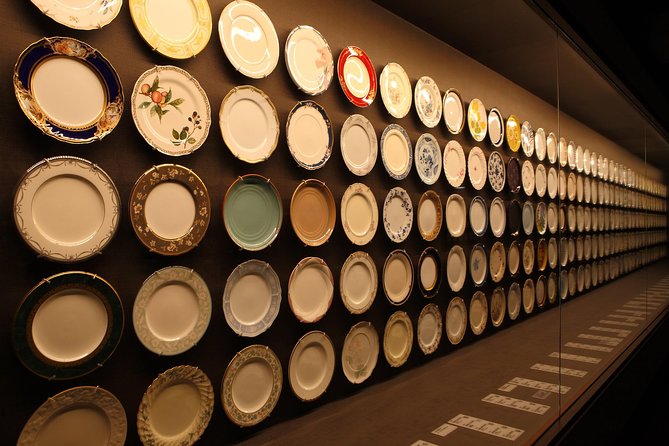
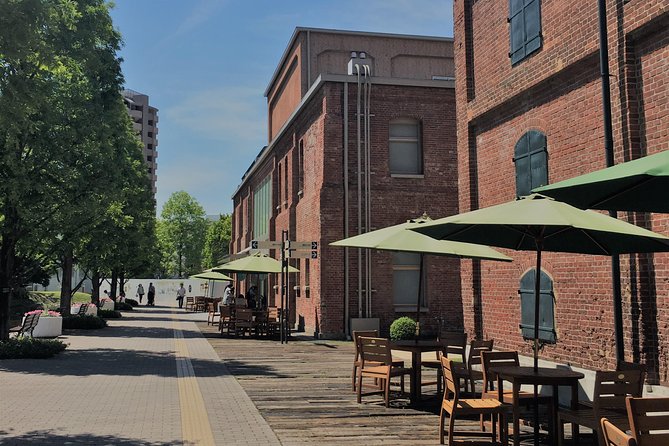
The first stop is Noritake Garden, known in Japanese as Noritake no Mori. The garden opened on October 5, 2001, to mark the 100th anniversary of Noritake Co., Limited. It occupies the grounds of Noritake’s headquarters, at the place described as the birthplace of modern pottery for the company.
The setting matters. Instead of leading you straight into a crowded display hall, the tour begins in an urban oasis. You get a change of pace from Nagoya’s station district and a chance to see how an industrial company has preserved part of its original site.
The visit lasts about one hour, and admission to the garden is free. That does not mean the stop is merely a quick walk through open space. Your guide can explain why the site matters and how Noritake fits into Nagoya’s industrial story. The garden gives you context before the more machinery-focused Toyota visit.
If you have a personal connection to Noritake tableware, this stop may carry extra weight. One person on the tour had bought Noritake china during a first visit to Japan in 1967 and found the company’s story especially meaningful. Even without that connection, you can use the stop to think about the difference between an everyday plate on a dining table and the skill, design, and factory work behind it.
You should keep your expectations sensible. The supplied information does not promise a long pottery workshop, a shopping session, or a full production tour. The value here is the site, the company background, and the calm setting, supported by a guide who can point you toward the important parts.
Toyota Commemorative Museum: from textile machinery to automobiles
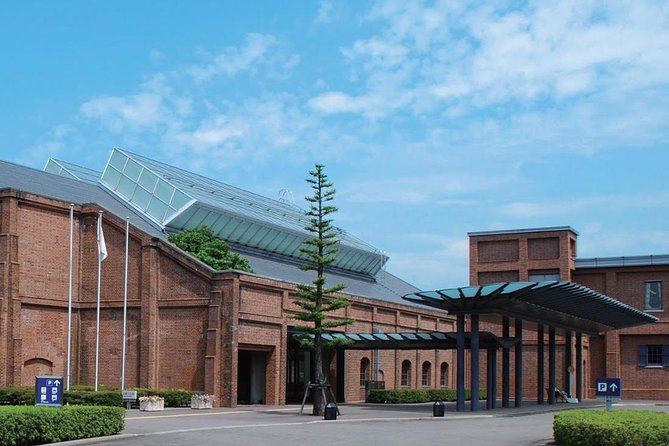
The Toyota Commemorative Museum of Industry and Technology is the longer and more technical stop, lasting about one hour and 30 minutes. The Toyota group created the museum to preserve and use a Taisho-era factory building from 1912 to 1926. That surviving industrial structure is part of the experience, not just a container for exhibits.
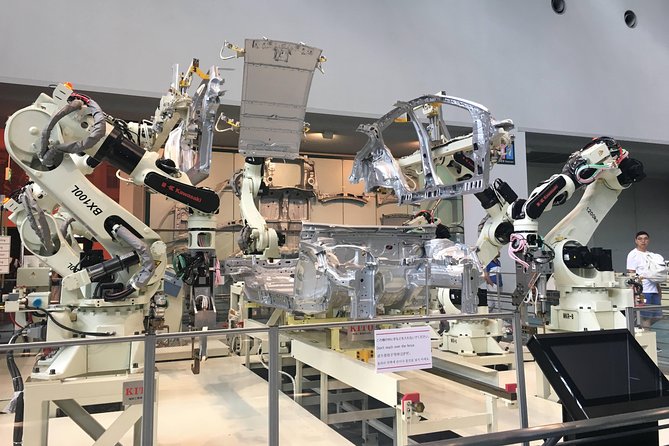
The museum focuses on the company’s development and its industrial methods. You can expect exhibitions, informative commentary, and live demonstrations. These details matter because they let you see how production works, rather than only looking at finished Toyota vehicles.
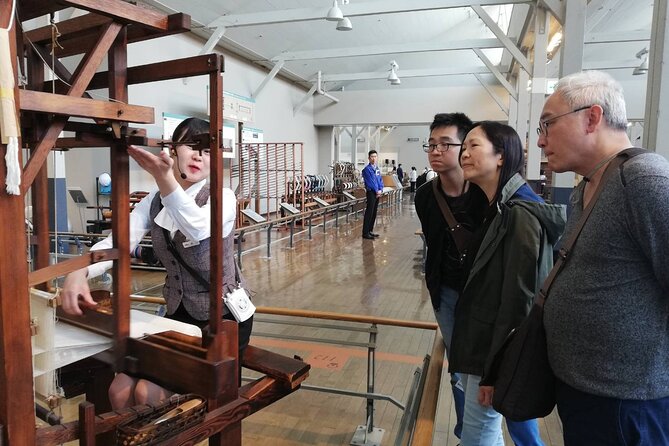
The museum’s central lesson is Toyota’s change from textile production to automobile manufacturing. That story gives the visit a useful surprise. Toyota is now closely linked to cars, but the earlier textile machinery helps explain the company’s technical base and its ability to adapt.
I like this stop best for visitors who enjoy seeing a company’s process, not only its products. The working machinery and demonstrations make the displays easier to understand. You might find the museum more satisfying than a standard corporate showroom because it presents the tools, systems, and factory setting behind the brand.
The included admission is important here. You do not need to arrange a separate museum ticket, and your guide can help you spend the 90-minute visit on the key exhibits. A guide who knows the museum can keep the visit moving, especially since the tour also has to allow time for the return to Nagoya Station.
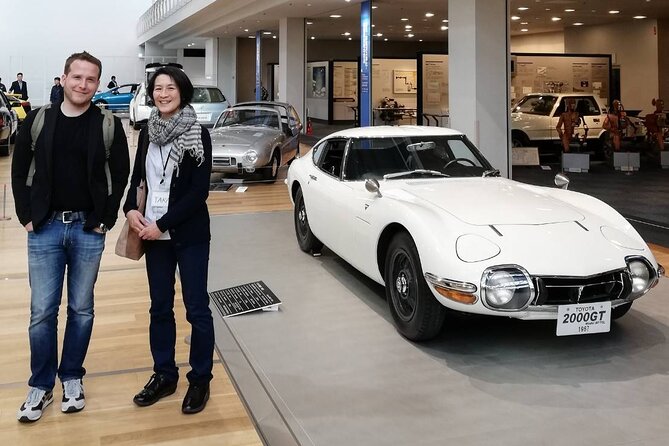
Car enthusiasts have an obvious reason to choose this stop. One participant who had owned Lexus vehicles for more than 20 years found the Toyota museum particularly meaningful. You do not need to be a car owner to enjoy it, though. The textile-to-automobile story gives the museum interest for anyone curious about Japanese industry and business.
Same place, a different kind of green day out:
- Osaka: teamLab Botanical Garden Entry Ticket
★ 4.5 · 1,710 reviews - Imperial Palace East Garden and Edo Castle Walking Tour in Tokyo
★ 5.0 · 510 reviews - Kyoto Zen Meditation & Garden Tour at a Zen Temple with Lunch
★ 5.0 · 441 reviews - Kyoto Arashiyama Bamboo forest & Garden Half-Day Walking Tour
★ 5.0 · 413 reviews
What the guide adds to the visit
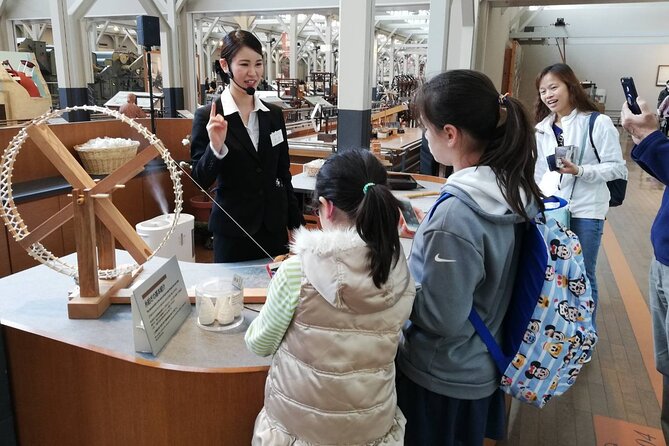
The guide is the main reason to choose this tour instead of visiting both places on your own. A self-guided visit may cost less, depending on the transport and admission arrangements, but you would need to build the route, understand the company connections, and decide which displays deserve your limited time.
The group size is capped at eight people. That is small enough for direct questions and a more personal pace, while still keeping the tour social rather than completely private. The description calls it a private half-day tour, so you should confirm the exact group arrangement when booking if that distinction matters to you.
Aki and Hiro are two guides associated with this experience. Aki was praised for speaking English clearly and making the most of the Toyota museum visit. Hiro was praised for showing the important sites in both museums. These names are useful when setting expectations, but they do not guarantee that either guide will lead your departure.
I would use the guide for interpretation, not just directions. Ask about the change from textile machinery to automobiles. Ask how Noritake’s original site shaped the company. Ask which Toyota demonstrations best explain the manufacturing process. With only a few hours, good questions help you get more from the exhibits.
Is $110.76 a fair price?
At $110.76 per person, this is not the cheapest way to spend a morning in Nagoya. The price includes a professional guide, transportation to and from the attractions, and the Toyota museum admission. Noritake Garden itself has free admission, so the cost is mainly paying for guidance, transfers, and the structure of a small-group visit.
I see the value most clearly if you have limited time in Nagoya or do not want to manage local transport. Two company museums can be easy to underestimate when planning. A guide brings the separate pieces together and helps you avoid wandering through exhibits without understanding their place in the larger story.
The price also makes more sense for visitors who care about context. If you only want to see a car collection or walk through a garden, you can find simpler outings. If you want to understand how two major companies developed from local manufacturing roots, the guided format earns its keep.
Group discounts are available, which could improve the value for people booking together. The maximum group size is eight, so this is not a large coach excursion. You are paying for a concentrated morning rather than a broad city tour.
Walking, timing, and practical limits
You should be ready for a fair amount of walking. The tour moves through a garden, a preserved factory museum, exhibition areas, and transport points. Comfortable shoes are a basic requirement, and you should avoid planning a tight appointment immediately after the scheduled return to Nagoya Station.
The tour begins and ends at the station, which is convenient, but the morning is fixed around a 9:30 am start. It suits an early riser better than someone hoping for a relaxed late morning. The four-hour length leaves the afternoon free for other Nagoya sights, shopping, or a meal near the station.
Attractions can close on some national holidays. In that case, another attraction may be substituted. If a specific museum is the main reason you are booking, check the operating schedule around your travel dates and accept that holiday changes are possible.
Most people can participate, according to the supplied information. Still, the walking note deserves attention. Anyone who finds extended walking difficult should ask for current details before booking, since the exact route and day’s substitute arrangements are not specified.
Who will get the most from this tour?
I would recommend this experience to you if you fit one or more of these descriptions:
- You have a strong interest in Toyota, Lexus, engineering, or factory production.
- You enjoy company museums when they explain how products are made.
- You want a clear introduction to Nagoya’s manufacturing background.
- You have only one morning and prefer a planned route.
- You value an English-speaking guide who can focus on key exhibits.
- You are visiting with a small group and want transportation handled for you.
Families with older children may also appreciate the live demonstrations, though the supplied details do not specify a minimum age or child program. The tour is likely to work best for people who enjoy explanation and machinery more than a fast-moving list of famous city sights.
I would choose something else if your priority is Nagoya’s castles, food, shopping, or broad city history. This is a focused industry tour. Noritake Garden offers a pleasant setting, but the core subject is manufacturing, not general sightseeing.
Should you book this Nagoya morning tour?
Book it if you want to connect Noritake’s pottery roots with Toyota’s industrial growth and you prefer a guide to handle the route. The strongest parts are the small group, the Toyota museum’s live demonstrations, the preserved Taisho-era factory, and the clear textile-to-automobile story.
Skip it if you dislike museums, machinery, or walking, or if $110.76 feels high for a morning whose Noritake admission is free. For the right visitor, though, this is a focused and worthwhile way to see why Nagoya became such an important manufacturing center. The cancellation terms are strict close to departure, so make your plans carefully: cancel at least six full days ahead for a full refund, two to six days ahead for a 50 percent refund, and less than two days ahead for no refund.
FAQ
Where does the tour start?
It starts at the Nagoya Station Tourist Information Center, located at 1-chōme-1-4 Meieki, Nakamura Ward, Nagoya, Aichi 450-0002, Japan.
What time does the tour begin?
The scheduled start time is 9:30 am.
Where does the tour end?
The activity ends back at the Nagoya Station meeting point.
How long does the tour last?
The tour lasts approximately four hours.
Which attractions are included?
The tour visits Noritake Garden and the Toyota Commemorative Museum of Industry and Technology.
Is transportation included?
Yes. Transportation to and from the attractions is included, along with a professional guide and admission to the Toyota museum.
How many people can join the tour?
The tour has a maximum of eight participants.
More Half-Day Trips in Japan
- Kanazawa: Half-Day Private Tour – Garden, Castle, Geisha
★ 5.0 · 10 reviews - From Paris: Giverny, Monet’s Home & Gardens Half-Day Trip
★ 4.5 · 2,887 reviews - Giverny & Monet’s House Audio Guided Half-day Tour from Paris
★ 4.0 · 379 reviews - From Avignon: Half-Day Lavender Tour of Luberon
★ 4.8 · 232 reviews
More Museums in Japan
- Calligraphy and Tokyo Great Buddha, Botanical garden, art museum
★ 5.0 · 2 reviews - Vienna: Skip-the-Line Sisi Museum, Hofburg and Gardens Tour
★ 4.8 · 5,918 reviews - Marrakech: Majorelle Garden, YSL, and Berber Museum Entry
★ 4.6 · 5,168 reviews - Rome: Borghese Gallery and Gardens Guided Small-Group Tour
★ 4.6 · 2,783 reviews
Just added around Japan
- Tsumami Zaiku Japanese Fabric Flower Class★ 5.0 · 3 reviews
- Tokyo: Serene Sakura & Sake: An Exclusive Brewery Pairing Lunch★ 5.0 · 2 reviews
- Tsukiji Food Strolling and Hama Rikyu Garden Walking Tour★ 5.0 · 7 reviews
- Private tour – Scenic Fuji Escape: Hakone, Peace Park & More★ 5.0 · 4 reviews
- Tokyo Cherry Blossom Half Day Walking Tour with a Local Guide★ 3.5 · 4 reviews
- TOKYO: Tailored Gardens tour with Pro Gardener by E-bike -BASIC★ 5.0 · 2 reviews
- Cherry Blossom Highlights, Asakusa, Ueno, Imperial Palace Garden★ 4.5 · 4 reviews
- Japan’s Customs of Ikebana Art, Tea Ceremony & Kimono Welcome★ 5.0 · 2 reviews
Japan Garden Tours, compared.
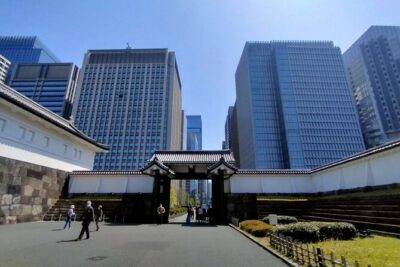
Imperial Palace East Garden and Edo Castle Walking Tour in Tokyo
Read our review →
Kyoto Zen Meditation & Garden Tour at a Zen Temple with Lunch
Read our review →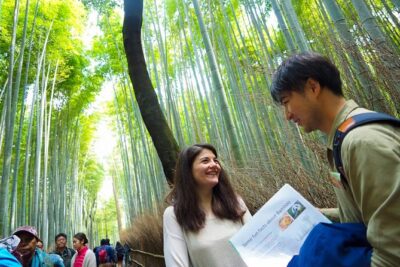
Kyoto Arashiyama Bamboo forest & Garden Half-Day Walking Tour
Read our review →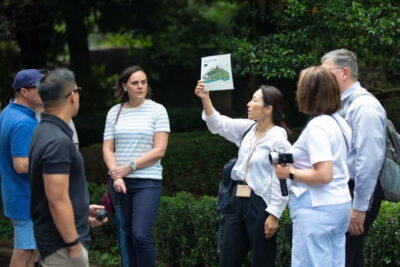

Authentic Kyoto Tea Ceremony: Camellia Flower Teahouse
Read our review →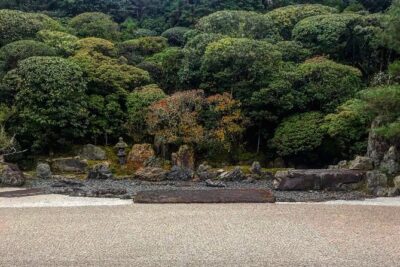
Edo Castle & East Garden of the Imperial Palace Tour
Read our review →Browse the lists this tour appears in