
Review · JAPANESE & ZEN
Bonsai Tour & Experience at the Most Sacred City for Bonsai in JP
Bonsai-cho, or Bonsai City, gives you a rare look at Japan’s miniature-tree tradition in the place built around it. Guide Jun leads you from Toro Station to established nurseries, explains how bonsai became part of the area, and shows you trees that are treated as living works of art.
I like the small maximum group of 10, which leaves room for questions and close instruction. I also like the practical finish: you do not just look at bonsai, you learn to prune and shape one yourself. The main drawback is that the class takes place in a cafe, so you must buy a drink or food, and the tour is non-refundable.
Key points at a glance
- Bonsai-cho is a real bonsai district: The area was founded about 100 years ago by bonsai gardeners after the Great Kanto Earthquake and remains home to five long-established gardens.
- Guide Jun adds personal instruction: He meets you at Toro Station, explains the area on foot, and answers questions about bonsai and Japan.
- You visit working bonsai gardens: Expect hundreds of carefully maintained trees and commentary about their care, form, and history.
- The hands-on session covers useful skills: You practice pruning and shaping, including handling wire and cutting tools.
- The tour is short but focused: The full program lasts about 2 hours and 30 minutes, beginning at 10 a.m. and ending back at the station.
- Budget for two extra costs: Cafe orders begin at about 450 yen, and entry to the Bonsai Art Museum costs 310 yen if you choose to go in.
Why Bonsai-cho is worth the trip from Tokyo
Bonsai is often presented as a quiet hobby, but Bonsai-cho shows you that it is also a serious local craft. The district was created after the Great Kanto Earthquake, when a group of bonsai gardeners established a new community in a greener part of the region. The name literally means Bonsai City, and the setting reflects that purpose.
You meet at Toro Station in Saitama at 10 a.m. The tour ends at the same meeting point, which keeps the day simple. You are not left to find a distant nursery on your own, and the short walk from the station becomes part of the introduction.
Jun has been praised for explaining both bonsai and the surrounding area in clear detail. He also makes time for questions, which matters here. Bonsai has its own vocabulary, methods, and rules, and a guide can explain what you are seeing before the details begin to blur together.
The trip is not a full-day outing. At roughly two and a half hours, it fits neatly into a morning or afternoon plan. You should allow extra time for the journey from central Tokyo, since the meeting point is in Saitama rather than in the city center. The supplied information confirms that the station is near public transportation, but it does not give a journey time from your hotel.
More Japanese Garden Tours in Tokyo
- Tokyo Japanese Garden Lover’s Private Tour with Government-Licensed Guide
★ 5.0 · 27 reviews - Make Your Own Bonsai with a Professional Bonsai Artist in Tokyo
★ 4.5 · 18 reviews - Experience Crafting a Flower-Adorned Mini Japanese Garden
★ 4.7 · 15 reviews
Walking through established bonsai gardens
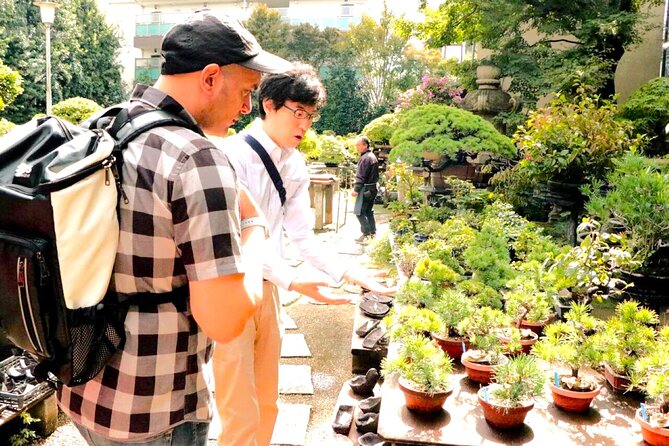
The sightseeing portion takes you to a bonsai garden and prominent local nurseries. The district has five long-established gardens, and the tour includes visits to two bonsai gardens according to the detailed experience descriptions. The exact gardens can vary, so do not expect a fixed museum-style route with every stop guaranteed.
This is where the tour earns much of its value. You see hundreds of bonsai pieces rather than only one or two display trees. A good bonsai can look simple at first glance, but the guide helps you notice the trunk shape, branch placement, age, balance, and signs of careful maintenance.
The trees are not merely small versions of ordinary potted plants. Bonsai aims to suggest a full natural scene within a container, using branches and roots to create a carefully controlled sense of age and form. Jun’s explanations help connect the visible shape with the years of trimming, wiring, watering, and patience behind it.
You should also expect a working nursery atmosphere rather than a polished theme park attraction. These are places where bonsai are grown, maintained, and sold. That makes the visit more useful for anyone who wants to understand the craft, though visitors looking for a large indoor exhibition may prefer to add the Bonsai Art Museum.
The museum admission is not included. The listed fee is 310 yen, about 2 US dollars. If museum entry is part of your plan, budget for it separately and confirm with the guide how it fits into the day.
From quiet observation to hands-on pruning
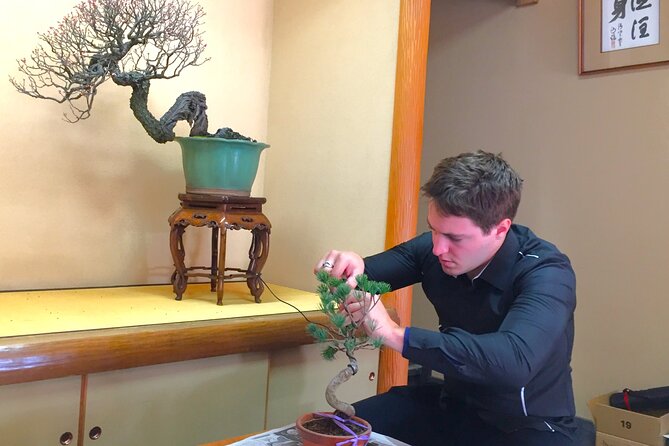
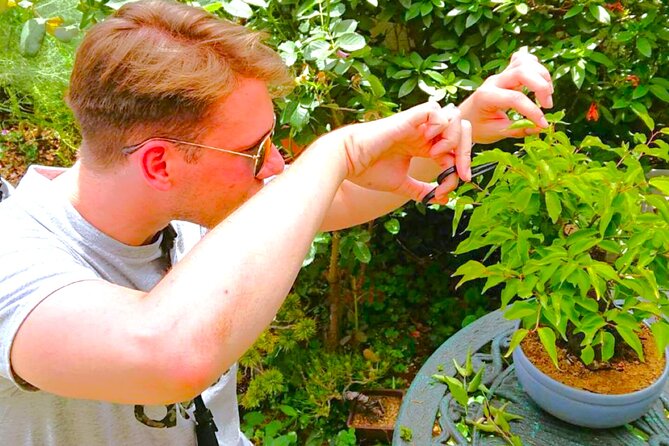
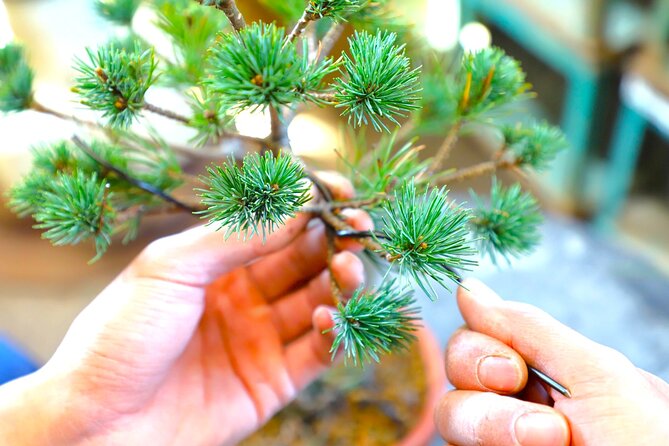
The second part shifts from looking to doing. You move to a local cafe for the practical session, where the instructor demonstrates basic bonsai care and lets you try pruning and shaping techniques.
Tools are provided, and the tool-use fee is included in the tour price. The instruction covers handling wire, cutting, trimming, and shaping, based on the described session. This gives you something more useful than a souvenir photograph: a clearer idea of how bonsai is maintained over time.
Do not expect to become a bonsai master in one class. Bonsai depends on patience, and a 2.5-hour introduction can only show you the starting points. Still, the format is well chosen. You first see mature examples, then try a few techniques while the trees are fresh in your mind.
The cafe setting has a practical side. You need to order something, with drinks or food starting at about 450 yen, roughly 3 US dollars. That cost is modest, but it is not included in the advertised tour price. If you want to remain at the cafe after the class, the food is described as inexpensive, so you can turn the stop into a light meal.
The setting may be less atmospheric than a dedicated bonsai studio. On the other hand, a cafe can make the lesson relaxed and informal. You can ask questions without feeling as if you are in a formal classroom, and the session gives you a place to sit while working.
What the small group changes
The maximum group size is 10. That is small enough for personal attention, especially during pruning and shaping, when you may need someone to check your technique.
The experience can be much smaller than the maximum. One reported booking had only one participant, creating plenty of time for individual questions. You should not count on having a private tour, but the limited capacity gives you a better chance of receiving direct instruction than a large coach excursion.
This format suits beginners particularly well. You do not need previous bonsai experience, and the guide begins with the history and basic ideas before moving to tools. A serious bonsai fan can also get value from the garden visits and the chance to ask detailed questions.
Families should read the age rules carefully. Participants must be at least 13 years old, and anyone under 18 must attend with an adult. The tour is not intended for young children who simply want to look at small trees.
Same place, a different kind of green day out:
- Imperial Palace East Garden and Edo Castle Walking Tour in Tokyo
★ 5.0 · 510 reviews - Mt. Fuji Day Trip from Tokyo with English Speaking Driver Guide
★ 5.0 · 443 reviews - Tokyo: Imperial Palace East Gardens Walking Tour
★ 4.8 · 353 reviews - Mt. Fuji, Cherry Blossom & Shiba Sakura Pvt. Day Tour
★ 5.0 · 326 reviews
The value of $55.52
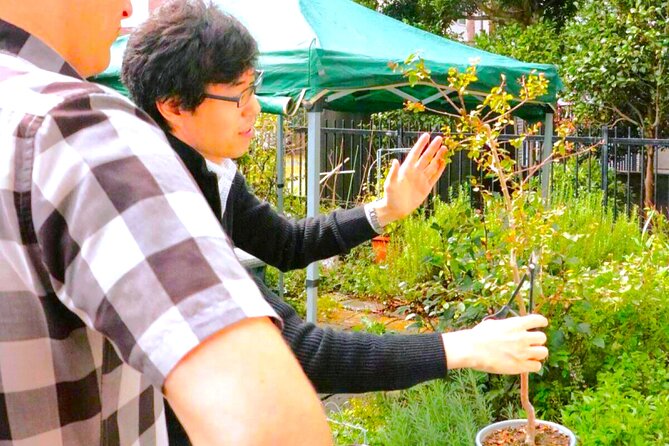
At $55.52 per person, the price is reasonable if you want more than a quick garden visit. You are paying for a guide, an organized walk through Bonsai-cho, access to the bonsai tools, and hands-on instruction in a group capped at 10.
The value is strongest for people who would otherwise struggle to understand what they are seeing. Bonsai gardens can be quiet and beautiful, but without explanation, you may not know why one tree matters more than another. Jun’s commentary gives the visit structure and helps you see the work behind each tree.
The price is less compelling if you only want photographs or a short look at bonsai. You can also add costs: a cafe order of at least 450 yen and possible museum admission of 310 yen. Those amounts are small, but they should be part of your budget.
The tour is also non-refundable and cannot be changed after booking. That makes it important to commit only when your schedule is firm. Anyone who is unwell or under the influence of alcohol will not be permitted to participate, with no refund.
Who will enjoy this experience most
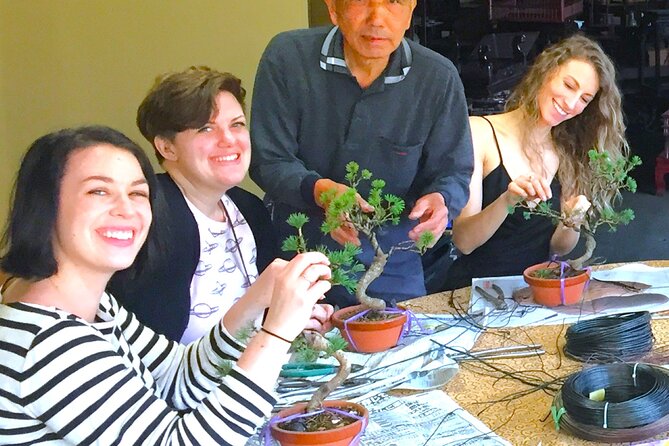
I would choose this tour for a first visit to Bonsai-cho, especially if you want context rather than a self-guided walk. It is a good fit for:
- First-time bonsai visitors who want simple explanations
- Garden lovers interested in Japanese plant culture
- People who enjoy practical workshops
- Experienced bonsai hobbyists who want to ask questions while viewing established trees
- Older families with teenagers
- Visitors looking for a quieter outing beyond central Tokyo
It is less suitable if you want a flexible schedule, dislike group activities, or have no interest in handling plants. The tour has a fixed start at 10 a.m., and the cafe session requires an additional purchase.
You should also be comfortable walking between the station and the garden area. The information confirms the meeting point is near public transportation, but it does not provide a detailed accessibility description or a total walking distance.
Practical details for a smooth morning
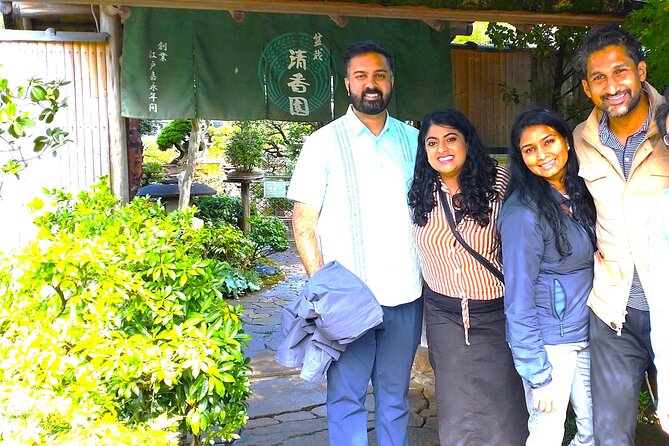
Meet at Toro Station, at 1 Chome Torocho, Kita Ward, Saitama, at 10 a.m. The activity ends back at the same meeting point. A mobile ticket is provided, and booking confirmation is sent at the time of reservation.
Wear something comfortable for walking and for handling tools. The information does not specify a dress code, but practical clothing makes more sense than anything delicate or restrictive during a pruning session.
Plan to pay for your cafe order separately. You may also want 310 yen available for the Bonsai Art Museum if you decide to add that stop. The museum fee is not part of the tour.
Anyone entering the shop or venue without taking part in the class must still pay an additional fee, which must be arranged at the time of request. This rule is worth noting if one person in your party wants only to watch.
The tour accepts up to 10 participants. People under 18 need an adult with them, and the minimum age is 13. Confirmation arrives when you book, but the strict cancellation terms mean you should check your date and meeting plans first.
Is this the right bonsai tour for you?
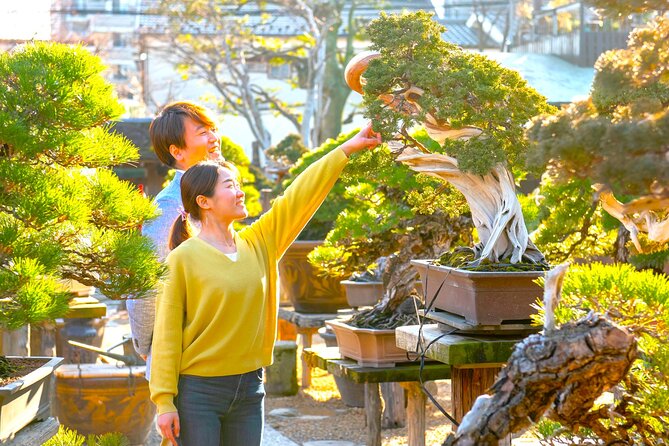
Book it if you want a focused introduction that combines serious bonsai gardens with hands-on practice. The best part is the progression: Jun first gives you a sense of place and shows you mature examples, then explains how to trim and shape a tree yourself.
The tour is especially worthwhile for anyone who has looked at bonsai and wondered what makes one specimen special. The extra cafe and museum costs are minor, but the non-refundable policy deserves attention.
Skip it if you want a fully self-guided visit, a large museum program, or an activity for children under 13. For everyone else, this is a compact, practical way to meet Bonsai-cho and leave with a better eye for the art.
FAQ
Where does the bonsai tour begin?
The tour begins at Toro Station, at 1 Chome Torocho, Kita Ward, Saitama, Japan.
What time does the tour start?
The scheduled start time is 10 a.m.
Where does the tour finish?
The activity ends back at the meeting point at Toro Station.
How long does the experience last?
The tour lasts approximately 2 hours and 30 minutes.
What is included in the price?
The price includes the instructor, use of bonsai tools, and consumption tax.
Is food or drink included?
No. The practical bonsai session takes place in a cafe, where you must order something. Prices begin at about 450 yen.
Is the Bonsai Art Museum admission included?
No. Admission costs 310 yen and must be paid separately if you choose to enter.
What age must participants be?
Participants must be at least 13 years old. Anyone under 18 must be accompanied by an adult.
How many people can join the tour?
The group can include a maximum of 10 participants.
Can I cancel or change my booking?
No. The experience is non-refundable and cannot be changed for any reason.
Just added around Tokyo
- Tsumami Zaiku Japanese Fabric Flower Class★ 5.0 · 3 reviews
- Tokyo: Serene Sakura & Sake: An Exclusive Brewery Pairing Lunch★ 5.0 · 2 reviews
- Tsukiji Food Strolling and Hama Rikyu Garden Walking Tour★ 5.0 · 7 reviews
- Private tour – Scenic Fuji Escape: Hakone, Peace Park & More★ 5.0 · 4 reviews
- Tokyo Cherry Blossom Half Day Walking Tour with a Local Guide★ 3.5 · 4 reviews
- TOKYO: Tailored Gardens tour with Pro Gardener by E-bike -BASIC★ 5.0 · 2 reviews
- Cherry Blossom Highlights, Asakusa, Ueno, Imperial Palace Garden★ 4.5 · 4 reviews
- Japan’s Customs of Ikebana Art, Tea Ceremony & Kimono Welcome★ 5.0 · 2 reviews
Japanese & Zen Garden Tours, compared.
Lafcadio Hearn Japanese Gardens Admission Adult Ticket
Read our review →
Make Your Own Bonsai with a Professional Bonsai Artist in Tokyo
Read our review →
Kyoto Guided Walking Tour: Secret Zen Garden and Fushimi Inari
Read our review →
Experience Crafting a Flower-Adorned Mini Japanese Garden
Read our review →
Kyoto Japanese Garden Lover’s Private Tour with Government-Licensed Guide
Read our review →Browse the lists this tour appears in