
Review · JAPANESE & ZEN
Kyoto Japanese Garden Lover’s Private Tour with Government-Licensed Guide
Kyoto’s gardens make the most sense when someone explains what you’re seeing. This private six-hour tour lets you choose three or four places, from the gold-covered Kinkakuji to the quiet moss at Honen-in, then visit them with a government-licensed guide. Guides Kaeko and Shun have shown real flexibility, including last-minute changes and weather-sensitive choices.
I like the freedom to shape the day around your interests. I also like the chance to see more than one garden style: clipped greenery, dry Zen stone gardens, moss paths, imperial villa grounds, and Arashiyama scenery. The catch is that transportation and entrance fees are extra, and three or four stops is a modest number for a city with this many fine gardens.
Key points to know before booking
- Choose three or four sites: Build the day around gardens, temples, imperial properties, or other famous Kyoto sights.
- Kaeko and Shun offer a flexible approach: Both have adjusted plans during the day, including changes requested after the tour began.
- Six hours goes quickly: Travel between distant parts of Kyoto can reduce your time in the gardens.
- Admission is generally extra: The tour price covers the guide and planning, not regular transport, lunch, or most entrance tickets.
- You meet on foot: Pickup is offered within a designated Kyoto area, but there is no private vehicle.
- Best for garden-focused visitors: You get more from this outing if you care about design, symbolism, and the quiet character of temple grounds.
Why a private garden day works well in Kyoto
Kyoto’s gardens are not one single type. A dry Zen garden may use stones and raked gravel instead of flowers. A stroll garden may reveal a pond, bridge, borrowed mountain view, and seasonal planting one turn at a time. Moss gardens create a softer mood, while imperial villas use paths and viewpoints to control what you see next.
That variety is the main reason to hire a guide. You can walk through a temple yard and admire the view, but a licensed guide can explain how rocks, water, plants, empty space, and movement fit together. The government certification also requires a strong understanding of Japanese culture and history, which matters when you want more than a photo stop.
The private format gives you a useful advantage. You are not tied to a fixed group pace, and only your party joins the guide. If you prefer gardens to major sightseeing sites, you can say so. If you want to add a famous temple or another Kyoto landmark, the plan allows that too.
Still, do not expect to visit all 18 places named in the choices. The practical plan is three or four sites in about six hours. That is enough for a satisfying theme, not enough for a grand tour of Kyoto’s gardens.
More Japanese Garden Tours in Kyoto
- Kyoto: Zen Garden, Zen Mind (Private)
★ 5.0 · 126 reviews - Kyoto: Japanese Gardens Private Customizable Tour
★ 4.1 · 18 reviews - Kyoto Guided Walking Tour: Secret Zen Garden and Fushimi Inari
★ 5.0 · 17 reviews
Choosing the right three or four stops
The site list covers a wide part of Kyoto, so your selections matter. Kinkakuji, Ryoanji, and Daitokuji are all in the northwestern part of the city. Ginkakuji, Honen-in, and Nanzenji fit naturally into an eastern Kyoto day. Tofukuji and Byodoin take you toward the southeast, while Katsura, Arashiyama, and Shugakuin pull the day in other directions.
Ask yourself what kind of garden you want to see. For a first look at classic Kyoto, combine Kinkakuji with Ryoanji and one quieter temple. For moss and forest atmosphere, consider Honen-in, Gioji, and Okochi Sanso Garden. For royal garden design, focus on Katsura Imperial Villa, Shugakuin Imperial Villa, or the Kyoto Imperial Palace, subject to access and timing.
You can also mix gardens with major sights. Togetsukyo Bridge and the Bamboo Forest Street add recognizable Arashiyama scenery, while Byodoin offers a major architectural highlight in Uji. The tradeoff is simple: every extra type of stop leaves less time for close garden viewing.
The gold, silver, and stone gardens
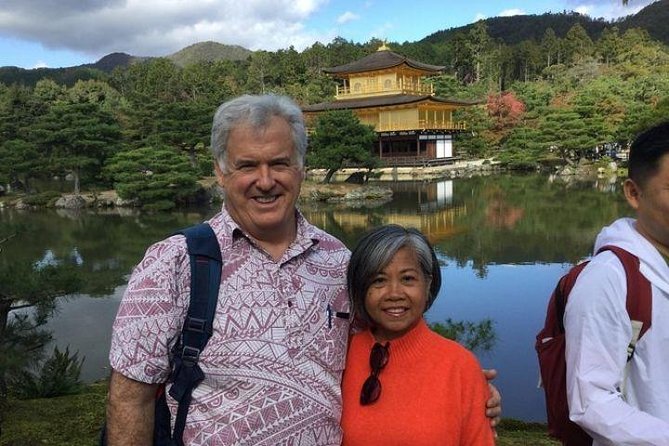
Kinkakuji Temple is Kyoto’s famous Golden Pavilion, formally Rokuonji. Its top two floors are covered in gold leaf, and the temple sits beside a carefully arranged pond. The setting is dramatic and easy to recognize, but it is also one of Kyoto’s best-known sights, so your time here may feel more focused on the pavilion and broad view than on quiet contemplation.
Ginkakuji Temple, the Silver Pavilion, offers a different mood. Although the building was modeled after Kinkakuji, it was never covered in silver. Its grounds include a dry garden and carefully arranged plantings along a walking route near the Higashiyama mountains. Pairing Kinkakuji and Ginkakuji lets you compare two famous shogun residences and two very different settings.
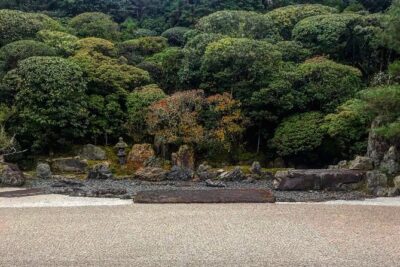
Ryoanji Temple is home to Japan’s most famous rock garden. Fifteen stones are arranged across raked gravel, though the full set cannot be seen from any single viewing position. That detail gives your guide something worthwhile to explain, but remember that the stop may feel contemplative rather than busy with things to do.
Kennin-ji Temple sits near Hanamikoji and Shijo streets, yet its grounds offer a calmer place to walk. Two dry gardens are found here, making it a handy choice if you want a garden without going far from central Kyoto. The supplied timing lists only one minute for this stop, so confirm the planned duration if it is one of your priorities.
Moss, water, and quiet temple grounds
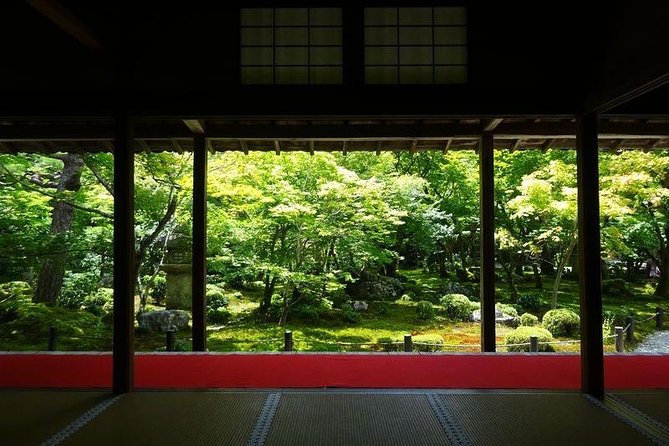
Honen-in begins with a scenic approach leading to a moss-covered gate. Inside, two sand mounds greet you, adding a small but memorable piece of Zen symbolism. It is a good choice if you prefer an atmospheric entrance and a peaceful setting over a famous landmark.
Nanzenji is one of Kyoto’s major Zen temple complexes, set at the base of the forested Higashiyama mountains. The nearby Suirokaku aqueduct gives the visit an unusual visual contrast: Western-style brick arches crossing historic temple grounds. The area has enough to see that 20 minutes may feel short.
Tofukuji is especially known for autumn color. Its large Zen grounds make it a strong seasonal choice, though autumn is not the only time to visit. If you want broad temple grounds and a famous maple setting, this belongs high on your list.
Taizo-in, a subtemple of Myoshin-ji, is known for its garden in every season. It may suit you if you want a quieter, more focused garden visit. A particularly useful tip comes from the experience itself: Kaeko once showed a party the garden before another group arrived, creating a peaceful window. This is a good reason to ask your guide about timing rather than treating each stop as interchangeable.
Daitokuji is a large Zen complex made up of temples within temples. Its many meditative gardens reward explanation, but you should not assume every section will be open at every moment. The attraction here is the sense of variety within one temple complex, not one single postcard view.
Same place, a different kind of green day out:
- Kyoto Zen Meditation & Garden Tour at a Zen Temple with Lunch
★ 5.0 · 441 reviews - Kyoto Arashiyama Bamboo forest & Garden Half-Day Walking Tour
★ 5.0 · 413 reviews - Authentic Kyoto Tea Ceremony: Camellia Flower Teahouse
★ 5.0 · 269 reviews - Kyoto Kiyomizu Tea Ceremony with Scenic Garden Views
★ 5.0 · 101 reviews
Imperial gardens and Kyoto’s formal side

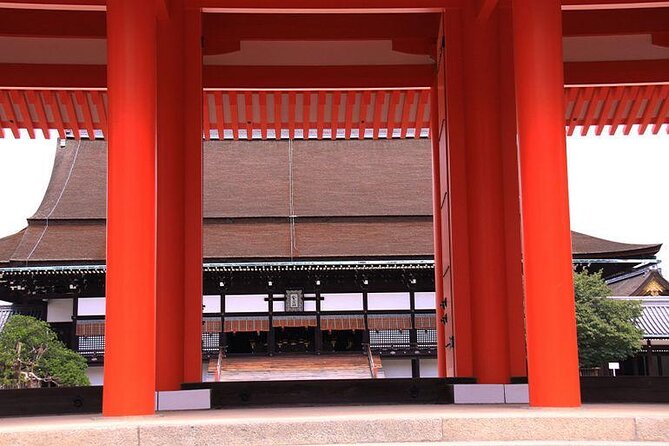
Kyoto Imperial Palace was the Imperial Family’s residence until 1868, when the capital moved to Tokyo. The grounds are spacious, and the visit gives useful context for Kyoto’s role as Japan’s imperial center. It is less intimate than a small temple garden, so choose it if history and formal grounds appeal to you.
Shugakuin Imperial Villa was built in the 17th century for Emperor Gomizuno and is now managed by the Imperial Household Agency. It includes Upper, Middle, and Lower Villas. This is a major choice for garden enthusiasts, but the distance from other parts of Kyoto makes it hard to combine casually with faraway sites in a six-hour day.
Katsura Imperial Villa is one of Japan’s finest examples of garden and building design. Its present form was completed in 1645, and the relationship between structures, paths, water, and views is central to the experience. Choose it when garden design is your main purpose, not as a quick add-on between unrelated sights.
The imperial options can be especially valuable with a guide because their importance is not always obvious from a single viewpoint. They also require sensible planning. Put two distant imperial sites into one short day, and transportation can take over.
Arashiyama’s famous views and quieter corners
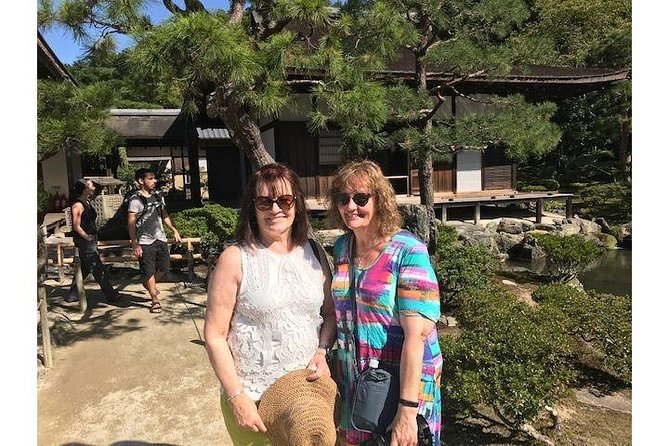
Togetsukyo Bridge is Arashiyama’s best-known landmark. Its name means Moon Crossing Bridge, and it has a long history, with the current bridge reconstructed in the 1930s. The bridge itself is free to visit and works well as an open-air break between temple gardens.
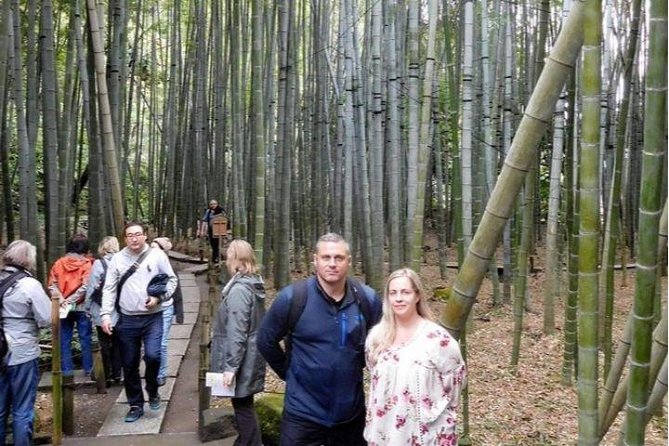
The Bamboo Forest Street offers a walk through tall bamboo groves. It is free, easy to recognize, and attractive when a light wind moves the stalks. It is also a short experience compared with a full temple garden, so I would not use it as one of only three stops unless Arashiyama is your main goal.
Okochi Sanso Garden lies beyond the bamboo groves and was the former villa of actor Okochi Denjiro. The property includes several gardens and buildings, making it more substantial than a simple bamboo walk. Its listed visit is 30 minutes, longer than many of the other stops, and the admission cost is extra.
Gio-ji Temple is known for its moss garden, tall maple trees, and thatched entrance gate and main hall. It is more enclosed by woodland than nearby Jojakkoji and Nisonin, giving it a small, hushed character. Add it to an Arashiyama day if moss and shade appeal to you, but do not expect a large complex.
Byodoin and the Botanical Garden
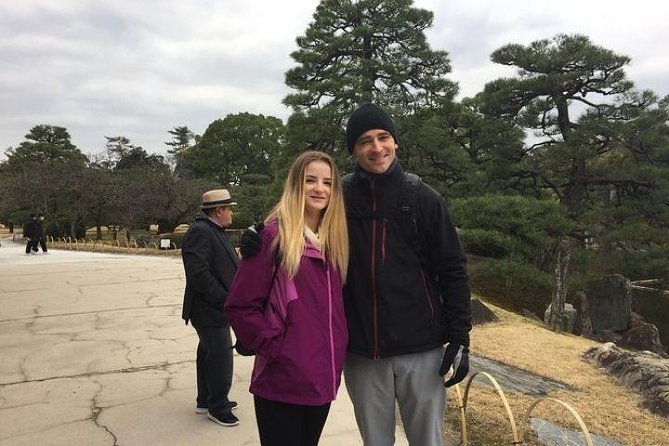
Byodoin Temple is in Uji, outside central Kyoto, so extra travel time is expected. Its Phoenix Hall is a National Treasure and a UNESCO World Heritage Site, making it a strong choice if you want architecture as well as gardens. The ten-minute listed visit is brief, so ask how much actual time will be available before selecting it.
Kyoto Botanical Garden offers a change from temple grounds. It is one of the city’s more affordable attractions and includes a broad collection of plants rather than a single symbolic Zen garden. Choose it if you want seasonal plant life and a slower walk, especially if your group includes someone who prefers flowers and trees to temple architecture.
What the guide adds to the day
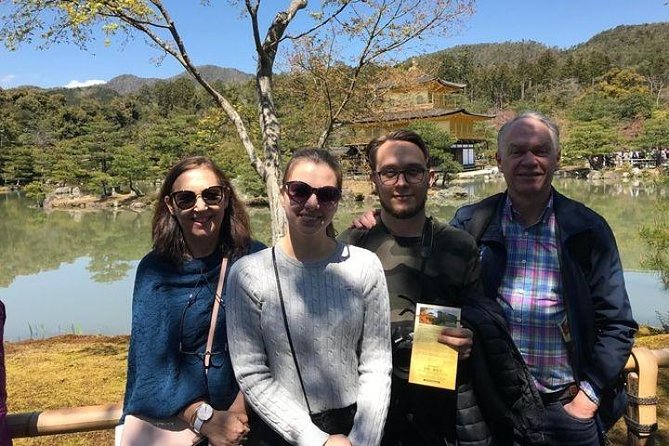
The best feature here is not simply transportation between famous places. It is the ability to discuss why a garden feels the way it does. A guide can help you notice the meaning of empty gravel, the purpose of a borrowed view, or the way a moss-covered approach prepares you for the temple beyond it.
Kaeko has shown particular attention to individual choices, including a late change of location. Shun has also adjusted plans several times during a day and kept the mood light, even in rainy weather. Rain can change a garden visit in useful ways: moss may look richer, paths may feel quieter, and a dry garden can take on a different tone. Do not count on a particular weather effect, but do tell your guide what conditions you are facing.
The guide speaks English, and the service is described as multilingual. You should confirm language needs at booking if English is not your preferred language. Since this is a walking tour with no private vehicle, the guide’s planning skill matters as much as garden knowledge.
Price, timing, and what you really pay for
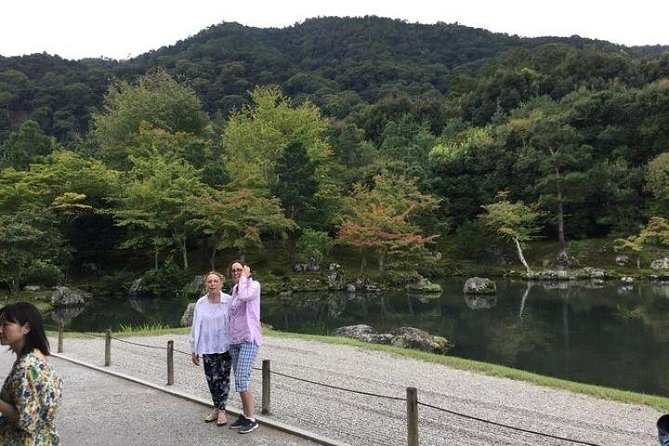
At $153.11 per person, the price is easiest to justify for a small private group that values personal attention. You are paying for a licensed local guide, a customizable plan, and a private day rather than a fixed group excursion. For one or two people, the cost may feel high once transport and admissions are added.
Group discounts can improve the value. A larger party also benefits from the private format, since you can keep your own pace and make choices together. The tour does not allow you to combine multiple tour groups, so everyone in your party should agree on the garden theme before setting out.
The six-hour duration sounds generous, but Kyoto is spread out. Kinkakuji and Byodoin, or Shugakuin and Arashiyama, do not form an efficient quick loop. I would select sites in one area whenever possible, then use the guide’s local planning to avoid spending the day on buses and transfers.
The tour price does not include transportation fees, entrance fees, lunch, or personal expenses. There is no private vehicle. Pickup means meeting the guide on foot within a designated area of Kyoto, so clarify the meeting point and allow time to reach it.
Who should book this garden tour?
I would recommend it to a couple, family, or small group with a clear interest in Japanese gardens and enough flexibility to make choices on the spot. It is also a strong fit if you want cultural explanation rather than simply following a map from one famous temple to another.
It may not suit you if you want a cheap sightseeing bus, a fixed list of major landmarks, or a full day with no extra costs. It is also a poor match for anyone expecting to see most of the listed places in six hours.
The experience has a 4.6 rating from 10 reviews and a 90 percent recommendation rate. The strongest pattern is personal attention: Kaeko and Shun have both handled changing plans well. That flexibility is the real selling point, especially when weather, crowds, opening conditions, or your own interests make the original plan less appealing.
FAQ
How long does the private Kyoto garden tour last?
The experience lasts approximately six hours.
How many sites can I choose?
The tour includes a customizable walking tour of three or four sites from the available choices.
Is transportation included?
No. Transportation fees are not included, and the tour does not provide a private vehicle. You meet the guide on foot within the designated Kyoto area.
Are entrance fees included?
Regular entrance fees are not generally included. The tour information says guide entry fees are covered for sights listed among the available choices.
Is the tour private?
Yes. Only your group participates, and multiple tour groups cannot be combined.
Can I cancel for a full refund?
Yes, if you cancel at least 24 hours before the experience start time. Cancellations or changes made less than 24 hours in advance are not accepted for a refund.
Should you book it?
Book this tour if you want to compare several garden styles and have a guide shape the day around your interests. Choose sites in the same part of Kyoto, budget separately for transport and admissions, and tell the guide your must-see garden before the day begins.
Skip it if your priority is covering many famous sights at the lowest possible cost. For a garden lover who values a flexible private guide, though, the chance to adjust the plan with someone like Kaeko or Shun makes this a sensible way to spend six hours in Kyoto.
Just added around Kyoto
- Kyoto-Nara Adventures Private Tour With Hotel Pick Up★ 4.0 · 5 reviews
- Ikebana Traditional Japanese Art of Flower Arranging★ 4.5 · 19 reviews
- Traditional Japanese Flower Styling Workshop – Ikebana in Kyoto★ 5.0 · 10 reviews
- Stunning Private Tea Ceremony: Camellia Garden Teahouse★ 5.0 · 28 reviews
- Kyoto Hidden Treasures: Special Temple & Garden Access Tour★ 4.5 · 25 reviews
- Zen Garden Making and Matcha Tasting in Handmade Pottery Shop★ 3.5 · 2 reviews
- Guided Kyoto City Cherry Blossom One Day Private Tour★ 5.0 · 16 reviews
- Kyoto: Kinkaku-ji Temple & Serene Garden Guided Tour with Tickets★ 5.0 · 9 reviews
Japanese & Zen Garden Tours, compared.
Lafcadio Hearn Japanese Gardens Admission Adult Ticket
Read our review →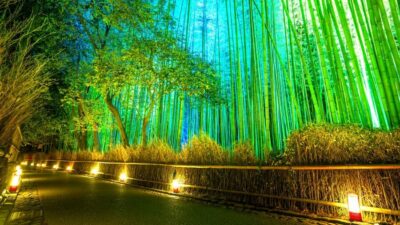
Make Your Own Bonsai with a Professional Bonsai Artist in Tokyo
Read our review →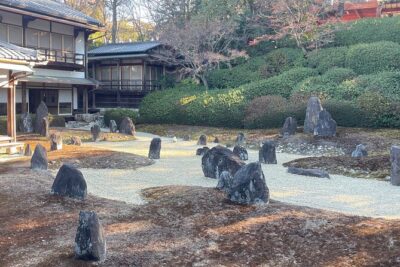
Kyoto Guided Walking Tour: Secret Zen Garden and Fushimi Inari
Read our review →
Experience Crafting a Flower-Adorned Mini Japanese Garden
Read our review →
Bonsai Tour & Experience at the Most Sacred City for Bonsai in JP
Read our review →Browse the lists this tour appears in