
Review · JAPANESE & ZEN
Make Your Own Bonsai with a Professional Bonsai Artist in Tokyo
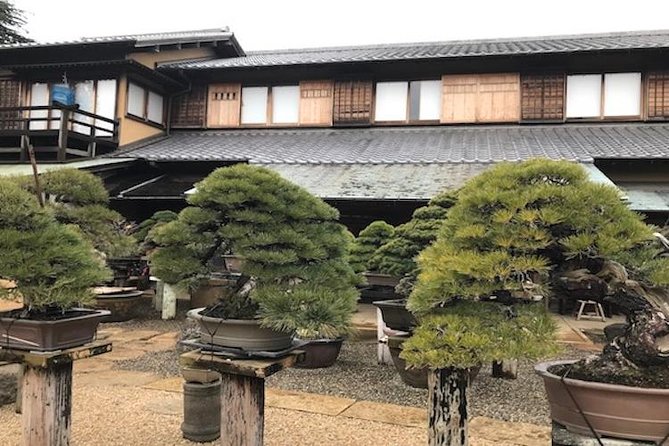
The most memorable part of this Tokyo experience is getting your hands on a living work of art. At Shunkaen Bonsai Museum, you’ll learn basic wiring and shaping on your own tree, then see why bonsai takes patience, judgment, and years of careful care. The collection includes trees said to be about 1,000 years old, which puts your small project in proper perspective.
I like the small group limit of six, since bonsai is a hands-on craft and you need room to ask questions. I also like the mix of lesson and museum visit: you don’t just make a plant, you learn how to look at one. The main consideration is transport. The museum is near public transportation, but it is outside central Tokyo and the activity does not include your train, bus, or taxi fare.
Key points to know before booking
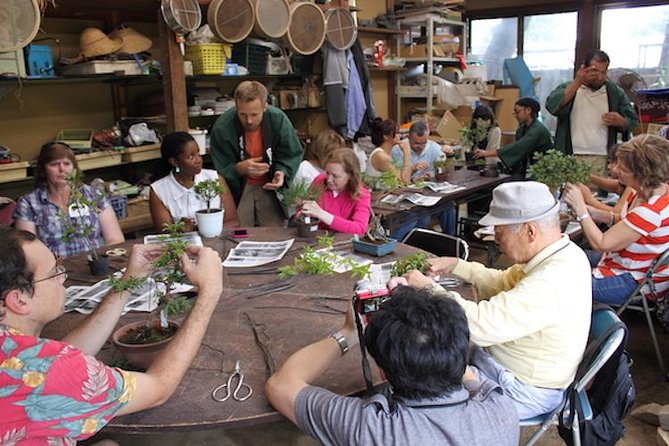
- Shape a juniper bonsai: Learn basic wiring and early styling under direct instruction.
- Visit Shunkaen Bonsai Museum: See a large collection with many bonsai forms and styles.
- Small class size: No more than six people can join, allowing for personal help.
- Translator support may be available: Select the assistant option if you need help following the lesson.
- Allow about two hours: The workshop fits neatly into a sightseeing day, though the hands-on lesson and museum time may not be equal.
- Plan for the tree afterward: Shipping is not included, and taking your bonsai home may involve an additional fee.
Why making one bonsai feels different from simply seeing one
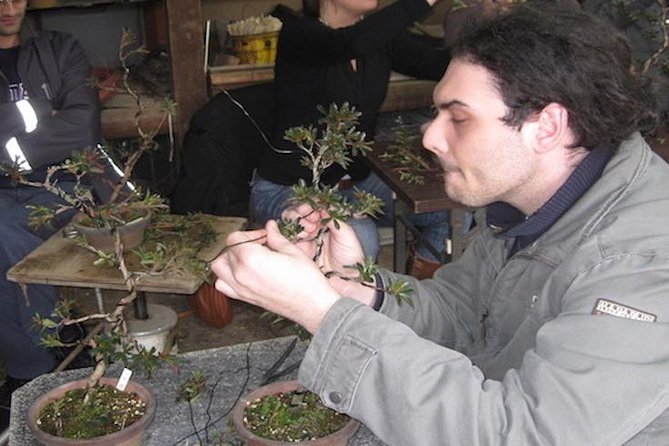
A museum visit can show you the beauty of bonsai. A workshop explains the decisions behind it. You’ll learn why a branch is wired in one direction, how a trunk can suggest age, and how a small tree is shaped to look natural rather than merely miniature.
That practical link is the real value here. You are not only looking at polished trees behind a railing. You are handling branches, asking questions, and making choices. Your finished bonsai may be modest, but you’ll leave with a better eye for the craft.
The lesson is built for beginners. You do not need previous horticulture experience, and the class is designed to teach the first steps rather than test your existing skills. The instruction may include help from an assistant or translator, depending on the option you book.
The experience also gives you useful context for Japanese culture. Bonsai is not a quick decoration project. It is a long relationship between a plant, its caretaker, and the changing seasons. You will not master that tradition in two hours, but you can begin to understand why it has such lasting appeal.
More Japanese Garden Tours in Tokyo
- Tokyo Japanese Garden Lover’s Private Tour with Government-Licensed Guide
★ 5.0 · 27 reviews - Experience Crafting a Flower-Adorned Mini Japanese Garden
★ 4.7 · 15 reviews - Tokyo: Full-Day Japanese Garden Private Guided Tour
★ 4.6 · 13 reviews
Inside Shunkaen Bonsai Museum
Shunkaen Bonsai Museum is the setting for both the lesson and the collection visit. The museum has a courtyard and upper viewing areas filled with bonsai, including examples of different styles and sizes. The setting gives you a quiet break from Tokyo’s busy streets.
The collection is more than a backdrop for the class. Give yourself time to look closely at the trees after your lesson, when you can recognize some of the techniques you have just tried. A wired branch or carefully arranged trunk will mean more once you have worked with your own plant.
One of the most striking trees is described as being around 1,000 years old. You should treat that figure as part of the museum’s presentation, but even the idea changes how you view the collection. Your tree is a beginner’s project. Some of the museum pieces represent generations of care.
The museum also offers a chance to see several bonsai styles in one place. You might notice differences in trunk movement, branch placement, pot shape, and overall balance. These details can be hard to understand from a book or photograph. In person, you can move around the trees and see how the design works from more than one angle.
The hands-on lesson: wiring and shaping a juniper
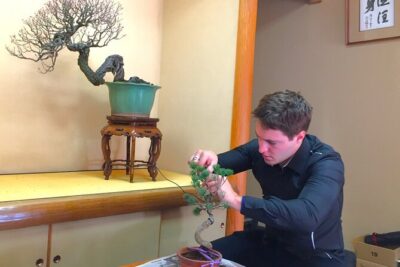
The practical part of the experience focuses on basic bonsai-making techniques. One commonly described exercise involves wiring a juniper tree. You’ll receive a small tree and guidance on how to begin shaping it without treating it like an ordinary houseplant.
Wiring takes care. The wire supports a branch while it gradually holds a new position, but too much pressure can damage the plant. That makes personal instruction important. A teacher can show you how much force to use and help you correct your technique before you get too far.
The lesson is not presented as a race. Instructors are there to answer questions and explain the first steps. That matters if you have never handled bonsai tools or are unsure which branches should move. The small group size gives you a better chance of receiving direct help than you would in a large demonstration.
You may also hear about watering, placement, and ongoing care. The precise advice will depend on the tree and the season, so pay attention and take notes if you hope to keep a bonsai at home. The goal is not only to leave with a shaped plant. It is to understand what comes next.
A few hours cannot cover every part of bonsai care. You should not expect a full professional training course or a detailed plan for every possible species. Still, the lesson gives you a sound starting point and helps you decide if bonsai is a hobby you want to continue.
Meeting the artists and apprentices
The museum is associated with master bonsai artist Kunio Kobayashi, and he has been present at the museum during some visits. Meeting him is not guaranteed, so book this for the workshop and collection rather than assuming you will receive a private lesson from the master himself.
Apprentices also help with classes and questions. Their role adds a useful human side to the visit. You can hear how they approach the craft and how much work goes into maintaining a serious collection. In some sessions, an apprentice leads the class and tour, while an assistant may help with translation.
Past sessions have included guides named Joseph and other apprentices. Because staff assignments can change, the exact instructor for your date may be different. The important point is that the teaching is intended to be personal and accessible, not a recorded presentation.
If language is a concern, check the booking option carefully. An assistant is included only if you select that option. The tour information also describes tailored instruction with translator support, but you should confirm the precise arrangement at booking rather than assume a translator is automatically included in every session.
Same place, a different kind of green day out:
- Imperial Palace East Garden and Edo Castle Walking Tour in Tokyo
★ 5.0 · 510 reviews - Mt. Fuji Day Trip from Tokyo with English Speaking Driver Guide
★ 5.0 · 443 reviews - Tokyo: Imperial Palace East Gardens Walking Tour
★ 4.8 · 353 reviews - Mt. Fuji, Cherry Blossom & Shiba Sakura Pvt. Day Tour
★ 5.0 · 326 reviews
Tea, questions, and time to look around
Tea has been part of some sessions, including an early morning class. Food and drinks are not included in the listed price, so do not book this expecting a meal or a formal tea ceremony. Treat tea as a possible hospitality detail, not the main event.
The stronger reason to allow extra attention at the museum is the chance to ask questions. You can point to a tree, ask about its style, and connect what you see to the wiring exercise. The instructors and apprentices are a useful source of practical explanations.
I would avoid rushing away as soon as the hands-on portion ends. The advertised activity lasts about two hours, while the itinerary also lists one hour for the museum stop. That suggests the workshop and museum viewing may be divided into separate parts, but the exact timing can vary.
The class ends back at the meeting point. You will not need to arrange a second pickup location, though you are responsible for your onward transport.
Is the $78.83 price fair?
At $78.83 per person, this is not the cheapest plant-related activity in Tokyo. The price makes more sense if you want a proper introduction to bonsai rather than a quick craft session.
Your fee includes admission to the museum and the bonsai-making lesson. You are also paying for a small class, direct instruction, and access to a collection that includes rare and very old trees. Those elements give the experience more substance than a basic souvenir workshop.
The value is strongest for anyone who already has an interest in plants, gardens, Japanese culture, or hands-on learning. If you only want a small object to take home, the price may feel high, especially because shipping is not included and transport costs are extra.
You should also consider what happens after the class. If you live in Japan, you may be able to take the tree with you for a fee. International visitors should ask about shipping before booking or decide that the lesson itself is the main souvenir. A bonsai is alive, so bringing it home involves more thought than packing a ceramic cup.
The experience is often booked well ahead, with an average booking lead time of about 34 days. That does not guarantee the date you want will sell out, but it is a good reason to reserve early if this is important to your itinerary.
Getting there and planning your day
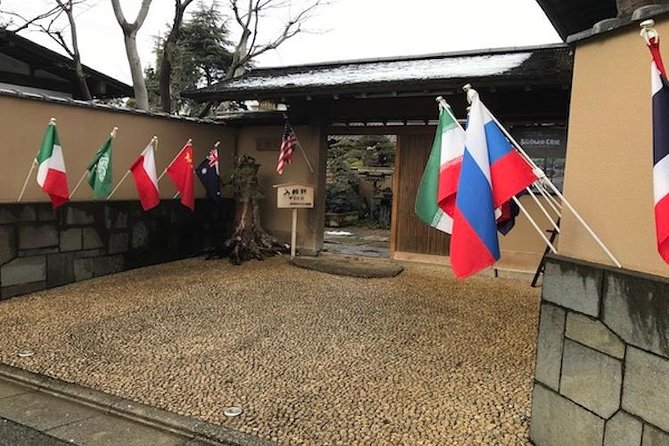
The meeting point is Shunkaen Bonsai Museum at 1-chōme-29-16 Niihori, Edogawa City, Tokyo 132-0001. The museum is near public transportation, but transportation is not included in the activity price.
The location is in Edogawa City rather than in the center of the main sightseeing districts. Allow enough time for the journey and check your route before the day of the class. The directions may involve a train followed by a bus or taxi. Local people are familiar with the museum, so asking for help can be useful if you need it.
Because the class lasts about two hours, it can fit into a morning or afternoon plan. I would not place it between two tightly timed reservations. Public transport connections and the distance from central Tokyo can make a small delay matter.
Wear something that lets you work comfortably with your hands. The activity requires a moderate level of physical fitness, but no strenuous exercise is described. You should expect to stand, walk around the collection, and handle a small tree during the lesson.
What you will and will not take home
You will gain an introduction to bonsai care and shaping, plus the experience of working on your own tree. The workshop is especially useful if you want to continue the hobby after returning home.
The physical bonsai may or may not travel with you. Shipping is specifically excluded, and the information provided says that people living in Japan can take their tree for a fee. International shipping arrangements are not stated, so ask before the class if bringing the tree home is essential.
Do not assume that the fee includes tools, meals, shipping, or local transport. The included items are the bonsai-making lesson and an assistant if you select that option. Food and drinks are not included.
This clear list matters because the workshop can sound like a complete souvenir package at first glance. It is better understood as an instructional visit with a living project attached.
Who will enjoy this workshop most
I would recommend it to you if you want a quieter, more focused break from Tokyo’s major sights. It suits plant lovers, garden enthusiasts, photographers interested in form and detail, and anyone who wants to learn through doing.
It also works well for visitors looking for a cultural experience that is less passive than a museum tour. You will see Japanese artistry, but you will also make decisions and receive correction as you work.
Families and groups should note the maximum of six people. That cap keeps the lesson personal, but it also means a larger party may need separate arrangements or may not be able to join together.
This is less suitable if you want a fast central Tokyo activity, a guaranteed meeting with Kunio Kobayashi, or a finished souvenir that needs no aftercare. It is also not the right choice if you have no interest in plants and mainly want a general sightseeing tour.
Booking, cancellation, and practical details
Confirmation is sent within 48 hours of booking, subject to availability. The activity uses a mobile ticket, which is convenient when you are already carrying a crowded Tokyo sightseeing schedule.
You can cancel free of charge up to 24 hours before the local start time for a full refund. Cancellations or changes made less than 24 hours before the start time are not accepted for a refund.
The group is capped at six people, and the meeting and ending point are the same. Since the workshop is hosted by Beauty of Japan, check the date, assistant option, and transport plan before finalizing your reservation.
Should you book this bonsai experience?
Book it if you want a real introduction to bonsai, value direct instruction, and can spare the time to reach Edogawa City. The combination of a small class, juniper wiring, museum access, and a collection that includes extremely old trees gives the visit more depth than a standard craft activity.
Skip it if you need a central Tokyo stop, dislike plant care, or expect guaranteed time with a famous master. The tree may also require an extra fee or shipping arrangement after the class.
For the right visitor, this is a thoughtful two-hour experience. You leave with more than a shaped plant. You leave knowing why bonsai demands patience, and with enough basic technique to try the art again at home.
FAQ
How long does the bonsai workshop last?
The experience takes approximately two hours. The listed museum stop is one hour, so the full visit includes both the bonsai lesson and time to see the collection.
Where does the activity begin and end?
It begins at Shunkaen Bonsai Museum, 1-chōme-29-16 Niihori, Edogawa City, Tokyo 132-0001, Japan. The activity ends back at the same meeting point.
How many people can join?
The maximum group size is six travelers.
Is a translator or assistant included?
An assistant is included if you select that option. The experience also describes tailored instruction with translator help, so check the selected option when booking.
Is museum admission included?
Yes. Admission to Shunkaen Bonsai Museum is included with the bonsai-making lesson.
Are transportation, food, and drinks included?
No. Transportation, food, and drinks are not included. You must arrange and pay for your own transport to and from the museum.
Can I cancel for a full refund?
Yes. You can cancel at least 24 hours before the local start time for a full refund. Cancellations or changes made less than 24 hours before the start time are not accepted for a refund.
Just added around Tokyo
- Tsumami Zaiku Japanese Fabric Flower Class★ 5.0 · 3 reviews
- Tokyo: Serene Sakura & Sake: An Exclusive Brewery Pairing Lunch★ 5.0 · 2 reviews
- Tsukiji Food Strolling and Hama Rikyu Garden Walking Tour★ 5.0 · 7 reviews
- Private tour – Scenic Fuji Escape: Hakone, Peace Park & More★ 5.0 · 4 reviews
- Tokyo Cherry Blossom Half Day Walking Tour with a Local Guide★ 3.5 · 4 reviews
- TOKYO: Tailored Gardens tour with Pro Gardener by E-bike -BASIC★ 5.0 · 2 reviews
- Cherry Blossom Highlights, Asakusa, Ueno, Imperial Palace Garden★ 4.5 · 4 reviews
- Tokyo: Kimono Experience inside Shinjuku Gyoen National Garden★ 5.0 · 3 reviews
Japanese & Zen Garden Tours, compared.
Lafcadio Hearn Japanese Gardens Admission Adult Ticket
Read our review →
Kyoto Guided Walking Tour: Secret Zen Garden and Fushimi Inari
Read our review →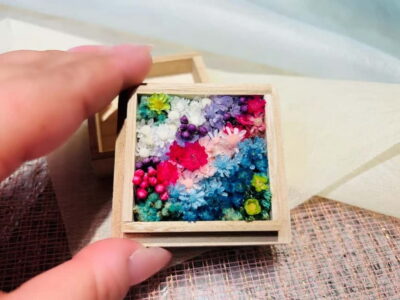
Experience Crafting a Flower-Adorned Mini Japanese Garden
Read our review →
Bonsai Tour & Experience at the Most Sacred City for Bonsai in JP
Read our review →
Kyoto Japanese Garden Lover’s Private Tour with Government-Licensed Guide
Read our review →Browse the lists this tour appears in