
Review · TOKYO
Tsukiji Food Strolling and Hama Rikyu Garden Walking Tour
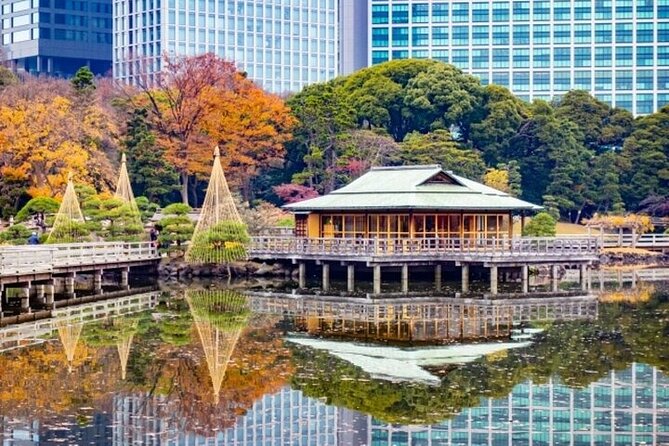
Tsukiji is the main event here: a maze of seafood, fruit, meat, snacks, and cooking goods from across Japan. You get a local guide to explain what you are seeing, then walk off your self-bought bites in Hama Rikyu Garden, a 370-year-old Edo-period retreat framed by Tokyo towers.
I like the pairing of food market and formal garden. I also like the small maximum group of 12, which should make it easier to ask questions and keep up in narrow market lanes. The catch is simple: lunch, snacks, and drinks are not included, so the final cost depends on what you decide to eat.
Key points at a glance
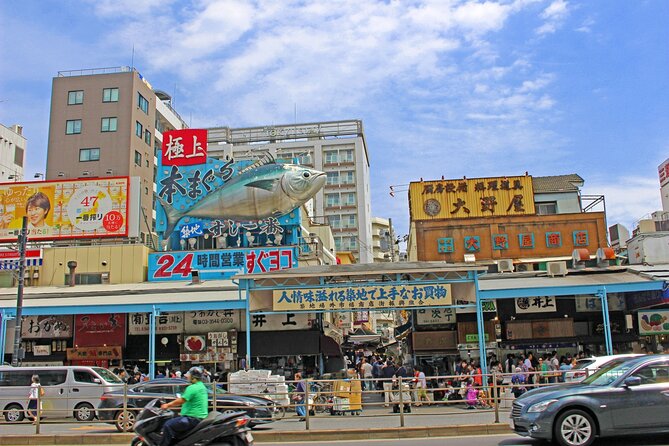
- Tsukiji’s outer market: Spend about an hour among seafood, produce, sushi, wagyu, fruit, and specialty food shops.
- Two very different Tokyo settings: Move from the energy of Tsukiji to the quiet ponds and paths of Hama Rikyu.
- Local guides with different strengths: Masumi, Miyuki, Erica, Pepito, and Yuko have led this walk, with past praise for friendliness, local tips, and language skills.
- Optional tea lesson: Taste matcha and wagashi while learning Japanese etiquette for about 1,000 yen, paid on site.
- Small group size: The tour accepts no more than 12 people, a useful limit in crowded market streets.
- Good value at $32.32: The price includes the guide and the 300-yen Hama Rikyu admission, but you pay separately for all food and drinks.
Why Tsukiji and Hama Rikyu work so well together
This tour gives you two versions of central Tokyo in one short outing. Tsukiji is practical, noisy, and built around food. Hama Rikyu is measured and calm, with old garden design set against a modern skyline.
That contrast is the point. You do not just see a market and then a park. You see how Tokyo layers its past and present: a major food district near a temple, followed by a garden created more than 370 years ago during the Edo period.
The walk lasts about 2 hours and 30 minutes. That is long enough for an introduction to Tsukiji, a proper walk through Hama Rikyu, and some explanation from the guide, but it is not a full-day food crawl. You should think of it as a guided orientation with time to buy and taste food along the way.
The price is $32.32 per person. That is a fair amount for a small-group tour that includes a local guide and the 300-yen garden admission. It becomes better value if you want context and direction in Tsukiji, rather than wandering among the stalls without knowing what you are looking at.
A few more garden visits around Tokyo worth a look
- Tokyo Spring Daytime (Cherry Blossom) Food Tour
★ 5.0 · 6 reviews - Cherry blossom & Japanese Sake Tasting in Shinjuku
★ 5.0 · 4 reviews - Tokyo: Serene Sakura & Sake: An Exclusive Brewery Pairing Lunch
★ 5.0 · 2 reviews
Meeting at Tsukiji Hongwanji Temple
The meeting point is the Starbucks Coffee near Tsukiji Station, at 2-12-8 Tsukiji. From there, the walk begins with Tsukiji Hongwanji Temple, only about 10 minutes of the schedule.
The temple is worth this brief stop because its architecture does not look like the standard Japanese temple image. It combines Indian and Western influences, creating a striking entrance near the market. Inside, you get a quieter setting before entering the food district.
I like the choice of starting here. It gives you a little breathing room and a piece of local history before the market takes over your senses. The stop is short, though, so do not expect a full temple visit or a long religious-history talk.
A guide can also help you understand the temple’s place in the neighborhood. The tour description specifically highlights its peaceful atmosphere, which makes it a useful counterpoint to the commercial streets nearby.
Reading Tsukiji through its food stalls
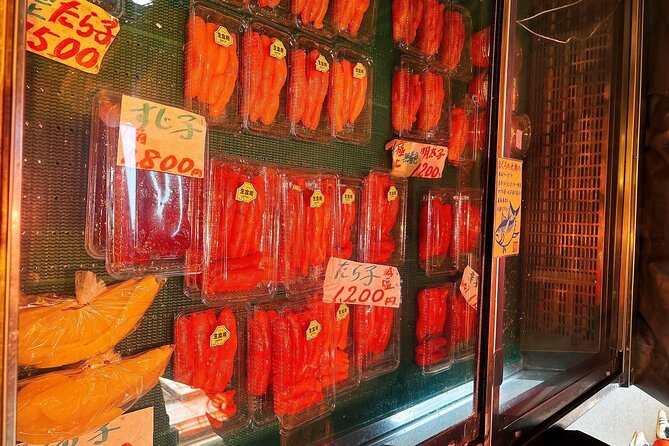
You spend about an hour at Tsukiji Jogai Market, the outer market area that remains a major destination for food shopping and eating. The market has an 83-year history as one of Tokyo’s central wholesale markets and handles about 480 types of seafood and 270 types of produce.
Those numbers explain why a guide helps. Tsukiji is not one simple hall with a neat route. It is a broad food district with many different shops and ingredients. A local guide can point out what matters, explain market customs, and help you spend your limited time well.
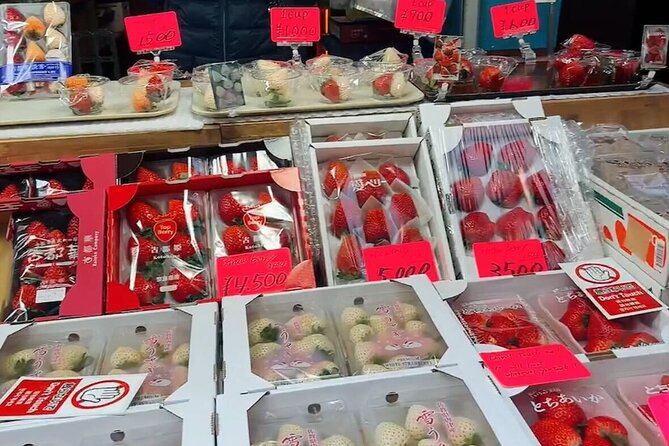
You can expect to see seafood from Japan and beyond, along with fruit, meat, prepared food, and other ingredients. The tour does not include a fixed meal or tasting menu. Instead, you buy food and drinks yourself, which gives you control over both your appetite and your budget.
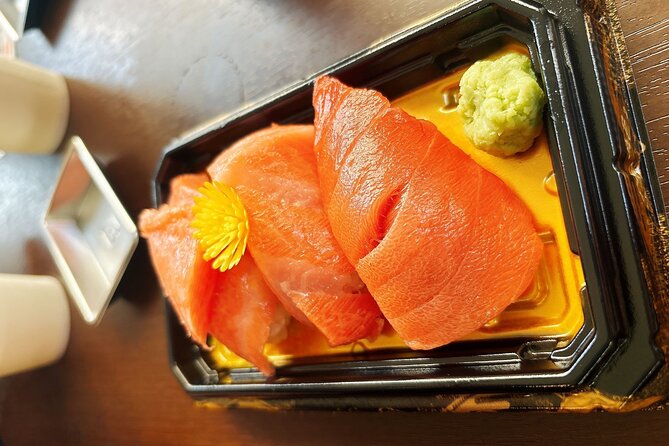
That arrangement suits people who want to choose their own bites. Past participants have enjoyed sushi, wagyu beef, and fresh fruit during the walk. You may want a full meal, a few small tastes, or no food at all. The tour allows for that flexibility, but remember to carry extra yen or a suitable payment method for purchases.
The market is also a good place to ask questions that are hard to answer from a guidebook. You can learn what ingredients are used in Japanese cooking, how seafood and produce arrive in Tokyo, and how the market connects to everyday food culture. The exact depth depends on your guide and your questions.
Some guides have received especially warm praise for their approach. Masumi has been described as sharing both historical and current information. Miyuki has led a leisurely walk and adjusted the experience to the group’s interests. Yuko has guided the Tsukiji portion in French, while Erica has been praised for her kindness and for helping with onward directions. Pepito has been appreciated for showing authentic parts of the area and offering useful suggestions for later sightseeing.
Those details also point to one limitation. The guide experience may vary. One past participant wanted more explanation but still valued having a local person who knew the area. If you want a highly structured lecture about every stall, ask questions early and let the guide know what interests you.
Buying food without losing the point of the tour
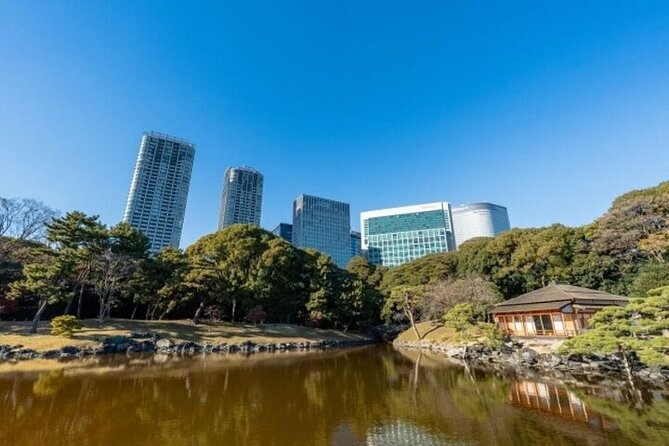
Because food is not included, this is not the right choice if you want one prepaid tasting experience with a set menu. It is better for you if you prefer to choose what looks good at the moment.
You might spend very little by browsing and buying one snack. You might spend much more on sushi, wagyu, fruit, or several small dishes. The $32.32 tour fee is only part of your food budget.
I recommend deciding before you arrive how much you want to eat. Tsukiji can make a modest appetite disappear quickly, especially when you see fresh food prepared in front of you. At the same time, you do not need to buy something at every stop to get value from the market walk.
The timing matters, too. One participant specifically recommended taking the tour in the morning. That is sensible for a food-market visit, since a morning start leaves time for shopping and lets you continue sightseeing afterward. The exact market activity will depend on the day and season, so avoid expecting every stall to offer the same items.
The guide can make the market less confusing, but you still need to watch your footing and stay with the group. The maximum group size is 12, which is fairly small for central Tokyo and more manageable than a large coach-style outing.
Same place, a different kind of green day out:
- Imperial Palace East Garden and Edo Castle Walking Tour in Tokyo
★ 5.0 · 510 reviews - Mt. Fuji Day Trip from Tokyo with English Speaking Driver Guide
★ 5.0 · 443 reviews - Tokyo: Imperial Palace East Gardens Walking Tour
★ 4.8 · 353 reviews - Mt. Fuji, Cherry Blossom & Shiba Sakura Pvt. Day Tour
★ 5.0 · 326 reviews
From Tsukiji to Hama Rikyu Garden
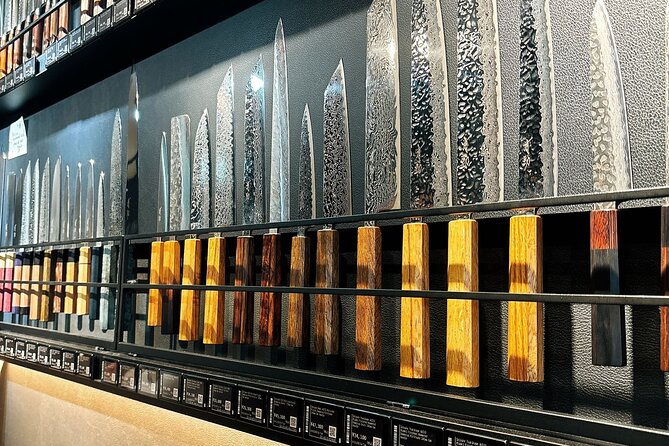
After Tsukiji, the experience changes pace at Hama Rikyu Garden. The garden admission is included, with a stated value of 300 yen per person.
Hama Rikyu was created during the Edo period more than 370 years ago. Its ponds, paths, trees, flowers, and carefully planned views offer a sharp change from the market streets. Depending on the season, you may see different flowers in bloom, so the visual experience is not identical year-round.
The garden’s location is part of its appeal. Tokyo skyscrapers rise around it, yet the interior feels removed from the city’s rush. You get the old and new together in one view: historic garden design below, modern office towers above.
The schedule allows about an hour here. That is enough time for a guided walk and a relaxed look at the garden, though it may not satisfy you if you want to explore every path at a slow pace. The tour ends at the tea house, and anyone who wishes can be escorted to the entrance gate afterward.
I like this final stop because it gives the tour a proper change of mood. After sampling market food and dealing with the city’s movement, you have space to slow down. It also makes the tour more than a market visit with a quick park add-on.
Matcha, wagashi, and a short etiquette lesson
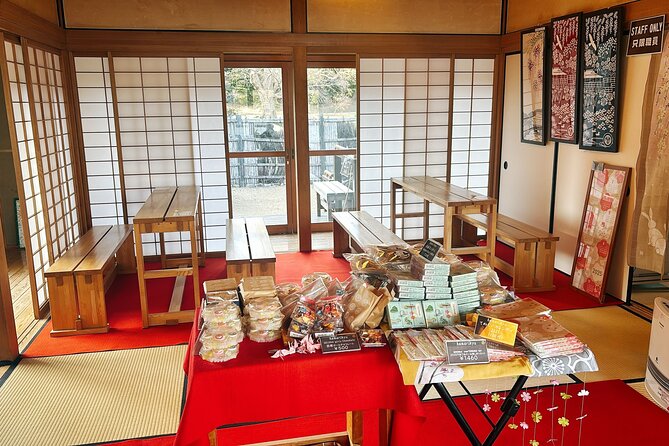
At the garden, you can choose an optional matcha and wagashi experience. It costs about 1,000 yen and is paid on site.
Matcha is powdered green tea prepared in a way that emphasizes process and presentation. Wagashi are Japanese sweets, often made to suit the season. The activity also includes instruction in Japanese etiquette, so it offers more than a drink and dessert.
The tea option is not included in the main price, and it is not compulsory. That is helpful if your budget is tight or if you would rather use the garden time for walking and photographs. If you are curious about Japanese customs, the extra fee is modest and gives the garden visit a more cultural focus.
The tea house is also the official end point. If you need a clear route to public transportation or the garden gate, ask the guide about the escort option before the group separates.
How the guides shape the experience
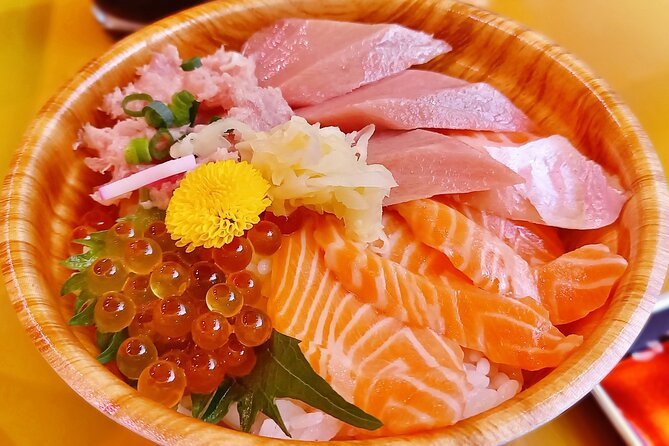
The strongest feature of this tour is the human element. The named guides associated with past departures include Masumi, Miyuki, Erica, Pepito, and Yuko. Their reported strengths differ, but the pattern is clear: friendly guidance, local recommendations, and a willingness to help with practical details.
That matters in Tsukiji, where a local guide can save you time and help explain what you are seeing. It matters in Hama Rikyu, too, where a guide can point out the relationship between the garden, the Edo period, seasonal flowers, and the surrounding city.
Do keep your expectations realistic. The tour is short, and the group may have different interests. One guide may focus more on history, while another may be more relaxed and conversational. If you want information about seafood, temple architecture, Japanese etiquette, or later stops in Tokyo, say so.
The reviews give the experience a 4.9 rating from seven ratings, with particular praise for the guides’ friendliness and helpfulness. That is a strong signal, but it is still a small sample. I would book this for a personable introduction, not for a specialized food course or expert-level history seminar.
Timing, group size, and practical value
The tour has a maximum of 12 people. That is a useful size for a market walk, where a large group could block shop fronts or make it difficult to hear. It also gives you a better chance to speak with the guide than you would have on a large sightseeing tour.
The experience is near public transportation and starts at Starbucks Coffee near Tsukiji Station. A mobile ticket is provided, and booking confirmation is issued at the time of booking.
Most people can participate, and service animals are allowed. The tour ends at Hama Rikyu Gardens rather than returning to Tsukiji, so plan your next stop from that part of Tokyo.
You can cancel for a full refund up to 24 hours before the start time. Changes or cancellations made less than 24 hours before the tour are not accepted for a refund. The cut-off follows local Tokyo time, so keep that in mind if you are booking from another time zone.
Who should book this Tsukiji walking tour?
I would recommend it to first-time visitors who want a guided introduction to Tsukiji without committing to a full-day food tour. It also suits couples, families, and small groups who like to mix eating, history, and gardens.
You will get the most from it if you enjoy choosing your own food and asking questions. The flexible food setup lets you control spending and portion size, while the guide adds context that you would miss by simply walking through the market.
It is also a good fit for anyone who wants a calmer second half to the morning. Hama Rikyu gives you a pleasant change after Tsukiji, and the optional tea stop adds a small cultural lesson without making the whole experience formal.
I would hesitate if you want all tastings included, a guaranteed food menu, or a long, detailed lecture at every stop. You also need to budget separately for lunch, snacks, drinks, and the optional 1,000-yen tea experience.
Should you book it?
Book this tour if you want a well-priced introduction to two contrasting Tokyo sights and prefer local guidance to wandering alone. The included Hama Rikyu admission, small group limit, and flexible food choices make the $32.32 fee reasonable.
Choose a morning departure if possible, especially if you want to eat at Tsukiji and still have the rest of the day for Tokyo. Bring extra money for food, ask the guide about the ingredients or customs that interest you, and consider the optional matcha if you want a gentle cultural finish.
Skip it if your main goal is a prepaid tasting feast. For everyone else, this is a practical way to connect Tokyo’s food culture, Edo-era gardens, and modern city views in one compact walk.
FAQ
How long is the Tsukiji Food Strolling and Hama Rikyu Garden Walking Tour?
The experience lasts approximately 2 hours and 30 minutes.
How much does the tour cost?
The listed price is $32.32 per person.
What is included in the tour price?
The price includes a local tour guide and admission to Hama Rikyu Gardens, listed as 300 yen per person.
Are food and drinks included?
No. Lunch, snacks, food, and drinks are not included. You purchase anything you want to eat or drink separately.
How much does the optional matcha experience cost?
The optional matcha and wagashi experience costs about 1,000 yen, paid on site.
Where does the tour start?
The meeting point is Starbucks Coffee near Tsukiji Station, at Japan, 104-0045 Tokyo, Chuo City, Tsukiji, 2-chome 12-8, Taiko Building 1F.
Where does the tour end?
The tour ends at the tea house in Hama Rikyu Gardens. Anyone who wishes can be escorted to the garden entrance gate.
How many people can join the tour?
The maximum group size is 12 people.
What is the cancellation policy?
You can cancel up to 24 hours before the start time for a full refund. Cancellations or changes made less than 24 hours before the start time are not accepted for a refund.
More Garden Walks in Tokyo
- Licensed Guide Tokyo Meguro Cherry Blossom Walking Tour
★ 4.5 · 13 reviews - Licensed Guide Tokyo Meguro Cherry Blossom Walking Tour
★ 3.6 · 6 reviews - Sumida Riverside Walk: Garden &Temple Ritual (4 Meeting Points)
★ 5.0 · 5 reviews - Tokyo Imperial Palace:Guided Walking Tour of East Gardens
★ 5.0 · 5 reviews
More Food in Tokyo
- Balinese Vegan Cooking Class with Fresh Harvesting & Garden Tour
★ 5.0 · 86 reviews - Sorrento: Walking Tour in Lemon Garden w/ Food Tasting
★ 4.8 · 72 reviews - Bangkok Street Food and Night Lights by Tuk Tuk
★ 4.6 · 49 reviews - Delhi Street Art Walk in Lodhi Art District with Chai & Food
★ 5.0 · 34 reviews
Just added around Tokyo
- Tsumami Zaiku Japanese Fabric Flower Class★ 5.0 · 3 reviews
- Tokyo: Serene Sakura & Sake: An Exclusive Brewery Pairing Lunch★ 5.0 · 2 reviews
- Private tour – Scenic Fuji Escape: Hakone, Peace Park & More★ 5.0 · 4 reviews
- Tokyo Cherry Blossom Half Day Walking Tour with a Local Guide★ 3.5 · 4 reviews
- TOKYO: Tailored Gardens tour with Pro Gardener by E-bike -BASIC★ 5.0 · 2 reviews
- Cherry Blossom Highlights, Asakusa, Ueno, Imperial Palace Garden★ 4.5 · 4 reviews
- Japan’s Customs of Ikebana Art, Tea Ceremony & Kimono Welcome★ 5.0 · 2 reviews
- Tokyo: Kimono Experience inside Shinjuku Gyoen National Garden★ 5.0 · 3 reviews
Tokyo Garden Tours, compared.
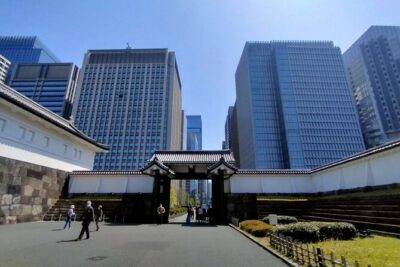
Imperial Palace East Garden and Edo Castle Walking Tour in Tokyo
Read our review →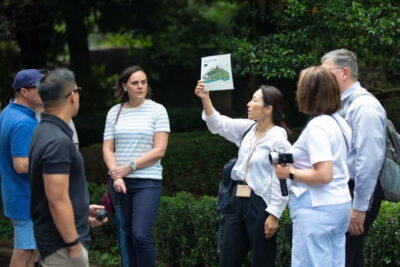
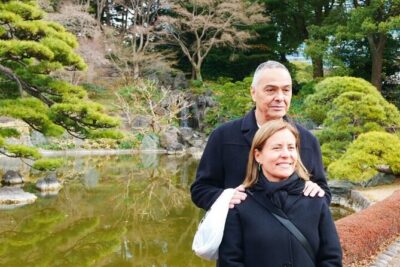
Edo Castle & East Garden of the Imperial Palace Tour
Read our review →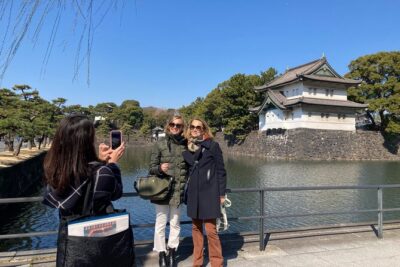
Tokyo Private Tour! Edo Castle & Imperial Palace East Gardens
Read our review →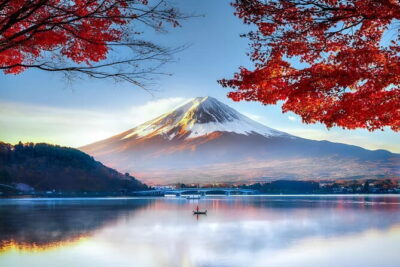
Mount Fuji & Lake Kawaguchiko Private Tour: Beyond the Ordinary
Read our review →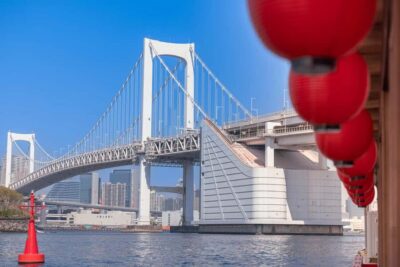
Rainbow Bridge Day Cruise Show and Only Soft Drinks
Read our review →
Tsukiji Market and Hama-rikyu Gardens Guided Tour
Read our review →Browse the lists this tour appears in