
Review · KYOTO
Higashiyama | Kyoto: Sakura Season Private Rickshaw Tour
Kyoto’s Higashiyama district is at its prettiest when cherry trees turn the streets pink and white. From a private rickshaw, you can take in wooden townhouses, old shops, the Gion geisha district, and riverside scenery without spending the whole outing watching your feet.
I like the personal attention of a private guide, especially since English-speaking guides can explain local stories and geisha culture as you go. I also like the choice of a 70-minute ride or a two-hour version that includes time to walk among the blossoms at Kiyomizu-Dera Temple. The main caution is timing: the tour cannot promise full bloom, and the narrow 74-centimeter rickshaw may feel tight for some adults.
Key points to know
- Higashiyama and Gion by rickshaw: Pass wooden townhouses, traditional shops, and the geisha district at a relaxed pace.
- Private ride for one or two adults: One rickshaw serves one or two participants, with two rickshaws provided for groups of three or four.
- Two tour lengths: Choose 70 minutes for a focused neighborhood ride or up to two hours with a Kiyomizu-Dera walking stop.
- English or Japanese guide: Guides explain the area and can share stories about geisha culture.
- Cherry blossom timing is not guaranteed: Dates are based on past bloom patterns and current estimates, not certainty.
- Useful for families: The rickshaw is wheelchair and stroller-friendly, while children five and under may ride on an adult’s lap under the stated rules.
A calm way to see Kyoto’s sakura streets
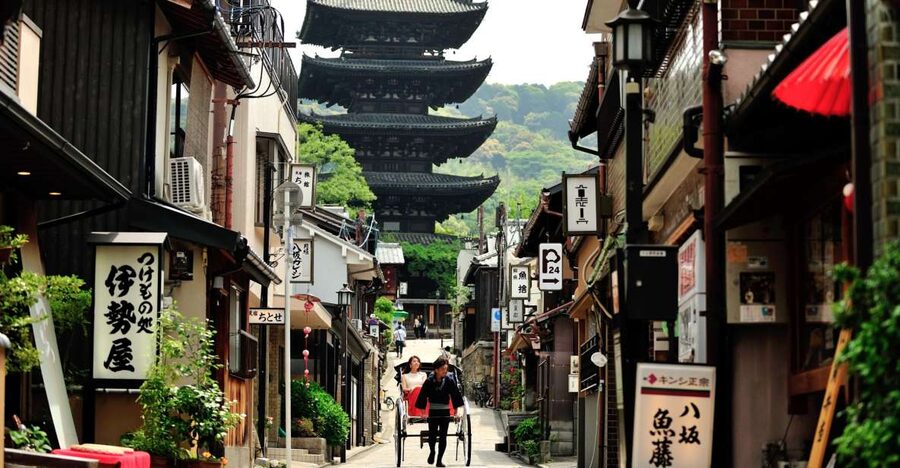
Sakura season changes the feel of Kyoto’s old quarters. Pink and white blossoms frame the sky, soften the dark wood of traditional buildings, and give familiar streets a special seasonal look.
The rickshaw adds more than a novelty ride. You are seated above street level, moving slowly enough to notice details, while your guide handles the route and points out places you might otherwise pass without understanding. You can keep your attention on the scenery instead of checking a map.
This is a private outing, not a large group transfer. That matters in Higashiyama, where the appeal comes from small streets, traditional façades, and short pauses for photographs. You can ask questions, request a photo stop, and keep the focus on the parts of the neighborhood that interest you most.
The route also passes through Gion, Kyoto’s famous geisha district. Your guide can add context about geisha culture, which gives the old streets more meaning than a simple drive-by. Still, this is not presented as a formal cultural lecture or a guaranteed meeting with a geisha. The value is in seeing the district and hearing its stories while passing through respectfully.
More Cherry Blossom Tours in Japan
- Guided Kyoto City Cherry Blossom One Day Private Tour
★ 5.0 · 16 reviews - Private & Unique Kyoto Cherry Blossom “Sakura” Experience
★ 5.0 · 5 reviews - Kyoto Spring Evening (Cherry Blossom) Food Tour
★ 3.0 · 4 reviews
Meeting the guide at Ichinenzaka and Nene Street
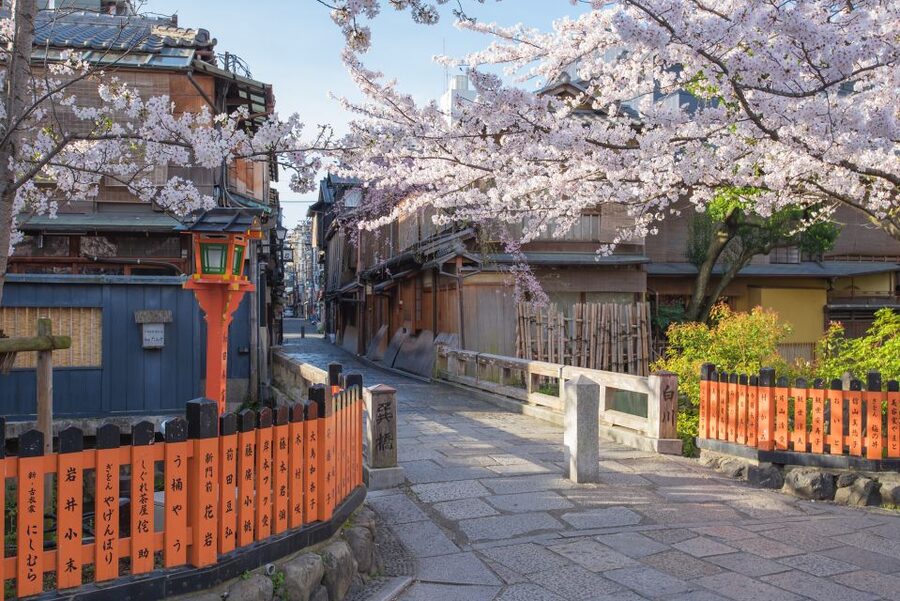
The meeting point is on the corner of Ichinenzaka and Nene Street. Your guide will be standing there, and the booking information includes a JPG map and photograph of the exact spot.
For a smooth start, search for Ebisuya Higashiyama Rickshaw on Google Maps before leaving. Higashiyama has many small lanes and visually similar traditional streets, so checking the meeting image in advance is a sensible step.
The route begins near some of Kyoto’s most appealing old streets. Ichinenzaka and Nene Street are known for their traditional setting, with wooden buildings and shops that fit the character of historic Higashiyama. You do not need to organize separate transport between several sights at the start. Meet the guide, settle into the rickshaw, and let the ride begin.
The tour includes photo stops, but the exact number and length are not specified. If you have one important photograph in mind, tell the guide early. A private format usually gives you more room to make a request than a shared sightseeing vehicle, although the guide still has to work within the time and route.
Wooden townhouses, shops, and the old Higashiyama mood
Higashiyama is the heart of this outing. The district is valued for its preserved wooden townhouses, narrow streets, traditional shops, and temples. During sakura season, blossoms add color above the rooflines and along the route.
From the rickshaw, you can see the streets without the effort of walking the entire area. That can be useful if you have already spent a full day on Kyoto’s pavements, or if you want to save your energy for temple visits later.
The guide’s role is important here. The scenery is attractive on its own, but local explanation helps connect the buildings, neighborhood, and customs. Guides speak English or Japanese. English ability can vary by guide, but the available feedback points to clear communication, careful attention, and useful stories about the geisha district.
You should expect a sightseeing ride rather than a restaurant stop or food tour. Food and drinks are not included, so plan a separate break before or after the rickshaw. That is not a serious weakness, but it helps to understand what you are paying for: transport, guiding, access fees where applicable, and photo opportunities.
Passing through Gion and hearing about geisha culture
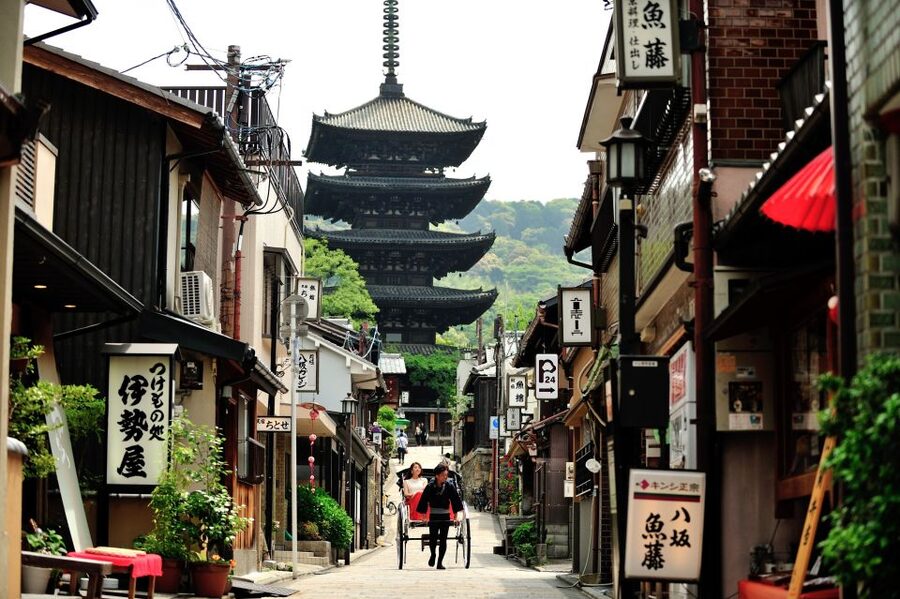
Gion gives the ride a different character. Higashiyama offers temple streets, wooden houses, and shopfronts, while Gion is tied more closely to Kyoto’s geisha traditions.
The route lets you see the district from the street and hear stories about its culture. This is one of the more useful parts of the outing because the subject can be confusing if you only see the buildings. A guide can explain what makes the area distinct without requiring you to plan a separate walking tour.
Keep your expectations sensible. The tour does not promise a performance, a private geisha encounter, or access to closed establishments. You are visiting a historic neighborhood in a respectful sightseeing setting.
I would choose this ride if you want an introduction to Gion but do not want your whole day built around it. The guide’s commentary gives you a starting point, and you can decide later if you want to return on foot.
More Cherry Blossom Tours in Kyoto:
- Kyoto Sakura & Hidden Gems of Timeless Tradition
★ 5.0 · 2 reviews - Mt. Fuji, Cherry Blossom & Shiba Sakura Pvt. Day Tour
★ 5.0 · 326 reviews - The DC Cherry Blossom Bus Tour with Tidal Basin Guided Walk
★ 4.5 · 151 reviews - National Mall & Cherry Blossoms Tour with Optional Museum Tickets
★ 4.5 · 112 reviews
Sakura photo stops and the Kiyomizu-Dera option
Cherry blossoms are the reason to book this seasonal version of the rickshaw tour, but they are also the biggest uncertainty. The dates are chosen using previous years and current estimates, yet no one can guarantee that the trees will be in full bloom on your day.
That does not make the tour pointless outside peak bloom. Higashiyama still offers traditional buildings, shops, Gion streets, and temple scenery. But if your main goal is a full canopy of flowers, you should accept that nature sets the schedule.
The shorter option lasts about 70 minutes. It suits you if you want a compact introduction to Higashiyama and Gion, with time for photographs but without committing a large part of your day.
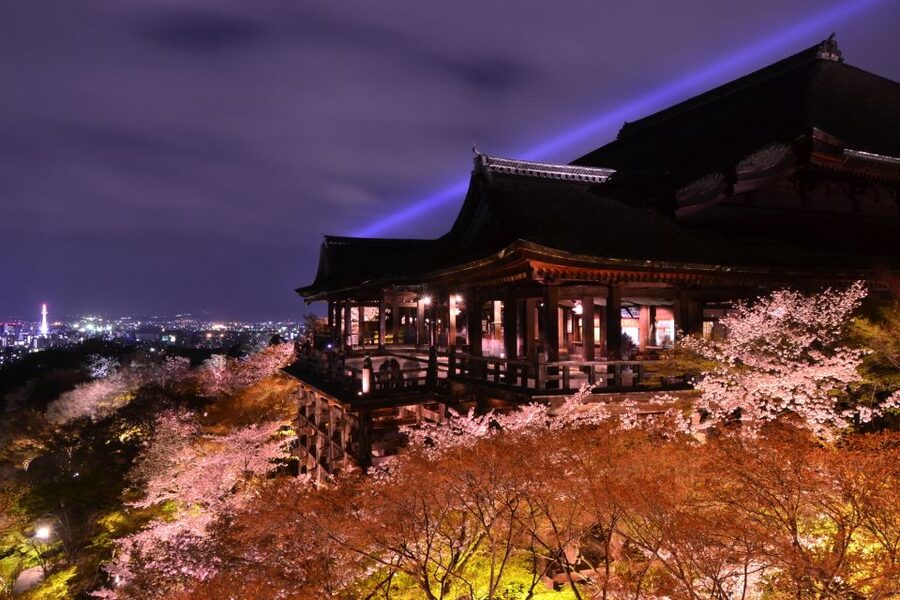
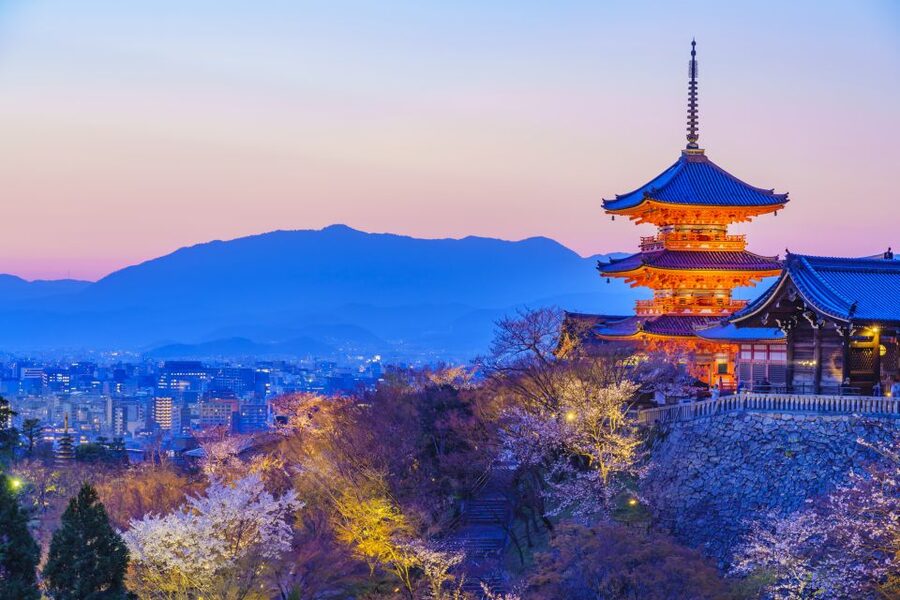
The longer option lasts up to two hours and includes a stop to walk among the cherry blossoms at Kiyomizu-Dera Temple, a World Heritage site. This changes the pace in a good way. You are not seated for the entire outing, and you get time to experience the blossoms at ground level.
Entrance fees to attractions are included. The exact attraction coverage should be confirmed when you select the tour, but Kiyomizu-Dera is specifically connected with the longer version. If you want the temple walk, choose the two-hour option rather than assuming the shorter ride will include it.
The longer tour is the better choice for photographers and first-time visitors who want a fuller Higashiyama visit. The 70-minute option is more practical if you already have temple plans or only want a seasonal orientation.
How private is the private rickshaw?
The tour is private, but seating has firm limits. One rickshaw is provided for one or two participants. Groups of three or four use two rickshaws.
The maximum is two adults per rickshaw. Each vehicle is about 74 centimeters wide, or 21.1 inches, so two adults may find the seating snug. If comfort matters more than keeping everyone together, individual rickshaws may be more comfortable, though groups needing one rickshaw per person must contact the operator and may face a fare difference.
Families have extra rules. Up to two children aged five and under can ride with two adults, but they must sit on an adult’s lap. A child five or younger who uses one of the two rickshaw seats must be booked as a full-fare participant.
Children aged six and older use the participant or adult pricing. These details are worth checking before booking, especially if you are traveling with a mixed-age family.
The rickshaw is wheelchair and stroller-friendly, which broadens its usefulness. At the same time, it is not recommended for people with back problems or for expecting mothers during the first 16 weeks of pregnancy. The activity information also lists pregnant women among those for whom the experience is not suitable. If you have any concern about the seating or motion, choose a different way to see Higashiyama.
Selfie sticks are not allowed. That rule is easy to follow and sensible in narrow historic streets, where long objects can bother other people or catch on nearby buildings.
Is $125 good value for this Kyoto outing?
The listed price is $125 per group up to one participant, though the seating rules allow up to two adults per rickshaw. Because the displayed pricing and the rickshaw capacity do not line up perfectly, check the total for your exact party before payment.
Value depends on how you use the ride. For one person, it is a fairly specialized private experience. For two adults sharing one rickshaw, the cost can make more sense because you receive a private guide, a dedicated vehicle, photo stops, and the option of a longer route with Kiyomizu-Dera.
Entrance fees are included, which helps reduce extra planning. Food, drinks, and hotel pickup are not included, so you will need to reach Ichinenzaka and Nene Street yourself and arrange meals separately.
I see the best value for a couple, a small family, or anyone who wants a gentle introduction to Kyoto’s old districts. It is less compelling if you are comfortable walking for several hours and mainly want the cheapest way to see cherry trees.
The reserve-now, pay-later option keeps your plans flexible, and cancellation is free up to 24 hours before the activity for a full refund. Those terms are useful during sakura season, when weather and bloom timing can affect your plans.
Who will enjoy this rickshaw tour most?
This experience suits you if you want to see several historic areas without rushing between them. It is especially useful for a first visit, when a guide can help you understand the difference between Higashiyama’s temple streets and Gion’s geisha quarter.
It also works well for couples who want a private outing and for families that need a break from walking. The stroller and wheelchair-friendly policy adds practical value, although the narrow vehicle and seating position still deserve consideration.
Photographers should choose the longer option if they want a temple walking stop and more time among the blossoms. The shorter ride is enough for a taste of the area, but it offers less time to pause and explore on foot.
I would skip it if you dislike close seating, have a back condition, or want a full-day temple tour. It is also not the right booking if full bloom is non-negotiable, since the operator cannot promise exact blossom conditions.
Should you book the Higashiyama sakura rickshaw ride?
Book it if you want a private, guided introduction to Kyoto’s most traditional streets during cherry blossom season. The strongest reasons are the personal guide, the easy view of wooden townhouses and Gion, and the longer option with a walk at Kiyomizu-Dera.
Choose the 70-minute ride if you want a compact outing between other plans. Choose up to two hours if the blossoms and temple visit are central to your day.
Before paying, confirm the participant count, rickshaw arrangement, and final price. Check the bloom forecast, but keep realistic expectations. If you can accept a little seasonal uncertainty and snug seating, this is a pleasant way to see Higashiyama without turning the whole visit into a long walk.
FAQ
How long does the Kyoto sakura rickshaw tour last?
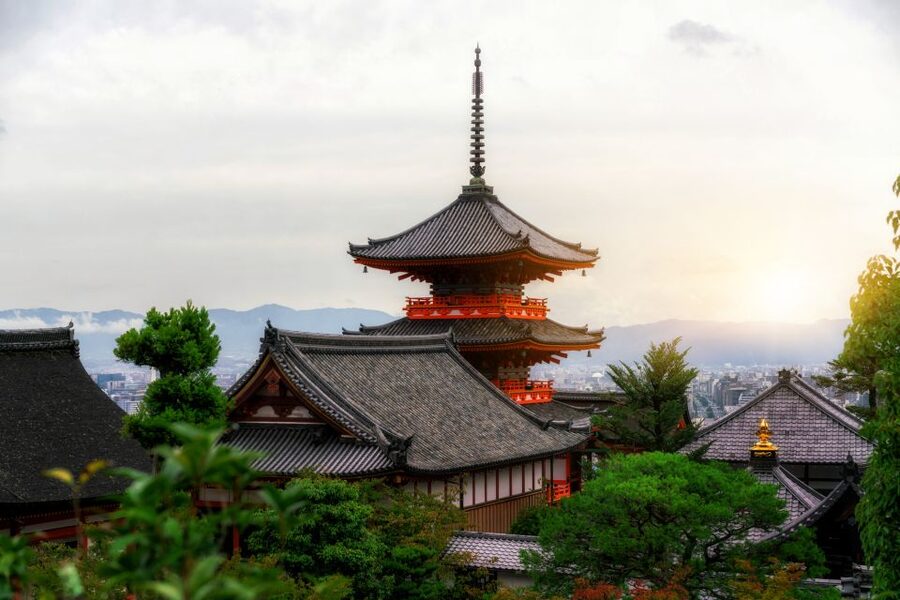
You can choose a tour lasting about 70 minutes or an extended version lasting up to two hours. The longer option includes a stop to walk among the cherry blossoms at Kiyomizu-Dera Temple.
Where do I meet the guide?
Meet the guide on the corner of Ichinenzaka and Nene Street. Search for Ebisuya Higashiyama Rickshaw on Google Maps, and check the JPG map and photograph provided with your booking information.
Is the rickshaw tour private?
Yes. The activity is offered for a private group. One rickshaw is provided for one or two participants, while groups of three or four use two rickshaws.
Can children ride in the rickshaw?
Children aged six and older use participant or adult pricing. Up to two children aged five and under may ride with two adults on an adult’s lap. If a child five or younger uses one of the two seats, that child must be booked as a full-fare participant.
Is the tour suitable for wheelchair users?
The activity is listed as wheelchair and stroller-friendly. The rickshaw is about 74 centimeters wide, so you should consider the available space when deciding how many people will share one vehicle.
Can I cancel the booking?
You can cancel up to 24 hours before the activity for a full refund. A reserve-now, pay-later option is also available, subject to the booking conditions.
Just added around Kyoto
- Kyoto-Nara Adventures Private Tour With Hotel Pick Up★ 4.0 · 5 reviews
- Ikebana Traditional Japanese Art of Flower Arranging★ 4.5 · 19 reviews
- Traditional Japanese Flower Styling Workshop – Ikebana in Kyoto★ 5.0 · 10 reviews
- Stunning Private Tea Ceremony: Camellia Garden Teahouse★ 5.0 · 28 reviews
- Zen Garden Making and Matcha Tasting in Handmade Pottery Shop★ 3.5 · 2 reviews
- Kyoto Hidden Treasures: Special Temple & Garden Access Tour★ 4.5 · 25 reviews
- Guided Kyoto City Cherry Blossom One Day Private Tour★ 5.0 · 16 reviews
- Kyoto: Kinkaku-ji Temple & Serene Garden Guided Tour with Tickets★ 5.0 · 9 reviews
Kyoto Garden Tours, compared.
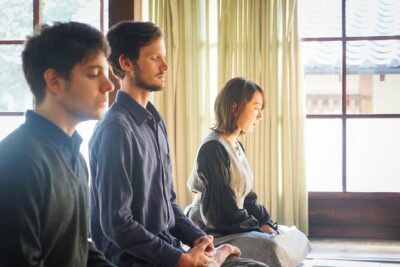
Kyoto Zen Meditation & Garden Tour at a Zen Temple with Lunch
Read our review →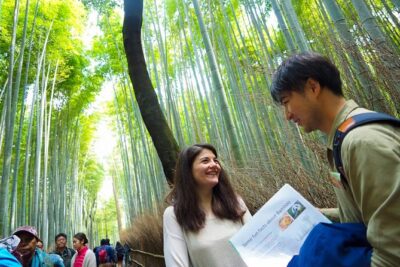
Kyoto Arashiyama Bamboo forest & Garden Half-Day Walking Tour
Read our review →
Authentic Kyoto Tea Ceremony: Camellia Flower Teahouse
Read our review →
Kyoto Kiyomizu Tea Ceremony with Scenic Garden Views
Read our review →
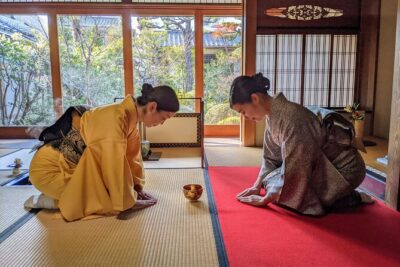
Stunning Private Tea Ceremony: Camellia Garden Teahouse
Read our review →Browse the lists this tour appears in