
Review · KYOTO
Kyoto: Shakyo & Matcha in Historic Temple Garden
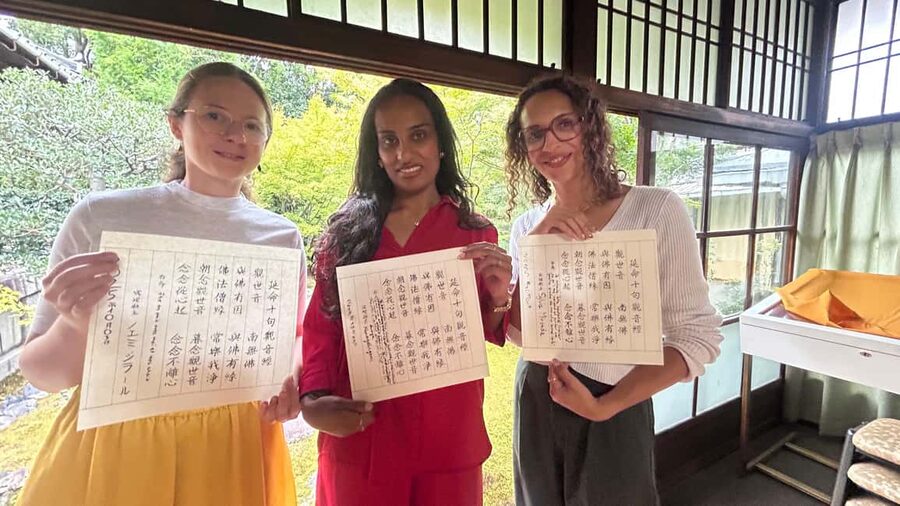
The most unusual part of this Kyoto outing is shakyo, the careful copying of a Buddhist sutra with brush and ink inside a quiet temple setting. Birds, incense, and a garden view replace the usual sightseeing rush. It is less about checking off a monument and more about giving your mind a single, simple task.
I like the calm pace and the small group of no more than 10 people. I also like the honest pairing of two Japanese traditions: focused sutra writing first, then matcha and seasonal wagashi while looking into a finely designed temple garden. The main consideration is comfort. The session can last 60 to 90 minutes, and you need to sit quietly, so this is not a good choice for young children or anyone who struggles with floor sitting.
Key points to know before booking
- Sutras, brushes, paper, and ink are provided, so you do not need any calligraphy experience or equipment.
- Sennyu-ji is reached by a 15-minute walk from Tofukuji Station, followed by the same walk back.
- Shakyo usually takes 60 to 90 minutes, depending on your writing speed.
- Matcha comes with seasonal wagashi, making the tea break part of the cultural experience rather than a quick refreshment stop.
- The group is limited to 10 people, with an English-speaking guide and a separate entrance for the activity.
- This suits adults seeking quiet reflection, not families with children under 10 or people using wheelchairs.
Why shakyo changes the way you see Kyoto
Kyoto offers no shortage of temples, gardens, and guided walks. The trouble is that you can move through too many of them on autopilot. Shakyo slows you down by asking you to copy a Buddhist sutra one character at a time.
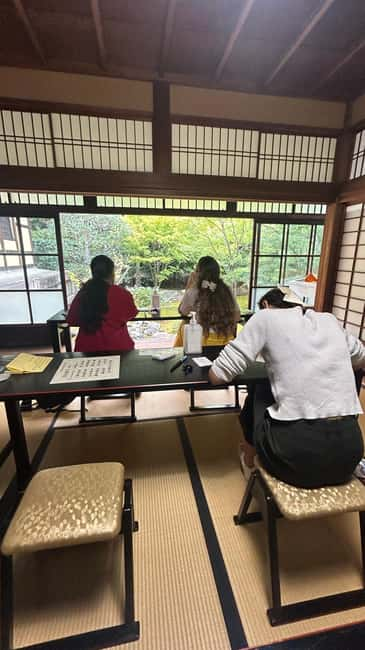
You work with brush, paper, and ink in a peaceful room. The exact writing speed is up to you, and the session generally lasts between 60 and 90 minutes. That time matters. You are not racing through a short demonstration or taking a quick photo before moving on. The act of writing gives you a reason to notice the room, the quiet, and your own pace.
You do not need prior calligraphy knowledge. The materials are supplied, and the guide introduces the cultural meaning of the practice. Even if your handwriting is far from polished, the point is concentration, not artistic perfection.
I would think of this as a mindful cultural activity, not a formal religious ceremony that requires you to know Buddhist customs in advance. Still, the setting is sacred, so you should follow the guide’s instructions and keep your behavior respectful. Photography may be restricted in some temple areas, which is a small price for preserving the atmosphere.
More Historical Tours in Kyoto:
- Aboriginal Heritage Walk – Royal Botanic Gardens Victoria, Melbourne Gardens
★ 5.0 · 314 reviews - Beijing Historical Tour II including Summer Palace, Lama Temple & Panda Garden
★ 4.0 · 187 reviews - Discover the Art of Ikebana in Tokyo’s Historic Yanaka District
★ 5.0 · 60 reviews
From Tofukuji Station to Sennyu-ji
You meet at the East Gate of Keihan’s Tofukuji Station. The guide can be found by the yellow fluorescent band on their bag, a useful detail at a busy station where several exits can look alike.
From there, you walk for about 15 minutes to Sennyu-ji. The walk is short by Kyoto sightseeing standards, but it is worth planning for. Wear comfortable shoes, and do not bring luggage or a large bag. The experience does not allow baby strollers, baby carriages, pets, or electric wheelchairs.
The walk gives you time to shift gears. You leave the station behind and head toward a historic temple setting, with the guide providing background along the way. The route is not described as a major hike, but people with mobility concerns should take the round trip seriously. The same 15-minute walk is required after the visit.
Sennyu-ji is designated as an Important Cultural Property, giving the visit weight beyond the shakyo session itself. You are not simply attending a craft class in a rented room. The activity takes place within a site tied to Kyoto’s Buddhist and cultural heritage.
Inside the temple: a quiet two-hour visit
The temple portion lasts about two hours, including the guided visit, shakyo, sightseeing, and time for the tea service. That may sound long for one activity, but the schedule works because it alternates between concentration, explanation, and looking.
Your guide explains the temple’s place in Kyoto and the Buddhist tradition connected with sutra copying. This context helps the practice make sense. Without it, writing unfamiliar characters could feel like a decorative exercise. With it, you understand why the act has been practiced for centuries and why stillness is part of the experience.
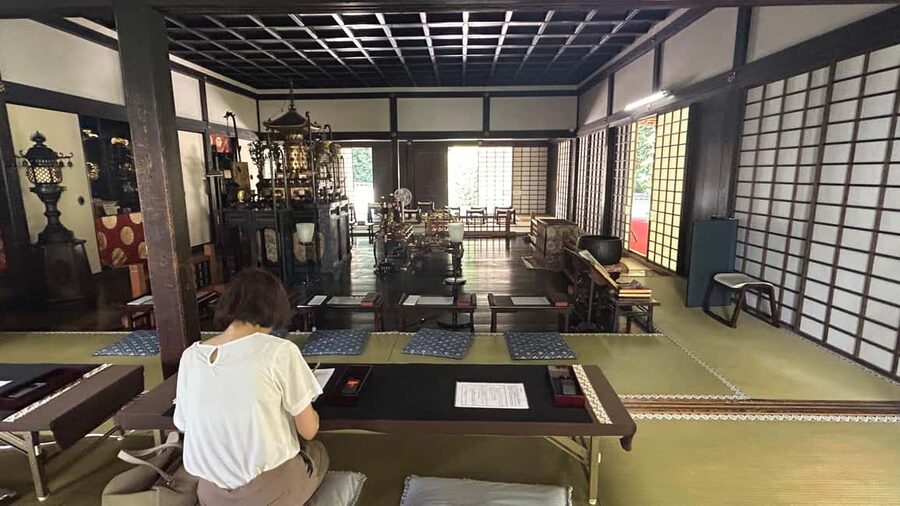
The setting is one of the strongest reasons to book. You can expect a cozy, peaceful space with incense in the air and natural sounds such as birdsong nearby. That does not mean absolute silence. A historic temple is a living place, and conditions can vary. But the design of the activity gives you far more quiet than most sightseeing stops.
The guide also leads you through areas of the temple and points out details connected with its history and cultural role. Since the group is capped at 10 people, asking questions should be easier than on a large bus tour. The small size also helps keep the writing room calm.
The shakyo session, step by step
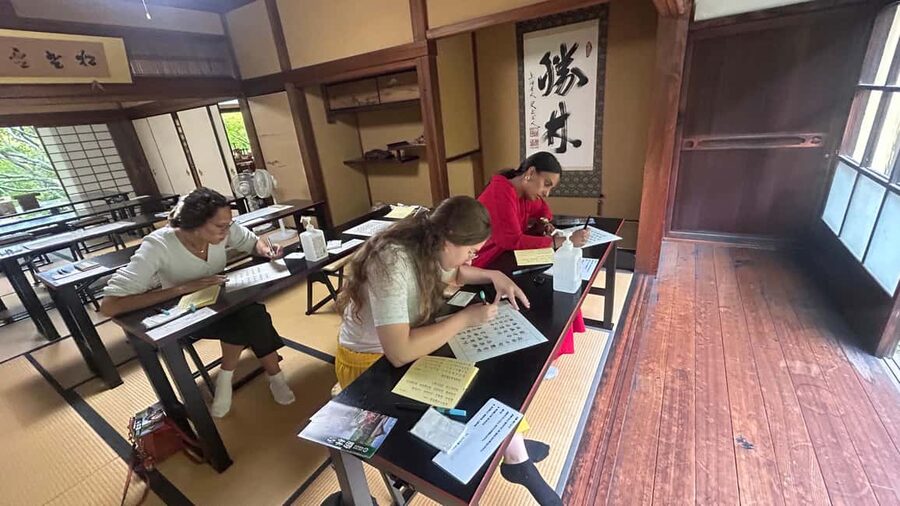
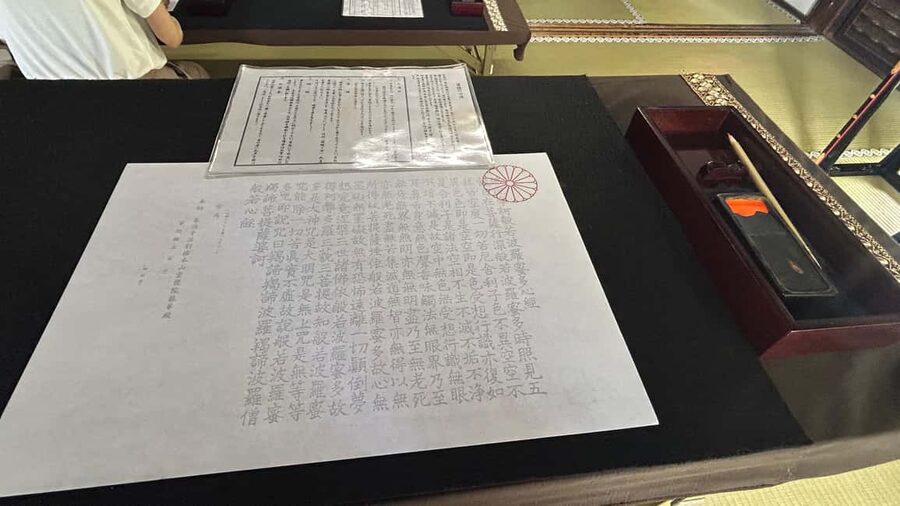
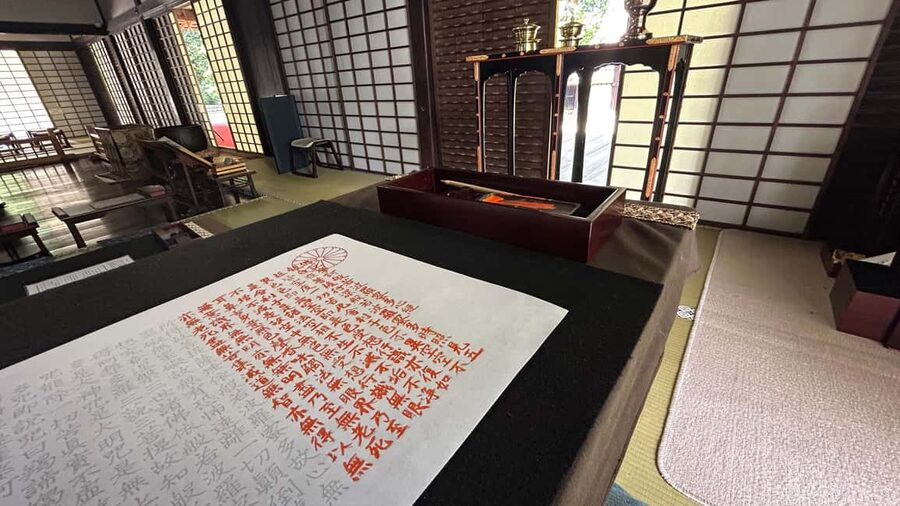
The practical side is simple. You receive the brush, paper, and ink, then follow the instructions for copying the sutra. The session usually takes 60 to 90 minutes, so you should avoid scheduling another fixed activity immediately afterward.
Your writing speed controls the pace. If you work carefully, expect to use much of the full time. If you write faster, the session may finish sooner, but this is not an activity to rush. The value comes from repeating the strokes and keeping your attention on the page.
Comfort matters more than fashion here. Wear clothes that allow you to sit quietly for an extended period. The activity is not suitable for children under 10, and it is not designed for wheelchair users or people with mobility impairments. The supplied information does not specify the exact seating arrangement, so anyone with concerns about floor sitting should ask before booking.
You should also prepare for limited photography inside certain temple spaces. This is a place where putting your phone away can improve the experience. You will have time to look around before or after the writing, but do not expect to photograph every part of the visit.
A few more garden visits around Kyoto worth a look
- Kyoto Zen Meditation & Garden Tour at a Zen Temple with Lunch
★ 5.0 · 441 reviews - Kyoto Arashiyama Bamboo forest & Garden Half-Day Walking Tour
★ 5.0 · 413 reviews - Kyoto: Zen Garden, Zen Mind (Private)
★ 5.0 · 126 reviews - Kyoto Kiyomizu Tea Ceremony with Scenic Garden Views
★ 5.0 · 101 reviews
Matcha, wagashi, and the garden view
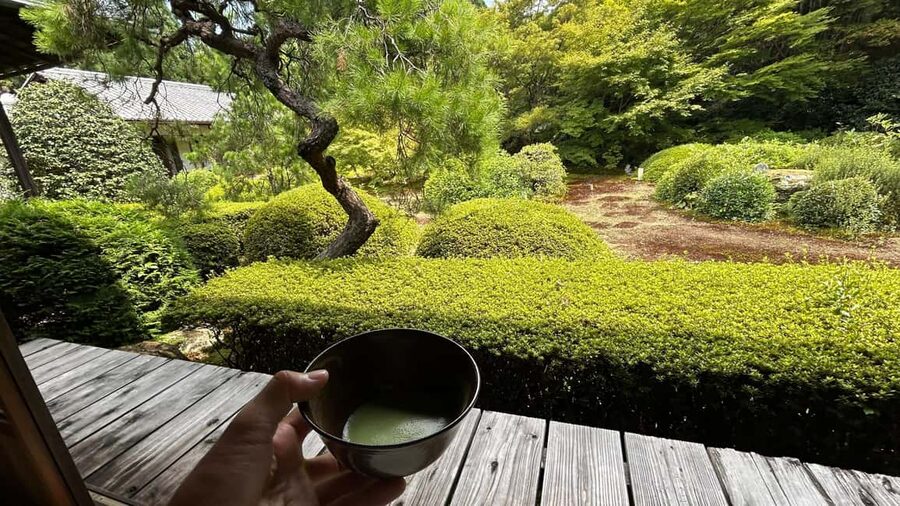
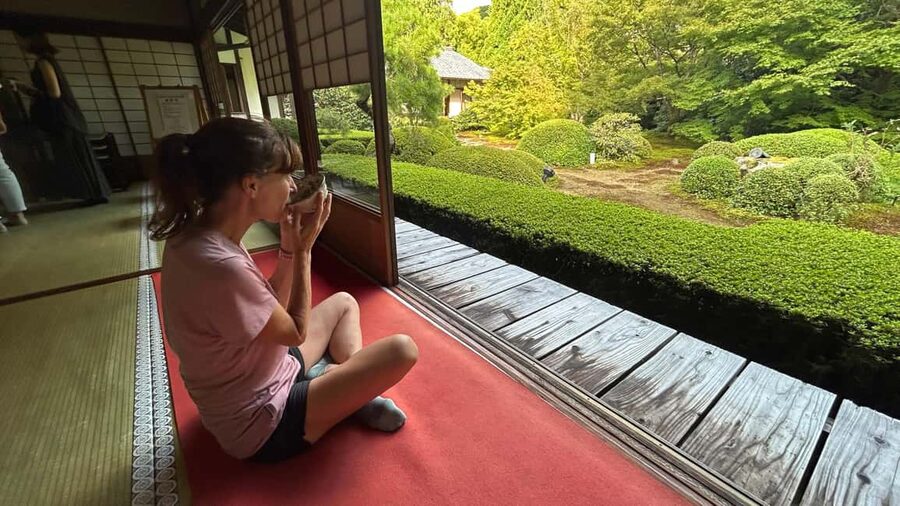
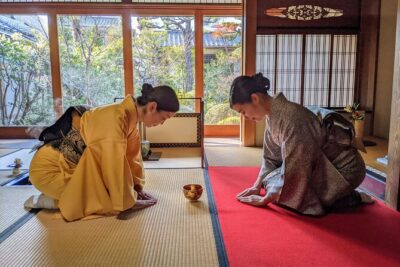
After shakyo, the mood shifts from concentration to quiet enjoyment. You receive freshly prepared matcha and seasonal wagashi, the small Japanese sweets traditionally served with tea.
The sweetness of wagashi balances matcha’s bitter, grassy taste. The exact sweet can change with the season, so the pairing is part of the appeal. It is not a large meal, and you should not book this as a substitute for lunch. Think of it as a thoughtful refreshment and a chance to absorb what you have just done.
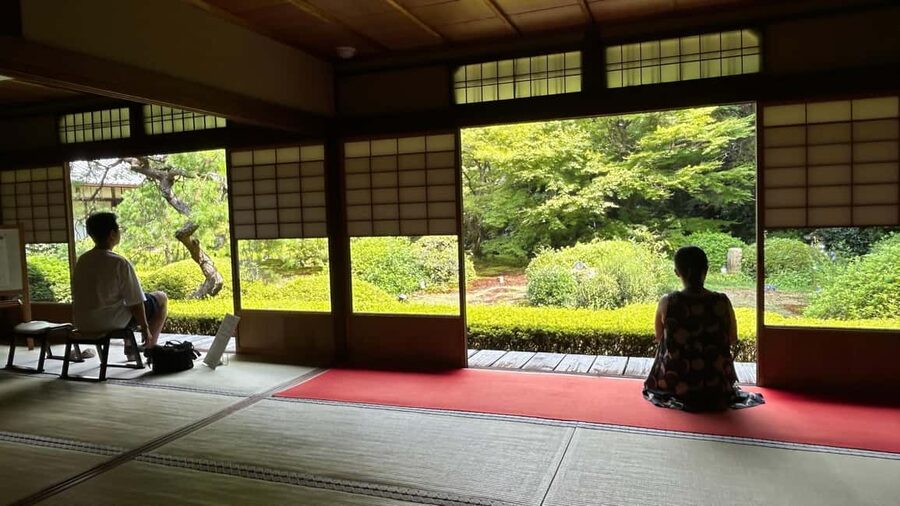
The garden view gives the tea service its setting. Japanese gardens are designed to guide the eye toward balance, shape, texture, and seasonal change. Here, the garden is not just background decoration. It gives you a visual focus after the intense attention required by shakyo.
I especially like this order. Tea first and sutra writing afterward would make the activity feel like a standard cultural workshop with refreshments. Writing first, then sitting with matcha, creates a natural release. You finish the demanding part, then look outward and let the pace soften.
The tea service may vary by season, so do not expect one identical sweet throughout the year. That small change keeps the offering tied to the calendar rather than turning it into a fixed tourist product.
What the guide adds to the visit
The tour is conducted in English, and the guide provides the cultural background that connects the separate parts. You learn about Kyoto, Buddhism, the temple, and the role of sutra copying. The guide also leads the walking route and manages the transition into the temple and tea service.
A particularly useful part of the experience is the chance to ask for help with the rest of your Kyoto day. The guide has been described as offering tips for planning afterward, which can be valuable when you are trying to connect this quiet morning or afternoon with other sights.
No guide’s name is provided for this experience, so you should not expect a named host in advance. The meeting marker is clear: look for the yellow fluorescent band on the guide’s bag at the East Gate of Keihan Tofukuji Station.
Is $35 a fair price?
At $35 per person, this is reasonably priced for a 150-minute small-group activity that includes temple admission, a guided visit, all shakyo materials, matcha, and wagashi. You are paying for more than a cup of tea and a short calligraphy lesson. The price also covers access to a historic temple setting and an English explanation of what you are doing.
The value depends on your travel style. If you prefer moving quickly between major sights, you may find 150 minutes devoted to writing too slow. You could visit a temple and buy tea for less, though you would not receive the same structured practice or cultural explanation.
If you are trying to add one meaningful, quiet activity to a packed Kyoto schedule, the price makes more sense. The group limit of 10 is another advantage. You are less likely to feel processed through a large commercial class, and the setting is central to the experience.
The reserve-now, pay-later option also helps if your Kyoto plans are still taking shape. You can cancel up to 24 hours ahead for a full refund, according to the booking conditions. Starting times vary, so check availability before arranging trains or other timed visits.
Who should book this experience?
I would recommend it most strongly to adults who want a cultural activity with a slow rhythm. It fits solo visitors, couples, and friends who like learning by doing rather than only listening to a guide.
It is also a good choice if your Kyoto plan is already crowded with temples and long walks. A session of quiet writing can give your day needed contrast. One participant described it as a way to slow down after an itinerary full of activity, and that is exactly where the experience makes the most sense.
You should think twice if you dislike sitting still, have limited mobility, or want a high-energy sightseeing tour. This is not a performance, a food tour, or a long list of monuments. The main event is sustained attention.
Families with children under 10 should choose another activity. The age restriction is clear, and the quiet format may not suit younger children even if they enjoy crafts. Wheelchair users and people with mobility impairments should also avoid booking, since the experience is not suitable for them.
Practical planning for the two-and-a-half hours
Allow the full 150 minutes, plus time to reach Tofukuji Station before the meeting. The schedule includes a 15-minute walk to Sennyu-ji and a 15-minute walk back, so the central temple portion is not the entire duration.
Arrive ready to sit quietly. Comfortable clothing is more useful than smart clothing, particularly if the shakyo session uses low or floor-level seating. Since large bags and luggage are not allowed, leave suitcases at your accommodation or another permitted storage point.
Keep your phone quiet and ask before taking photos. Temple rules can vary by area, and photography may be limited indoors. You will get more from the visit if you treat the restrictions as part of the setting rather than an inconvenience.
The activity is offered in English and uses a small group format. The four available ratings are all five-star, with praise focused on the guide’s calm manner, the peaceful setting, the garden, the matcha, and the historical explanations. Those strengths match the design of the activity: it is meant to leave you rested and more aware of Kyoto’s traditions.
Should you book Kyoto shakyo and matcha?
Book it if you want to slow down, sit with a brush, and experience a temple through attention rather than quick sightseeing. The combination of shakyo, matcha, wagashi, garden views, and an English-speaking guide gives you a clear cultural experience for $35.
Skip it if you need step-free access, cannot sit quietly for up to 90 minutes, are traveling with children under 10, or prefer a fast-moving tour. For the right visitor, this is one of the better ways to create breathing room in a busy Kyoto schedule. It gives you a quiet hour, a thoughtful tea break, and a stronger sense of why Buddhist practice remains part of the city’s cultural life.
FAQ
Where does the experience begin?
Meet your guide at the East Gate of Keihan Tofukuji Station. Look for a yellow fluorescent band on the guide’s bag.
How long does the activity last?
The experience lasts 150 minutes, or two and a half hours, including the walks to and from Sennyu-ji.
How long does shakyo take?
The sutra-copying session usually takes 60 to 90 minutes, depending on your writing speed.
Are shakyo materials included?
Yes. Brushes, paper, and ink are provided for the session.
Is matcha included?
Yes. The experience includes freshly prepared matcha green tea and seasonal wagashi.
What language is the tour conducted in?
The live tour guide speaks English.
Is the activity suitable for children?
No. It is not suitable for children under 10 years old.
Can wheelchair users join?
No. The experience is not suitable for wheelchair users or people with mobility impairments.
Just added around Kyoto
- Kyoto-Nara Adventures Private Tour With Hotel Pick Up★ 4.0 · 5 reviews
- Ikebana Traditional Japanese Art of Flower Arranging★ 4.5 · 19 reviews
- Traditional Japanese Flower Styling Workshop – Ikebana in Kyoto★ 5.0 · 10 reviews
- Stunning Private Tea Ceremony: Camellia Garden Teahouse★ 5.0 · 28 reviews
- Kyoto Hidden Treasures: Special Temple & Garden Access Tour★ 4.5 · 25 reviews
- Zen Garden Making and Matcha Tasting in Handmade Pottery Shop★ 3.5 · 2 reviews
- Guided Kyoto City Cherry Blossom One Day Private Tour★ 5.0 · 16 reviews
- Kyoto: Kinkaku-ji Temple & Serene Garden Guided Tour with Tickets★ 5.0 · 9 reviews
Kyoto Garden Tours, compared.
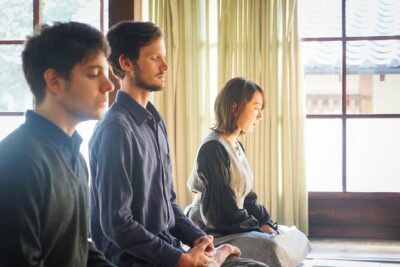
Kyoto Zen Meditation & Garden Tour at a Zen Temple with Lunch
Read our review →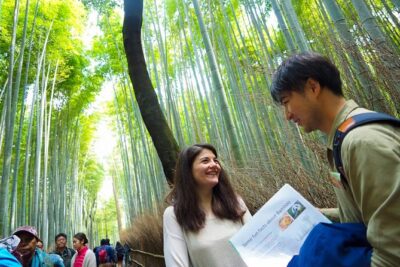
Kyoto Arashiyama Bamboo forest & Garden Half-Day Walking Tour
Read our review →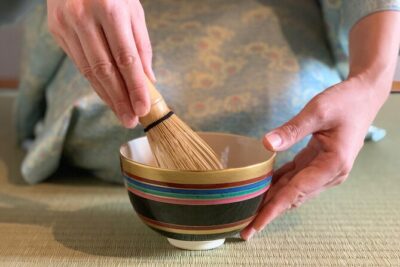
Authentic Kyoto Tea Ceremony: Camellia Flower Teahouse
Read our review →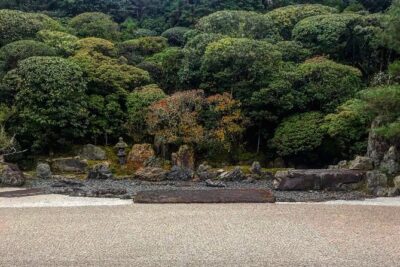
Kyoto Kiyomizu Tea Ceremony with Scenic Garden Views
Read our review →
Stunning Private Tea Ceremony: Camellia Garden Teahouse
Read our review →Browse the lists this tour appears in