
Review · KYOTO
Kyoto: Private Tea Ceremony with a Garden View
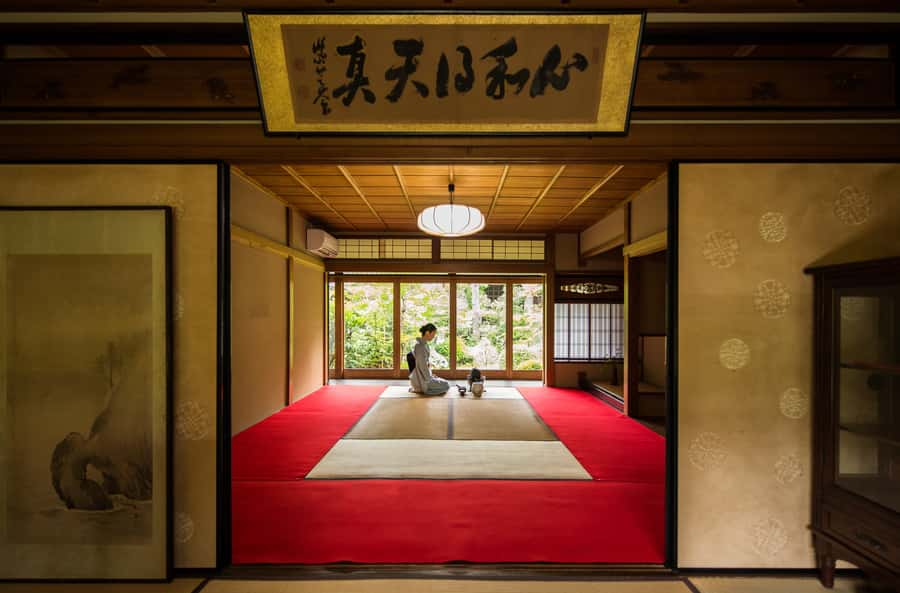
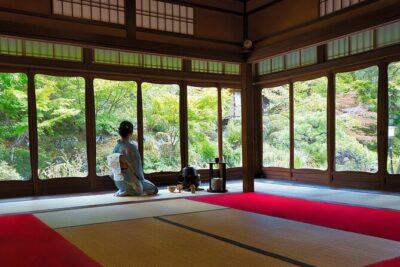
The best thing about this Kyoto tea ceremony is the setting: you have the house to yourself in a 100-year-old traditional property across from Ryoan-ji. You begin with sweets and conversation in a room facing one garden, then watch the ceremony in a tearoom with the main garden as its backdrop.
I like the calm, private format and the chance to make your own bowl of matcha instead of only watching. I also like the practical touches, including chairs and tables for anyone who cannot sit on the floor. The main drawback is the price: at $116 per person for one hour, this is not a casual budget stop, though the private house and personal instructor make it more substantial than a large group demonstration.
Key points at a glance
- A private house across from Ryoan-ji: The teahouse offers a quiet break from Kyoto’s busy sightseeing routes.
- Two garden views: You start in a sofa room overlooking the front garden, then move to the tearoom facing the main garden.
- Seasonal sweets from a renowned Kyoto confectioner: The sweets are vegan, gluten free, and nut free.
- You make your own matcha: After watching the host, you prepare your own bowl with the provided tools.
- English instruction and a private group: You can ask questions freely and take photographs, with flash turned off.
- Easy to pair with western Kyoto sights: Ryoan-ji, Ninna-ji, Kinkaku-ji, and Myoshin-ji are all nearby.
A quiet tea house beside Ryoan-ji
Kyoto offers plenty of tea experiences, but the setting changes the experience. Here, you do not meet in a busy shop or a large classroom. Camellia Garden is the first house on the right after a small path from the Ryoan-ji Mae bus stop, surrounded by a high wall on a residential street.
That location matters. You are close to one of Kyoto’s best-known Zen temples, yet the house gives you a short pause from temple crowds and city traffic. Once inside, the focus is on the room, the garden, the tea, and the instructor.
The property has a long connection with Ryoan-ji, which is directly across the road. The tea ceremony also helps preserve the traditional house, giving the visit a purpose beyond entertainment. You are taking part in a small cultural experience while helping keep an important Kyoto home in use.
The group is private, and the house is reserved for you during the session. That makes a real difference if you want to ask basic questions, take your time, or simply sit quietly without feeling watched by a room full of strangers.
More Private Garden Tours in Kyoto:
- Kyoto: Zen Garden, Zen Mind (Private)
★ 5.0 · 126 reviews - Stunning Private Tea Ceremony: Camellia Garden Teahouse
★ 5.0 · 28 reviews - Kyoto: Japanese Gardens Private Customizable Tour
★ 4.1 · 18 reviews
The first room: sweets, gardens, and tea culture
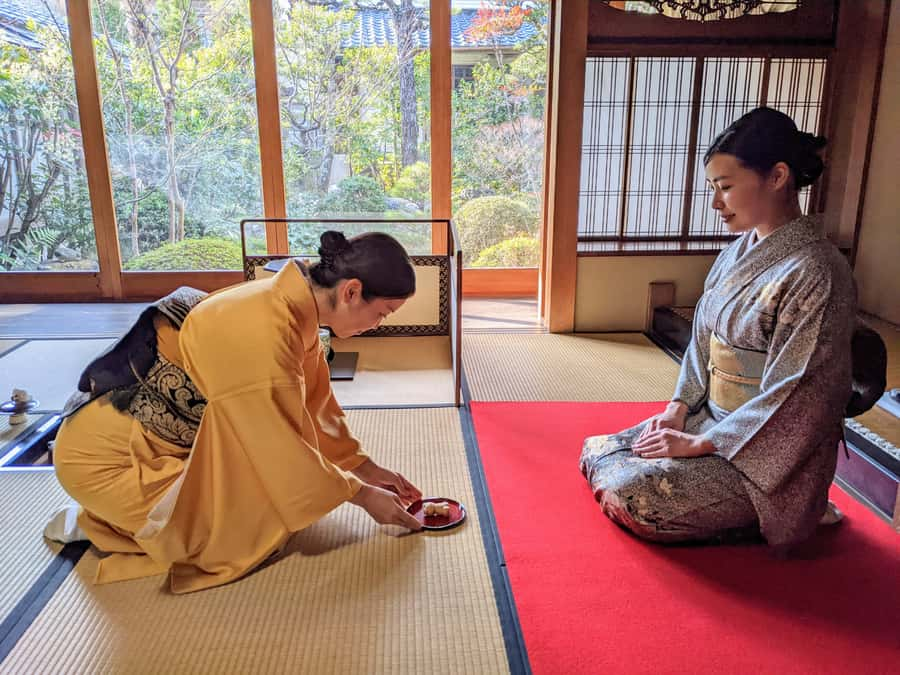
Your hour begins in a sofa room overlooking the front garden. The instructor gives you an introduction to the history and customs of Japanese tea before the ceremony starts.
This opening is useful because tea ceremony can seem formal and mysterious if you only watch the gestures. The explanation gives you a framework for what follows. You learn about matcha and the cultural meaning surrounding the ceremony, then see those ideas put into practice in the next room.
You are also served seasonal sweets made by one of Kyoto’s most respected confectioners. These are not an afterthought. In a tea ceremony, the sweet balances the bitter matcha, and seasonal presentation is part of the pleasure. The sweets are vegan, gluten free, and nut free, which makes this activity workable for many people with dietary restrictions.
The exact sweet changes with the season. That is part of the appeal, though it also means you should not expect one fixed menu. If you have other dietary needs, contact the provider before arriving rather than relying only on the general dietary information.
The sofa room is a practical choice for the introduction. You can settle in comfortably before moving into the more formal tearoom, and the front garden gives you something pleasant to look at while the instructor explains the basics.
Watching the ceremony beside the main garden
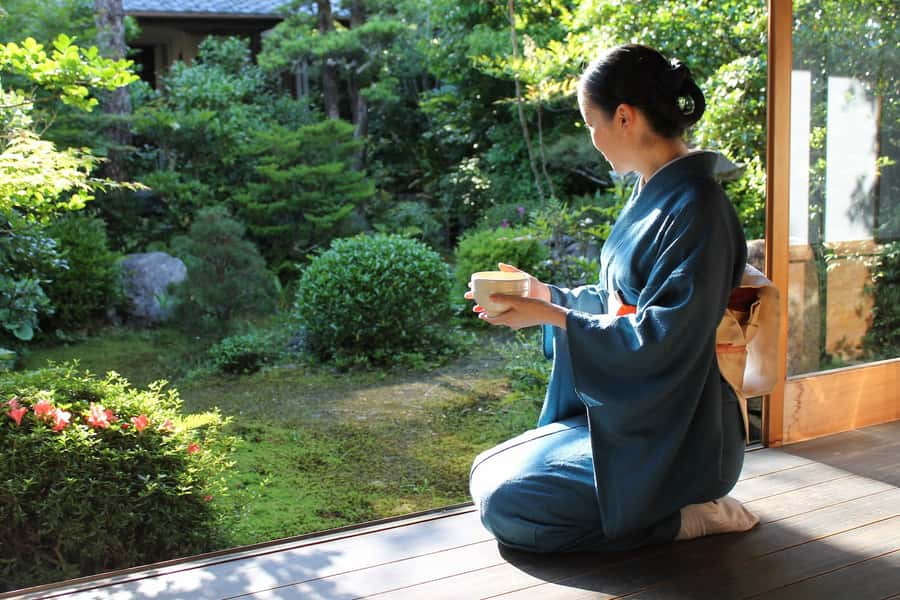
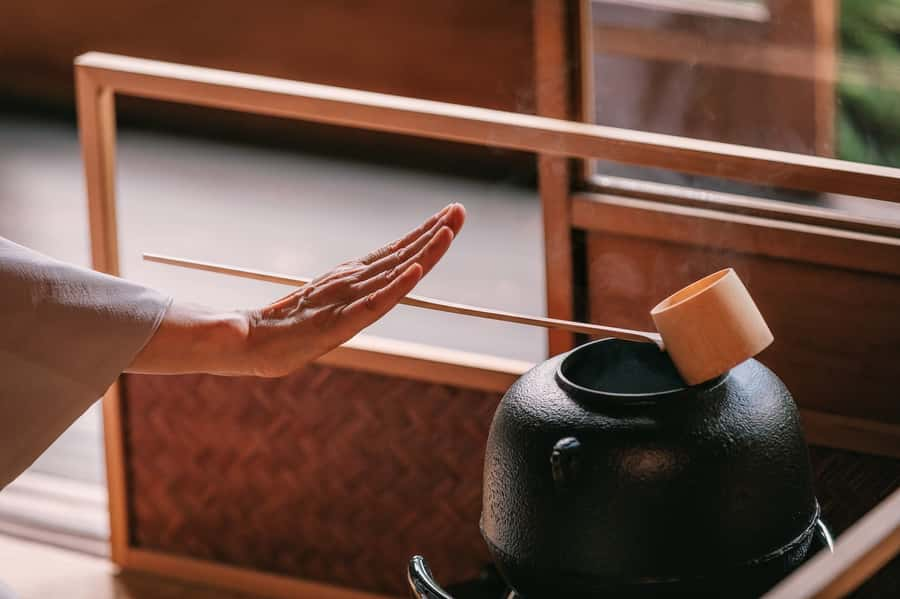
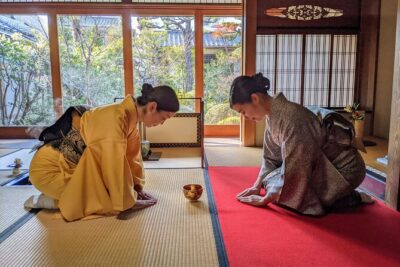
The second part takes place in the tearoom, where the main garden forms the backdrop. Your host prepares and serves the tea while you watch the careful sequence of movements.
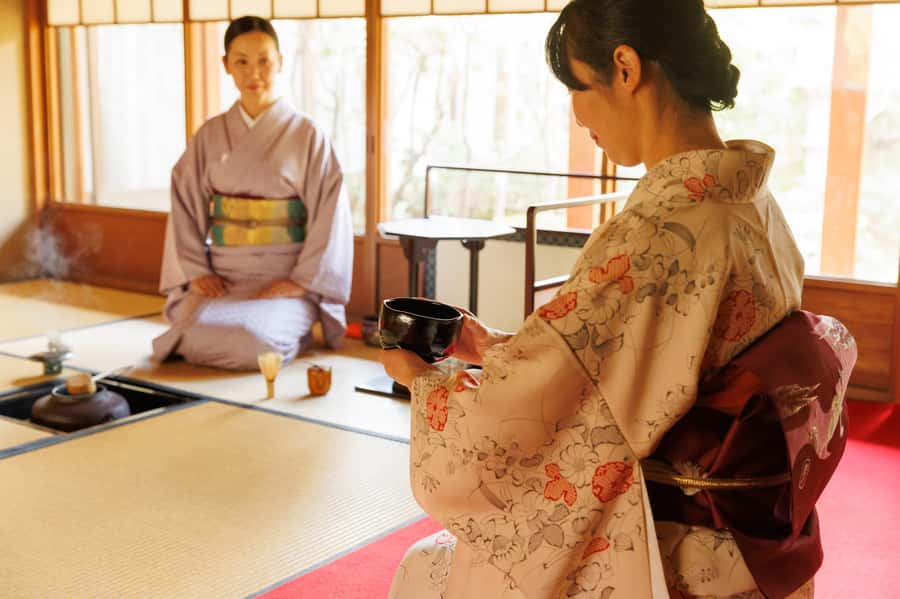
The ceremony is not presented as a stage show. Its appeal comes from the small details: the handling of the bowl, the tools, the whisking, the order of service, and the quiet pace. An English-speaking instructor explains what is happening, so you are not left guessing about the meaning of each step.
This is where the private format earns its keep. You can ask why a particular movement matters or how matcha differs from ordinary green tea. You can also take photographs throughout the experience, as long as you turn off the flash. Video recording is not allowed.
The ceremony itself is one hour from start to finish, so you should not expect a full-day study of tea culture. Instead, think of it as a focused introduction with enough room for context, observation, and hands-on practice. The timing works well before or after a temple visit.
Making your own bowl of matcha

After watching the host, you get your own turn. Everything needed to prepare the tea is provided, and the instructor guides you through making a bowl of matcha.
This hands-on part is the strongest reason to choose this experience over a simple tea demonstration. You do not just sit and watch someone else perform a polished ritual. You handle the tools, whisk the tea, and taste the result yourself.
Your bowl may not look as precise as the instructor’s, and that is fine. The value is in understanding how the drink is made and feeling the rhythm of the process. The activity is suitable for beginners because the instructor is there to explain each step and answer questions.
You also have time for photographs and further questions at the end. That makes the final part less hurried than many short cultural activities. If you are curious about Japanese customs, this is the moment to ask about what you have just seen.
A few more garden visits around Kyoto worth a look
- Kyoto Zen Meditation & Garden Tour at a Zen Temple with Lunch
★ 5.0 · 441 reviews - Kyoto Arashiyama Bamboo forest & Garden Half-Day Walking Tour
★ 5.0 · 413 reviews - Kyoto Kiyomizu Tea Ceremony with Scenic Garden Views
★ 5.0 · 101 reviews - Bamboo Grove Temple and Garden Views Tour
★ 5.0 · 41 reviews
Why the private format matters
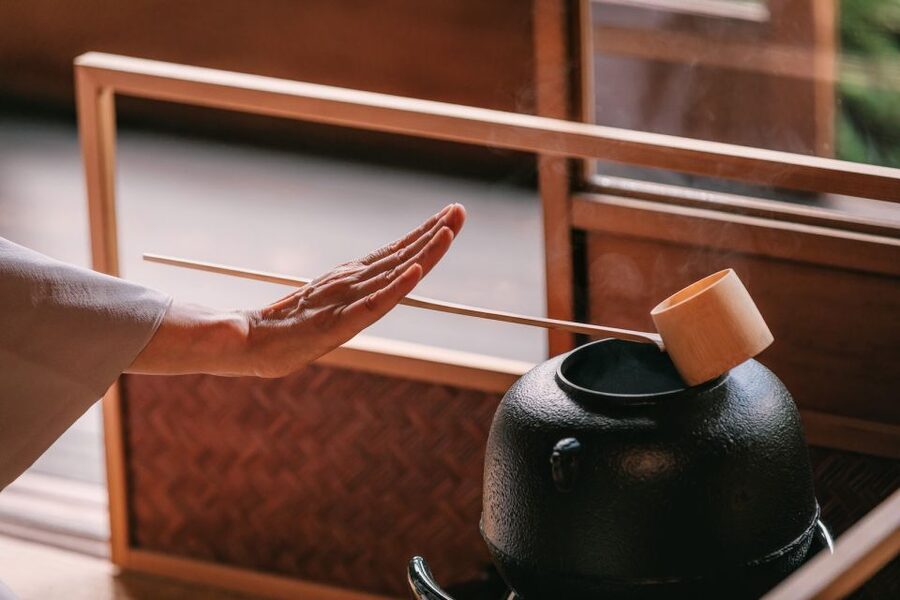
At $116 per person, the cost deserves an honest look. You are paying more than you would for a bowl of matcha at a café or for a large public demonstration. The price includes the private group, a personal instructor, seasonal sweets, matcha, equipment, and use of the house and gardens for the session.
The value depends on what you want. If you simply want to taste matcha, this is too expensive. If you want a quiet introduction to tea ceremony in a traditional home, with direct instruction and no larger audience, the price is easier to justify.
I especially like the fact that you have the entire house to yourself during the appointment. That creates privacy that is difficult to find in central Kyoto. It also means you can bring a translator or guide if needed. Guides and translators may join as an additional person at no extra charge.
The experience has received a 4.9 rating from 61 bookings, and the praise focuses on the same qualities that make the format appealing: clear cultural explanations, a kind host, a beautiful setting, and the chance to prepare matcha yourself. The most consistent strength is the feeling of peace rather than flashy presentation.
Getting to Camellia Garden
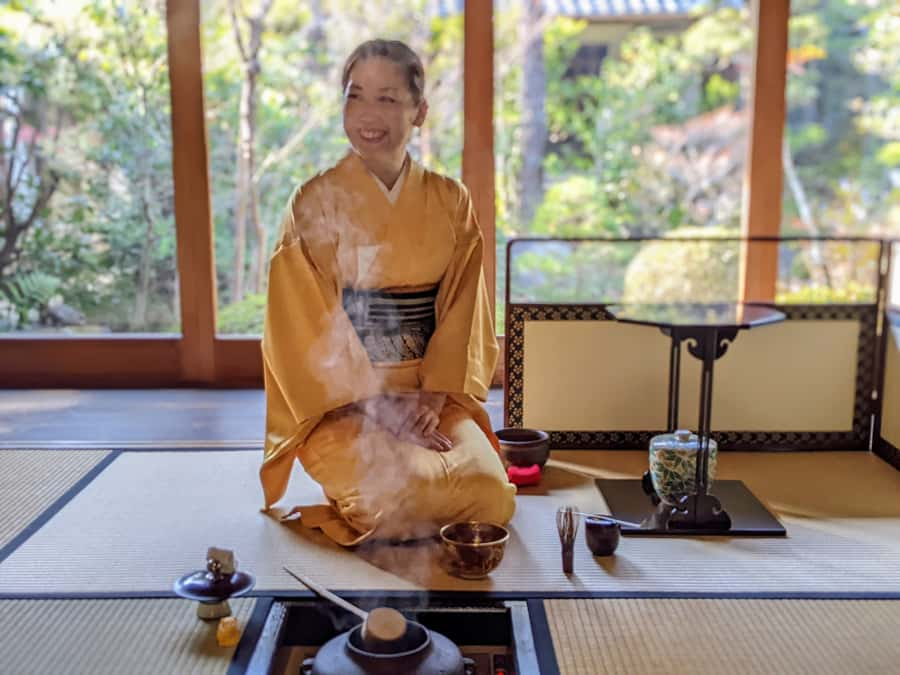
Camellia Garden is across the road from Ryoan-ji. By bus, use the Ryoan-ji Mae stop. From there, a small path leads slightly downhill to a residential street. The house is the first one on the right, behind a high wall.
The instructions are simple, but look carefully for the path and wall because this is a residential setting rather than a prominent storefront. You will not be walking into a large attraction entrance with obvious signs.
The house is also less than a 10-minute walk from Ryōanji-eki tram stop on the Keifuku Randen line. The Randen tram connects with Hakubaicho, useful for Kitano Tenmangu Shrine, as well as Arashiyama and Shijo Omiya near the western side of central Kyoto.
You can walk to several major sights from the teahouse. Ryoan-ji is the obvious pairing, while Ninna-ji and Kinkaku-ji, the Golden Pavilion, are also accessible on foot. Myoshin-ji, Kyoto’s largest Zen complex, is nearby as well.
That makes the tea ceremony particularly useful for a western Kyoto sightseeing day. You can visit a temple before the appointment, enjoy a quiet hour at Camellia Garden, then continue to another nearby site. Just allow enough time to arrive without rushing. The ceremony works best when you are ready to slow down.
One parking space is available for the duration of the tea ceremony. Public transport to the city center is within a short walk, and the provider can arrange a taxi if you ask upon arrival.
Comfort, access, and small practical details
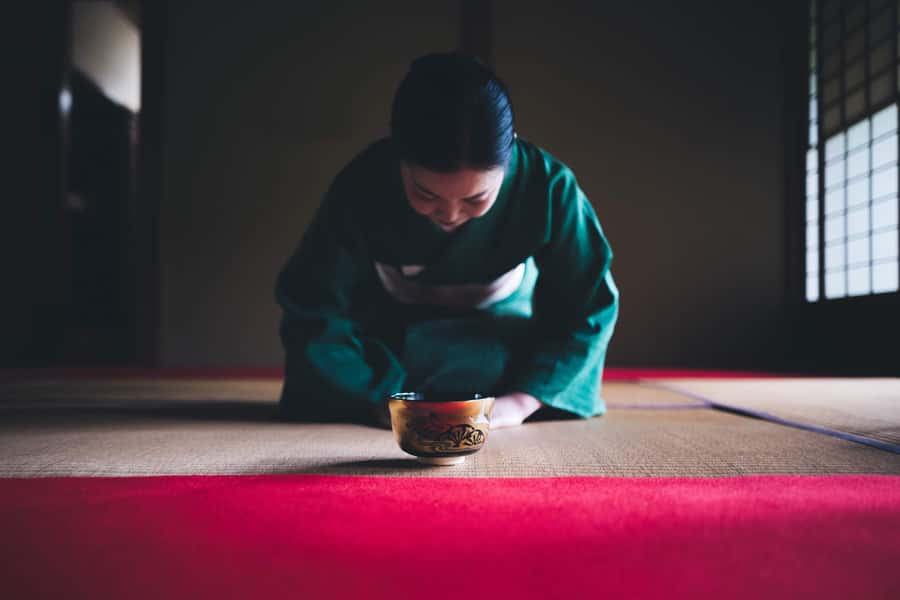
Traditional tea rooms often involve sitting on the floor, but this one has chairs and tables for people who find that difficult. That is an important detail, especially if knee or hip problems would make a floor-based ceremony uncomfortable.
The teahouse is wheelchair accessible, and a toilet is available. If you have specific mobility or access needs, contact the provider before your visit so the arrangement is ready.
You do not need to rent or wear a kimono. Kimono is not included, and ordinary clothing is appropriate. The activity includes matcha, sweets, the tea-making equipment, and your instructor, but not transportation or a meal.
Since the whole session lasts one hour, do not plan it as a substitute for lunch. The sweets are a traditional accompaniment, not a full meal. Eat beforehand if you need something substantial.
The best time to fit it into your day
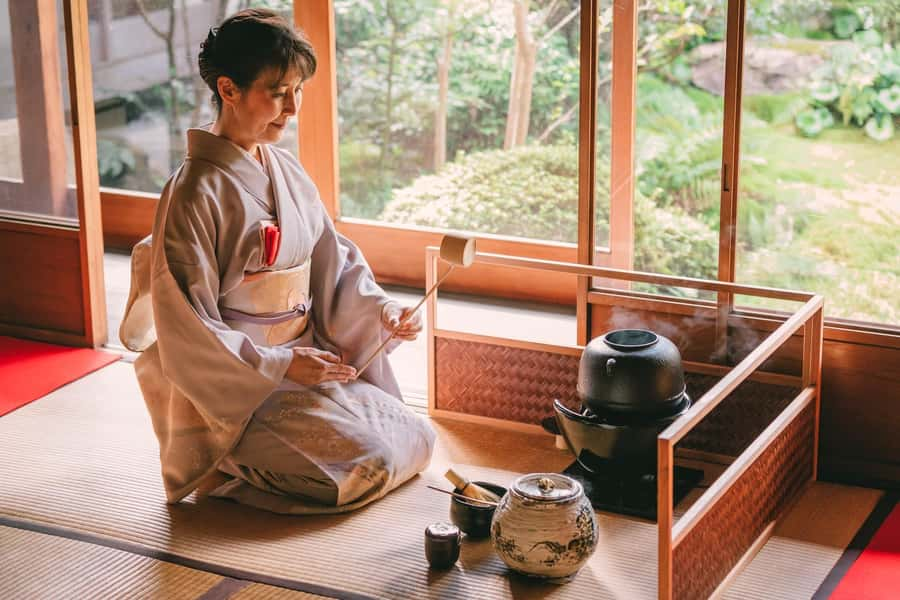
The tea ceremony is easiest to place between temple visits. Ryoan-ji is directly across the road, so you can visit the temple and then step into a quieter setting without crossing the city.
Ninna-ji, Kinkaku-ji, and Myoshin-ji give you other nearby options. You can build a western Kyoto day around the appointment instead of treating it as a separate trip. The Randen tram also makes the location useful if you are heading toward Arashiyama or returning toward the city center.
The one-hour duration is both a strength and a limitation. It is short enough for a busy itinerary and long enough to include an explanation, a served tea, sweets, a full demonstration, and your own preparation. If you want an extended tea-study session or a formal kimono package, this is not that.
For most visitors, the best reason to book is the contrast. Kyoto’s famous temples can be crowded and visually demanding. This hour gives you a slower, more personal encounter with Japanese culture in a real house.
Who will enjoy this most
I would recommend this experience to you if you want:
- A private activity rather than a large class
- A clear English explanation of tea ceremony customs
- A traditional setting close to major western Kyoto temples
- A hands-on activity where you make your own matcha
- A calm break in the middle of a busy sightseeing day
- An accessible tea room with chairs and wheelchair access
- Seasonal sweets that are vegan, gluten free, and nut free
It also suits first-time visitors who may feel unsure about tea ceremony etiquette. The instructor guides you through the process, and the private setting makes it easier to ask questions without worrying about holding up a group.
Families and mixed-age groups may appreciate the short format and hands-on element, though the supplied information does not give a minimum age. If you are booking for children, confirm age requirements before paying.
This is less suitable if you want a low-cost food stop, a long cultural workshop, or a kimono photo session. Kimono is not part of the activity, and the ceremony lasts only one hour.
Should you book the Kyoto private tea ceremony?
Book it if you value privacy, setting, and personal instruction more than a low price. The house across from Ryoan-ji, the two garden views, the seasonal sweets, and the chance to make matcha yourself create a polished one-hour introduction to Kyoto tea culture.
Skip it if you only want to sample matcha or if $116 feels too high for a short activity. You can find cheaper tea in Kyoto. What you cannot easily find is this combination of a private 100-year-old house, an English-speaking instructor, a garden-facing tearoom, and a completely private appointment.
For a temple-focused day in western Kyoto, I think the location and calm atmosphere make the experience worth serious consideration. It gives you something the temples cannot: a personal look at a living tradition, with enough explanation to understand what you are seeing and enough practice to take part yourself.
FAQ
How long does the tea ceremony last?
The experience lasts one hour.
Is the experience private?
Yes. It is offered as a private group, and you have the house completely to yourself during the appointment.
Is the instruction in English?
Yes. The instructor speaks English.
Can I sit on a chair instead of the floor?
Yes. Chairs and tables are available for people who find sitting on the floor difficult.
Are the sweets suitable for vegan, gluten-free, and nut-free diets?
Yes. The sweets are vegan, gluten free, and nut free.
Can I take photographs during the ceremony?
Yes. Photography is allowed throughout the experience, but you must turn off the flash. Video recording is not allowed.
Just added around Kyoto
- Kyoto-Nara Adventures Private Tour With Hotel Pick Up★ 4.0 · 5 reviews
- Ikebana Traditional Japanese Art of Flower Arranging★ 4.5 · 19 reviews
- Traditional Japanese Flower Styling Workshop – Ikebana in Kyoto★ 5.0 · 10 reviews
- Stunning Private Tea Ceremony: Camellia Garden Teahouse★ 5.0 · 28 reviews
- Kyoto Hidden Treasures: Special Temple & Garden Access Tour★ 4.5 · 25 reviews
- Zen Garden Making and Matcha Tasting in Handmade Pottery Shop★ 3.5 · 2 reviews
- Guided Kyoto City Cherry Blossom One Day Private Tour★ 5.0 · 16 reviews
- Kyoto: Kinkaku-ji Temple & Serene Garden Guided Tour with Tickets★ 5.0 · 9 reviews
Kyoto Garden Tours, compared.
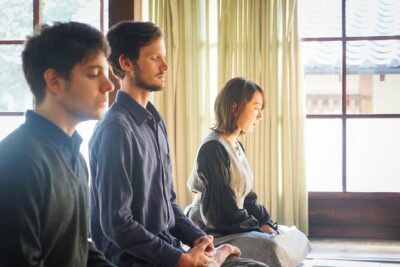
Kyoto Zen Meditation & Garden Tour at a Zen Temple with Lunch
Read our review →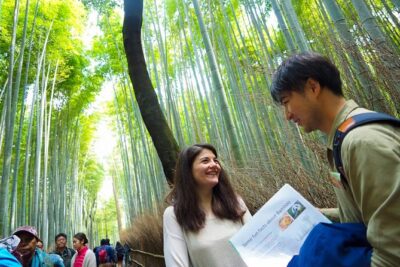
Kyoto Arashiyama Bamboo forest & Garden Half-Day Walking Tour
Read our review →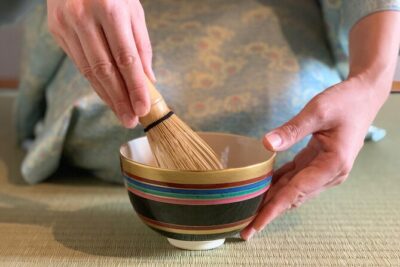
Authentic Kyoto Tea Ceremony: Camellia Flower Teahouse
Read our review →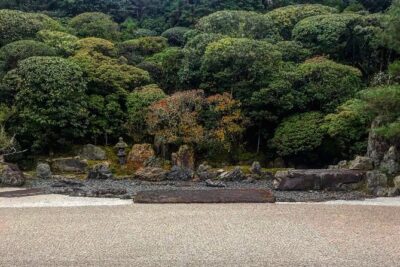
Kyoto Kiyomizu Tea Ceremony with Scenic Garden Views
Read our review →
Stunning Private Tea Ceremony: Camellia Garden Teahouse
Read our review →
Kyoto Hidden Treasures: Special Temple & Garden Access Tour
Read our review →Browse the lists this tour appears in