
Review · TOKYO
Licensed Guide Tokyo Meguro Cherry Blossom Walking Tour
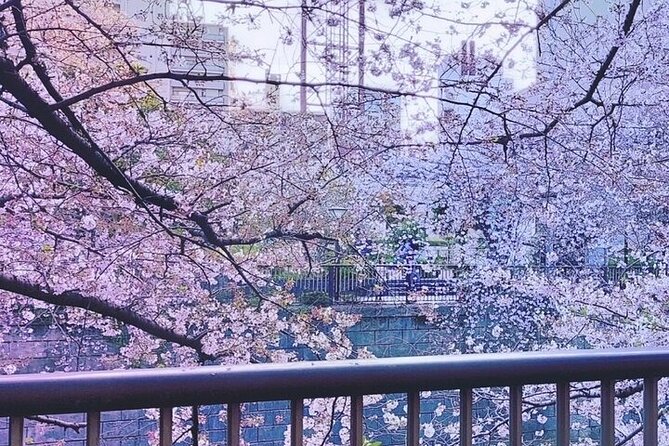
Meguro’s cherry trees are the main event here, lining the river in a way that turns an ordinary Tokyo walk into a classic spring scene. You also get Daienji Temple, tied to one of Edo’s worst fires, and Hotel Gajoen Tokyo, a lavish old dining and wedding complex.
I like the compact route and the mix of nature, temple history, and Showa-era architecture. I also like the practical finish at JR Meguro Station, which leaves you well placed to continue exploring. The catch is timing: outside late March and early April, the blossoms may not be out, and one recent departure had trouble connecting guide and participants at the meeting point.
Key points to know before booking
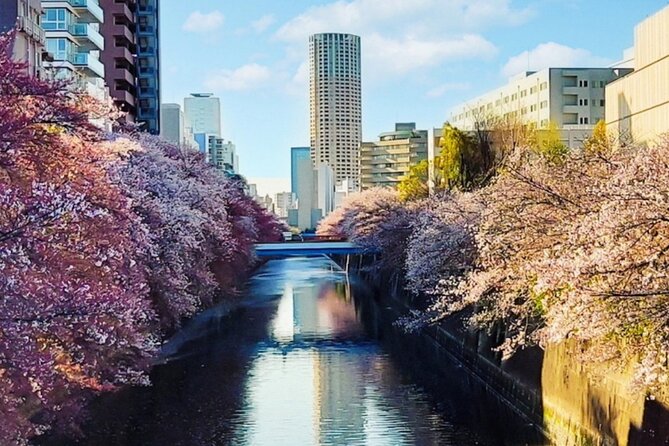
- Meguro River in spring: The walk follows one of Tokyo’s best-known cherry blossom routes, but peak flowers are usually limited to late March and early April.
- Daienji’s fire story: The temple is linked to the great Edo fire of the mid-18th century and was later rebuilt as a memorial.
- Gajoen’s unusual past: Opened in 1931, it was Japan’s first general wedding hall, as well as a restaurant serving Beijing and Japanese food.
- Short private format: The 90-minute English tour works well if you want a focused introduction rather than a full-day Tokyo outing.
- Meeting point matters: Look for the guide at Starbucks Coffee opposite Nakameguro Station, carrying the company brochure and licensed guide certificate.
- Weather and season affect the visit: Comfortable shoes are essential, and rain or early-season timing can change what you see.
Following the Meguro River from Nakameguro
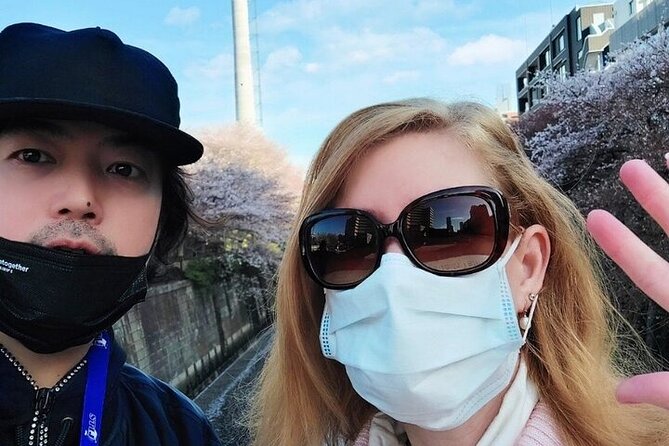
The tour begins at Starbucks Coffee, Nakameguro Tsutaya Books, opposite Nakameguro Station on the Hibiya Line. The coordinates provided are 35.644621, 139.6993005. That detail is useful because maps may not place you exactly at the intended entrance or meeting spot.
The guide is supposed to carry a company-logo brochure and a national government-licensed guide certificate. I would arrive early and confirm that you are at the Starbucks opposite the station, not simply somewhere in the wider Nakameguro area. One participant had difficulty finding the guide despite arriving on time, so this is the part of the tour where a little care pays off.
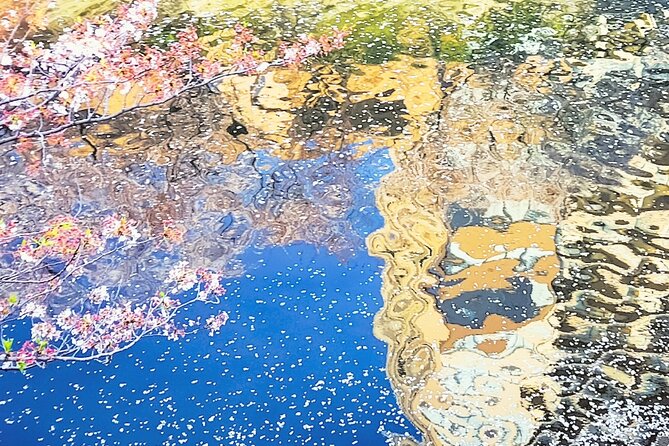
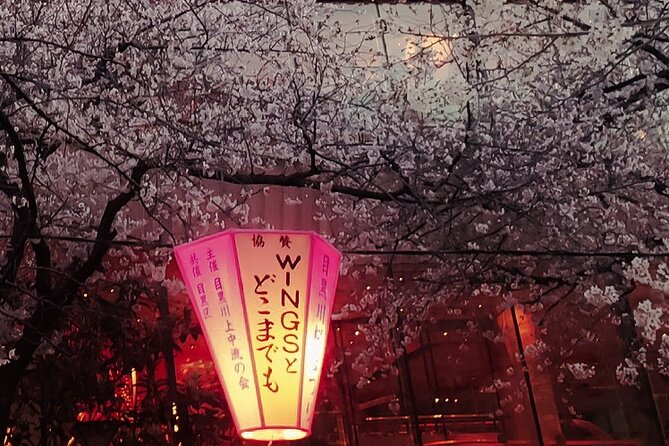
From there, you walk beside the Meguro River for about 45 minutes. The river is the visual heart of the experience. During the usual blossom window, branches of cherry trees frame the water and create the familiar pink-lined view that has made this part of Tokyo so popular.
The tour does not promise a special blossom guarantee, and the season is narrow. Late March to early April is the normal guide, but flowering dates shift. If you book outside that period, you should think of this as a river, temple, and architecture walk rather than a cherry blossom tour.
That distinction matters. A blossom walk is weather-dependent even during the right month. Rain can make the path less pleasant, and an early or late season may leave you with bare branches. One recent tour took place in driving rain, and the flowers were not yet open. The guide adjusted the visit by taking the group to a traditional house, which added cultural interest, but it was not the same as seeing the river in full bloom.
You should wear comfortable shoes. The route lasts only 90 minutes, but it is a walking tour rather than a sightseeing bus ride, and the river section takes roughly half the time.
More Cherry Blossom Tours in Japan
- Mt. Fuji, Cherry Blossom & Shiba Sakura Pvt. Day Tour
★ 5.0 · 326 reviews - Mt. Fuji & Hakone Cherry Blossom private One Day Tour
★ 4.5 · 35 reviews - Tokyo Cherry Blossoms blooming spots E-bike Tour, 3hrs
★ 5.0 · 27 reviews
Daienji and the memory of Edo’s great fire
After the river, the group visits Daienji. It is counted among the seven luckiest temples during the Edo era, which gives the stop a different feel from a simple photo break.
The temple is also tied to a grim event. In the middle of the 18th century, a fire began at Daienji and spread into Edo, turning much of the city into a sea of flames. The temple was not allowed to be rebuilt until the end of the Edo period. When it was finally reconstructed, it served as a memorial to those who died in the fire.
This is the sort of short historical stop that makes a neighborhood walk worthwhile. You are not only looking at a pretty temple. You are hearing how fire shaped old Tokyo and how authorities dealt with a site connected to a major disaster.
The information provided does not give a set amount of time at Daienji, so expect it to be one part of a moving route rather than a long temple visit. If you prefer several major temples with extended interior visits, this tour will feel light. If you like small places with a strong story, the stop adds useful context without taking over the morning or afternoon.
The guide is English-speaking and licensed by the national government. That should help with historical explanation, though the experience depends on the individual guide and the conditions on the day. One positive account described the guide as friendly and well informed, even though the rain and missing blossoms changed the outing.
Hotel Gajoen Tokyo and its Showa-era interiors
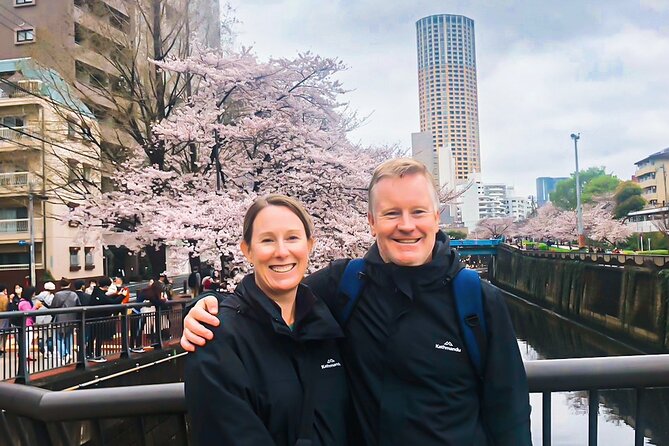
The final major sight is Hotel Gajoen Tokyo, reached after the temple. The schedule allows about 30 minutes for a guided visit, photo stop, and views along the way.
Gajoen opened in 1931 as a restaurant named after Meguro. It served authentic Beijing cuisine and Japanese food, and its menu prices were displayed openly. That may sound ordinary now, but it helped make the restaurant accessible to ordinary diners as well as politicians and wealthy patrons.
The building’s interiors are the real reason to pay attention. Their formal decoration earned Gajoen the nickname Ryukyu Castle in Showa. Four of its seven banquet halls were designated tangible cultural properties by the Tokyo Metropolitan Government in 2009.
That gives the stop a useful contrast with the river. The cherry trees offer seasonal beauty, Daienji offers Edo-era memory, and Gajoen shows the grand public culture of the Showa period. In less than an hour, the tour moves through three very different parts of Tokyo’s past.
Keep your expectations sensible. Gajoen is described as a guided stop and photo opportunity, not as a long museum visit or a guaranteed tour of every banquet hall. The information supplied says four halls have cultural-property status, but it does not promise access to all of them. Your guide can explain what you are seeing, while the exact interior experience may depend on access that day.
The 30-minute Gajoen section also makes the tour useful in bad blossom conditions. If the river is bare or wet, the architecture gives the walk another reason to exist. It cannot replace cherry blossom season, but it keeps the route from being only a search for flowers.
What the 90-minute format really gives you
At $22 per person, this is priced as a short introduction, not an all-day guided experience. The value comes from having a licensed English-speaking guide connect three sights that you could otherwise see separately: the Meguro River, Daienji, and Gajoen.
I think the price works best for a first visit to this area or for anyone who wants historical background without spending half a day on transport. The guide helps turn a pretty walk into a story about fires, food, weddings, architecture, and changing Tokyo neighborhoods.
The format is a private group, which may appeal if you want a more personal pace. The data does not specify the maximum group size, so do not assume this means an entirely one-to-one tour. It does mean the booking is organized as a private group rather than a standard open public departure.
The route begins at Nakameguro and ends at JR Meguro Station. That is a practical design. You do not need to return to the starting point, and you can continue your day from Meguro after saying goodbye.
The activity information also mentions a bus tour around Shinjuku and a show featuring cartwheeling samurai, breakdancing ghosts, and taiko drums. Those details do not match the stated 90-minute Meguro walking route, which begins at Nakameguro and ends at Meguro Station. I would not book this experience expecting a Shinjuku bus ride or theatrical show unless the operator confirms that those elements belong to your specific reservation. The clearly described experience is the river, Daienji, and Gajoen walk.
More Cherry Blossom Tours in Tokyo
- Cherry Blossom Private Tour
★ 4.5 · 18 reviews - Licensed Guide Tokyo Meguro Cherry Blossom Walking Tour
★ 4.5 · 13 reviews - Evening Hanami (Cherry Blossom) Experience with a Local
★ 3.5 · 10 reviews - Tokyo: Mt. Fuji & Hakone Cherry Blossoms Private Day Tour
★ 3.5 · 9 reviews
Meeting, weather, and timing advice
The meeting point deserves more attention than usual. You are told to meet at Starbucks opposite Nakameguro Station on the Metro Hibiya Line. The guide should have the company-logo brochure and licensed guide certificate, but the information does not provide a guide’s personal name or phone number.
I would save the coordinates before leaving your hotel and allow extra time to locate the correct Starbucks. Do not rely only on a broad search for Nakameguro Station. A map once failed to lead a participant directly to the meeting place, and another departure ended without the group finding the guide. Those problems are avoidable in part if you arrive early and check the station side carefully, but they are still a real concern.
The activity offers free cancellation up to 24 hours before departure and lets you reserve now and pay later. That flexibility is useful because blossom timing and weather are uncertain. It does not remove the need to confirm the meeting place or to arrive on time.
The tour is offered in English. Comfortable shoes are the only stated item to bring, but an umbrella or rain protection would be sensible during blossom season. The route is outdoors for much of its length, and wet weather can change the mood and the views.
The listed exclusions are children under three, babies under one, people with altitude sickness, and people over 95. The altitude restriction is unusual for a low-level Tokyo walk, but it is part of the stated conditions. If any of those restrictions apply to you, ask the provider before reserving.
Who will enjoy this Meguro walk
I would recommend this outing to you if you want a short, guided look at a part of Tokyo that combines scenery with local history. It suits first-time visitors who want help understanding what they are seeing, couples looking for a spring walk, and photographers who are visiting during the blossom window.
It also fits a busy itinerary. Ninety minutes is long enough to make the neighborhood meaningful, but short enough to leave room for another Tokyo sight. The finish at Meguro Station makes it easy to carry on with your day.
You should think twice if your main goal is guaranteed peak cherry blossom viewing. No tour can control the flowers, and the route may be rainy or early in the season. You should also be cautious if you dislike uncertain meeting arrangements or expect the guide to include the separate Shinjuku bus and theatrical show details.
The route is less suitable for anyone who wants a major temple complex, a long architectural tour, or a full day of sightseeing. Its strength is the compact sequence and the guide’s explanation, not the number of attractions.
Should you book the Licensed Guide Tokyo Meguro Cherry Blossom Walking Tour?
Book it if you will be in Tokyo during the likely blossom period, want a 90-minute private-group walk, and value context as much as photographs. At $22, the combination of a licensed English guide, river views, Daienji, and Gajoen is fair value.
I would reserve with two safeguards: confirm the meeting point directly and check the expected blossom timing. If flowers are not open, the experience can still work because Daienji and Gajoen carry the route, but you should not pay for it expecting a guaranteed pink river.
For the right visitor, this is a tidy, affordable introduction to Meguro. For someone chasing peak blossoms above all else, it is better treated as a weather-sensitive option rather than a sure thing.
FAQ

Where does the tour start?
It starts at Starbucks Coffee, Nakameguro Tsutaya Books, opposite Nakameguro Station on the Metro Hibiya Line. The listed coordinates are 35.644621, 139.6993005.
Where does the tour end?
The tour ends at JR Meguro Station.
How long does the walking tour last?
The tour lasts 90 minutes. About 45 minutes are allocated to the Meguro River, and about 30 minutes to Hotel Gajoen Tokyo, with Daienji included along the route.
When can I see the cherry blossoms?
The usual cherry blossom season for this experience is between late March and early April. The flowers may not be open if you visit outside the peak period or during an early season.
Is the tour offered in English?
Yes. The activity includes a live English-speaking guide who is described as a national government-licensed guide.
What should I bring?
Bring comfortable shoes. The tour is a walking experience, and much of it takes place outdoors.
Can I cancel the booking?
Yes. You can cancel up to 24 hours in advance for a full refund. The activity also offers a reserve-now, pay-later option.
More Garden Walks in Tokyo
- Imperial Palace East Garden and Edo Castle Walking Tour in Tokyo
★ 5.0 · 510 reviews - Tokyo: Imperial Palace East Gardens Walking Tour
★ 4.8 · 353 reviews - Tsukiji Food Strolling and Hama Rikyu Garden Walking Tour
★ 5.0 · 7 reviews - Sumida Riverside Walk: Garden &Temple Ritual (4 Meeting Points)
★ 5.0 · 5 reviews
Just added around Tokyo
- Tsumami Zaiku Japanese Fabric Flower Class★ 5.0 · 3 reviews
- Tokyo: Serene Sakura & Sake: An Exclusive Brewery Pairing Lunch★ 5.0 · 2 reviews
- Tsukiji Food Strolling and Hama Rikyu Garden Walking Tour★ 5.0 · 7 reviews
- Private tour – Scenic Fuji Escape: Hakone, Peace Park & More★ 5.0 · 4 reviews
- Tokyo Cherry Blossom Half Day Walking Tour with a Local Guide★ 3.5 · 4 reviews
- TOKYO: Tailored Gardens tour with Pro Gardener by E-bike -BASIC★ 5.0 · 2 reviews
- Cherry Blossom Highlights, Asakusa, Ueno, Imperial Palace Garden★ 4.5 · 4 reviews
- Japan’s Customs of Ikebana Art, Tea Ceremony & Kimono Welcome★ 5.0 · 2 reviews
Tokyo Garden Tours, compared.
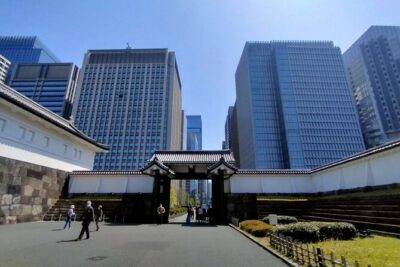
Imperial Palace East Garden and Edo Castle Walking Tour in Tokyo
Read our review →
Edo Castle & East Garden of the Imperial Palace Tour
Read our review →
Tokyo Private Tour! Edo Castle & Imperial Palace East Gardens
Read our review →
Mount Fuji & Lake Kawaguchiko Private Tour: Beyond the Ordinary
Read our review →
Rainbow Bridge Day Cruise Show and Only Soft Drinks
Read our review →
Tsukiji Market and Hama-rikyu Gardens Guided Tour
Read our review →Browse the lists this tour appears in