
Review · KYOTO
Kyoto: Premium Ikebana Workshop with Vase Souvenir
Kyoto’s ikebana class gives you more than a pretty flower arrangement. Under the careful direction of Hanako, you learn why each stem is placed where it is, then create a basic Ohara School arrangement of your own. I like the small group of no more than five, which should give you real time with the instructor, and I like that the vase and kenzan go home with you rather than ending up in a hotel bin. The finished arrangement is delivered to your accommodation, so you can keep sightseeing without carrying it.
The main consideration is price. At $96 per person, this is not a quick craft stop, but the fee includes fresh flowers, tools, a textbook, refreshments, the vase and kenzan, delivery, and follow-up feedback by WhatsApp. It is best suited to someone who wants a proper introduction to ikebana, not simply a souvenir-making activity.
Key points at a glance
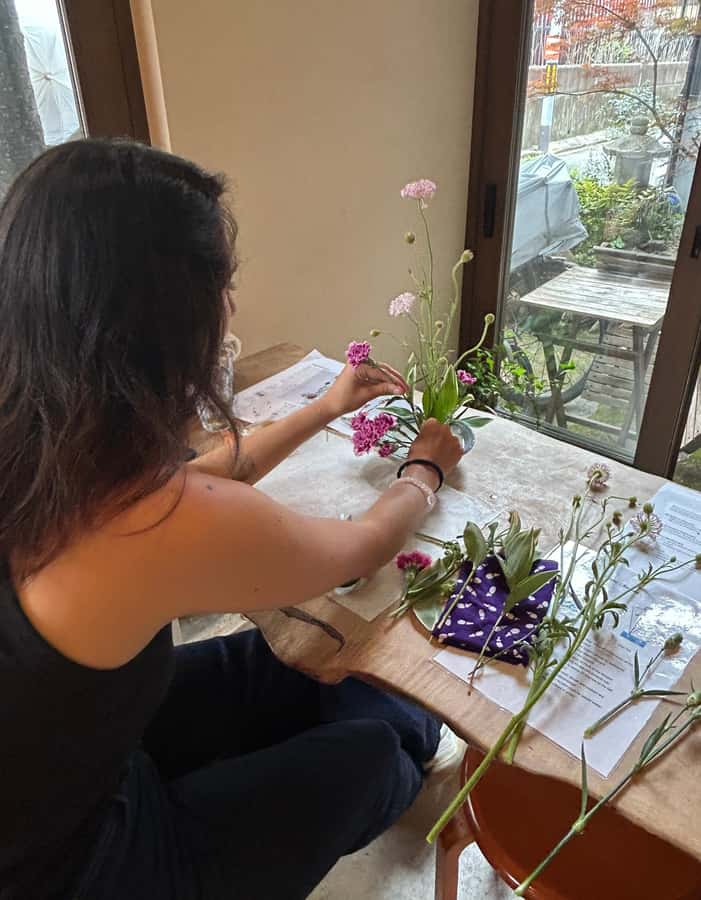
- Learn the Ohara School method: Hanako teaches the rules, composition, and etiquette behind a basic ikebana arrangement.
- Work with seasonal flowers: Your arrangement uses fresh flowers supplied for the class.
- Keep the useful souvenirs: The vase and kenzan, or flower frog, are yours to take home.
- Enjoy a five-person maximum: The small class size allows for individual guidance.
- Travel light after class: Hanako delivers your finished arrangement to your accommodation.
- Bring older children: Children aged 10 and above may attend with an accompanying adult.
Why this Kyoto ikebana class feels different
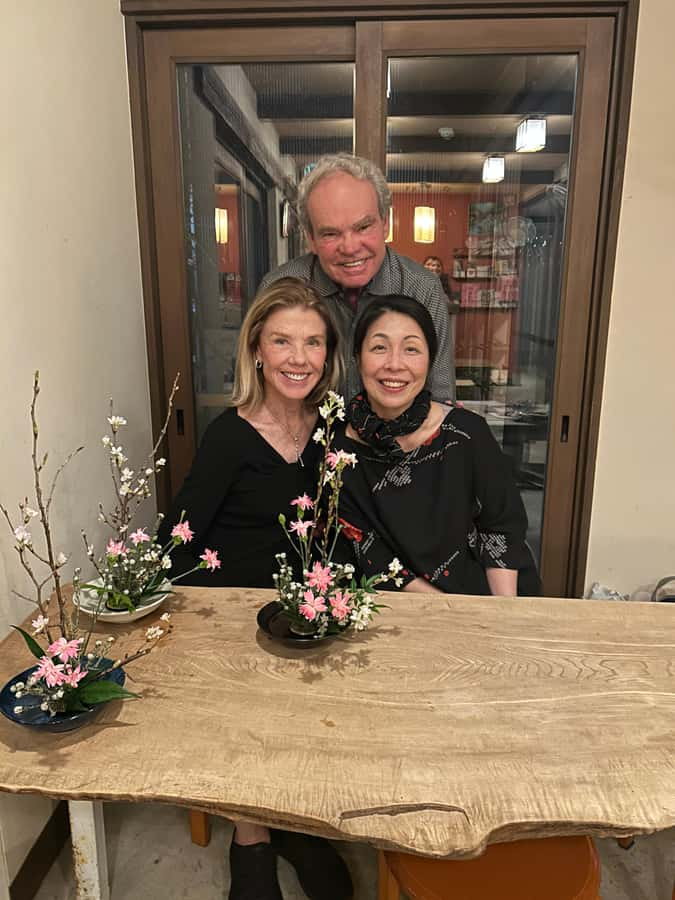
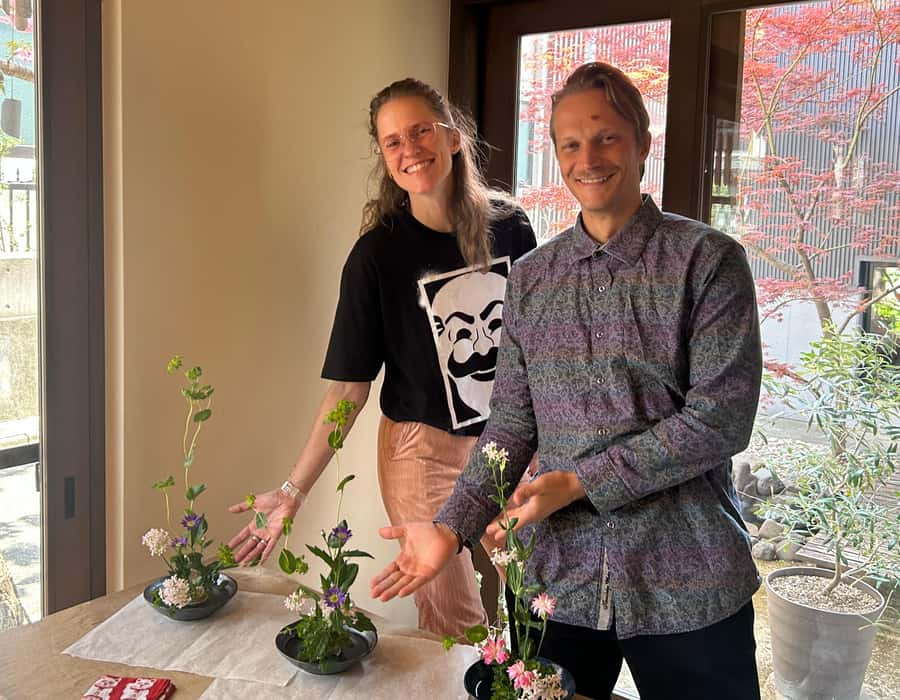
Many craft activities give you a finished object and a pleasant hour. This one asks you to pay attention to space, line, balance, and the natural shape of each flower. That makes the experience feel closer to a short cultural lesson than a standard make-and-take workshop.
Ikebana is not simply putting flowers in a vase. The Ohara School, one of Japan’s three major ikebana schools, gives students a set of principles to follow. You learn the basic rules and etiquette before arranging anything, which helps explain why the final design looks deliberate rather than random.
I like that the class keeps the focus narrow. In 90 minutes, you are not expected to master a major art form. You learn a beginner arrangement, receive guidance from Hanako, and leave with enough understanding to continue experimenting at home.
The mood also matters. The class takes place in a peaceful setting, with time for quiet concentration and creative work. If your Kyoto schedule has been full of temples, trains, and crowded streets, this offers a slower change of pace without requiring a full day.
A few more garden visits around Kyoto worth a look
- Traditional Japanese Flower Styling Workshop – Ikebana in Kyoto
★ 5.0 · 10 reviews - Ikebana Floral Design Workshop in Kyoto
★ 5.0 · 6 reviews - Anggrek Putih Lombok Cooking Class
★ 5.0 · 253 reviews
The first lesson: rules before flowers
The class begins with an introduction to the basic principles of ikebana. Hanako follows the Ohara School curriculum, so you can expect instruction shaped by a formal tradition rather than a loose floral craft session.
You learn how composition works and how etiquette guides the process from beginning to end. The supplied information does not give a minute-by-minute schedule, so the exact order may vary, but the class is designed to explain the method before you make your arrangement.
That opening lesson is important for beginners. Without context, it is easy to cut stems and place flowers wherever they seem attractive. With a few clear rules, you can understand why height, direction, and open space matter.
The class is taught in English. That makes the technical explanation accessible if you do not speak Japanese, though ikebana also relies heavily on demonstration and hands-on correction. A small group of up to five should make it easier to see Hanako’s examples and ask questions.
One particularly useful point for experienced flower lovers is the reference to ikebana’s golden rule. If you already work as a florist or have studied floral design, you may want to ask Hanako how the Ohara approach differs from the methods you know. The session is beginner-friendly, but it can also give a working florist a more focused look at Japanese composition.
Choosing stems and shaping a basic arrangement
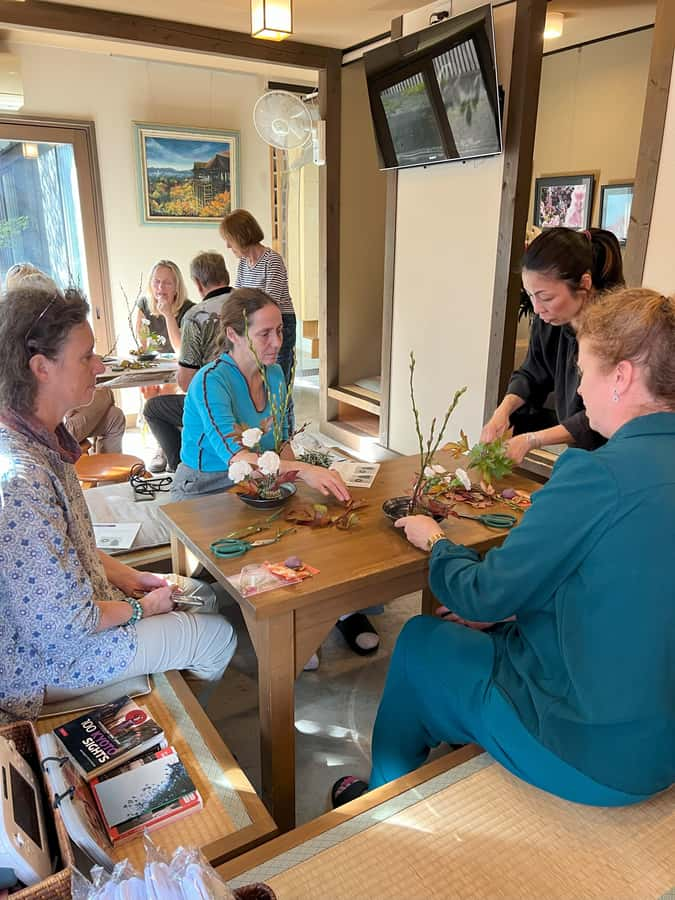
Once the introduction is complete, you use seasonal fresh flowers to make your own basic-style arrangement. The flowers are included, and you do not need to bring equipment. Scissors, the vase, and the kenzan are provided.
The kenzan is a small flower frog that holds stems in place. It is one of the most practical parts of the package because it lets you recreate the arrangement at home. The vase and kenzan are not just decorative souvenirs. Together, they give you the basic tools needed to practice again.
Hanako guides you as you work. This is where the small class size earns its keep. Floral arrangement can look simple from a distance, but the angle of a stem or the amount of empty space can change the whole design. Individual instruction matters more here than it would in a simple group craft.
You should expect your arrangement to reflect your own choices within the boundaries of the Ohara style. The aim is not to copy a mass-produced model perfectly. You learn a structure, then express yourself through the flowers and the small vase.
The seasonal element is also worthwhile. The exact flowers are not specified, and they may vary with the time of year. That means your arrangement will be tied to the season of your Kyoto visit rather than built from an unchanging set of artificial materials.
The vase is part of the experience, not an afterthought
The vase gives the workshop a clear personal focus. You are not only arranging flowers in a temporary container. You are working with an object that becomes part of your home or future practice.
This is especially useful for people with limited luggage space. You do not need to buy a separate vase in Kyoto or figure out how to pack a delicate arrangement from the class. The vase and kenzan are included as souvenirs, and the finished flowers are handled separately.
The activity description refers to expressing yourself through a small vase. That is a good way to think about the scale. This is a compact introduction, not a large formal display. You will create something manageable enough to enjoy during a trip and practical enough to take home.
If you are buying this as a gift, remember that the value is in the lesson as much as the object. The vase alone would not explain the principles of ikebana. The instruction gives the souvenir meaning and makes it more likely that you will use it later.
Same place, a different kind of green day out:
- Kyoto Zen Meditation & Garden Tour at a Zen Temple with Lunch
★ 5.0 · 441 reviews - Kyoto Arashiyama Bamboo forest & Garden Half-Day Walking Tour
★ 5.0 · 413 reviews - Authentic Kyoto Tea Ceremony: Camellia Flower Teahouse
★ 5.0 · 269 reviews - Kyoto: Zen Garden, Zen Mind (Private)
★ 5.0 · 126 reviews
Delivery keeps the rest of your Kyoto day simple
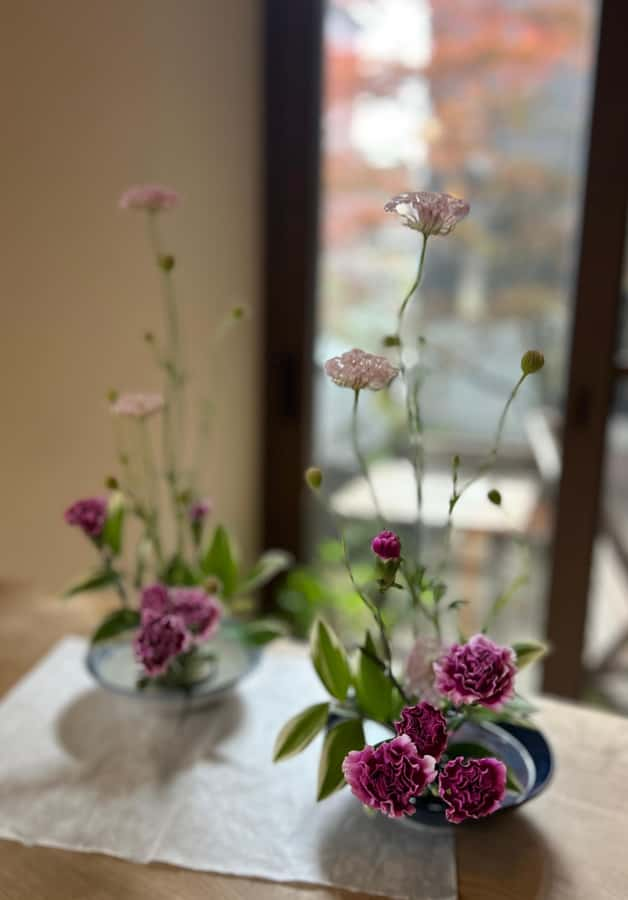
At the end of the class, Hanako delivers your finished arrangement to your accommodation. That is a smart touch. Fresh flowers are awkward to carry through a day of sightseeing, and a delicate arrangement may not survive a crowded train ride or a long walk.
You should confirm the accommodation details and delivery arrangements when booking or attending, since the supplied information does not specify the delivery area or timing. The practical promise is clear: you are not expected to carry the arrangement around after the workshop.
This also lets you schedule the class earlier in a busy day. You can continue sightseeing and find the flowers waiting at your accommodation later. If you are changing hotels soon after the class, check the delivery plan carefully before reserving.
The arrangement itself is the part most likely to be temporary. Flowers fade. The vase and kenzan remain, along with the textbook and the skills you picked up. That makes the package more useful than a simple flower purchase.
A quiet 90 minutes in the middle of a Kyoto itinerary
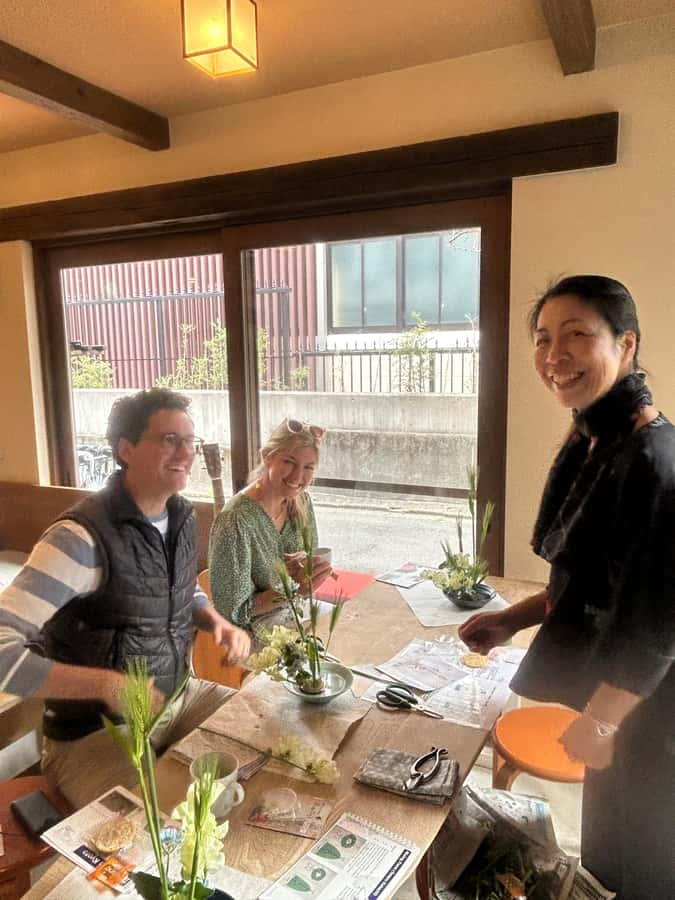
The class lasts 90 minutes, which is long enough for an explanation, hands-on work, and a feedback session without taking over your entire day. You will still need to allow extra time for getting to the venue and returning to your plans, since no travel time is provided.
I would place this activity between sightseeing blocks rather than at the end of a tightly timed day. The workshop is intended to be calm and attentive. Rushing in from another appointment would work against the very quality that makes the class appealing.
Refreshments are included. They are a small detail, but useful during a hands-on session, particularly if you have been walking around Kyoto. No special clothing or personal equipment is listed as necessary. The instruction says to bring a big smile, while all the required tools are supplied.
The setting is described as peaceful and intimate. You should expect the experience to reward patience more than speed. If you prefer fast activities with constant movement, 90 minutes of careful flower work may feel slow. If you want a break from packed temples and busy shopping streets, that slower rhythm is a strength.
Is $96 a fair price?
The $96 fee is easier to judge when you count what is included. You receive:
- Fresh flowers
- Scissors
- A vase
- A kenzan
- A textbook
- Refreshments
- Instruction in English
- Your finished arrangement delivered to your accommodation
- A follow-up feedback session through WhatsApp
- The vase and kenzan as souvenirs
That is a strong list for a 90-minute premium workshop, especially with a maximum of five participants. Still, the price will not suit everyone. If your main goal is to bring home a cheap souvenir, you can likely find simpler shopping options elsewhere. You are paying for Hanako’s instruction, the small class, the materials, and the chance to learn a traditional art under guidance.
The post-class WhatsApp feedback is an unusual extra. It gives you a way to ask about your arrangement or continue the conversation after you return home. The details of the follow-up are not specified, so treat it as an added opportunity for questions rather than a long-term course.
I see the best value for people who enjoy classes, design, flowers, or Japanese culture. The price also makes more sense if you plan to use the vase and kenzan again. If you will leave them in a cupboard, the included souvenir will not add much practical value.
Who should book this workshop?
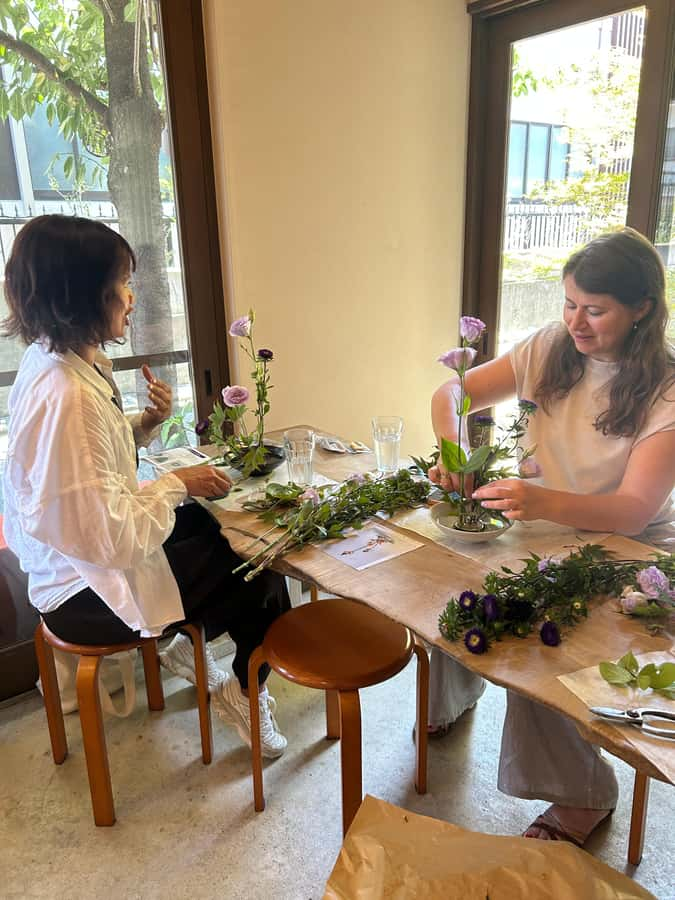
This class suits adults who want a focused cultural activity and anyone curious about Japanese floral design. It is also a good choice for a couple or a small group of friends who prefer making something together instead of simply watching a demonstration.
Children aged 10 and above may attend. An adult must accompany any child, and the adult may observe the class for free. That makes the activity possible for families, though younger children may find the careful pace and rules demanding. Children under 10 cannot take part.
Flower professionals and serious hobbyists may also find something worthwhile here. The class is basic in format, but the Ohara School framework gives more substance than an informal arrangement lesson. If you have floral experience, ask Hanako about the golden rule and the reasons behind the composition.
The class is wheelchair accessible, which broadens its appeal. You should still confirm any personal access needs before arrival, since the available information does not describe the exact room layout or facilities.
What to know before reserving
The class is taught in English and limited to five participants. That small maximum is one of the strongest reasons to choose it over a larger workshop. You should have a better chance of receiving direct help when a stem is not behaving as planned.
Cancellation is free up to 24 hours before the activity for a full refund. You can also reserve now and pay later, which helps if your Kyoto plans are still shifting.
Starting times vary, so check availability for the date of your visit. The activity is located in Kyoto on Honshu, but the supplied information does not give a specific meeting address. Make sure you have the exact location before planning your route.
The arrangement will be delivered to your accommodation, but the available details do not explain how far delivery extends or when it will arrive. If you are leaving Kyoto immediately after the class, ask about this before booking.
Final decision: is this Kyoto ikebana class worth booking?
Book it if you want a calm, hands-on introduction to a serious Japanese art, especially if you like flowers or design. The five-person limit, English instruction from Hanako, seasonal materials, take-home vase and kenzan, and delivery of the finished arrangement make the $96 fee easier to justify.
Skip it if you want a cheap, quick souvenir or if your schedule has no room for a quiet 90-minute lesson. The class asks you to concentrate and follow a method. For the right person, that is the point. You leave with flowers for the moment, tools for later, and a better sense of why ikebana looks the way it does.
FAQ
How long does the ikebana workshop last?
The workshop lasts 90 minutes. Starting times depend on availability for your chosen date.
How much does the experience cost?
The listed price is $96 per person.
Who teaches the class?
The class is taught in English by Hanako, an experienced ikebana master who follows the Ohara School curriculum.
What is the Ohara School?
The Ohara School is one of the three major ikebana schools in Japan. The class teaches its basic principles, composition rules, and etiquette.
What materials are included?
Flowers, scissors, a vase, a kenzan, a textbook, refreshments, tax, and the souvenir vase and kenzan are included.
Can I take the vase and kenzan home?
Yes. The vase and kenzan used during the lesson are included as souvenirs.
How do I take the finished flower arrangement with me?
Hanako delivers your finished arrangement to your accommodation, so you do not need to carry it while sightseeing.
Can children join the class?
Children aged 10 and above may attend. An adult must accompany any child, and the adult may observe for free. Children under 10 are not suitable for the activity.
Is the workshop wheelchair accessible?
Yes, the activity is listed as wheelchair accessible.
Just added around Kyoto
- Kyoto-Nara Adventures Private Tour With Hotel Pick Up★ 4.0 · 5 reviews
- Ikebana Traditional Japanese Art of Flower Arranging★ 4.5 · 19 reviews
- Traditional Japanese Flower Styling Workshop – Ikebana in Kyoto★ 5.0 · 10 reviews
- Stunning Private Tea Ceremony: Camellia Garden Teahouse★ 5.0 · 28 reviews
- Kyoto Hidden Treasures: Special Temple & Garden Access Tour★ 4.5 · 25 reviews
- Zen Garden Making and Matcha Tasting in Handmade Pottery Shop★ 3.5 · 2 reviews
- Guided Kyoto City Cherry Blossom One Day Private Tour★ 5.0 · 16 reviews
- Kyoto: Kinkaku-ji Temple & Serene Garden Guided Tour with Tickets★ 5.0 · 9 reviews
Kyoto Garden Tours, compared.
Kyoto Zen Meditation & Garden Tour at a Zen Temple with Lunch
Read our review →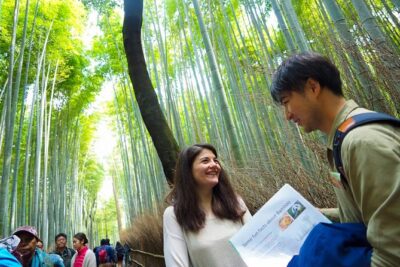
Kyoto Arashiyama Bamboo forest & Garden Half-Day Walking Tour
Read our review →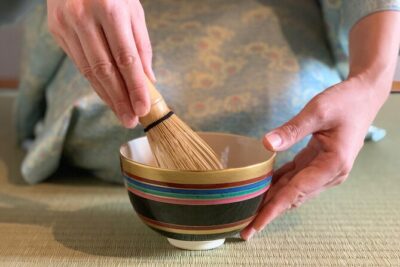
Authentic Kyoto Tea Ceremony: Camellia Flower Teahouse
Read our review →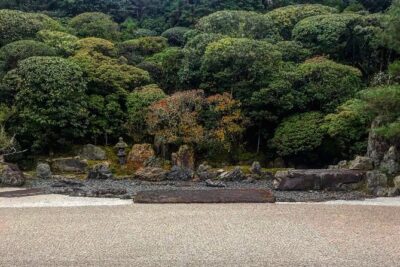
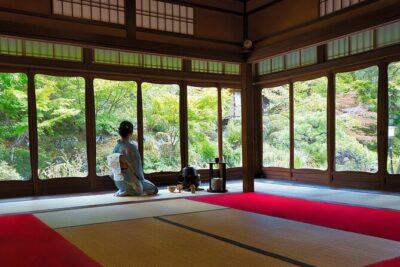
Kyoto Kiyomizu Tea Ceremony with Scenic Garden Views
Read our review →

Stunning Private Tea Ceremony: Camellia Garden Teahouse
Read our review →Browse the lists this tour appears in