
Review · JAPAN
Nara: Yoshikien and Isuien Gardens Tour with Tea Tasting
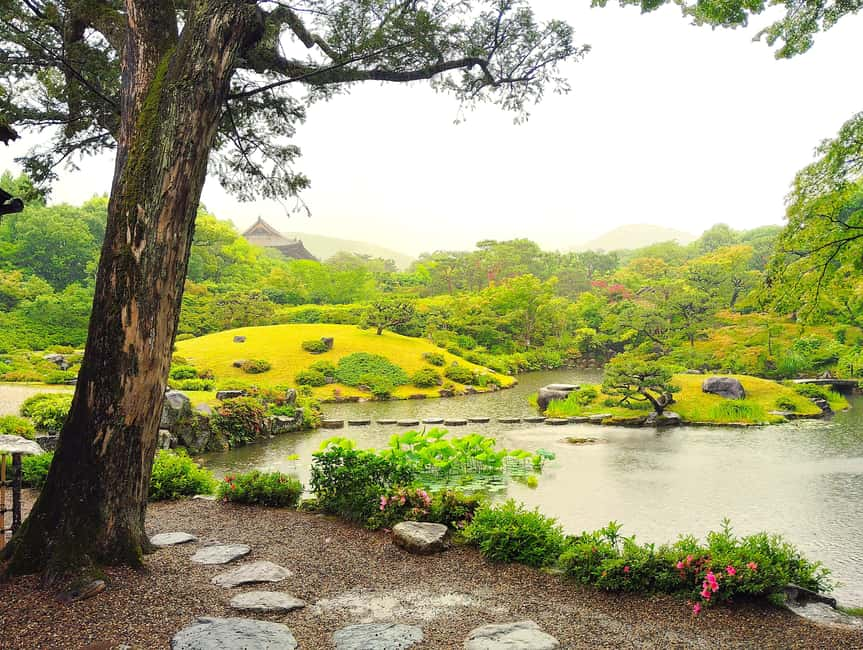
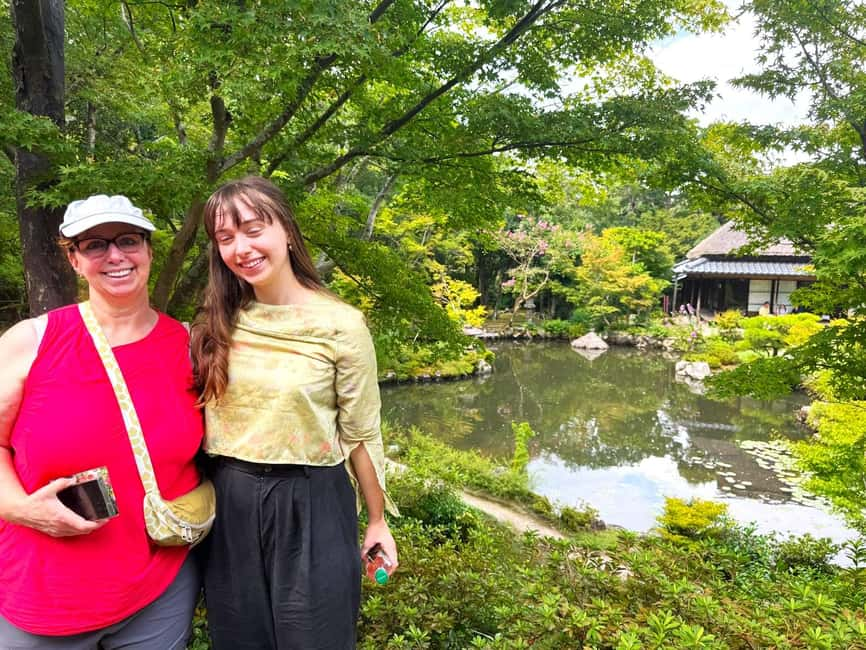
Yoshikien and Isuien offer two very different ways to read a Japanese garden. Yoshikien feels quiet and personal, with moss, water, and a tea garden arranged for close looking. Isuien is broader and more formal, with old buildings, carefully placed stones, and distant views of Todai-ji and Mount Mikasa. I like that this tour gives you time to notice why the gardens look the way they do, not just time to take pictures.
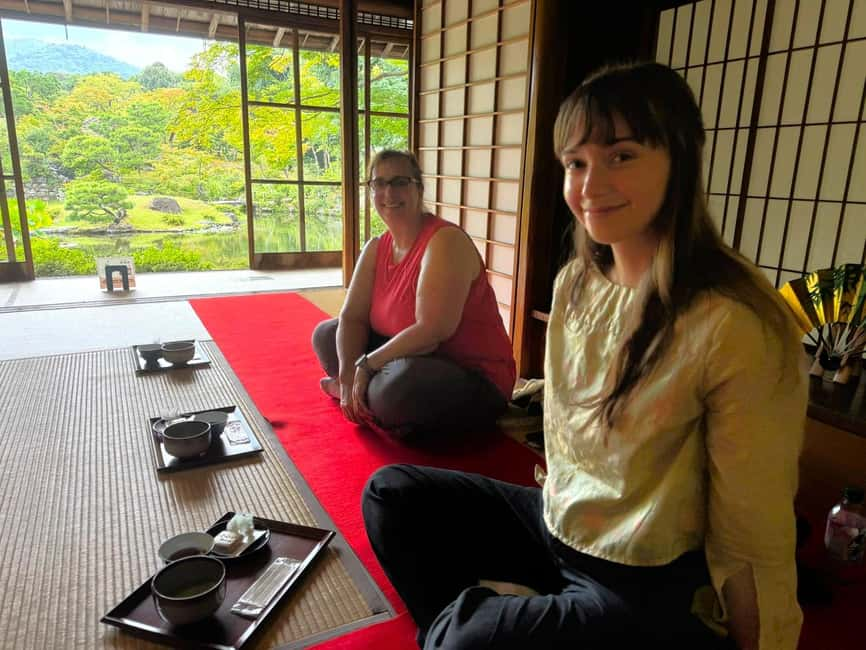
I also like the matcha tasting in Isuien’s historic tea house. It gives the three-hour walk a calm finish and brings Japanese culture into the cup, with taste, scent, sound, and setting working together. The main consideration is simple: you will spend much of the tour on foot, so comfortable shoes matter. At $83 per person, the tour makes the most sense if you want a private guide to explain details you could easily miss on your own.
Key points at a glance
- Three garden styles at Yoshikien: See a pond garden, moss garden, and tea garden in one compact visit.
- Two eras at Isuien: The garden combines sections from the Edo and Meiji periods.
- Borrowed scenery: Look beyond the garden to Todai-ji’s Great South Gate and Mount Mikasa.
- Historic tea house: Finish with a matcha tasting and wide views over Isuien.
- Private three-hour walk: Ask questions freely with an English- or Japanese-speaking guide.
- Easy starting point: Meet in front of the torii gate at Himuro Shrine, near Nara’s major sights.
Starting at Himuro Shrine near Nara Park
The tour begins in front of the torii gate of Himuro Shrine. Your guide will hold a yellow sign marked DeepExperience, which gives you a clear way to identify the meeting point.
This is a smart place to start. The shrine sits close to Nara’s main cultural sights, yet the tour quickly moves toward quieter garden spaces. You do not need to spend the opening minutes finding a distant office or checking in at a hotel. Meet at the gate, look for the yellow sign, and begin on foot.
The experience lasts three hours and is offered as a private group. That matters here. Japanese gardens reward questions. You may want to ask why a stone sits in one spot, why a path narrows, or why a view opens at a particular moment. A private format gives you room to set the pace and stop for photographs without feeling that you are holding up a large group.
The guides speak English or Japanese. If you have an interest in garden design, tea culture, architecture, or photography, tell your guide early. The tour is built around explanation, and your questions can help shape what you notice.
A few more garden visits around Japan worth a look
- Tsukiji Food Strolling and Hama Rikyu Garden Walking Tour
★ 5.0 · 7 reviews - Osaka: Daytime Hanami (Cherry Blossom) and Food Tour
★ 4.7 · 7 reviews - Tokyo Spring Daytime (Cherry Blossom) Food Tour
★ 5.0 · 6 reviews
Yoshikien’s three moods in one garden
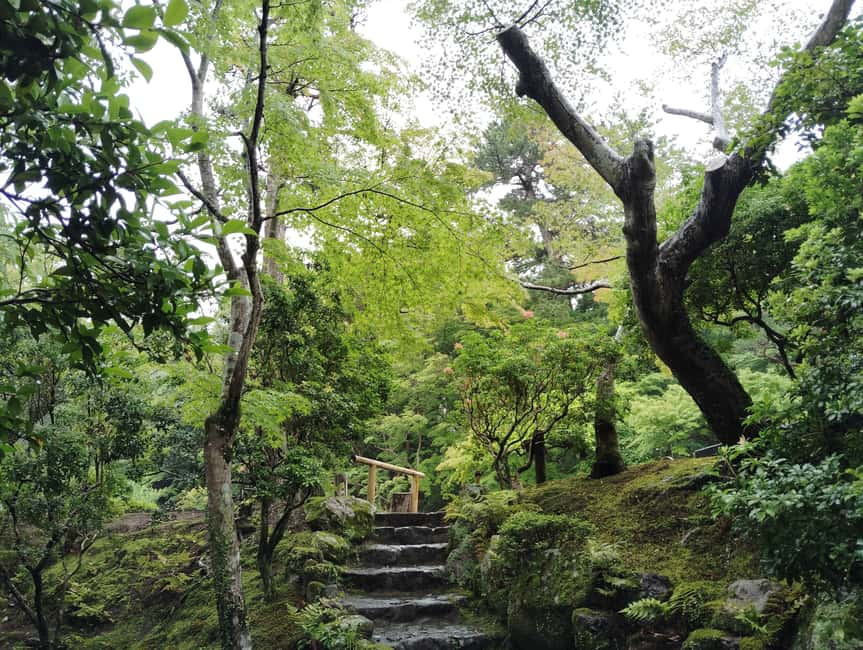
Yoshikien is the gentler opening act. It once served as a temple residence, and that former role helps explain its peaceful character. This is not a garden designed to overwhelm you with scale. It is a place for slower attention.
Your guide introduces three distinct areas: a pond garden, a moss garden, and a tea tasting garden. Each uses a different visual rhythm. The pond garden draws your eyes across water and planted areas. The moss garden feels quieter and closer to the ground. The tea garden prepares you for the customs and calm associated with a tea house.
I like the way these sections teach you to compare rather than simply admire. A pond garden gives you open reflections and changing sightlines. A moss garden asks you to notice texture, color, and the effect of shade. The tea garden shifts the mood toward a more deliberate approach, where the path and surroundings help you slow down before entering the tea space.
This is where a guide adds real value. Without explanation, you might see attractive plants, stones, and water. With explanation, you can start to read the arrangement as a series of choices. The garden encourages stillness and close observation, so do not rush from one section to the next.
Plan on roughly one hour at Yoshikien. That is enough time for a guided walk and photographs, though visitors who love gardens may wish for longer. The tour has a fixed schedule, so you will not have unlimited time to linger over every plant or pond. Still, the compact size makes Yoshikien a good introduction before the larger and more layered Isuien.
Isuien joins Edo and Meiji design
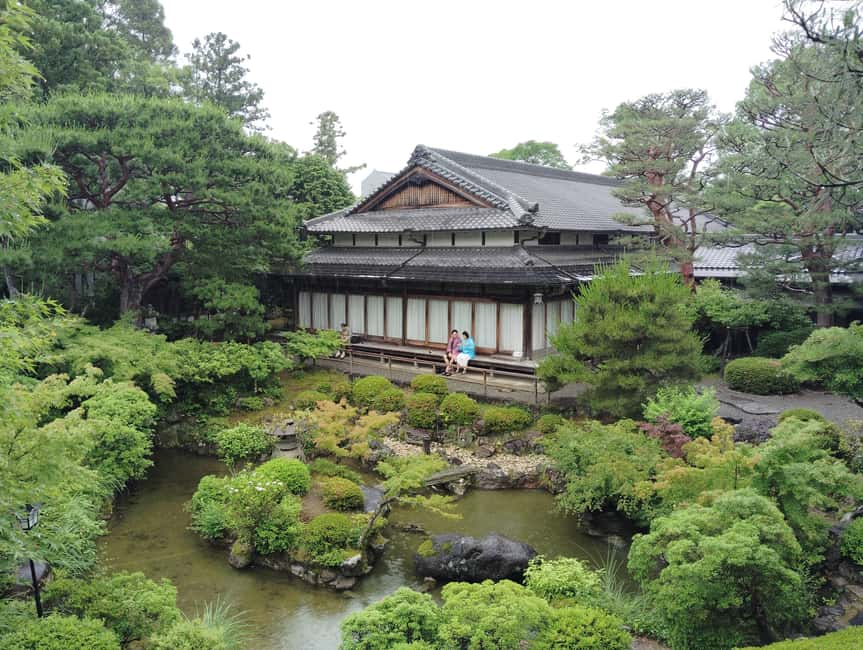
Isuien changes the scale and mood. It is more expansive and includes two connected sections from different periods, the Edo and Meiji eras. Instead of treating the garden as one frozen style, your guide helps you notice how the two parts work together.
This is useful context. Japanese gardens can look effortless, but their calm depends on careful transitions. At Isuien, watch how the route moves between open and enclosed spaces. Notice the way water guides your eye and how rocks help shape the feeling of a scene. The point is not to count features. It is to understand how each feature affects the whole view.
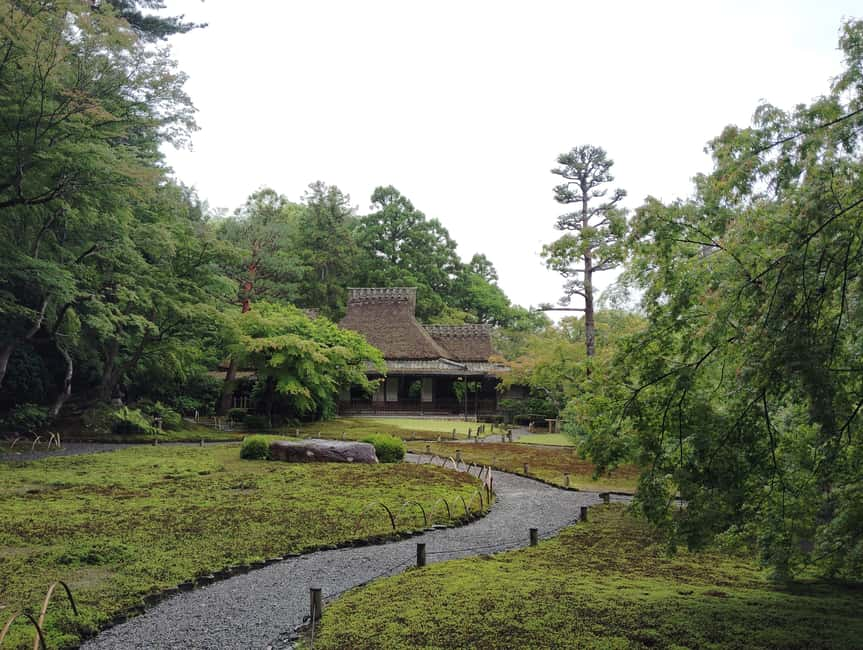
The garden also carries more architectural presence than Yoshikien. Buildings and garden spaces relate to one another, giving you changing frames as you walk. One view may feel enclosed and intimate. The next may open toward water, trees, or distant landmarks.
Your guide explains the meaning behind these choices, including the placement of rocks and the movement of water. That makes the walk more useful than a simple photo stop. You begin to see that Japanese garden design is about controlling attention. The route tells you where to look, when to pause, and how much of the outside world to include.
The itinerary gives Isuien about two hours, including the garden visit, photo stops, explanations, and tea tasting. That longer stretch is appropriate. Isuien has enough variety to hold your interest, and the views change as you move through the grounds.
The borrowed view of Todai-ji and Mount Mikasa
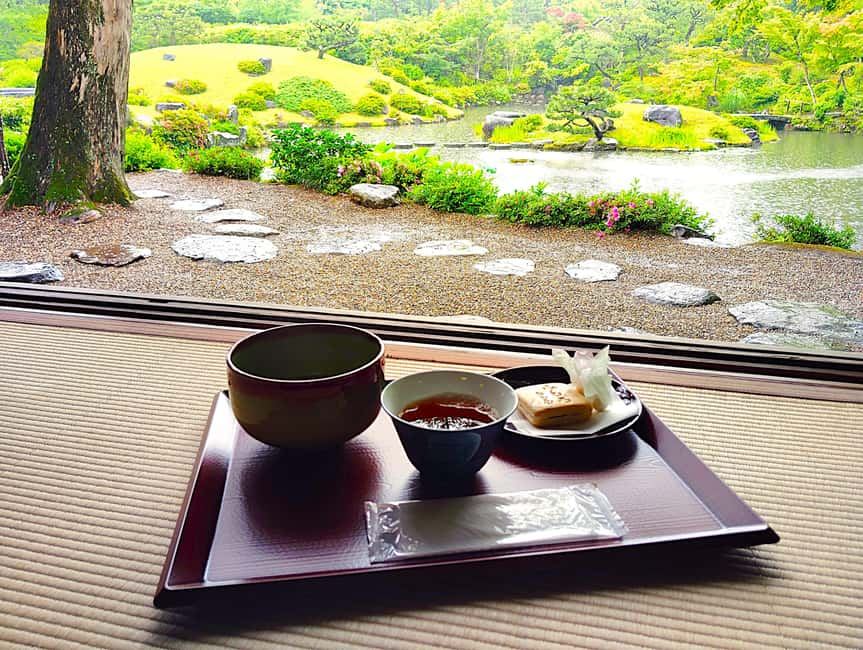
The most memorable design idea at Isuien is shakkei, or borrowed scenery. Instead of ending the garden at its outer wall, the design uses distant features as part of the view.
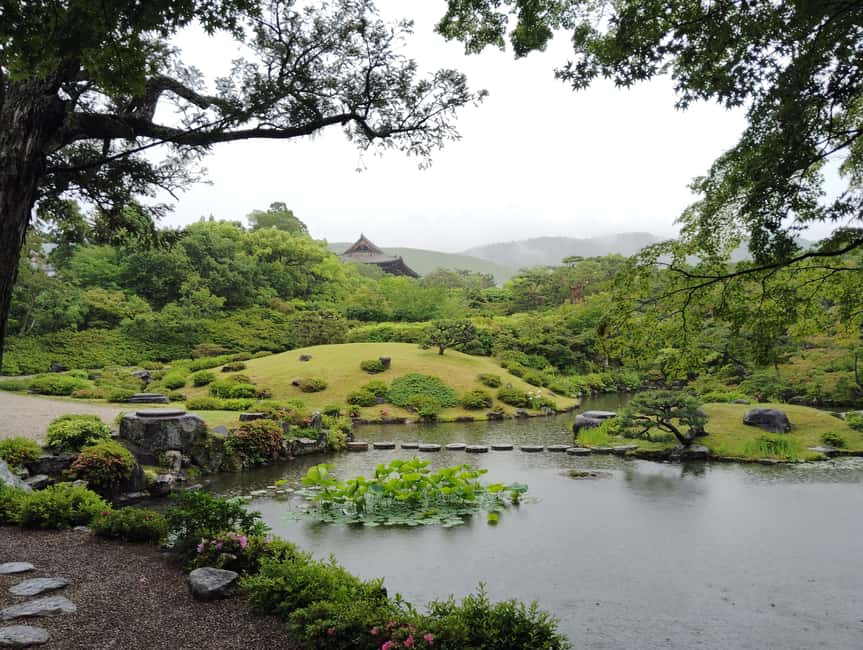
From the back of the garden, you can see Todai-ji’s Great South Gate and Mount Mikasa framed beyond the nearer garden. The effect is clever but not showy. The garden feels intimate in front of you, while the distant view gives it a much larger sense of space.
This is the moment when the guide’s explanation becomes especially useful. You might notice the gate and mountain on your own, but the idea of borrowed scenery helps you understand why the view matters. The garden is not sealed off from Nara. It brings the surrounding setting into the composition.
Give yourself time at this viewpoint. It is one of the best places for photographs, but it is also worth putting the camera down. Look at the near and far views together. The water, rocks, trees, gate, and mountain do not compete. They work in layers.
The word shakkei is also a useful piece of cultural vocabulary for the rest of your Japan trip. Once you understand the idea, you may start noticing how gardens and temple grounds frame nearby hills, buildings, or trees.
Same place, a different kind of green day out:
- Osaka: teamLab Botanical Garden Entry Ticket
★ 4.5 · 1,710 reviews - Imperial Palace East Garden and Edo Castle Walking Tour in Tokyo
★ 5.0 · 510 reviews - Mt. Fuji Day Trip from Tokyo with English Speaking Driver Guide
★ 5.0 · 443 reviews - Kyoto Zen Meditation & Garden Tour at a Zen Temple with Lunch
★ 5.0 · 441 reviews
Matcha in a historic tea house
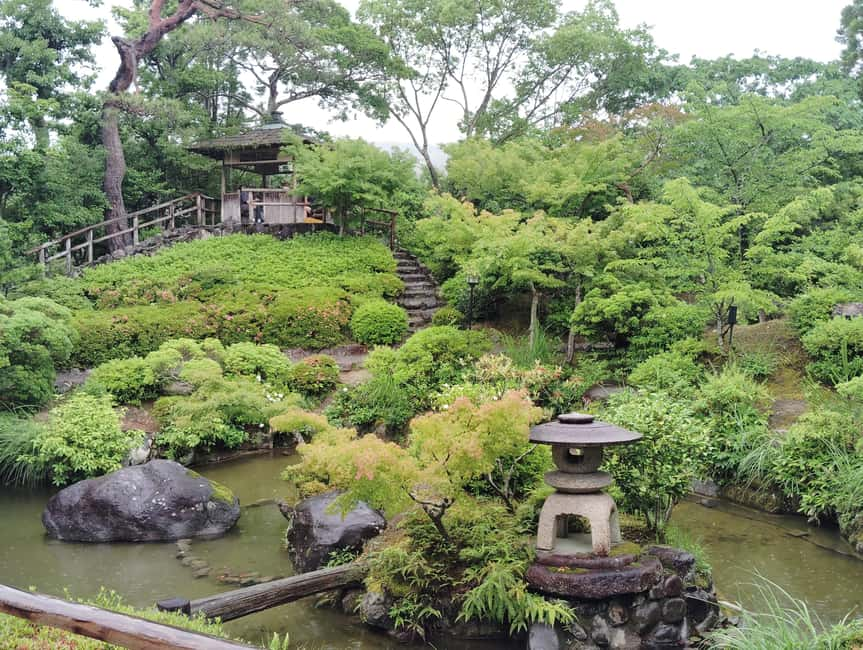
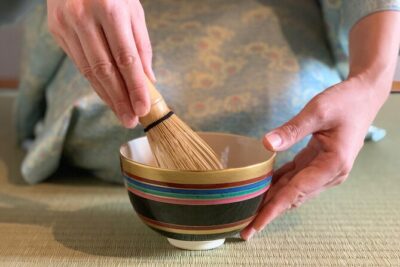
The tour ends with a matcha tea tasting in a historic tea house within Isuien. This is more than a quick drink added to the schedule. It gives you a quiet place to finish the walk and connects the garden’s visual design with the traditions of tea.
The setting does much of the work. You sip freshly whisked green tea while looking out over Isuien and the surrounding natural scenery. The experience reaches you through several senses at once: the color and texture of the tea, its aroma, the sound of the setting, and the view beyond the tea house.
If you have never tried matcha, expect a distinctive green tea flavor rather than a sweet café drink. The tasting is brief, so think of it as an introduction to tea culture rather than a full tea ceremony lesson. The provided details do not promise a formal ceremony, a meal, or a hands-on whisking class.
I like this ending because it avoids the usual rushed finish. Many sightseeing tours end at the last monument and leave you to find a drink afterward. Here, the final stop reinforces the central idea of the visit: good design creates a mood, and the mood changes how you experience a place.
What $83 buys you
At $83 per person, this is not the cheapest way to enter two gardens. You are paying for more than admission, though. The price covers a private guided walk through both Yoshikien and Isuien, plus the matcha tasting.
The value depends on how you like to sightsee. If you are happy to walk quietly, read signs, and form your own impressions, you may prefer visiting independently. If you want someone to explain the gardens’ structure, historical periods, water movement, rocks, borrowed scenery, and tea setting, the price is easier to justify.
The private format is important to the value calculation. You are not paying for a large group with a fixed script and limited question time. You can ask for more detail about the moss garden, spend extra time at the borrowed view, or keep the pace relaxed for photographs, within the three-hour schedule.
The tea tasting also adds something that a standard garden entrance does not provide. It gives you a cultural activity inside the visit, rather than sending you away with only photos. For visitors with limited time in Nara, combining two gardens and tea in one booking can be practical.
I would be more cautious if you have little interest in gardens. Much of the tour involves looking closely at design details that can seem subtle. The experience is not built around dramatic entertainment or a long list of major monuments. Its reward comes from patience and explanation.
Who will enjoy this garden walk
I would recommend this tour to you if you want a slower side of Nara. It suits visitors who enjoy gardens, architecture, photography, cultural traditions, and guided interpretation.
It is also a good choice for a private outing with family or friends. The route gives you room to ask questions and adjust the pace. Couples may appreciate the quiet setting, while solo visitors can benefit from having a guide to explain details and provide context.
You should also consider it if you have already seen Nara’s famous temple sights and want a different focus. The view toward Todai-ji remains part of the experience, but the tour is mainly about garden design rather than temple interiors or a broad city tour.
The main physical requirement is walking. You will move through gardens for three hours, so choose comfortable shoes. The supplied information does not specify step-free access, restroom locations, weather arrangements, or seating throughout the route, so ask the provider if any of those points matter to you.
Timing, cancellation, and planning details
Check the available start times when you book, since the tour does not list one fixed daily departure. The meeting point is in front of Himuro Shrine’s torii gate, and the guide carries a yellow DeepExperience sign.
You can cancel up to 24 hours in advance for a full refund. The reserve-now-and-pay-later option lets you hold a place without paying at once, which is useful when your Nara plans may shift.
The tour is offered in English and Japanese. No transportation is included in the details provided, so plan to arrive at the shrine meeting point on your own. The experience finishes at Isuien and the Neiraku Museum, giving you a clear end point near other Nara sights.
Should you book the Yoshikien and Isuien tour?
Book it if you want garden explanation rather than a quick walk-through. Yoshikien gives you three compact garden styles, Isuien shows two historical sections and the shakkei view, and the matcha tasting adds a calm cultural finish.
Skip it if you prefer independent sightseeing, have no interest in garden details, or want a tour centered on Nara’s major temples. At $83, the cost is fair for a private three-hour experience with tea, but it only feels like good value if the garden-focused format matches your interests.
For the right visitor, this is a thoughtful way to spend part of a Nara day. You get quiet spaces, a strong view, useful design context, and a cup of matcha at the end instead of one more hurried stop.
FAQ
Where does the tour begin?
The tour begins in front of the torii gate of Himuro Shrine. The guide will be holding a yellow sign with DeepExperience written on it.
Where does the tour finish?
The tour finishes at Isuien Garden and the Neiraku Museum.
How long does the experience last?
The experience lasts three hours.
Which gardens are included?
The tour includes Yoshikien Garden and Isuien Garden.
What can you see at Yoshikien Garden?
Yoshikien includes a pond garden, a moss garden, and a tea garden. It once served as a temple residence.
What is special about Isuien Garden?
Isuien combines two sections from the Edo and Meiji periods. It also offers views using shakkei, or borrowed scenery.
Can you see Todai-ji from Isuien?
Yes. From the back of Isuien, you can see Todai-ji’s Great South Gate and Mount Mikasa framed as part of the garden view.
Is matcha included?
Yes. A matcha tea tasting in a historic tea house within Isuien is included.
What languages are available?
The tour is offered with a live guide in English or Japanese.
Just added around Japan
- Tsumami Zaiku Japanese Fabric Flower Class★ 5.0 · 3 reviews
- Tokyo: Serene Sakura & Sake: An Exclusive Brewery Pairing Lunch★ 5.0 · 2 reviews
- Tsukiji Food Strolling and Hama Rikyu Garden Walking Tour★ 5.0 · 7 reviews
- Private tour – Scenic Fuji Escape: Hakone, Peace Park & More★ 5.0 · 4 reviews
- Tokyo Cherry Blossom Half Day Walking Tour with a Local Guide★ 3.5 · 4 reviews
- TOKYO: Tailored Gardens tour with Pro Gardener by E-bike -BASIC★ 5.0 · 2 reviews
- Cherry Blossom Highlights, Asakusa, Ueno, Imperial Palace Garden★ 4.5 · 4 reviews
- Japan’s Customs of Ikebana Art, Tea Ceremony & Kimono Welcome★ 5.0 · 2 reviews
Japan Garden Tours, compared.
Imperial Palace East Garden and Edo Castle Walking Tour in Tokyo
Read our review →
Kyoto Zen Meditation & Garden Tour at a Zen Temple with Lunch
Read our review →
Kyoto Arashiyama Bamboo forest & Garden Half-Day Walking Tour
Read our review →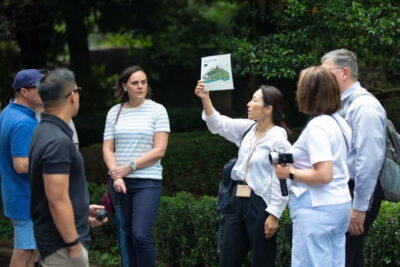
Authentic Kyoto Tea Ceremony: Camellia Flower Teahouse
Read our review →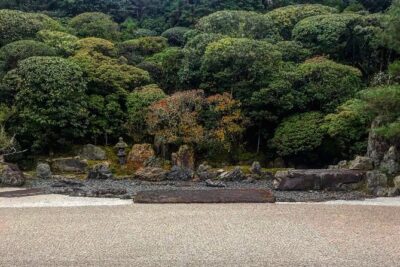
Edo Castle & East Garden of the Imperial Palace Tour
Read our review →Browse the lists this tour appears in