
Review · KYOTO
The Art of Mindful Living: Tea Ceremony in Kyoto
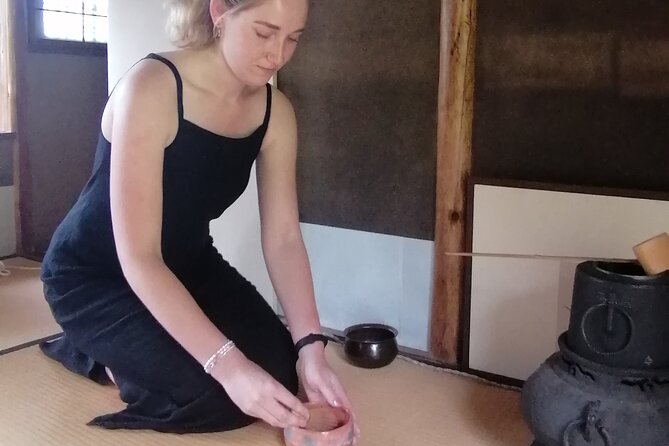
Kyoto’s tea culture feels most approachable in this one-hour visit to an old Japanese home, where Naomi explains the ceremony before letting you make your own matcha. You’ll sit in a tea room, enjoy a sweet, and look out toward a peaceful garden rather than rush through a formal display.
I like the hands-on format, and I like that the matcha is organic Uji tea from Kyoto. The garden also gives you a calm place for photos, with optional kimono rental if you want to dress for the occasion.
The main drawback is location. Kaze no Waon is in Utano, away from central Kyoto and not close to a cluster of restaurants or sights. Plan your route carefully, especially if you are fitting this between Kinkakuji and Arashiyama.
Five things to know before booking
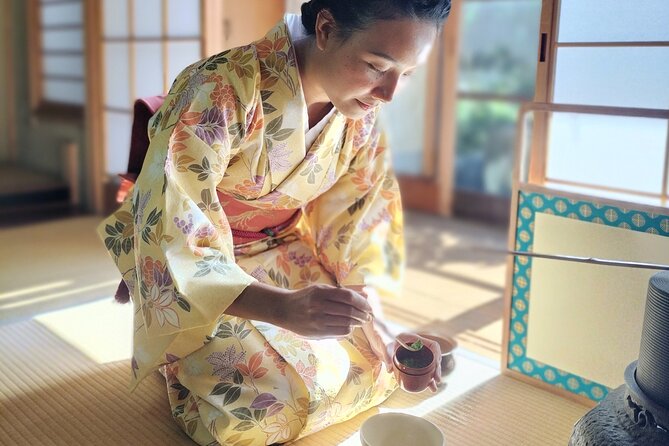
- You make your own matcha: Naomi first demonstrates the process, then gives you a chance to whisk the tea yourself.
- The setting is an old residence: The tea room and garden give the hour a sense of place that a hotel lounge cannot match.
- Organic Kyoto Uji matcha is used: You taste local tea while learning about its types, effects, and proper drinking style.
- The session is friendly to different diets: Vegan sweets and food-allergy requests can be accommodated, and children can have cocoa instead of matcha.
- Kimono rental is available: A kimono costs ¥4,000, with hakama, baby romper-style kimono, and undershirt rentals also offered.
- Small groups keep it personal: Regular sessions allow up to six people, while larger groups may be arranged in advance.
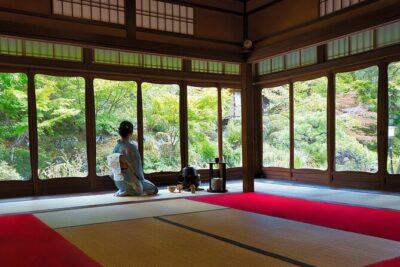
A quiet tea room in Kyoto’s Utano area
The experience takes place at Kaze no Waon, at 14 Utanokitanoinchō in Kyoto’s Ukyo Ward. This is not a downtown tea counter built for quick turnover. You enter a Japanese old house with a dedicated tea room and a garden at the back.
That setting matters. Tea ceremony is about attention to simple actions, and a quiet home makes it easier to notice them. You are not only tasting matcha. You are learning why the tea is prepared in a certain way, how it is presented, and how the surrounding room and garden form part of the experience.
The location is also the trade-off. It is in the direction of Kinkakuji Temple and Arashiyama, rather than near Kyoto Station or the main downtown shopping streets. Public transportation is nearby, but the address can take more planning than a centrally located activity.
I would pair this with a day in northwest Kyoto. It can work well before or after Kinkakuji, though you should leave enough time for transportation. If your Kyoto schedule is already packed with central sights, the journey may feel less convenient for a one-hour activity.
Other gardens people visit around Kyoto:
- Kyoto Zen Meditation & Garden Tour at a Zen Temple with Lunch
★ 5.0 · 441 reviews - Kyoto Arashiyama Bamboo forest & Garden Half-Day Walking Tour
★ 5.0 · 413 reviews - Authentic Kyoto Tea Ceremony: Camellia Flower Teahouse
★ 5.0 · 269 reviews
What Naomi explains before the tea is served
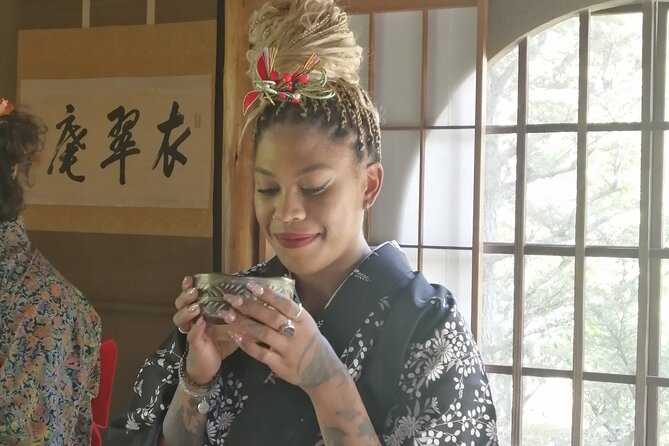
Naomi leads the session in clear English and begins with the background you need to understand what you are seeing. Her introduction covers the history of tea ceremony, the effects of matcha, types of matcha and Japanese tea, and the proper way to drink it.
That information gives the ceremony some context without turning the hour into a lecture. You learn that Japanese tea is not one single drink, and that matcha has its own character and preparation method. The explanation also helps first-time visitors feel less nervous about handling the bowl.
This is useful for families and mixed-age groups. Children can follow the demonstration and take part in the making, while adults get more background on the culture behind the ritual. Cocoa is available for children instead of matcha, which is a practical choice if younger children do not want the tea or should avoid caffeine.
Naomi’s approach is warm and flexible. Her niece has helped with some sessions, and the experience can feel more like a personal introduction than a staged performance. That is especially helpful if you want to ask questions or need adjustments for food allergies, vegan preferences, or a child in your group.
Watching the ceremony, then trying it yourself
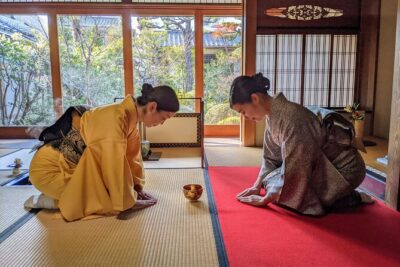
The session follows a sensible order. First, Naomi performs and explains the tea ceremony. You watch the movements, the utensils, and the way the matcha is presented. Then you enjoy your tea and sweet while the demonstration continues.
After that, you get to make matcha yourself. This is the best part for many people because it changes the experience from observation to participation. You can try the whisking technique, see how the tea comes together, and appreciate why preparation is treated with care.
Do not expect a long formal ceremony lasting several hours. This is a short cultural introduction designed to fit into a Kyoto sightseeing day. You receive enough explanation to understand the basics, then get a direct chance to take part.
The hour is also suitable for people who find highly formal ceremonies intimidating. You do not need prior knowledge of tea etiquette. Naomi explains how to drink the matcha, so you can focus on the experience rather than worry about making a mistake.
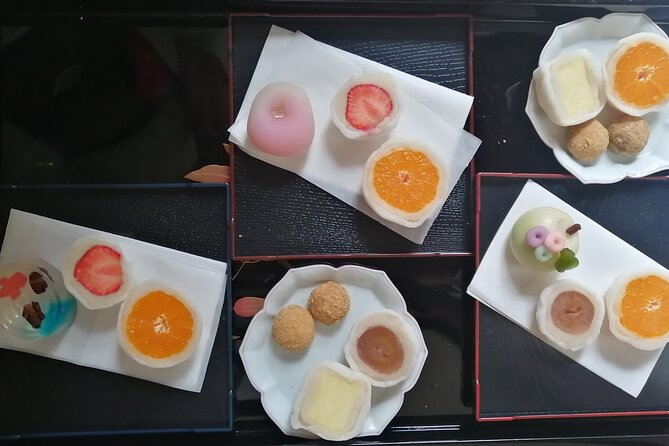
The matcha is organic Uji tea from Kyoto. It is not presented as a famous brand, but the quality is a central part of the tasting. You receive one Japanese sweet with the tea, and you can choose between a traditional bean-paste sweet and fresh-fruit daifuku.
If you want to try both sweets, the extra cost is ¥500 per person. That may be worthwhile if you are curious about Japanese confectionery, though one sweet is enough for most people during a one-hour visit.
The garden adds breathing room and good photo opportunities
The garden is not just a backdrop. It gives you a quiet place to look around before the tea begins and a natural setting for photographs. Several people who enjoyed this experience particularly liked the garden’s calm atmosphere and the number of places available for pictures.
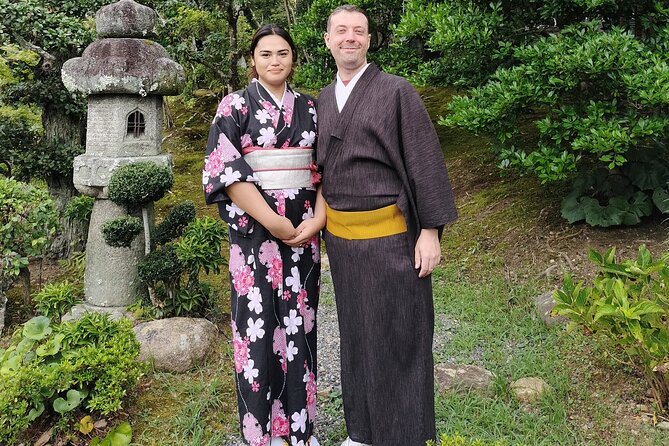
You can take photos during the tea ceremony and in the garden before it starts. If you rent a kimono, the garden becomes even more useful because it gives you space to show the clothing in a traditional setting rather than only photographing yourself in the tea room.
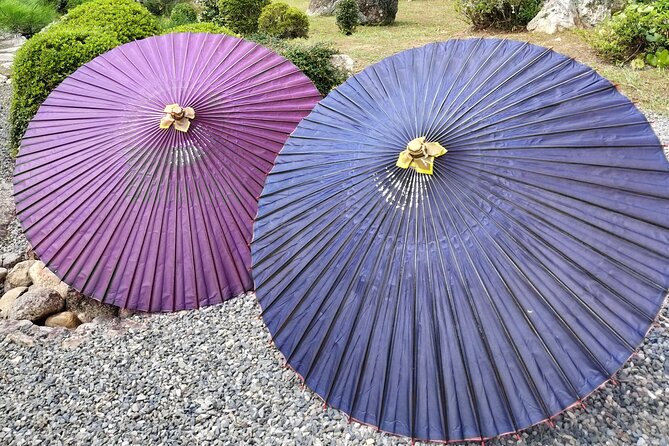
Rain does not automatically erase the photo opportunity, but it changes it. You may take pictures while holding an umbrella. If you are wearing a kimono, you cannot stand in the rain without an umbrella, so outdoor photos need to be planned around the weather.
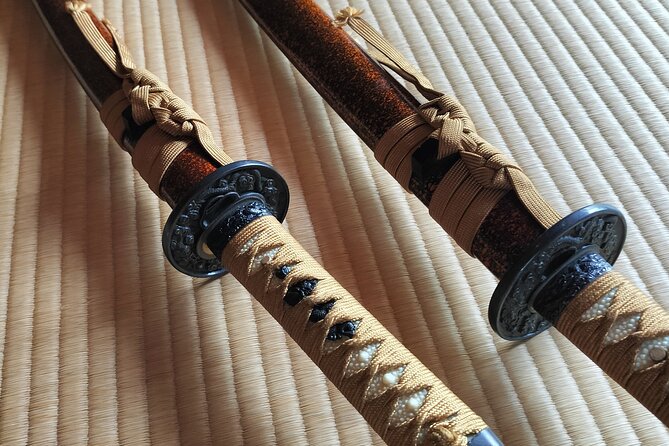
For a private tea ceremony, Japanese traditional umbrellas and an imitation sword may be available for photographs. These are props for pictures only, not part of the tea ceremony itself. Ask about this option before booking if those details matter to you.
Same place, a different kind of green day out:
- Kyoto: Zen Garden, Zen Mind (Private)
★ 5.0 · 126 reviews - Kyoto Kiyomizu Tea Ceremony with Scenic Garden Views
★ 5.0 · 101 reviews - Kyoto: Private Tea Ceremony with a Garden View
★ 4.9 · 61 reviews - Bamboo Grove Temple and Garden Views Tour
★ 5.0 · 41 reviews
Kimono rental and what it really adds
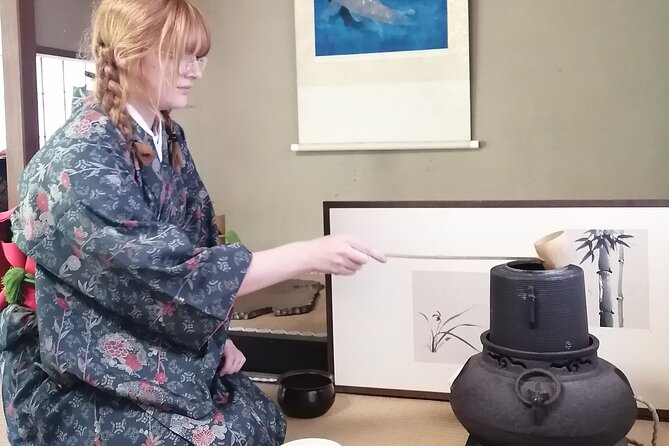
Kimono rental costs ¥4,000 while the tea ceremony is taking place. You can also rent hakama for ¥8,000, a baby romper-style kimono for ¥600, and an undershirt for ¥200.
This is an optional extra, not part of the $44.42 experience price. It can make the visit feel more special, particularly if you want family photos or a cultural activity that looks as memorable as it feels. It also takes additional time, so keep that in mind if your schedule is tight.
Hair styling and makeup are not provided. Hair accessories are available for rental-kimono users to use freely, so you can add a small finishing touch without expecting a full salon service.
I would choose the kimono if photographs and dress-up are important to you. I would skip it if your main goal is learning about matcha and you have a busy day of sightseeing ahead. The tea ceremony itself does not depend on the costume.
For families, the baby rental option is a nice practical detail. Children can also have cocoa instead of matcha, making the activity easier to share across different ages.
Food choices are handled with useful flexibility
One Japanese sweet is included with the experience. You can choose a traditional bean-paste cake or a fresh-fruit daifuku, depending on availability and preference.
Food allergies and vegan diets can be accommodated. Contact the host with your requirements rather than waiting until the session begins. This is important because Japanese sweets often use ingredients that may not be obvious to visitors.
Alcohol is not included, though it would be an odd fit for a one-hour tea ceremony anyway. The focus stays on matcha, sweets, conversation, and the setting.
The food component is small, so do not book this expecting a meal. Think of it as a carefully chosen accompaniment to the tea. If you want to compare both sweet styles, the ¥500 supplement is reasonable, but most people will be satisfied with the included serving.
Is $44.42 a fair price for one hour?
At $44.42 per person, this is not the cheapest way to taste matcha in Kyoto. You can find a cup of tea for far less. The value here comes from the complete package: an old home, a garden, instruction from Naomi, a sweet, a demonstration, and the chance to make your own tea.
The hands-on element matters. A simple tea tasting might last only as long as the drink, while this session gives you a clearer sense of how matcha fits into Japanese culture. You also receive practical explanations about tea types, history, and etiquette.
The price makes the most sense for a first visit to Japan, families, couples, and anyone who wants a calm cultural activity rather than another fast-moving attraction. It is less attractive if you only want a quick drink, have limited time, or are staying far from western Kyoto.
The small group size improves the value. Standard sessions have a maximum of six participants, which gives you a better chance to ask questions and get help while making matcha. Larger groups may be accommodated, but you should arrange that ahead of time.
Private sessions are also possible. Contact the host before booking if you want a private ceremony, a larger group arrangement, or the special photo options. Confirm every extra cost in advance, particularly if you are considering kimono rental or a private upgrade.
Who will enjoy this Kyoto activity most?
I would recommend it to you if you want a gentle introduction to Japanese culture with enough explanation to make the ritual understandable. It is also a strong choice for families because children can take part and substitute cocoa for matcha.
It suits photographers and anyone who values a beautiful setting. The garden gives you more than a chair and a bowl, and the kimono option adds another layer if you want a traditional look.
It may not suit you if you are looking for a grand, highly formal tea ceremony with a long series of precise rituals. This is a compact, welcoming lesson with participation built in. That is a strength for many people, but it is worth knowing before you book.
The location is the biggest practical concern. The activity ends back at the meeting point, and the address is away from central Kyoto. Check your transport plan before committing, especially if you intend to visit several other sights the same day.
Strollers can enter the premises but cannot be taken inside the building. That is manageable, but families with very young children should plan for the indoor portion accordingly.
Booking, weather, and cancellation details
Confirmation is sent within 48 hours, subject to availability. The experience is often booked about 13 days in advance, so reserving ahead is sensible if your Kyoto dates are fixed.
You can cancel for a full refund up to 24 hours before the start time. Changes or cancellations inside that window are not accepted for a refund.
The activity requires good weather and a minimum number of participants. If poor weather or insufficient bookings cause cancellation, you can choose another date or experience, or receive a full refund. The meeting point is also the end point, which keeps the arrangement simple once you arrive.
Should you book the tea ceremony?
Book this experience if you want to slow down, learn what you are drinking, and try the preparation yourself. Naomi’s friendly teaching style, the garden, organic Kyoto Uji matcha, and small group format make the hour feel personal rather than mass-produced.
I would especially choose it for a family, a couple wanting photos, or a first-time visitor who wants cultural context without committing to a long formal ceremony. Add the kimono only if you have time for dressing and care about the photographs.
Skip it if your itinerary cannot spare the trip to Utano or if you only want a fast cup of matcha near central Kyoto. For everyone else, the $44.42 price is fair for a guided, hands-on introduction in a real residential setting.
FAQ
How long does the tea ceremony experience last?
The experience lasts approximately one hour.
Where does the activity take place?
It takes place at Kaze no Waon, 14 Utanokitanoinchō, Ukyo Ward, Kyoto, 616-8201, Japan. The activity ends back at the meeting point.
How many people can join a regular session?
The maximum for a regular group session is six participants. Larger groups may be accommodated if arranged in advance.
Is matcha included in the price?
Yes. The experience includes matcha and one Japanese sweet. Alcoholic beverages are not included.
Can children take part?
Yes. Children can have cocoa instead of matcha. A baby romper-style kimono is also available to rent for ¥600.
Are vegan and food-allergy requests accepted?
Yes. Vegan options and food-allergy accommodations are available. You should provide the details before the session.
Can I cancel for a full refund?
Yes, if you cancel at least 24 hours before the experience start time. Cancellations or changes made less than 24 hours before the start time are not refunded or accepted.
Just added around Kyoto
- Kyoto-Nara Adventures Private Tour With Hotel Pick Up★ 4.0 · 5 reviews
- Ikebana Traditional Japanese Art of Flower Arranging★ 4.5 · 19 reviews
- Traditional Japanese Flower Styling Workshop – Ikebana in Kyoto★ 5.0 · 10 reviews
- Stunning Private Tea Ceremony: Camellia Garden Teahouse★ 5.0 · 28 reviews
- Kyoto Hidden Treasures: Special Temple & Garden Access Tour★ 4.5 · 25 reviews
- Zen Garden Making and Matcha Tasting in Handmade Pottery Shop★ 3.5 · 2 reviews
- Kyoto: Kinkaku-ji Temple & Serene Garden Guided Tour with Tickets★ 5.0 · 9 reviews
- Kyoto Golden Temple & Zen Garden: 2.5-Hour Guided Tour★ 5.0 · 2 reviews
Kyoto Garden Tours, compared.
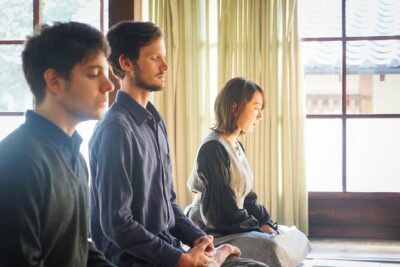
Kyoto Zen Meditation & Garden Tour at a Zen Temple with Lunch
Read our review →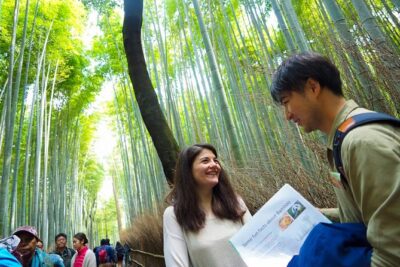
Kyoto Arashiyama Bamboo forest & Garden Half-Day Walking Tour
Read our review →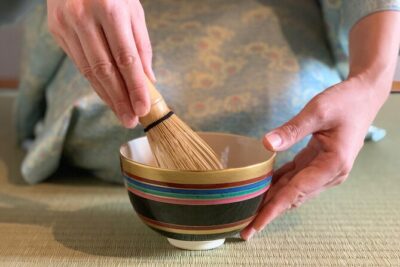
Authentic Kyoto Tea Ceremony: Camellia Flower Teahouse
Read our review →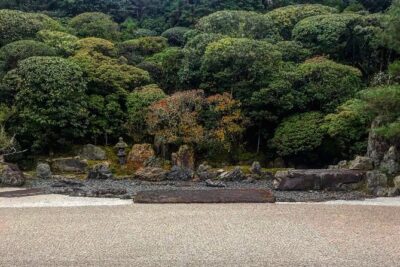
Kyoto Kiyomizu Tea Ceremony with Scenic Garden Views
Read our review →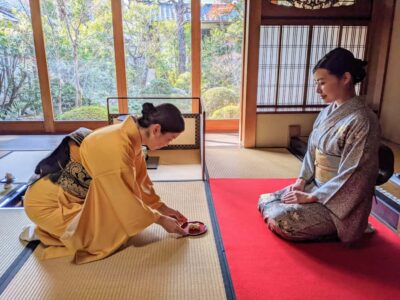
Stunning Private Tea Ceremony: Camellia Garden Teahouse
Read our review →Browse the lists this tour appears in