

Review · JAPAN
Walking Tour in Himeji Castle Garden and Aizome Indigo Dyeing
Himeji’s great attraction is easy to spot: the brilliant white castle rising above the city. This 8-hour tour gives you the castle, but it does not stop there. You’ll also see nine Edo-period garden styles, an old shrine with rare rituals, and try Aizome indigo dyeing with a local craft master.
I like the sensible mix of famous sight and local culture. The castle supplies the grand history, while the dyeing workshop gives you something to do with your hands. I also like that entrance fees and required bus tickets are included. The main drawback is the long day, and lunch is not provided, so you’ll need to plan around the schedule.
Key points at a glance
- Himeji Castle in two hours: Explore Japan’s largest surviving castle, a World Heritage Site and National Treasure.
- Nine garden styles at Koko-en: Walk through a series of Edo-period gardens beside the castle.
- Itatehyōzu Shrine: Add a quieter religious site known for rituals held every 20 and 60 years.
- Hands-on Aizome workshop: Learn about one of the world’s oldest vegetable dyes and take part in the process.
- Easy station meeting point: Start at JR Himeji Station at 9:30 a.m. and return there at the end.
- Small enough to stay personal: The group limit is 20 people, with an English-speaking guide.
Why this Himeji day works so well
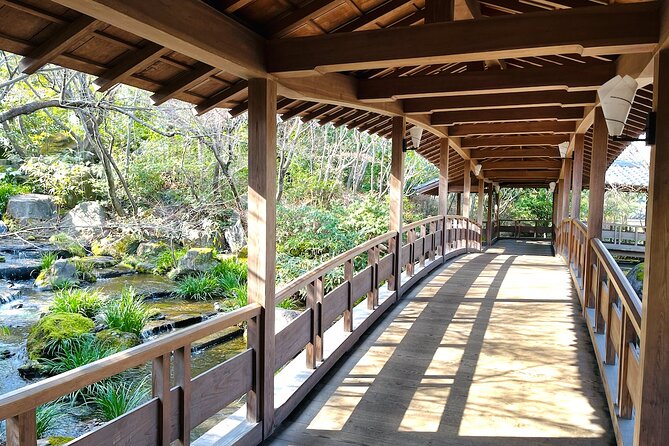
Himeji is often treated as a quick stop for one building: the castle. That is a shame. The castle is the star, but the city also offers gardens, a shrine, and traditional craft. This tour links those pieces in a single day, so you get a wider sense of Himeji without having to work out the route yourself.
The day has a useful rhythm. You begin with major architecture, move into garden design, pause at a religious site, and finish with a creative workshop. That order matters. After several hours of looking upward at castle towers and across carefully arranged gardens, the indigo session gives you a more active finish.
The meeting point is immediately after leaving the Central Gate of JR Himeji Station. The tour starts at 9:30 a.m., and the group returns to the same meeting point at the end. That is helpful if you are visiting Himeji by train or using the city as a day trip base.
The group can include up to 20 people. That is not a private tour, but it is still a manageable size for a guided walk and workshop. The guides speak English. Justin is one guide associated with the experience, and the day is designed to keep the explanations and activities moving rather than leaving you to decode the sights alone.
More Palace and Castle Gardens in Japan:
- Paris: Versailles Palace and Gardens Full Access Ticket
★ 4.6 · 41,579 reviews - Versailles: Skip-the-Line Tour of Palace and Gardens Access
★ 4.7 · 10,429 reviews - Granada: Alhambra & Gardens Tour w/Nasrid Palaces Option
★ 4.2 · 7,022 reviews
Himeji Castle: the essential first stop
From JR Himeji Station, the group takes about 15 minutes to reach Himeji Castle. You receive admission as part of the tour, so you do not need to arrange that separately.
The castle is the central reason many people come to Himeji. It is the largest existing castle in Japan, a World Heritage Site, and a National Treasure. Its white exterior is the feature you will recognize from Japanese travel images, but the interior and defensive design are just as important to the visit.
You can expect about two hours at the castle. That gives the guide time to explain the site’s role and history while you move through the grounds and castle areas. The description does not promise a private route or special after-hours access, so you should expect a standard public visit with interpretation from your guide.
A guide is particularly useful here. Himeji Castle can look simple from a distance: white walls, layered roofs, and a tall central structure. Up close, the layout reveals a more complicated defensive system. Without context, it is easy to admire the view and miss why the castle was built the way it was.
The practical issue is pace. Two hours is enough for a meaningful introduction, but it is not an unlimited castle visit. If you want to inspect every corner slowly, take extensive photographs, or read every sign, a self-guided full-day visit may suit you better. If you prefer a clear route and historical explanation, the scheduled time should feel more efficient.
Wear comfortable shoes for the walking portions of the day. The tour is built around several stops and uses buses between locations, so you should be ready for a full day on your feet.
Koko-en’s nine Edo-period garden settings
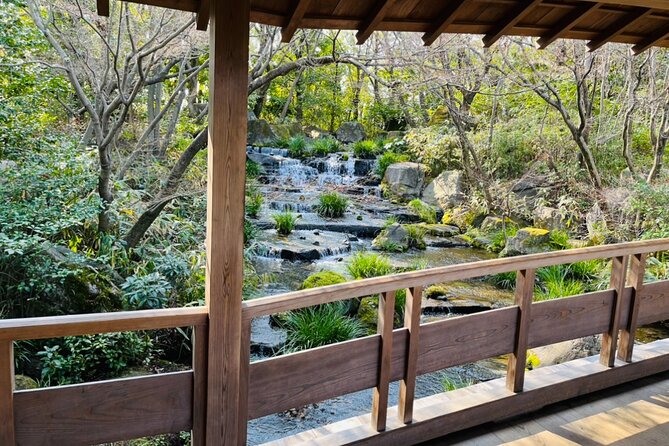
After Himeji Castle, the tour goes to Koko-en, the authentic Japanese garden beside the castle. You have about two hours here, and admission is included in the tour.
Koko-en is not one single garden with one repeated design. It consists of nine strolling gardens, each based on different Edo-period styles and themes. That variety makes the stop more interesting than a quick photo break. You can compare how water, plants, paths, walls, and viewing spaces are arranged from one section to another.
This is where the tour slows down. The castle is about scale, defense, and national importance. Koko-en is about proportion and controlled views. I like the contrast because it shows two very different ways Japan has shaped space: one built to protect power, the other built to frame calm moments.
You should not expect the gardens to function as a separate guided gardening course. The available information promises the setting and guided tour, not a detailed list of every planting or seasonal feature. Still, the guide can help connect the garden to the Edo period and explain what you are seeing as you walk.
The two-hour visit is generous enough to enjoy the grounds without rushing from one viewpoint to the next. It also gives you room for photographs. Garden appeal changes with the season, so your experience will depend partly on when you visit, but the different layouts give the stop structure even when a particular flower is not at its best.
One practical point: lunch is not included. Since the first half of the day takes you through the castle and gardens, do not assume you can simply stop for a long meal whenever you wish. Ask the guide about the day’s timing early on and carry what you need for the schedule.
Itatehyōzu Shrine and its rare rituals
The route then visits Itatehyōzu Shrine on the way back toward the shopping district. The shrine is known for the Ilsan ritual, held every 60 years, and the Samsan ritual, held every 20 years.
Those intervals make the site more than a quick shrine visit. You are seeing a place connected to traditions that do not occur every season, or even every decade. The rituals themselves may not be taking place during your tour, and the information does not promise a festival or ceremony on the day. The value is in learning about the shrine and the unusual calendar attached to its traditions.
This is a quieter stop than the castle. That change of pace can be welcome after the larger sites. You will have time to consider how Japanese culture is preserved not only through buildings, but also through practices passed from one generation to the next.
The shrine receives about two hours in the stated schedule. That is a substantial amount of time for a stop described as being on the way back to the shopping district. Because the exact activities during those two hours are not detailed, you should view this part as a guided cultural visit rather than a guaranteed special event.
For people interested in religious customs and local history, the shrine adds depth. If your priorities are only castles and hands-on crafts, this may feel like the least exciting part of the day. The guide’s explanation will matter here, and an English-speaking guide can make the difference between a quick look at a shrine and a meaningful account of why its rituals matter.
More Garden Walks in Japan:
- Imperial Palace East Garden and Edo Castle Walking Tour in Tokyo
★ 5.0 · 510 reviews - Kyoto Arashiyama Bamboo forest & Garden Half-Day Walking Tour
★ 5.0 · 413 reviews - Tokyo: Imperial Palace East Gardens Walking Tour
★ 4.8 · 353 reviews - Kyoto Guided Walking Tour: Secret Zen Garden and Fushimi Inari
★ 5.0 · 17 reviews
Aizome indigo dyeing at Wataya
The afternoon ends at Wataya with Aizome, or indigo dyeing. This is the most distinctive part of the experience because you are not simply looking at an object in a display case. You take part in a traditional Japanese craft.
Indigo is one of the oldest vegetable dyes in existence, with roots reaching back to ancient kingdoms of the Middle East before it arrived in Japan. The tour uses that background to place the workshop in a larger story of trade, craft, and material culture.
The session lasts about two hours, and the Aizome experience fee is included. A local master leads the workshop. The master is described as funny, engaging, and eager to connect with participants throughout the process. That personal contact is important. A craft demonstration can be passive, but a hands-on session gives you a reason to pay attention to each stage.
The exact item you will dye and the precise technique are not specified, so do not book this expecting a guaranteed particular souvenir. What is clear is that the activity is hands-on and guided, making it a strong choice if you want something beyond sightseeing.
Indigo dyeing also makes a good final stop. By this point, you have spent the morning looking at major historic places. The workshop lets you finish by making a direct connection with Japanese tradition. You leave with a better understanding of how culture can live in a process, not just in a monument.
This is also the part most likely to shape your memory of the day. The castle is grand and familiar from photographs. The dyeing workshop is more personal and less predictable. If you enjoy meeting craftspeople and trying a traditional activity, give this experience serious weight when judging the tour’s value.
What the $158.02 price includes
At $158.02 per person, this is not a low-cost castle visit. You are paying for a full day with a guide, several admissions, required bus tickets, and the indigo workshop.
The included items are:
- Entrance fees for each scheduled stop
- Bus tickets needed during the tour
- Aizome experience fee
- An English-speaking guide
That package makes the price easier to assess. A self-guided visit would cost less, especially if you only wanted to see Himeji Castle. But you would then need to arrange transport, research the garden and shrine, and find a separate indigo activity. The value here is convenience plus interpretation, not simply admission to one attraction.
The price makes the most sense for you if you want a complete day and would otherwise book several pieces separately. It is less compelling if you already know Himeji well, prefer to set your own pace, or want only the castle.
Because lunch is not included, add that expense to your daily budget. The tour’s all-day format also means you are giving up the freedom to linger or leave early at individual stops. That trade-off is normal for a guided day, but you should be comfortable with it before booking.
Timing, transport, and group size

The tour begins at 9:30 a.m. at JR Himeji Station, immediately after the Central Gate. The first transfer to the castle takes about 15 minutes, and bus tickets used during the tour are included.
The stated schedule gives about two hours to each of the four main stops, creating an 8-hour day. That is a substantial commitment, but it also means the experience is not a rushed castle photo stop. You get time for the castle, gardens, shrine, and workshop.
The tour ends back at the meeting point. That makes the final logistics simple, especially if you arrived by train. You do not have to find your way back from an unfamiliar workshop location.
A mobile ticket is available, and confirmation is sent at booking. The activity is near public transportation, and most people can participate. The group limit is 20, which gives you a reasonable chance to hear the guide and take part in the workshop without the scale of a large coach group.
The cancellation policy is flexible if your plans are uncertain: you can cancel for a full refund up to 24 hours before the start time. Cancellations or changes made less than 24 hours before the start time are not accepted for a refund.
Who should book this Himeji experience?
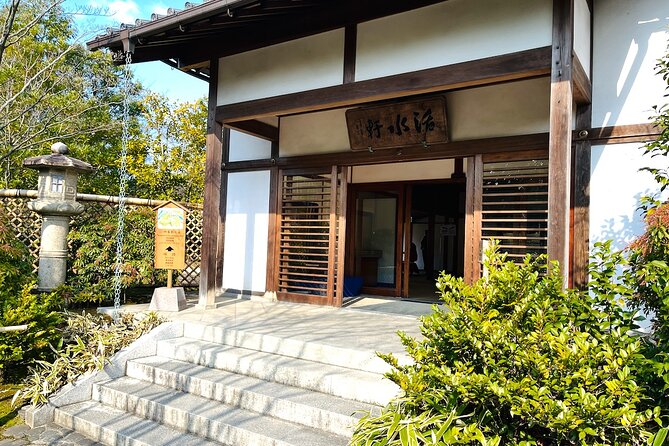
I would choose this tour if you are visiting Himeji for the first time and want more than the famous castle. It suits you especially well if you value clear transport arrangements, an English-speaking guide, and an activity you can try yourself.
It is a good match for couples, families, and solo visitors who enjoy a structured day. The combination of major sights and craft also works well for mixed interests. One person can enjoy architecture and history, while another gets the hands-on appeal of indigo dyeing.
You may want a different plan if you dislike fixed schedules, need a long lunch break, or prefer to spend an entire day inside Himeji Castle. The tour covers a lot, and the 8-hour format leaves less room for spontaneous detours.
The group size of up to 20 is worth noting. It is small enough to feel organized, but it is not a private experience. If personal attention is your top priority, ask yourself how comfortable you are sharing the guide and workshop with the rest of the group.
Should you book it?
Book this tour if you want Himeji in layers: its famous white castle, carefully designed gardens, an old shrine with rare ritual traditions, and a traditional craft you can try with a local master.
The strongest reason to book is the combination. A castle-only visit is easy to arrange, but the Aizome session gives the day a more personal finish. The included transport and admissions also reduce the planning work.
Skip it if you want maximum independence or a cheaper, castle-focused outing. At $158.02, the tour earns its price through the full-day structure, guide, transport, and workshop. For a first visit to Himeji, that is a fair exchange if you are ready for a long, scheduled day and can arrange your own lunch.
FAQ
Where does the tour begin?
The tour begins at JR Himeji Station in Japan. Meet immediately after exiting the station’s Central Gate.
What time does the tour start?
The start time is 9:30 a.m.
How long does the experience last?
The tour lasts approximately 8 hours.
Where does the tour end?
The activity ends back at the meeting point at JR Himeji Station.
Is Himeji Castle admission included?
Yes. Entrance fees for each scheduled stop, including Himeji Castle, are included.
Are bus tickets included?
Yes. The bus tickets required during the tour are included.
Is lunch included?
No. Lunch is not included in the tour price.
Is the Aizome indigo dyeing fee included?
Yes. The Aizome experience fee is included.
How many people can join the tour?
The activity has a maximum group size of 20 people.
Just added around Japan
- Tsumami Zaiku Japanese Fabric Flower Class★ 5.0 · 3 reviews
- Tokyo: Serene Sakura & Sake: An Exclusive Brewery Pairing Lunch★ 5.0 · 2 reviews
- Tsukiji Food Strolling and Hama Rikyu Garden Walking Tour★ 5.0 · 7 reviews
- Private tour – Scenic Fuji Escape: Hakone, Peace Park & More★ 5.0 · 4 reviews
- Tokyo Cherry Blossom Half Day Walking Tour with a Local Guide★ 3.5 · 4 reviews
- TOKYO: Tailored Gardens tour with Pro Gardener by E-bike -BASIC★ 5.0 · 2 reviews
- Cherry Blossom Highlights, Asakusa, Ueno, Imperial Palace Garden★ 4.5 · 4 reviews
- Japan’s Customs of Ikebana Art, Tea Ceremony & Kimono Welcome★ 5.0 · 2 reviews
Japan Garden Tours, compared.
Imperial Palace East Garden and Edo Castle Walking Tour in Tokyo
Read our review →
Kyoto Zen Meditation & Garden Tour at a Zen Temple with Lunch
Read our review →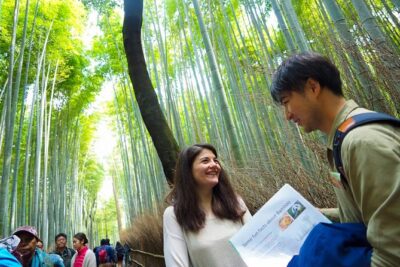
Kyoto Arashiyama Bamboo forest & Garden Half-Day Walking Tour
Read our review →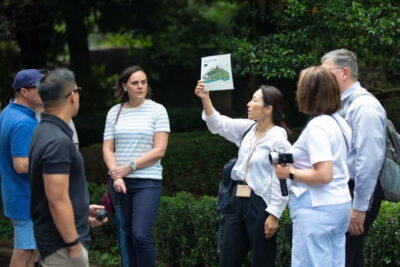
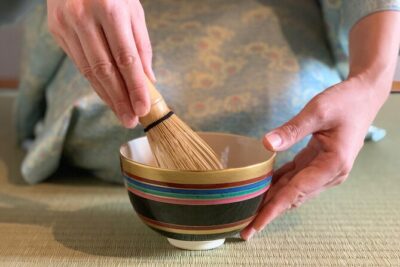
Authentic Kyoto Tea Ceremony: Camellia Flower Teahouse
Read our review →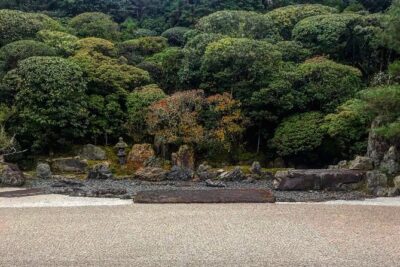

Edo Castle & East Garden of the Imperial Palace Tour
Read our review →Browse the lists this tour appears in