
Review · KYOTO
Ikebana Floral Design Workshop in Kyoto
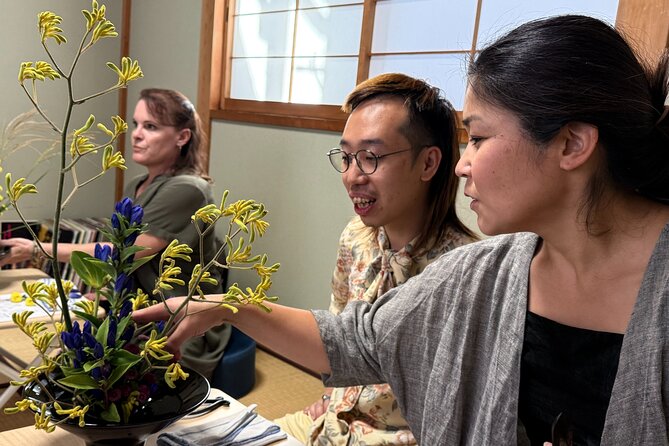
Ikebana turns a small bundle of flowers into a lesson in balance, harmony, and intention. At HanaYou’s Kyoto studio, founder Ryoko Arnwine leads a 90-minute class where beginners can learn the basics, create a personal arrangement, and take fresh flowers back to a hotel or home.
I like the intimate format, with no more than four people, and the chance to learn in English or Japanese. I also like that the class goes beyond cutting stems: it brings in cultural and historical context, then gives you a photo corner to record the finished work. The main drawback is practical: you must climb stairs to the second floor, and the studio tools are for class use only.
Key points to know before booking
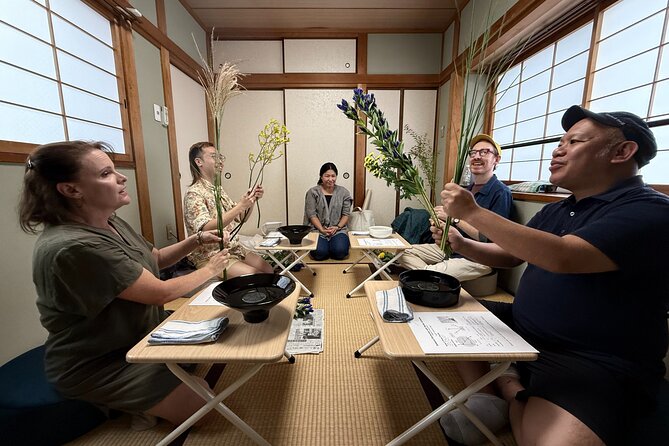
- A true beginner class: No previous ikebana experience is needed, and Ryoko guides you through the arrangement step by step.
- A very small group: The class has a maximum of four people, which allows for personal instruction in a quiet studio.
- Fresh flowers to take away: Your seasonal arrangement becomes a take-home souvenir, although personal tools are not included.
- Culture alongside technique: You learn about balance, harmony, and the meaning of flower placement, not just where to put each stem.
- A calm 90-minute pause: Tea, a seasonal sweet, and a peaceful setting make this a useful break from Kyoto sightseeing.
- Simple logistics: The meeting point is near public transportation in Kawaramachi Marutamachi, but transportation to and from the studio is your responsibility.
What makes this Kyoto ikebana class different
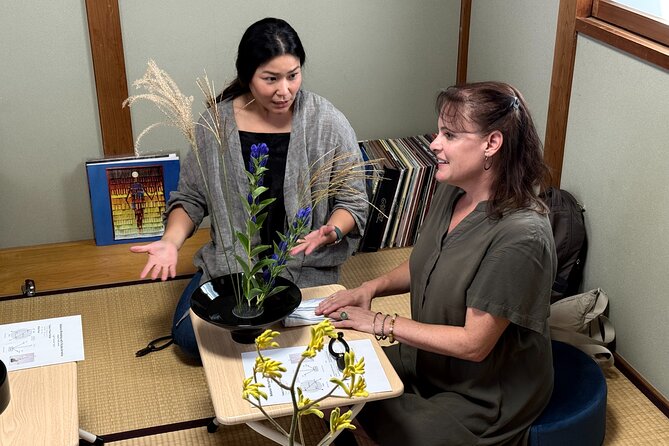
Kyoto offers plenty of formal cultural activities, but this one asks you to make something with your own hands. You are not simply watching a demonstration or passing through a historic room. You work directly with flowers, scissors, a vase, and other studio equipment.
That hands-on work is the point. Ikebana is not ordinary bouquet-making. The arrangement depends on the relationship between stems, empty space, height, direction, and balance. You learn to consider the shape of each flower instead of packing every gap with color.
The class is led by Ryoko Arnwine, HanaYou’s founder. Instruction is available in English or Japanese, based on your preference. That matters because floral design can be hard to follow from gestures alone. Clear guidance lets you focus on the shapes and choices in front of you.
The small group size also changes the mood. With no more than four people, this is not a busy workshop where you wait for a turn. You can expect a more personal session, with room to ask questions and adjust your arrangement as you work.
A few more garden visits around Kyoto worth a look
- Traditional Japanese Flower Styling Workshop – Ikebana in Kyoto
★ 5.0 · 10 reviews - Kyoto: Premium Ikebana Workshop with Vase Souvenir
★ 5.0 · 2 reviews - Anggrek Putih Lombok Cooking Class
★ 5.0 · 253 reviews
Arriving at HanaYou’s Kawaramachi Marutamachi studio
Your meeting point is at Kawaramachi Marutamachi, Iseyacho, in Kyoto’s Kamigyo Ward, postal code 602-0873. The studio is near public transportation, but the activity does not include transport, so you will need to make your own way there.
Plan a little extra time for the first arrival. The listed meeting point gives a neighborhood address rather than a major attraction name, and the studio is on the second floor. You will need to walk up stairs, so this is worth keeping in mind if you have heavy luggage or difficulty with stairs.
Once inside, the setting is designed for quiet concentration. The class does not try to fill every minute with sightseeing stops. Instead, it gives you one room, a set of flowers, and enough time to pay attention.
That slower pace is useful in Kyoto. After temples, markets, train platforms, and crowded streets, arranging flowers can feel like a reset. You are still learning something, but the activity does not demand the same quick movement as a standard city tour.
The 90-minute class, step by step
The experience is built around a hands-on 90-minute lesson. All the equipment you need during the class is supplied, including a vase, scissors, pins, and other studio items.
You begin as a complete beginner if you wish. No prior training is required, and the format is suited to people who have never handled ikebana tools before. Ryoko guides you through the process rather than expecting you to arrive with a set style or technical background.
A useful part of the lesson is learning how the placement of each flower affects the whole arrangement. The aim is not simply to make something symmetrical. You consider balance, harmony, and the meaning that can come from the direction and position of a stem.
The class also includes historical and cultural perspectives. This gives context to the design choices. You begin to see why ikebana is treated as an art form with its own ideas, rather than as a quick way to decorate a table.
Your arrangement develops under guidance, but it still leaves room for personal expression. That balance is important. You are learning a traditional craft, yet the finished piece is your own work, not a copy assembled entirely by the instructor.
The class ends with a real arrangement made from fresh seasonal flowers. You can take the flowers back to your hotel, which makes the experience more than a short creative exercise. Your souvenir is something you made, and it changes as the flowers open and age.
Learning balance, space, and flower placement
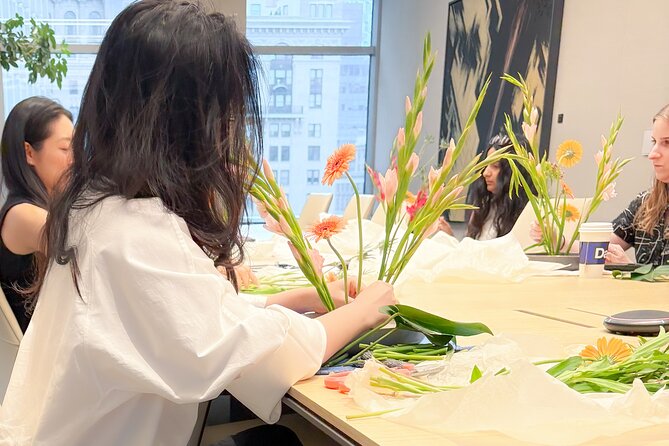
The most useful lesson here is learning to see space. Beginners often want to fill a vase evenly, but ikebana works with the gaps as much as with the flowers. A stem may lean, rise, or point away from the center to create a sense of movement.
You also learn that a flower’s position carries meaning within the overall design. The reviews of the class specifically praise the focus on balance, harmony, and flower placement. Those ideas give you a way to understand what you are doing instead of simply following instructions by rote.
This approach suits curious visitors who like cultural activities with a practical result. You leave with a better sense of how traditional Japanese design uses restraint and proportion.
It is also a good fit if you enjoy gardens or plants. One participant spoke with Ryoko about a garden at home and hoped to continue ikebana after returning. That points to one of the class’s strengths: it can be a one-time Kyoto activity, but it may also start a lasting interest.
Do not expect to become an accomplished ikebana artist in 90 minutes. The class is an introduction. Its value comes from giving you a sound first look at the principles and a chance to practice them with help close at hand.
Same place, a different kind of green day out:
- Kyoto Zen Meditation & Garden Tour at a Zen Temple with Lunch
★ 5.0 · 441 reviews - Kyoto Arashiyama Bamboo forest & Garden Half-Day Walking Tour
★ 5.0 · 413 reviews - Authentic Kyoto Tea Ceremony: Camellia Flower Teahouse
★ 5.0 · 269 reviews - Kyoto: Zen Garden, Zen Mind (Private)
★ 5.0 · 126 reviews
Tea, seasonal sweets, and a photo corner
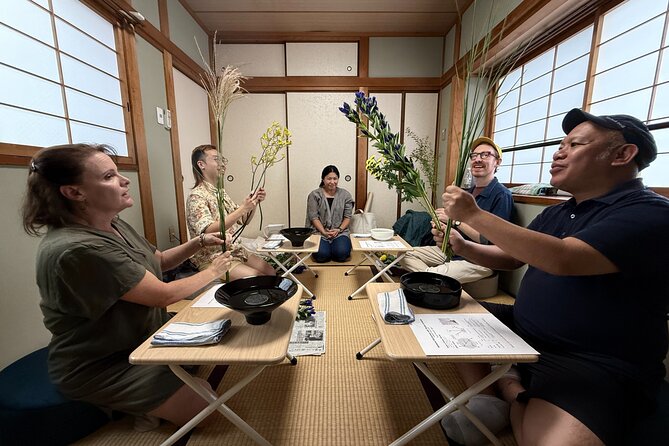
The class includes traditional Japanese tea and a seasonal sweet. These are small touches, but they help shape the pace of the experience. You get a short moment to pause and enjoy something connected to Japanese hospitality rather than rushing from one task to the next.
The seasonal sweet adds a detail that fits the flower lesson. Both the flowers and the sweet reflect the time of year, giving the class a stronger connection to the season of your visit.
A photo corner is also available for your arrangement. This is practical because the finished piece may be difficult to carry around Kyoto for the rest of the day. You can photograph it in a prepared setting before taking the fresh flowers back to your hotel.
The photo setup does not replace the souvenir itself. You still leave with the flowers, but the photographs let you preserve the shape of the arrangement after the stems change.
What the price of $97.73 includes
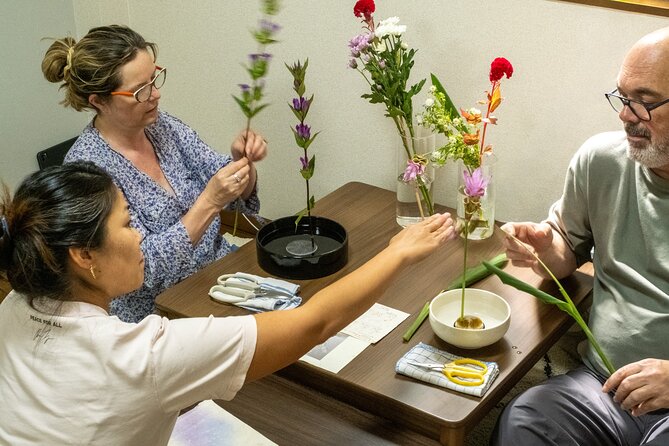
At $97.73 per person, this is not a cheap filler activity. I would judge the price by what is included and by the small class size.
You receive 90 minutes of instruction from Ryoko Arnwine, fresh seasonal flowers, use of the studio equipment, tea, a seasonal sweet, and access to the photo corner. You also take your arrangement with you. There is no need to buy flowers or rent tools separately for the session.
The equipment is included for use during class, but it is not a take-home gift. If you want to continue ikebana, you will need your own tools later. That distinction is easy to miss, so budget for it mentally if you are hoping to make this a long-term hobby.
The experience is better value for you if you care about personal instruction and cultural context. A larger group class might cost less, but it would not necessarily give you the same quiet setting or access to the instructor. With a maximum of four people, much of the price pays for attention and time.
It may be less appealing if you only want a quick photo or a ready-made souvenir. You are paying for the process of making the arrangement, not simply receiving one. The class is most worthwhile when you want to learn and participate.
Who will enjoy this experience most
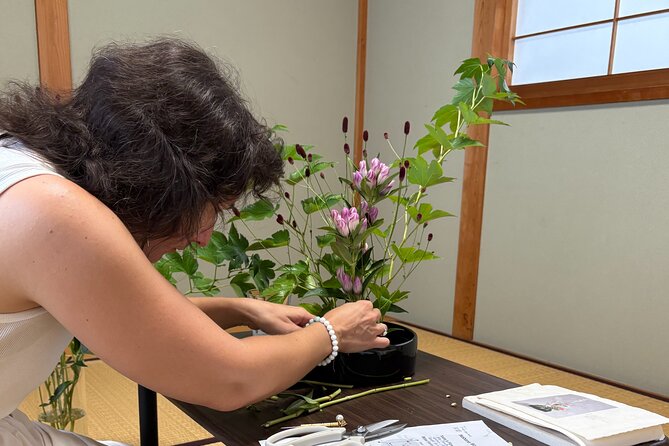
This class is suited to first-time ikebana students. You do not need prior experience, and the instruction can be given in English or Japanese.
It also works well for couples, friends, and solo visitors who prefer a small activity over a large group tour. The four-person limit keeps the format personal and makes it easier to ask questions.
I would recommend it to anyone who wants a quieter Kyoto memory. The class gives you a break from sightseeing without cutting you off from Japanese culture. You are still learning about a traditional art, but the lesson is active and relaxed.
It is also a good choice for people who enjoy making things. The flowers are not just part of the room. You shape the arrangement yourself, photograph it, and carry it away.
Families should consider the age and interest of each participant, since the supplied information does not specify a child age range. Most people can take part, but everyone must manage the stairs to the second floor.
Things to plan before you go
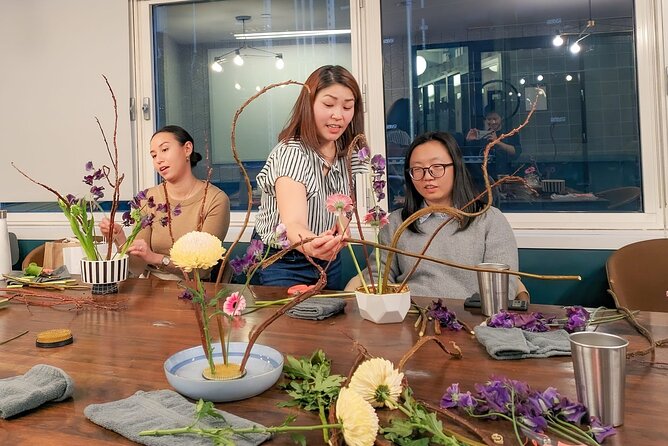
The experience is booked, on average, 46 days in advance. That suggests you should not leave it until the final day of a popular Kyoto trip, especially if your dates are fixed.
The mobile ticket makes entry simple once you arrive. Confirmation is provided when you book. Still, check your meeting details carefully and allow enough time to reach the Kawaramachi Marutamachi area.
Wear something that lets you work comfortably with flowers and tools. The class supplies the equipment, but you are responsible for getting your finished arrangement back to your hotel. Fresh flowers are not as easy to carry as a small souvenir, so think about the rest of your day before booking a morning or afternoon slot.
Free cancellation is available up to 24 hours before the start time for a full refund. Changes or cancellations made less than 24 hours before the class are not accepted for a refund, and the cut-off follows Kyoto local time.
The main benefits and limitations
The strongest part of the experience is the combination of close instruction and personal work. Ryoko’s teaching covers technique, cultural background, balance, and the meaning of placement. That gives you more substance than a simple craft session.
The fresh flowers are another clear benefit. You leave with a physical reminder of Kyoto, not just a few photographs. The photo corner adds value without turning the class into a staged photo stop.
The main limitations are the short duration and the lack of take-home tools. Ninety minutes is enough for a first lesson, but not for advanced study. You will learn the foundations and complete one arrangement, not master the full craft.
The stairs may also be a concern. The studio is on the second floor, and no elevator information is provided. If stairs are difficult for you, contact the provider before booking.
Should you book HanaYou’s ikebana workshop?
Book this experience if you want a small, calm, hands-on cultural activity in Kyoto. It is especially suitable for beginners, flower lovers, and anyone who prefers making a personal souvenir to buying another object in a shop.
The $97.73 price makes sense if you value the small group, instruction from Ryoko Arnwine, seasonal flowers, tea, the sweet, and the chance to take your arrangement away. It makes less sense if you want a low-cost introduction or a fully passive demonstration.
I would place this on a Kyoto itinerary when you need a slower afternoon and want something with lasting meaning. Just allow for the second-floor stairs, arrange your own transport, and remember that the studio tools stay behind. For the right visitor, the reward is not only a pretty arrangement. It is learning to look at flowers with more care.
FAQ
How long does the ikebana workshop last?
The class lasts approximately 90 minutes.
Do I need previous ikebana experience?
No. The class is designed for beginners, and no prior experience is required.
Who teaches the class?
The class is led by Ryoko Arnwine, founder of HanaYou.
Is instruction available in English?
Yes. Guidance is available in English or Japanese, according to your preference.
What does the workshop include?
It includes 90-minute instruction, fresh seasonal flowers, use of studio equipment during class, traditional Japanese tea, a seasonal sweet, and use of a photo corner.
Can I take my flower arrangement with me?
Yes. You can take the fresh flowers back to your hotel.
Can I take the ikebana tools home?
No. The vase, scissors, pins, and other studio equipment are provided for use during the class only.
Where does the workshop meet?
It meets at Kawaramachi Marutamachi, Iseyacho, Kamigyo Ward, Kyoto, 602-0873, Japan.
Does the activity include transportation?
No. Transportation to and from the studio is not included.
Is the studio accessible without stairs?
The studio is on the second floor, and you must walk up stairs. No elevator information is provided.
How many people can join the class?
The activity has a maximum of four participants.
Can I cancel for a full refund?
Yes, if you cancel at least 24 hours before the experience start time. Cancellations or changes made less than 24 hours before the start time are not refunded.
Just added around Kyoto
- Kyoto-Nara Adventures Private Tour With Hotel Pick Up★ 4.0 · 5 reviews
- Ikebana Traditional Japanese Art of Flower Arranging★ 4.5 · 19 reviews
- Traditional Japanese Flower Styling Workshop – Ikebana in Kyoto★ 5.0 · 10 reviews
- Stunning Private Tea Ceremony: Camellia Garden Teahouse★ 5.0 · 28 reviews
- Kyoto Hidden Treasures: Special Temple & Garden Access Tour★ 4.5 · 25 reviews
- Zen Garden Making and Matcha Tasting in Handmade Pottery Shop★ 3.5 · 2 reviews
- Guided Kyoto City Cherry Blossom One Day Private Tour★ 5.0 · 16 reviews
- Kyoto: Kinkaku-ji Temple & Serene Garden Guided Tour with Tickets★ 5.0 · 9 reviews
Kyoto Garden Tours, compared.
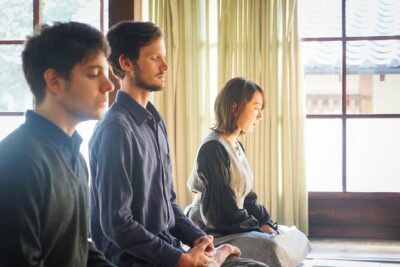
Kyoto Zen Meditation & Garden Tour at a Zen Temple with Lunch
Read our review →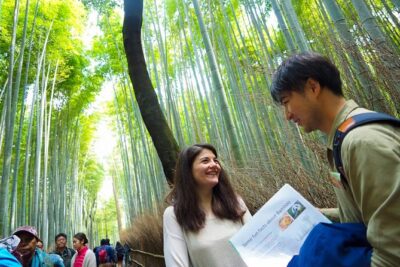
Kyoto Arashiyama Bamboo forest & Garden Half-Day Walking Tour
Read our review →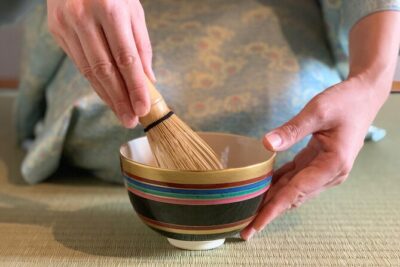
Authentic Kyoto Tea Ceremony: Camellia Flower Teahouse
Read our review →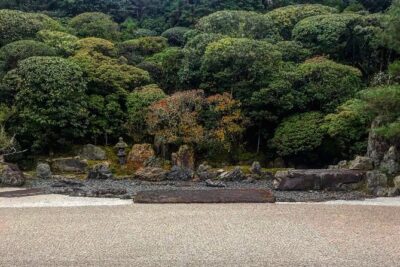
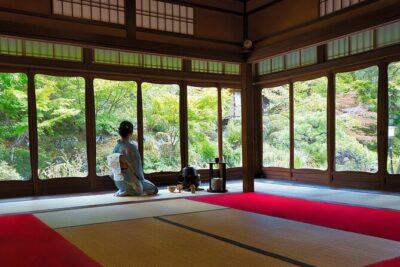
Kyoto Kiyomizu Tea Ceremony with Scenic Garden Views
Read our review →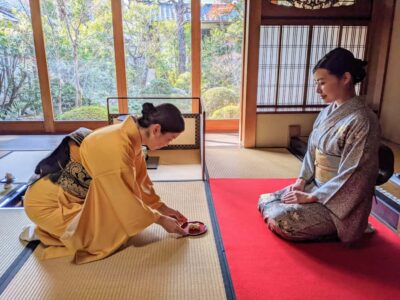

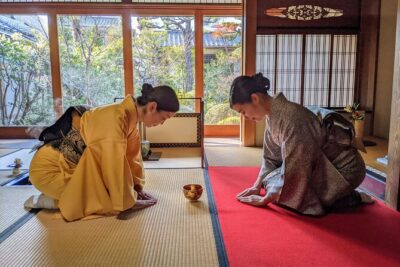
Stunning Private Tea Ceremony: Camellia Garden Teahouse
Read our review →Browse the lists this tour appears in