
Review · JAPANESE & ZEN
Kyoto: Make Zen Garden and Taste Matcha in Pottery Shop
Kyoto’s Zen gardens are usually made for quiet viewing, not for getting your hands on the rake. At Ninshu, you create a small karesansui garden in the back of a renovated 100-year-old machiya, then sit in front of it with matcha and a Japanese sweet. It is a compact way to take part in a Kyoto tradition instead of only photographing one.
I like the easy mix of hands-on creativity and tea culture, and I like that the pottery shop puts you in a useful local setting rather than a purpose-built attraction. The main drawback is the short 30-minute schedule and light instruction. If your group makes decisions quickly, the garden portion may be over sooner than expected.
Key points at a glance
- Rake your own karesansui: Shape sand and arrange your small Zen garden instead of simply looking at one.
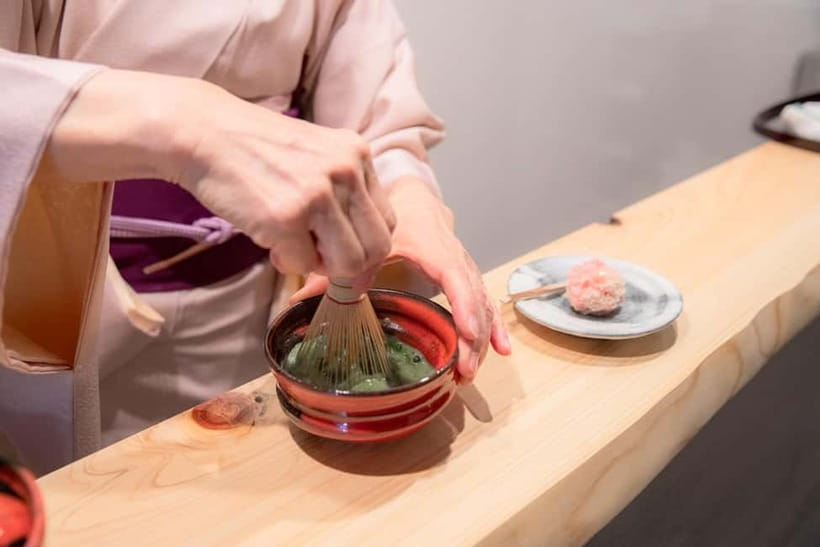
- Tea from Ippodo: Enjoy hot or iced matcha from one of Kyoto’s best-known tea companies.
- Seasonal wagashi: A Japanese sweet from Senbon Tamajushuken accompanies the tea.
- A real machiya setting: The activity takes place in a renovated 100-year-old Kyoto townhouse.
- Small group size: The experience is limited to eight people, which suits a short, personal activity.
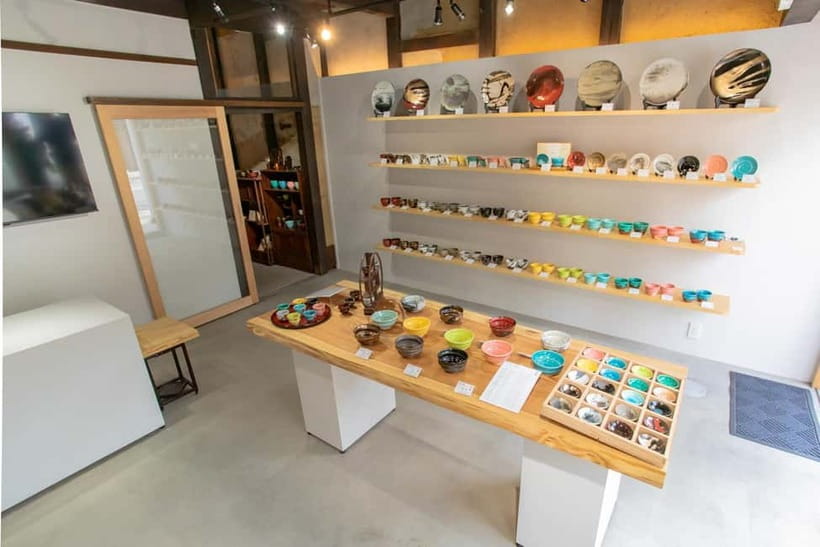
- Useful pottery souvenirs: Handmade pieces are dishwasher and microwave safe, making them practical for overseas homes.
Making a Zen garden inside a Kyoto pottery shop
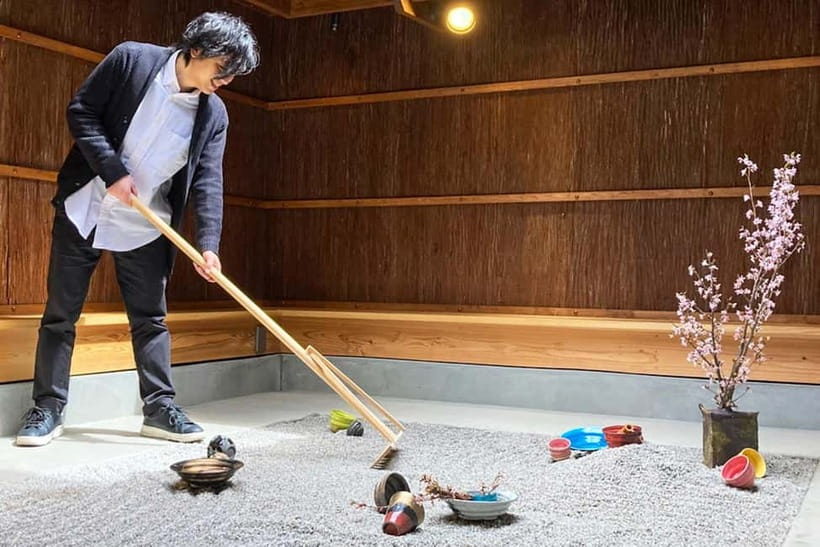
The heart of this activity is simple: you rake sand and decorate a miniature garden of your own. In a traditional Kyoto temple, a Zen garden is usually something you sit near and contemplate. Here, you get to decide how the surface looks and where the decorative elements go.
That change in role matters. You are not being asked to master temple gardening or follow a formal ceremony. You are given room to make an original arrangement. The activity is free-form, so you can work quickly or spend a little time considering the pattern.
I would approach it as a small creative exercise, not as a technical lesson. The available information does not promise detailed instruction, and one experience report specifically found the guidance limited. That can disappoint anyone hoping for a long explanation of Zen design. On the other hand, it keeps the mood relaxed and lets you make something personal without worrying about getting every line right.
If you are decisive, the raking and decorating can be finished quickly. Families, couples, and friends may enjoy comparing their choices, while people who prefer structured teaching should keep expectations modest. The appeal is participation, not a full course in Japanese garden design.
More Japanese Garden Tours in Kyoto
- Kyoto: Zen Garden, Zen Mind (Private)
★ 5.0 · 126 reviews - Kyoto: Japanese Gardens Private Customizable Tour
★ 4.1 · 18 reviews - Kyoto Guided Walking Tour: Secret Zen Garden and Fushimi Inari
★ 5.0 · 17 reviews
What karesansui means in this setting
Karesansui is the Japanese term commonly used for a dry garden made with elements such as sand, gravel, and stones. The sand can suggest water, while the patterns made by a rake bring order and movement to an otherwise spare design.
At Ninshu, you get a small-scale introduction to that visual language. You are not visiting a major temple garden, and this is not meant to replace time at a famous Kyoto site. Instead, it gives you a direct, physical sense of how a garden can be shaped with very few materials.
I find that useful for anyone who has looked at a Zen garden and wondered how the patterns are made. The experience turns an abstract idea into a short activity you can understand with your hands. It also gives you a personal object of memory: the garden you arranged, photographed before it is changed for the next group, or simply remembered as part of the afternoon.
The setting adds to the effect. A renovated machiya offers a traditional Kyoto atmosphere without requiring a long temple visit. You are combining a townhouse, pottery, garden design, tea, and sweets in one small stop.
Matcha and wagashi in front of your creation
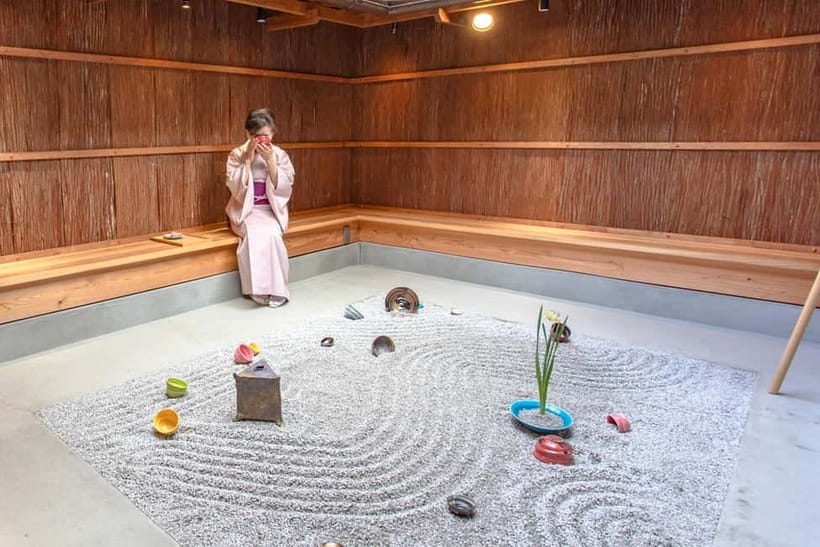
After making the garden, you sit in front of it and enjoy matcha from Ippodo, the Kyoto tea company. You can choose hot or iced matcha, according to the details provided by the experience and a past participant’s description.
The tea is served with a seasonal wagashi sweet from Senbon Tamajushuken. The sweet is not just a snack added to the price. Wagashi is part of the presentation of Japanese tea, and its seasonal character gives this short activity a stronger link to Kyoto’s food culture.
I like the order of the experience. First, you use your hands and make a design. Then you pause with tea and a sweet while looking at what you created. That quiet second half gives the activity a natural rhythm, even though the entire visit lasts only half an hour.
The tea and sweet also create a good photo moment. You can take pictures of yourself eating matcha and wagashi in front of your own Zen garden. This is more personal than taking another posed picture beside a garden that thousands of people have seen.
Still, keep the scale in mind. The experience is a brief taste of matcha culture, not a formal tea ceremony. If you want an extended ceremony with elaborate movements and a longer explanation, this will feel too short. If you want a small serving of Kyoto culture that fits between sightseeing stops, the format works well.
The 100-year-old machiya atmosphere
Ninshu operates in a renovated 100-year-old Kyoto townhouse. The machiya setting is one of the reasons this activity feels more connected to the city than a generic craft workshop in a modern commercial space.
Traditional townhouses often combine a narrow street frontage with rooms extending toward the back. Here, the garden is in the rear of the pottery shop, giving you a change from the shop floor to a quieter working area. The supplied information does not describe the exact layout or architectural details, so I would not book this expecting a guided tour of the building.
What you can count on is the combination of old Kyoto architecture and a small craft business. That makes the stop easy to pair with nearby sightseeing. It also means you can browse pottery before or after the activity, rather than making a separate trip to a souvenir store.
The location is particularly convenient for anyone already visiting the Kyoto Imperial Palace area. The shop is about 100 meters south of Kyoto Imperial Palace Park along Teramachi Dori, and it is two minutes north of Ippodo. That makes the tea connection especially tidy: you can visit the famous tea company nearby, then take part in a hands-on tea experience at Ninshu.
Same place, a different kind of green day out:
- Kyoto Zen Meditation & Garden Tour at a Zen Temple with Lunch
★ 5.0 · 441 reviews - Kyoto Arashiyama Bamboo forest & Garden Half-Day Walking Tour
★ 5.0 · 413 reviews - Authentic Kyoto Tea Ceremony: Camellia Flower Teahouse
★ 5.0 · 269 reviews - Kyoto Kiyomizu Tea Ceremony with Scenic Garden Views
★ 5.0 · 101 reviews
Pottery you can actually use at home
The pottery shop sells handmade pieces as souvenirs. The practical advantage is that the pottery is dishwasher and microwave safe, a feature that makes a real difference if you live outside Japan and want to use the item regularly.
Many traditional craft souvenirs look beautiful but require special care. Dishwasher and microwave safety removes some of that worry. You can buy a bowl, cup, or other piece as a reminder of Kyoto without treating it as something that must sit untouched on a shelf. The exact designs, prices, and stock are not specified, so you should view the shopping as an optional extra rather than a guaranteed part of the activity.
I like this part of the experience because it ties the garden and tea to the shop’s main purpose. You are not simply buying a mass-produced Kyoto label after a tourist activity. You are looking at handmade pottery in the place where the activity takes place.
If you are traveling with limited luggage space, check the size and packing arrangements before buying. Those details are not provided. The dishwasher and microwave information tells you about use, but it does not tell you how large the pieces are or how they are protected for the journey home.
A 30-minute schedule that fits a busy Kyoto day
Thirty minutes is both the strength and the limitation of this activity. I can easily see it fitting before lunch, after a visit to the Imperial Palace Park, or between other stops in central Kyoto. You do not need to give up half a day.
The rough flow is:
- Arrive at Ninshu in the machiya pottery shop.
- Make and decorate your own small Zen garden with a rake.
- Sit in front of the garden.
- Drink hot or iced matcha from Ippodo.
- Eat a seasonal wagashi sweet from Senbon Tamajushuken.
- Take photos and browse the handmade pottery if you wish.
The exact minutes spent on each step are not stated. Since the garden making is free-form, your group’s pace will shape the visit. A creative group that wants to make several changes may use more of the available time. A group that makes quick choices may move to tea almost at once.
That short schedule makes the activity easy to recommend as an add-on, but I would not build an entire afternoon around it. The experience gives you a focused sample of Kyoto culture. It does not offer the length needed for a slow workshop, a detailed garden lesson, or an extended tea presentation.
Why the small group matters
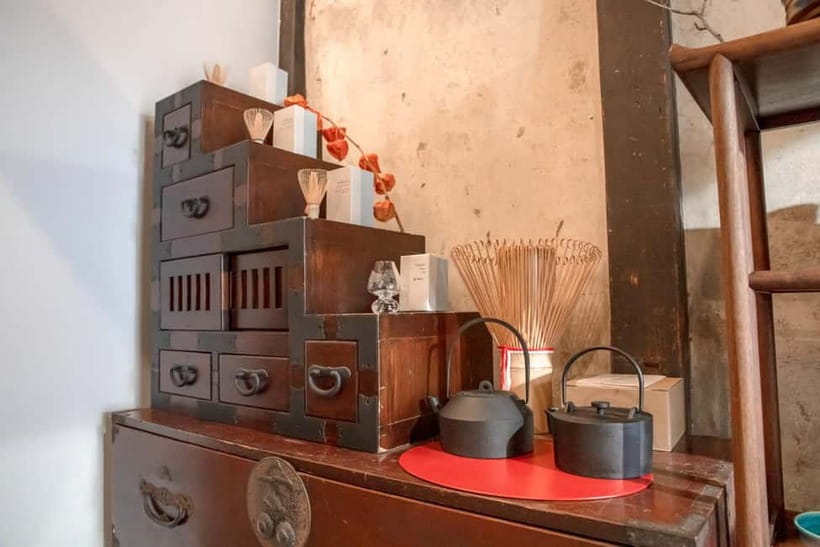
The group is limited to eight participants. That is a sensible size for a compact shop and a hands-on garden activity. You are less likely to feel lost in a crowd, and the setting should remain personal even when the group is full.
A small group also affects the creative side. If everyone is making a garden at the same time, you can see different approaches without turning the experience into a large class. Couples and friends can make their own designs, then compare the results over tea.
The tradeoff is that the mood depends partly on the people booked for your time. A group that moves quickly may leave less room for quiet experimentation. Since there is not a lot of formal instruction, your enjoyment will depend on how comfortable you are making choices independently.
I would recommend this format to you if you like short cultural activities with a clear beginning and end. If you need a guide to explain every stage in detail, ask yourself if a free-form craft is the right match before booking.
Finding Ninshu in central Kyoto
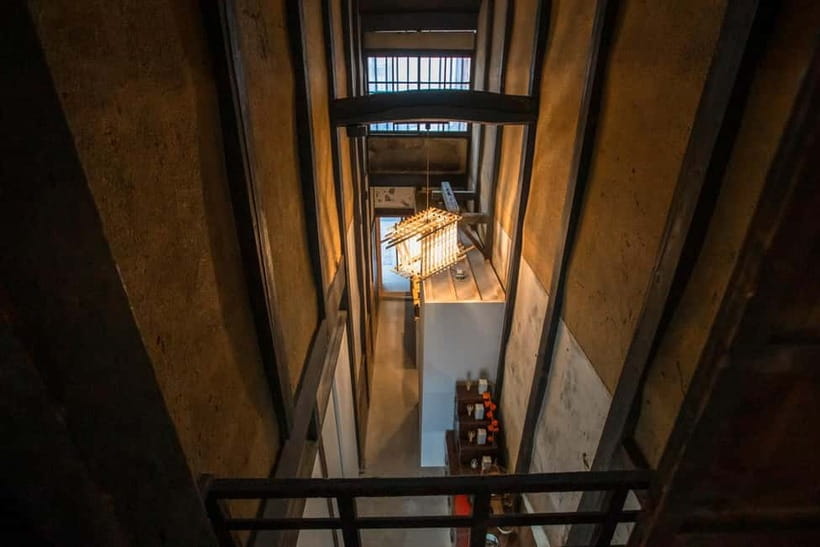
The meeting point is easy to connect with central Kyoto landmarks. Ninshu is 100 meters south of Kyoto Imperial Palace Park along Teramachi Dori and two minutes north of Ippodo.
From public transport, the walk is about 11 minutes from Kyoto Shiyakusho-mae Station on the Subway Tozai Line. It is about nine minutes from Jingu-marutamachi Station on the Keihan Main Line. The listed coordinates are 35.0157879, 135.7673992.
I would allow a little extra time because the experience is short and the value depends on arriving ready to begin. The shop’s position near Teramachi Dori also gives you a useful reason to stay in the area afterward. One past participant particularly liked the surrounding antiques and traditional homeware shops, so you can turn this 30-minute booking into part of a longer browsing walk.
The nearby location of Ippodo is also worth noting. You are not traveling across Kyoto to find the tea connection. The shop and the activity sit in a district where traditional food, crafts, and older commercial streets come together.
Is $12 a fair price?
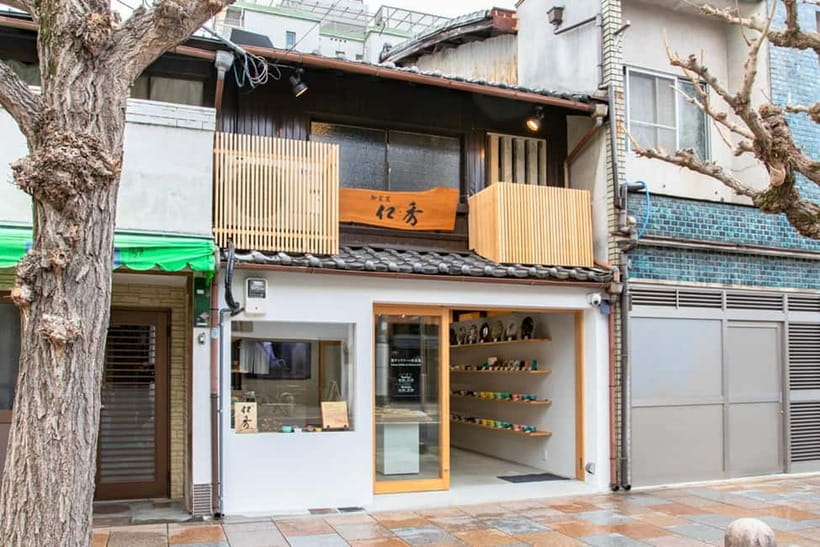
At $12 per person, the price is low for a guided cultural activity in Kyoto. It includes the experience itself, matcha, the seasonal Japanese sweet, and reservation and system fees.
The value comes from the combination rather than from the amount of tea or the length of the workshop. You get a hands-on garden activity, a drink from Ippodo, wagashi from Senbon Tamajushuken, time in a machiya, and access to a pottery shop. For a short stop near the Imperial Palace, that is a useful package.
You should not compare the price with a long tea ceremony or a full pottery class. Those experiences provide more time and usually more instruction. Compare it instead with the cost of finding a comparable tea and sweet on your own, then add the chance to make and photograph your own Zen garden.
The low price also makes the activity a reasonable choice if you are testing your interest in Japanese crafts. You can try it without committing a whole morning or spending heavily on a workshop. The main question is not cost. It is whether you want a quick, lightly guided experience.
Who will enjoy this most?
I would point this activity toward:
- First-time Kyoto visitors who want several cultural elements in one compact stop.
- Couples and friends who enjoy making different designs and taking photos together.
- Families with older children who prefer doing something rather than only looking.
- Tea and pottery fans who want a practical souvenir and a taste of local craft.
- Busy sightseers who can spare 30 minutes near the Imperial Palace or Teramachi Dori.
- Creative people who are happy with free-form instructions.
I would be more cautious if you want a formal Zen lesson, a serious pottery class, or a long tea ceremony. The activity is intentionally small and simple. Its appeal is the combination of several Kyoto traditions in one shop, not depth in any single one.
Booking flexibility and practical details
You can cancel up to 24 hours in advance for a full refund. The reserve-now, pay-later option lets you hold a place without paying on the day you book, which is useful while arranging a Kyoto schedule.
Availability depends on the starting times offered for your date. The duration is fixed at 30 minutes, and the group size is limited to eight. Matcha and the seasonal wagashi are included, so you do not need to budget separately for those parts.
The activity has received five-star ratings in the supplied booking information, with praise focused on the creative space, friendly help, tasty matcha and sweet, and the convenient area. One French participant described the experience as very zen, while another found it fun but more free-form and less instructional than expected. That contrast is useful: go for the atmosphere and participation, not for a detailed lesson plan.
Should you book the Ninshu Zen garden experience?
Book it if you want a short, affordable Kyoto activity that combines making, tasting, and browsing. The $12 price is easy to justify when you value the Ippodo matcha, seasonal wagashi, machiya setting, and chance to create a garden rather than only view one.
I would especially choose it on a day near Kyoto Imperial Palace Park, Ippodo, or Teramachi Dori. You can fit it into a larger walk and then spend time looking at antiques and traditional homeware shops nearby.
Skip it if you want extensive instruction or a full tea ceremony. The garden work may be brief, and the format leaves you to make many choices yourself. For the right person, though, that freedom is the point: you make a small Kyoto memory with your own hands, then enjoy tea beside it.
FAQ
How long does the Zen garden and matcha activity last?
The activity lasts 30 minutes.
What does the $12 price include?
The price includes the experience cost, matcha, seasonal Japanese sweets, and reservation and system fees.
Can I choose hot or iced matcha?
Yes. The experience offers hot or iced matcha.
Where is Ninshu located?
Ninshu is about 100 meters south of Kyoto Imperial Palace Park along Teramachi Dori and two minutes north of Ippodo. It is about 11 minutes on foot from Kyoto Shiyakusho-mae Station and nine minutes from Jingu-marutamachi Station.
How many people can join the activity?
The experience is a small group activity limited to eight participants.
Can I cancel for a refund?
You can cancel up to 24 hours in advance for a full refund.
Just added around Kyoto
- Kyoto-Nara Adventures Private Tour With Hotel Pick Up★ 4.0 · 5 reviews
- Ikebana Traditional Japanese Art of Flower Arranging★ 4.5 · 19 reviews
- Traditional Japanese Flower Styling Workshop – Ikebana in Kyoto★ 5.0 · 10 reviews
- Stunning Private Tea Ceremony: Camellia Garden Teahouse★ 5.0 · 28 reviews
- Kyoto Hidden Treasures: Special Temple & Garden Access Tour★ 4.5 · 25 reviews
- Zen Garden Making and Matcha Tasting in Handmade Pottery Shop★ 3.5 · 2 reviews
- Guided Kyoto City Cherry Blossom One Day Private Tour★ 5.0 · 16 reviews
- Kyoto: Kinkaku-ji Temple & Serene Garden Guided Tour with Tickets★ 5.0 · 9 reviews
Japanese & Zen Garden Tours, compared.
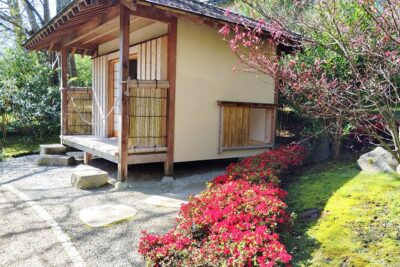
Lafcadio Hearn Japanese Gardens Admission Adult Ticket
Read our review →
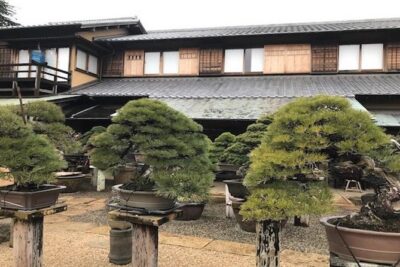
Make Your Own Bonsai with a Professional Bonsai Artist in Tokyo
Read our review →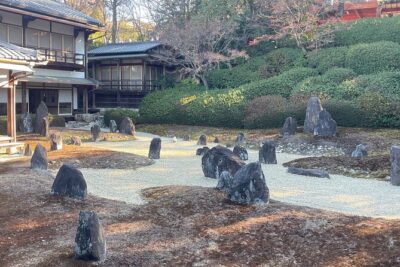
Kyoto Guided Walking Tour: Secret Zen Garden and Fushimi Inari
Read our review →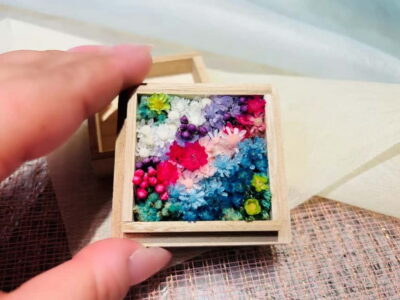
Experience Crafting a Flower-Adorned Mini Japanese Garden
Read our review →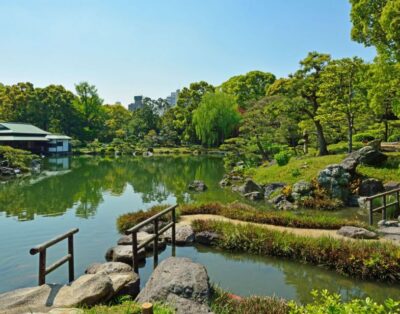
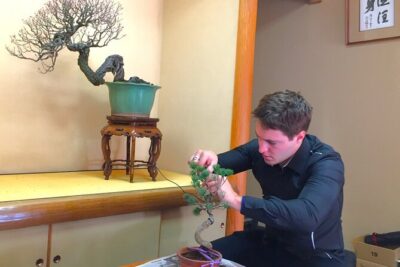
Bonsai Tour & Experience at the Most Sacred City for Bonsai in JP
Read our review →Browse the lists this tour appears in