

Review · JAPAN
Osaka: teamLab Botanical Garden Entry Ticket
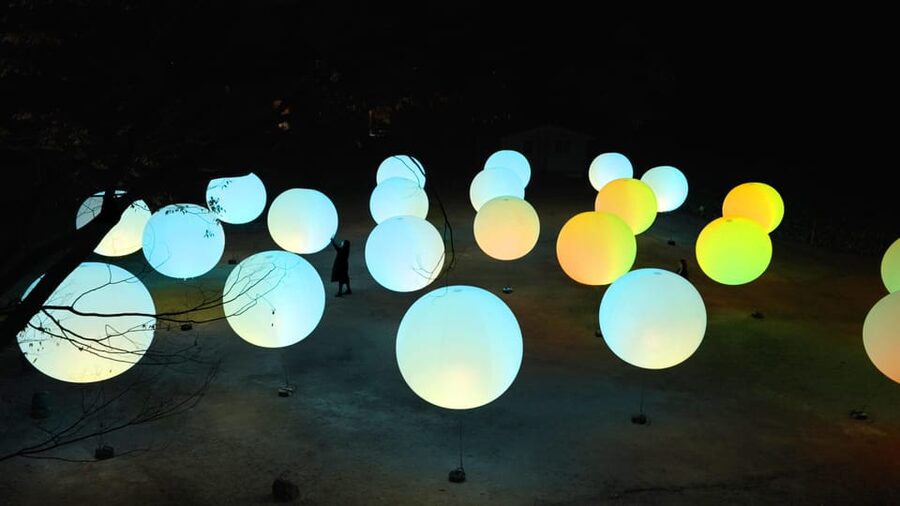
Osaka’s teamLab Botanical Garden turns an ordinary evening walk into an outdoor art show. After dark, lights appear among trees, ponds, and plant beds, responding to the setting and to people moving through it. The result is less like a standard exhibition and more like wandering through a changing night garden.
I like two things here: the natural setting, with roughly 1,200 plant species spread across 240,000 square meters, and the relaxed pace. You can walk freely rather than follow a tight tour route, stopping at the central pond, the glowing egg-shaped lights, and the larger installations. The main drawback is that this is outdoors, with dark paths, exposed roots, and a walk of about 15 minutes from the nearest subway station.
Key points
- Nagai Botanical Garden by night: A large working garden provides the setting for the art, with plants, trees, water, and open paths throughout.
- Light that responds to its setting: Installations interact with nature, animals, and people rather than sitting apart from the garden.
- A quiet alternative to Osaka’s busy center: The evening walk can feel peaceful, especially if you slow down instead of racing from display to display.
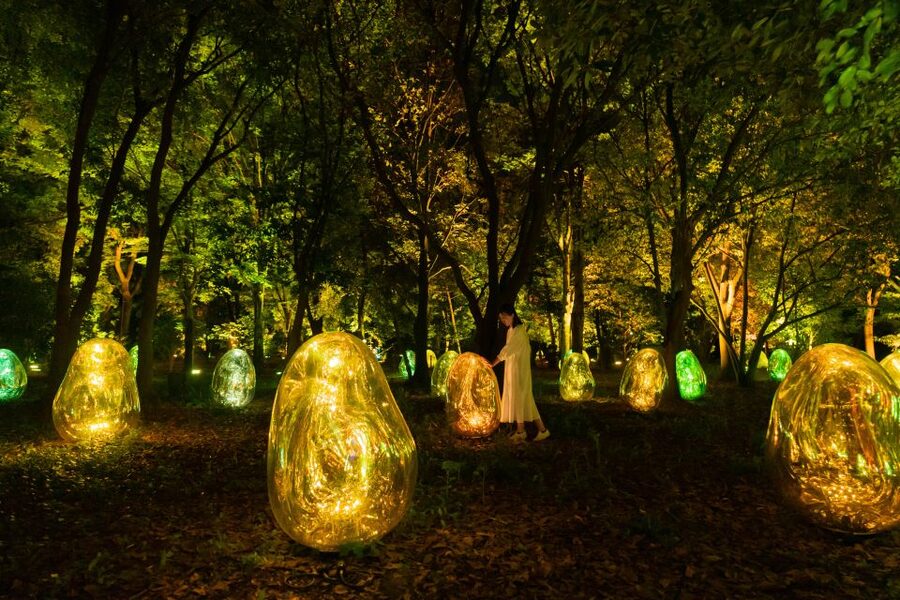
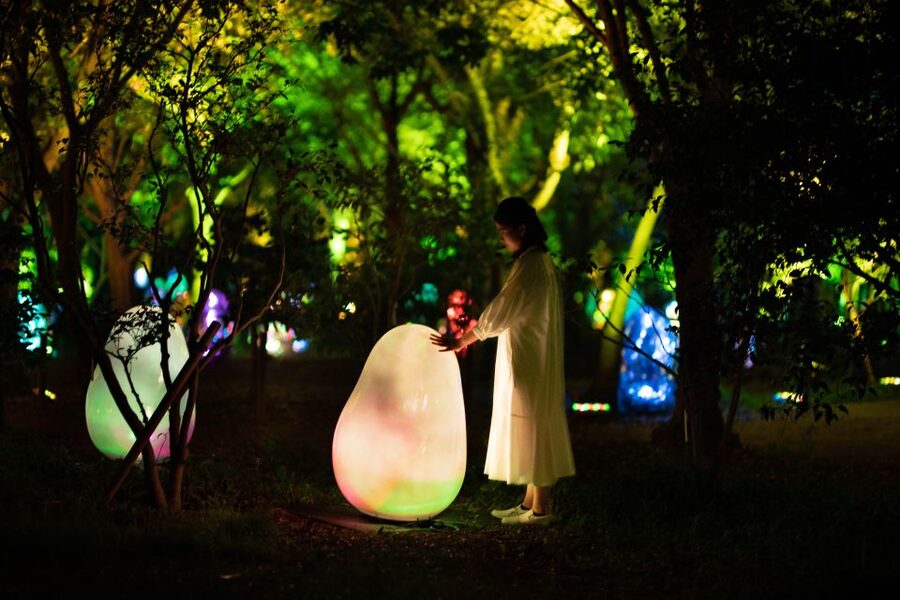
- The central pond and large light eggs: These are among the most memorable places for photos and atmosphere.
- Good value at about $11: You receive access to both the botanical garden setting and the nighttime teamLab project.
- Plan for outdoor conditions: Comfortable shoes, long pants, a long-sleeved shirt, and insect repellent will make the visit easier.
From 1,200 plant species to a night of light
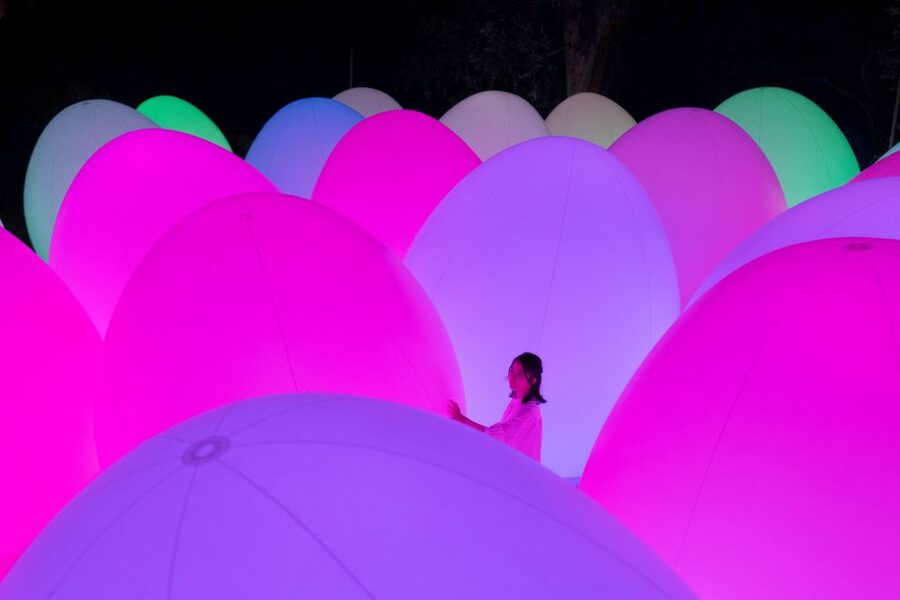
The visit begins at Nagai Botanical Garden, a sizeable green space rather than a small gallery. Its grounds cover about 240,000 square meters and contain approximately 1,200 species of plants. That matters because teamLab’s work is built into the garden instead of being placed in a sealed exhibition hall.
You can first take in the garden’s natural character, then see it change as evening arrives. The central pond gives you a natural pause point, and the broad grounds help spread out the experience. You are not simply moving between rooms with one display after another. Trees, water, open spaces, and plant beds all become part of what you see.
The garden also has a practical purpose beyond the evening artwork. It cultivates and protects its plant species, so the setting offers a look at a living botanical collection as well as a digital art project. If you enjoy seeing how art fits into a real place, this connection is more interesting than a series of lights in an empty event space.
More Botanical Garden Tours in Japan:
- TeamLab Botanical Garden Osaka Ticket
★ 3.5 · 6 reviews - Calligraphy and Tokyo Great Buddha, Botanical garden, art museum
★ 5.0 · 2 reviews - Walking tour, Tokyo Great Buddha, Botanical Garden, etc.
★ 5.0 · 2 reviews
How the teamLab installations change after dark
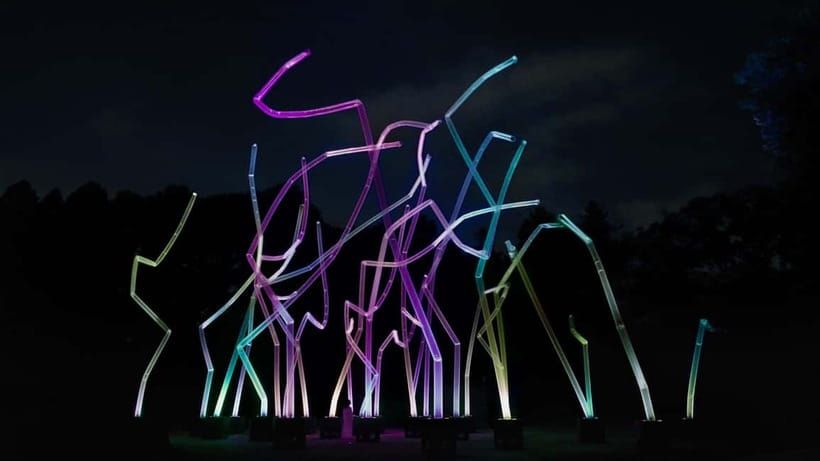
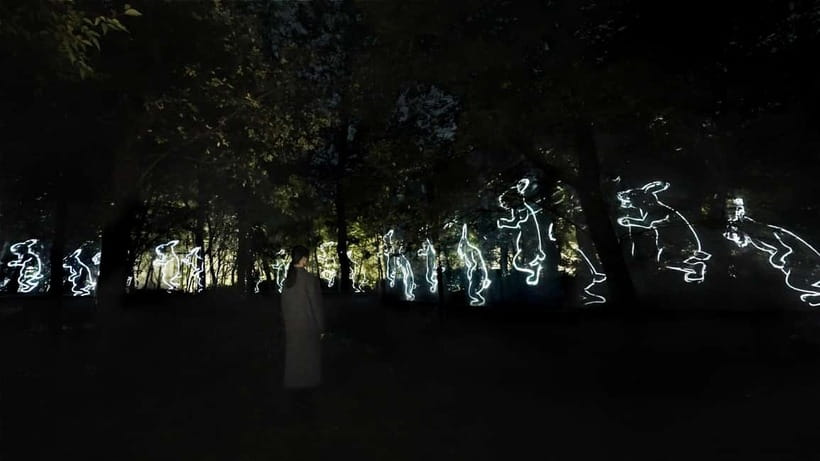
As night falls, lights and sound begin to alter the garden. Some displays glow softly among the trees, while others create stronger bursts of color or movement. The work is designed around non-material technology, using light and related effects to create art without physically changing or damaging the plants.
The installations also respond to people. Your movement and presence can become part of the scene, so the artwork is not exactly the same for every person or at every moment. This is one reason I would not treat the visit as a quick photo stop. You will get more from it if you pause, watch the colors change, and notice how the garden and people affect the appearance around you.
The sound is important, too. Music accompanies the lights and gives the walk a calm, sometimes dreamlike mood. One installation may feel gentle and reflective, while another can seem playful or strange. Large egg-shaped lights are especially appealing for families, and children may enjoy moving around them and watching the display respond.
The show starts more quietly than some visitors expect. Give it time. The first group of lights can seem simple, but later sections become more involving as you move farther through the grounds. The experience works best as a gradual evening walk, not as a single dramatic performance at one fixed point.
The central pond, trees, and the best places to slow down
The central pond is one of the strongest parts of the visit. Water gives the light somewhere to reflect, and the combination of the pond, music, and surrounding darkness creates a calmer mood than the brighter installations. If you want a few minutes away from the more active displays, this is a good place to pause.
The trees provide another memorable setting. Light among branches can feel eerie, soft, or otherworldly, depending on the installation and the season. Spring adds another layer when cherry blossoms are present. Night lighting can make the blossoms look completely different from the way they appear in daylight.
You should also allow time for the less obvious details. Some of the pleasure comes from walking between installations, hearing the sound shift, and seeing familiar garden features take on a new look. The attraction is not only the brightest display. The change from a botanical garden into an art space is the central idea.
At the same time, darkness creates a few practical problems. Large tree roots can be difficult to see, and unlit edges around flower beds may slow your pace. Wear shoes with good support and watch where you step. This is not the place for thin sandals or footwear you would dislike getting damp or dirty.
Why the outdoor format matters
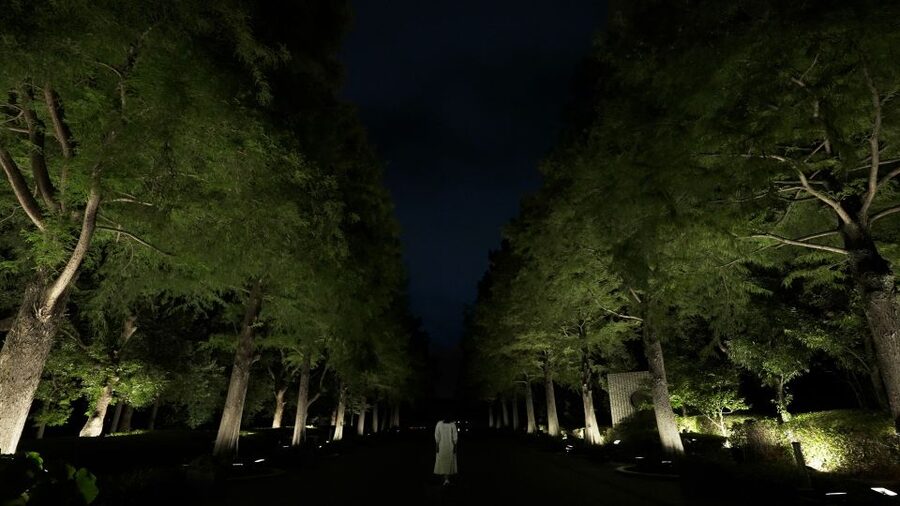
The outdoor setting gives this experience a different character from indoor teamLab exhibitions. You are surrounded by real plants, open air, and the sounds of a garden at night. That can make the artwork feel more connected to its subject, especially when light passes over leaves, water, and tree trunks.
It also means the weather matters. Rain, humidity, wind, and summer insects can affect your comfort. Check the forecast before booking, particularly because the ticket is non-refundable. Long pants, a long-sleeved shirt, and insect repellent are sensible choices, even if the evening begins pleasantly.
The garden is generally easy to explore at a relaxed pace, but it is still a large outdoor area. You may walk considerably more than you expect, and the paths are not all equally smooth or bright. Wheelchair users and children in strollers may enter, although some artworks may not be accessible. Contact the venue directly if detailed accessibility information is important for your plans.
More Garden Tickets in Japan:
- Kyoto: Kinkaku-ji Temple & Serene Garden Guided Tour with Tickets
★ 5.0 · 9 reviews - Tokyo: Ashikaga Flower Park with Entry Ticket
★ 5.0 · 3 reviews - Tokyo: Hama-rikyu Garden Guided Tour with Entry Ticket
★ 4.6 · 2 reviews - Kyoto: Kinkaku-ji Temple & Serene Garden Tour with Tickets
★ 5.0 · 2 reviews
Getting there, arriving on time, and getting home
The nearest subway station is not directly beside the entrance. Expect about a 15-minute walk, and allow extra time if you are unfamiliar with the area or arriving after dark. The route is manageable, but it is not a good idea to leave your hotel at the last possible moment.
Your ticket is valid for one day, with available starting times shown when you book. Arrive before the final entry time. Late arrival can mean being refused entry, and re-entry is not allowed, so do not leave the grounds expecting to return later.
The area can be difficult for taxis after the event. A taxi may not be easy to find at that hour, and the walk back to the station remains part of your return plan. I would check the last train details and decide in advance how you will get back to your accommodation.
There are no restaurants or cafes on site. Vending machines have been available inside, but you should not count on a full meal. Food, alcohol, and large bags are not permitted, so eat beforehand and bring only what you need.
Is $11 good value for Osaka?
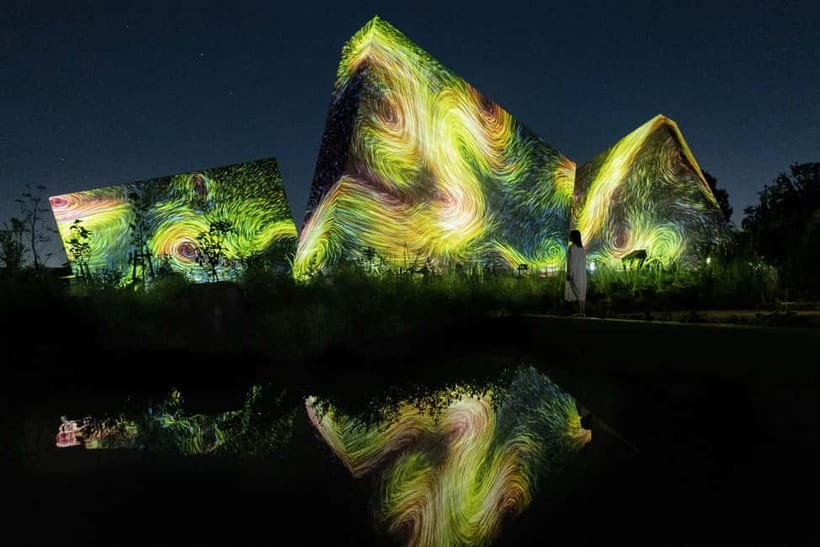
At about $11 per person, this is one of the easier Osaka experiences to recommend on price alone. You are paying for access to a large botanical garden and a nighttime art project, not for a short, single-room light display. The value improves if you stay long enough to explore at an unhurried pace.
The ticket is less appealing if you expect the scale and polished indoor spectacle of teamLab’s major Tokyo venues. This is a different kind of event. It has fewer enclosed, highly controlled effects and more walking through a real garden. One honest comparison is that it may feel modest at first, especially if you arrive expecting an immediate visual explosion.
That modest beginning is part of the format. The experience grows as you move through the grounds, and the garden itself supplies much of the atmosphere. If you want a compact attraction you can finish quickly, this may feel too spread out. If you like music, changing light, and open-air settings, the price is fair.
Who will enjoy this evening most?
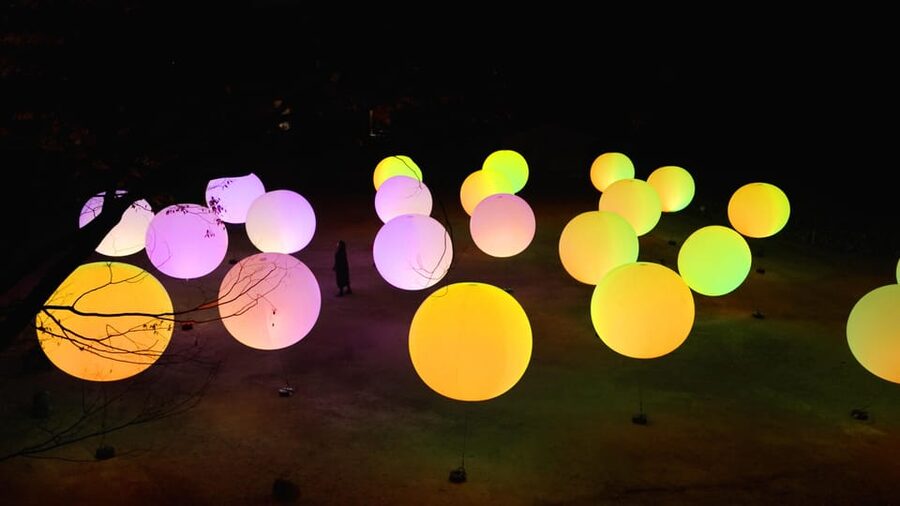
I would choose this for people who enjoy unusual evening activities and do not mind walking. It suits couples looking for a calm, atmospheric outing, families with children who like colorful lights, and anyone who wants a break from Osaka’s dense streets and bright commercial areas.
It is also a good first-night activity if you want something gentle rather than a demanding cultural tour. You can move at your own speed, stop often, and simply watch the garden change. The mood is often peaceful and romantic, though some sections are more playful and energetic.
Photography is allowed, but the experience is better if you do not spend the whole visit looking at your phone. Flash photography, tripods, selfie sticks, and flashlights are prohibited. Drones are also not allowed. The light is part of the artwork, so taking a few photos and then putting the camera away lets you notice much more.
The visit may be less suitable for anyone who dislikes insects, uneven ground, darkness, or outdoor weather. Children must be accompanied by an adult aged 18 or older, with one adult required for every three children. Pets are not allowed.
How to plan your visit around the seasons
Each season changes the garden’s appearance. Spring can bring cherry blossoms, which look especially striking under nighttime lighting. A full moon can also add atmosphere, although that is a matter of timing rather than something the attraction can guarantee.
Summer may make insect repellent and long sleeves especially useful. Autumn and winter can offer cooler, more comfortable walking conditions, but you will want suitable clothing for standing outside after sunset. The installations remain the focus, yet the plants and weather affect how the evening feels.
I would aim to arrive early enough to enter without rushing, then stay until the garden is fully dark. A start around 6 p.m. can work well when sunset comes early, since the lights are easier to appreciate once the sky has darkened. Exact times vary, so check the available entry schedule when booking.
What to bring and what to leave behind
Wear comfortable walking shoes. The grounds are large, and roots or dark edges can make careful footing important.
Bring long pants, a long-sleeved shirt, and insect repellent. These are practical choices for an outdoor garden, not dress-code requirements.
Leave large luggage, food, alcohol, drones, selfie sticks, tripods, and flashlights at your accommodation. You may take photos, but flash photography is not allowed. Since there is no cafe or restaurant, eat before entering and use the available vending machines only as a backup for drinks.
Should you book teamLab Botanical Garden Osaka?
Book it if you want an affordable outdoor art experience that combines plants, music, water, and light. It is particularly worthwhile when you have time to walk slowly and appreciate the setting rather than simply collect photos.
Skip it if you want an indoor exhibition, a short attraction close to a major station, or a guaranteed dry-weather activity. The walk back to public transport, lack of on-site dining, darkness, and occasional uneven footing all require a little planning.
For most visitors who enjoy atmospheric evenings, the $11 price is reasonable. Arrive before final entry, dress for the weather, allow plenty of time, and give the quieter installations a chance. The best part is not one single light effect. It is watching a working botanical garden become something unfamiliar for a few hours.
FAQ
Where is teamLab Botanical Garden Osaka located?
It is located at Nagai Botanical Garden in Osaka, on Honshu, Japan. The nearest subway station is about a 15-minute walk away.
How much does admission cost?
The listed price is about $11 per person.
How long is the ticket valid?
The ticket is valid for one day. Available starting times should be checked when booking.
Is teamLab Botanical Garden indoors or outdoors?
It is an outdoor experience within Nagai Botanical Garden. Weather and insects may affect your comfort.
What should I wear?
Wear comfortable shoes, long pants, and a long-sleeved shirt. Insect repellent is also recommended.
Can I take photographs?
Yes, photography is allowed. Flash photography, drones, tripods, selfie sticks, and flashlights are prohibited.
Are food and drinks available inside?
There are no restaurants or cafes on site. Vending machines may be available, but food is not allowed inside.
Can I leave and come back later?
No. Re-entry is not allowed, so plan to remain inside for the full visit.
Can children and wheelchair users enter?
Children may enter when accompanied by an adult aged 18 or older. One adult must accompany every three children. Wheelchair users and children in strollers may enter, but some artworks may not be accessible.
Just added around Japan
- Tsumami Zaiku Japanese Fabric Flower Class★ 5.0 · 3 reviews
- Tokyo: Serene Sakura & Sake: An Exclusive Brewery Pairing Lunch★ 5.0 · 2 reviews
- Tsukiji Food Strolling and Hama Rikyu Garden Walking Tour★ 5.0 · 7 reviews
- Private tour – Scenic Fuji Escape: Hakone, Peace Park & More★ 5.0 · 4 reviews
- Tokyo Cherry Blossom Half Day Walking Tour with a Local Guide★ 3.5 · 4 reviews
- TOKYO: Tailored Gardens tour with Pro Gardener by E-bike -BASIC★ 5.0 · 2 reviews
- Cherry Blossom Highlights, Asakusa, Ueno, Imperial Palace Garden★ 4.5 · 4 reviews
- Japan’s Customs of Ikebana Art, Tea Ceremony & Kimono Welcome★ 5.0 · 2 reviews
Japan Garden Tours, compared.
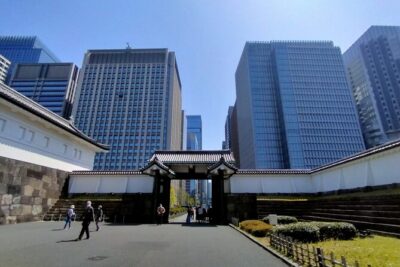
Imperial Palace East Garden and Edo Castle Walking Tour in Tokyo
Read our review →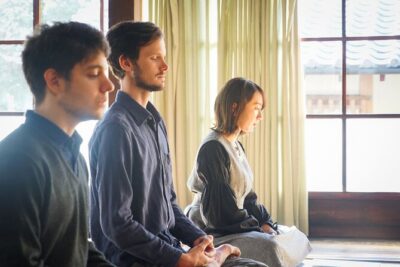
Kyoto Zen Meditation & Garden Tour at a Zen Temple with Lunch
Read our review →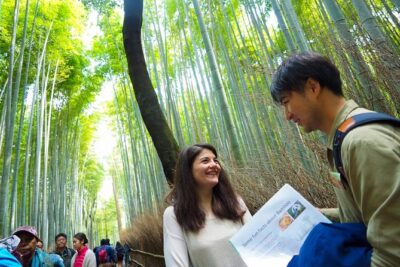
Kyoto Arashiyama Bamboo forest & Garden Half-Day Walking Tour
Read our review →

Authentic Kyoto Tea Ceremony: Camellia Flower Teahouse
Read our review →

Edo Castle & East Garden of the Imperial Palace Tour
Read our review →Browse the lists this tour appears in